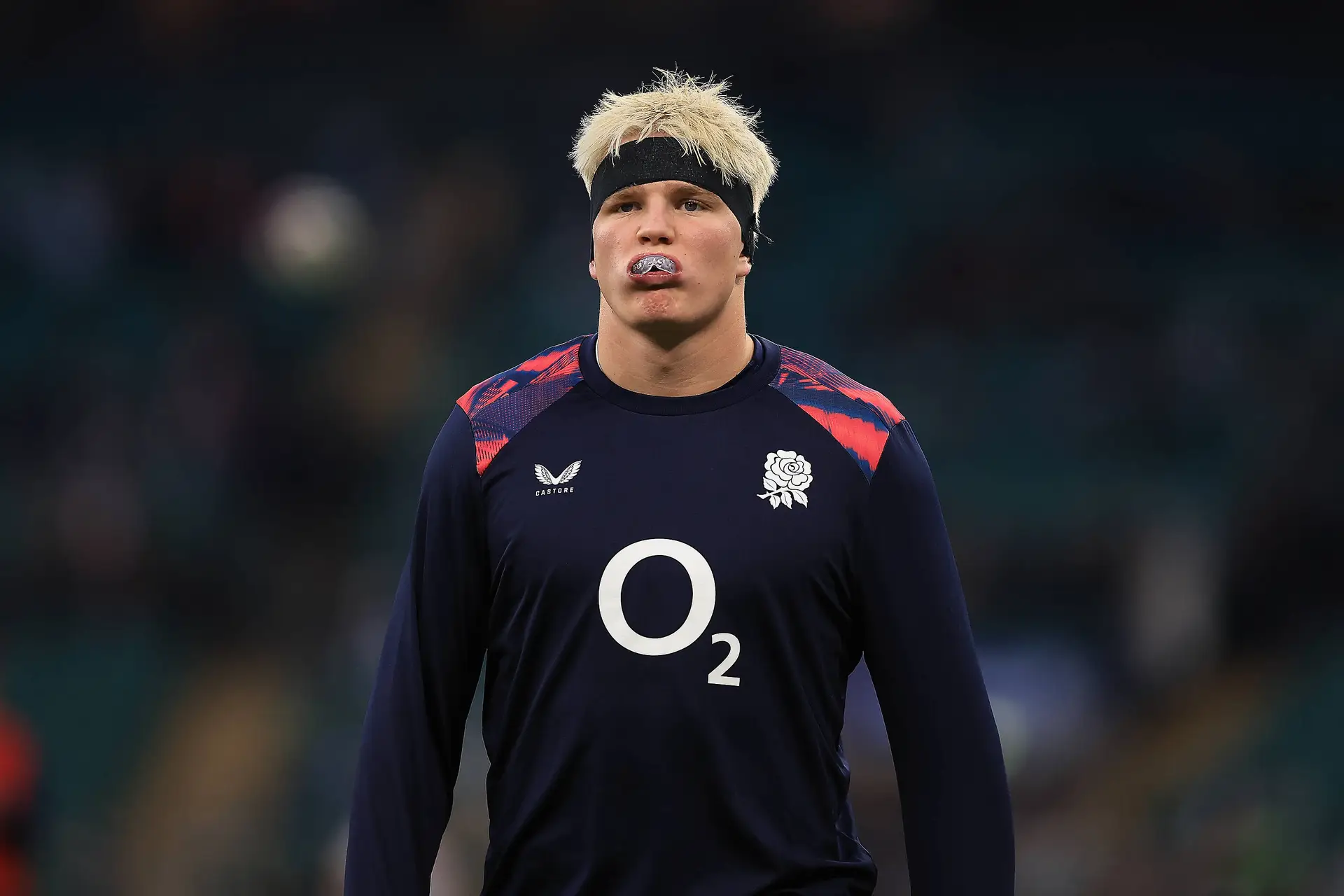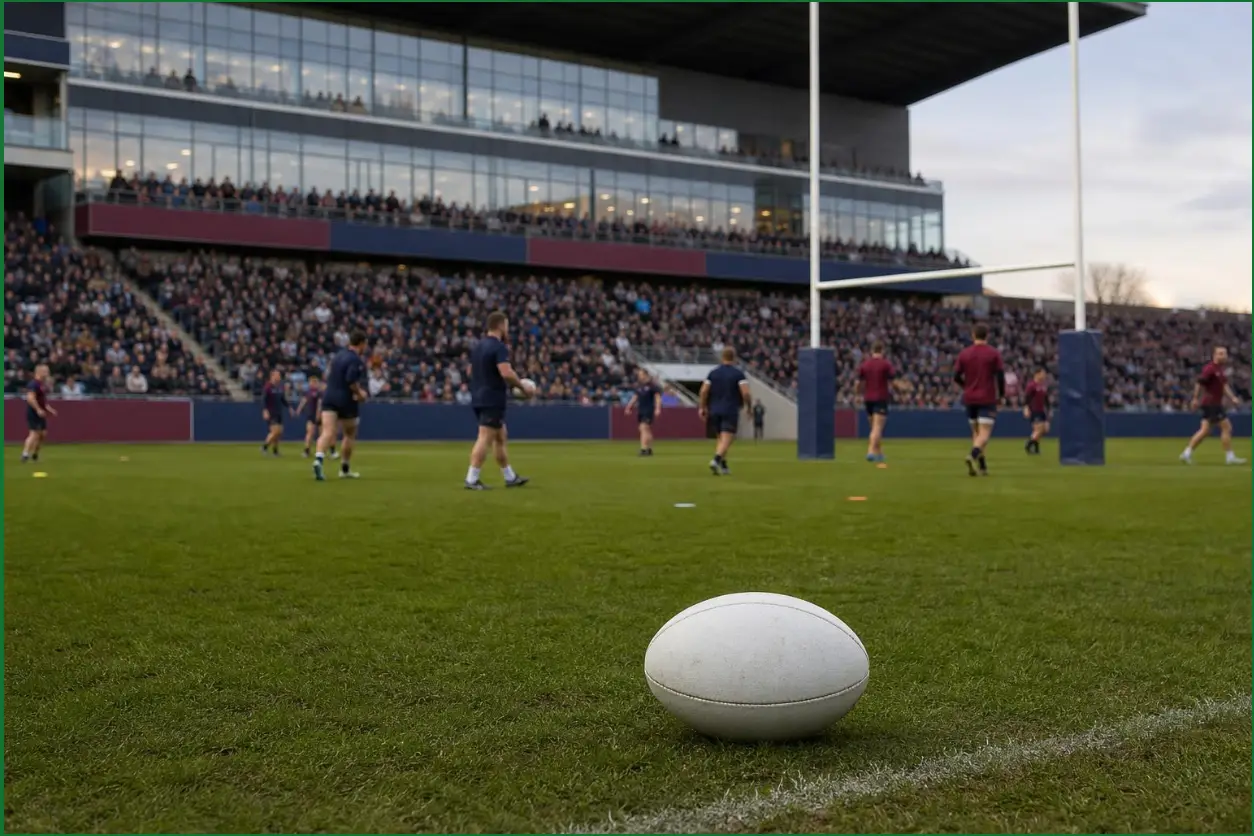
Rugby supporters get used to sponsor names. They appear on shirts, become shorthand for grounds and accompany the statistics on television. Behind each name is a deal that helps fund the game, with benefits ranging from advertising space to client hospitality.
The businesses buying those rights include insurers, banks, energy suppliers, software companies and gambling operators. What they buy has changed, too. Agreements increasingly cover content between matches, services for clubs and community programmes, giving commercial teams more to manage across a season.
A Changing Mix of Sponsors
Financial services have proved a lasting presence. Aviva announced a four-year, £20 million agreement to sponsor the Premiership in July 2010. Gallagher became title sponsor in 2018 and later agreed a three-year extension beginning with the 2025/26 season.
Investec’s five-year Champions Cup title deal followed in 2023. Scottish Gas entered a wide-ranging Scottish Rugby agreement that year, while Sage was putting its name to data and analysis during Six Nations coverage.
Gambling businesses have also bought exposure through rugby. Where a sponsor offers sports betting and online slots, its logo on kit advertises the whole brand, not only its betting on the sport. Clubs therefore have to consider who sees the advertising as well as what the agreement pays.
The rights themselves vary considerably. A competition title, stadium name and shorts logo each give a sponsor a different presence.
What Companies Get From Rugby
That presence serves several purposes. Naming rights keep a business in supporters’ conversations, while hospitality allows it to host customers and meet business contacts. Some sponsors also use rugby to show their services at work.
Sage’s Six Nations partnership brought smart-ball statistics into coverage, including kick hang-times and territorial gains. Scottish Gas combined stadium naming rights and Scotland Women’s shirt sponsorship with energy-efficiency advice. Its five-year agreement included a joint £2 million club and community fund to support improvements to facilities.
At Leicester Tigers, wealth-management firm Mattioli Woods renewed its agreement in August 2026 with an emphasis on activity throughout the year. Stadium and stand naming rights sit alongside player-led content, educational webinars, financial-wellbeing campaigns and business events.
The package also includes planning sessions for academy players and their families. Such work gives the relationship a place in club life between fixtures, while providing the sponsor with regular opportunities to reach its audience.
Why Clubs Need Lasting Partnerships
Those opportunities matter to clubs trying to turn supporter interest into dependable income. Sponsorship sits alongside ticketing, retail, hospitality and central funding, with each contributing to the cost of running a professional team.
The figures at Northampton show the pressure. Saints’ 2025 annual accounts reported turnover of £22.3 million and a rounded loss before tax of £1.8 million. Adjusting for the accounting treatment of RFU academy funding, the club recorded underlying turnover of £23.5 million and an underlying loss of £0.7 million.
The accounts describe commercial partnerships as vital. They also connect increased sponsor exposure with European performance, attendances and television viewing.
Success on the pitch can improve the commercial offer. Retaining partners, meanwhile, gives clubs income to plan around across several seasons. Delivering the promised hospitality, content and community work becomes part of maintaining that support.
Gambling Deals Face Closer Scrutiny
The need for income makes the debate over gambling sponsorship especially relevant. An Ospreys agreement expanded in September 2025 placed its betting partner’s logo on the playing shorts of all three kits, with exposure through league and European matches.
Football offers a comparison. In April 2023, Premier League clubs agreed to withdraw gambling sponsorship from the front of matchday shirts from 2026/27. The league described the voluntary decision as a measure to reduce gambling advertising.
Concern centres partly on how frequently audiences encounter these messages. University of Bristol researchers counted 27,440 gambling messages across four sampled media platforms during the opening weekend of the 2025/26 Premier League season. Their study covered live matches, sports news, radio and social-media advertising.
Gambling can cause financial and personal harm. Gambling products are restricted to adults aged 18 and over in Great Britain. Anyone worried about their own or someone else’s gambling can seek confidential support through GamCare.
The Responsibilities Behind the Name
Marketing rules help shape those commercial choices. The Gambling Commission requires licensed operators to advertise socially responsibly and comply with UK advertising codes administered by the Advertising Standards Authority.
Its sports-sponsorship guidance asks sports organisations to keep checking that their arrangements are legal and, where a brand holds no Commission licence, to satisfy themselves about the source of the funds. Related advertising must meet rules protecting under-18s.
For rugby clubs, securing a signature begins a relationship that needs attention throughout its term. Whether a deal involves energy advice, match statistics or kit branding, its value rests on delivering the agreed work and handling the exposure responsibly. Supporters see the name; clubs carry the commitments behind it.