Why Ireland Rugby Wears the Shamrock, and the Folklore Behind the Crest
The shamrock is a very recognisable symbol, and there is a lot of folklore behind it and why the Irish rugby team wears it.
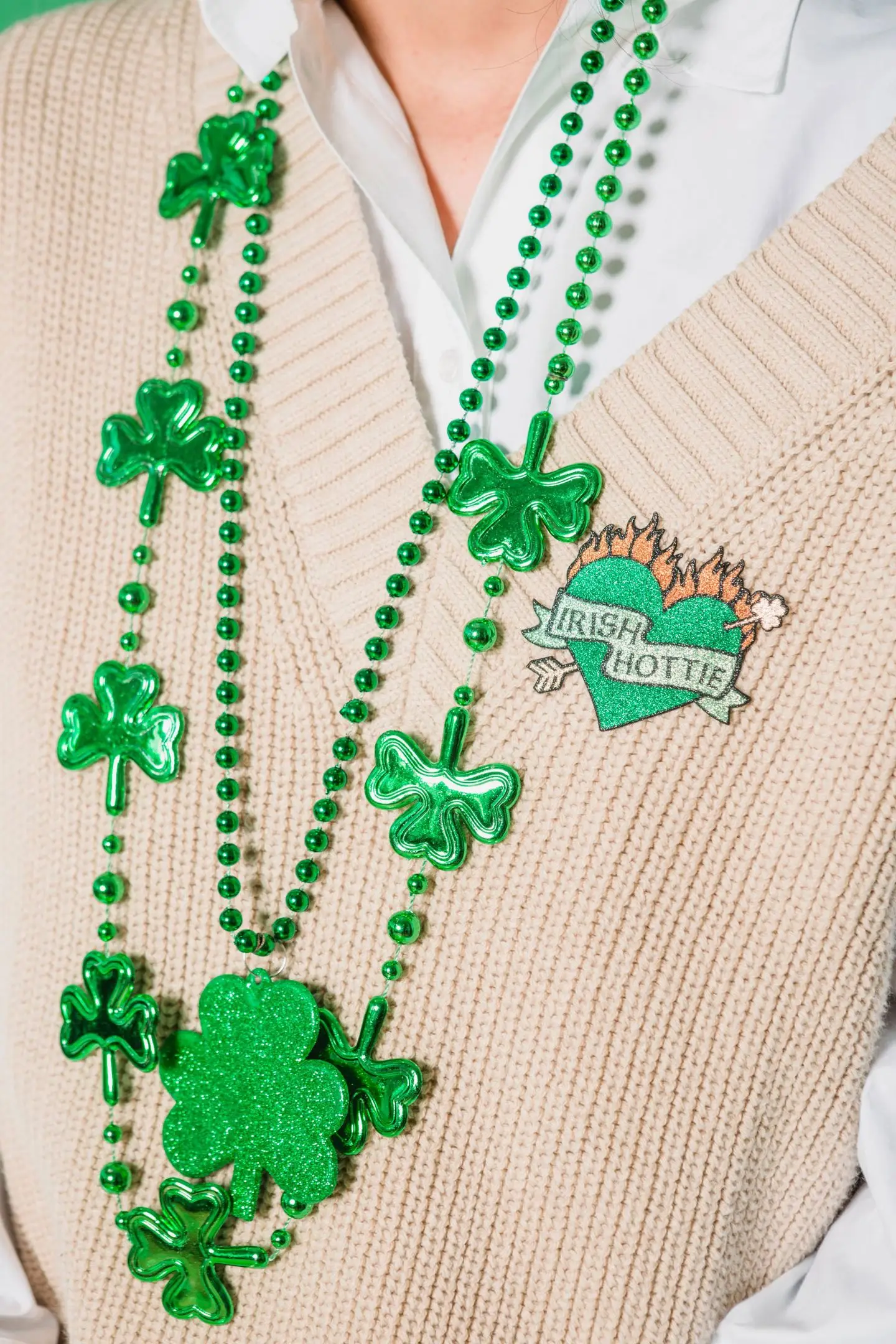
Some symbols are instantly recognisable; no matter where you are or where you see them, you identify them immediately, and the shamrock is one of those symbols. The green three-leaf plant is tied inextricably to Irish identity, St. Patrick's Day, leprechauns and a whole host of different Irish folklore. As a national symbol, the Ireland rugby team could do a lot worse than choose something so inherently and culturally significant as the shamrock. This symbol does more than just look pretty and help differentiate the Irish rugby team from whoever they are playing against; it connects the players to a shared cultural past and traditions that go far beyond the game of rugby.
Irish folklore, religious history, traditions around sport, festivals and pubs are all things that might come to mind when people see the shamrock. It is, almost certainly, the most immediate and most appropriate symbol to represent Ireland, and is used almost anywhere that Irish culture is being represented around the world.
What is the Folklore Behind the Shamrock?
The word shamrock itself is translated from an Irish word that means little clover. The symbol is often used to represent the Irish countryside, spring, St. Patrick and St. Patrick's Day.
The shamrock has, over time, come to develop a broader meaning. As well as Irish identity, it has also come to represent good luck and national pride. It can be seen commonly used on St. Patrick's Day, but similar imagery turns up in games as well: there are 163 Irish-themed slot demos, from Rainbow Riches to Luck O' The Irish, which you can explore if you want to see other examples of how the symbol is commonly used, but that isn't the subject of this article. If you do explore these examples of the symbol, you should make sure to engage with those gambling games responsibly, and only if you are over 18.
The symbol of the shamrock has, at times, been confused with a four-leafed clover, which is another symbol that is often associated with luck. While the shamrock is also associated with good fortune, it has much stronger ties to Irish culture and tradition, and provides a much deeper meaning than simply the bestowal of luck on the finder.
Why Does the Ireland Rugby Team Wear the Shamrock?
The symbol of the shamrock has been associated with Ireland and with Irish culture since the 18th century. It is tied up in the story of St. Patrick's Day and the way St. Patrick used the plant's leaves to explain the Christian Holy Trinity.
The inclusion of the shamrock on the Irish rugby team's crest, then, is a representation of the country's cultural identity. It connects the Irish team to both religious tradition and folklore.
For the Irish rugby team, in particular, a shared symbol that can represent both the Republic of Ireland and Northern Ireland is crucial. The shamrock reaches far back into Irish culture, tradition and folklore and transcends the modern borders.
How Is The Leprechaun Connected With the Shamrock?
Interestingly, there is very little direct connection between the leprechaun of Irish folklore and the symbol of the shamrock. While they might often appear in similar places or alongside one another, they are distinct symbols and have no specific connections.
The closest connection is simply that they are both strong symbols of Irish culture, tradition and storytelling.
How Exactly is the Shamrock Celebrated on Irish Rugby Match Days?
Very simply, the shamrock is worn by players, supporters and coaches on days when the Irish rugby team plays international opponents. It unites the wearers in belonging and is an instantly recognisable symbol. As well as appearing on clothing, supporters often sport flags or face paint featuring the shamrock.
A sea of fans wearing green and showing pride in their support of the Irish team by displaying shamrocks is a sight that will lift the spirits of any faithful Irish rugby supporter. It is celebrated as a collective visual identity that is easy and simple for any fan to join in.
Sometimes St. Patrick's Day lines up with rugby matches that the Irish team is playing, which adds an extra level of connection and celebration around the shamrock for those occasions.
Why Has the Shamrock Remained Important to Irish Rugby?
The shamrock is an instantly recognisable and long-enduring symbol of Irish national togetherness and history. It transcends any individual match and helps to bring all fans of Irish rugby together under one symbol.
Supporters who wear clothing or adorn themselves in other ways with the shamrock could be reaching towards a shared pride in their heritage, a sign of togetherness with their communities or simply a deep connection that they feel with the team.