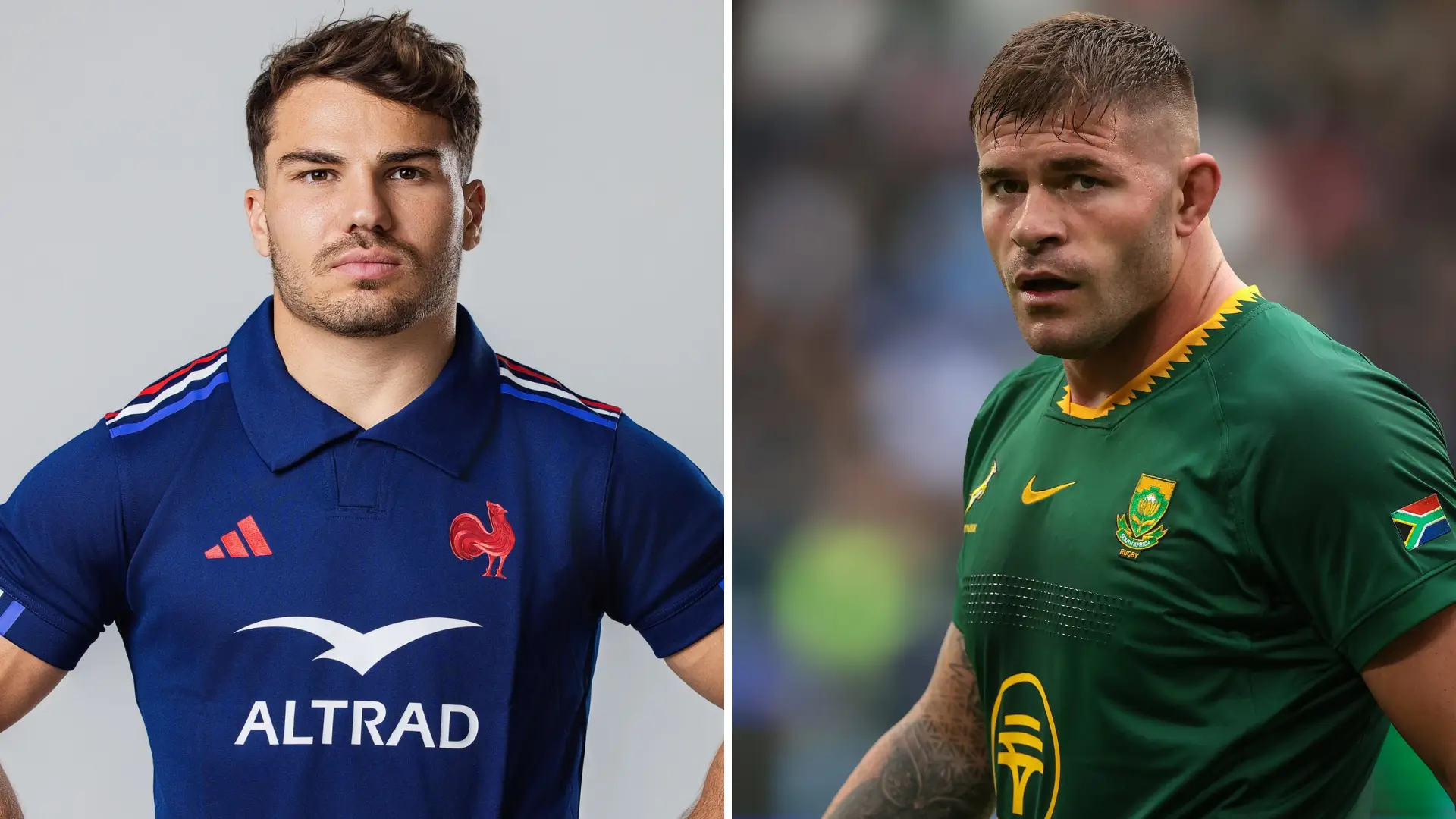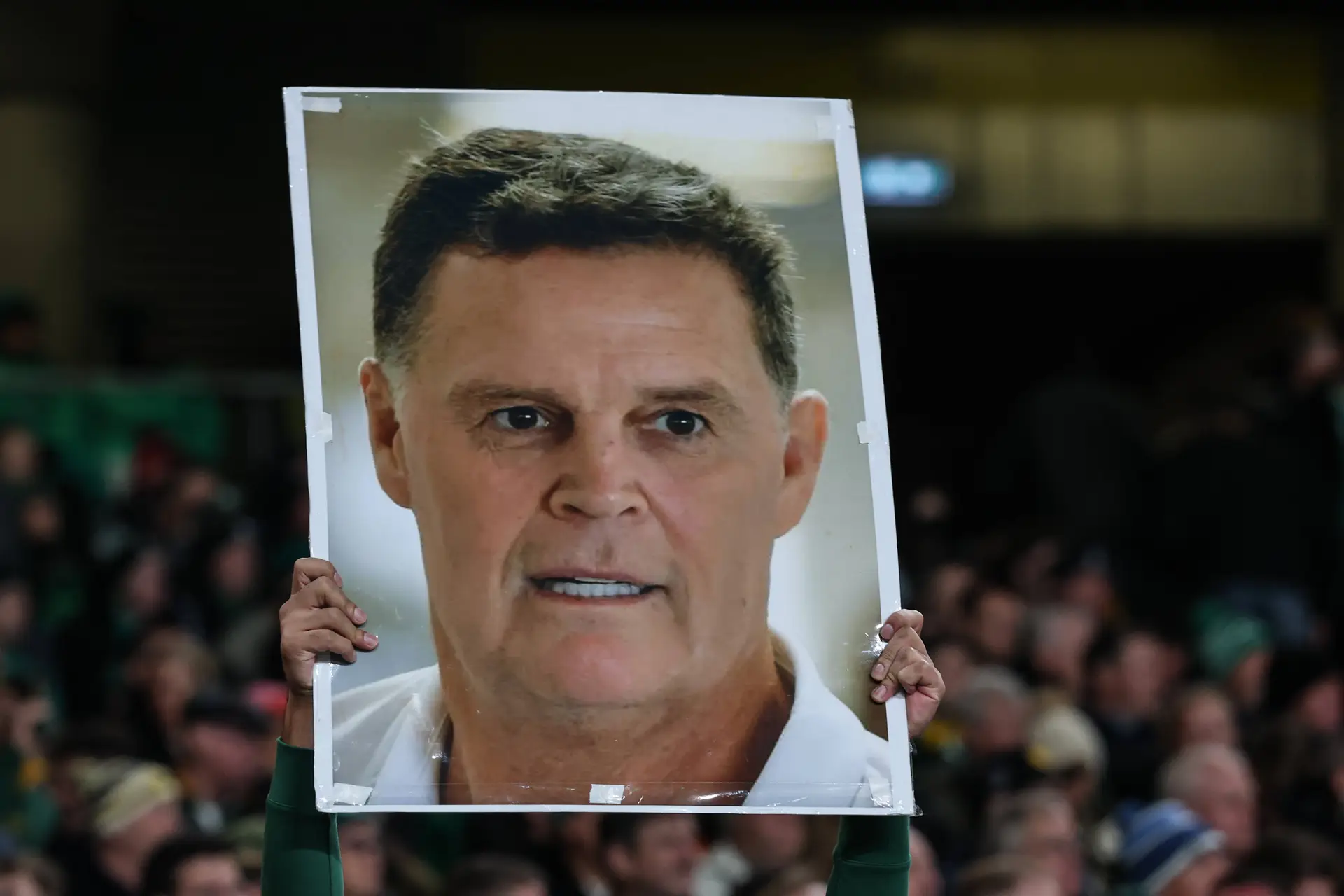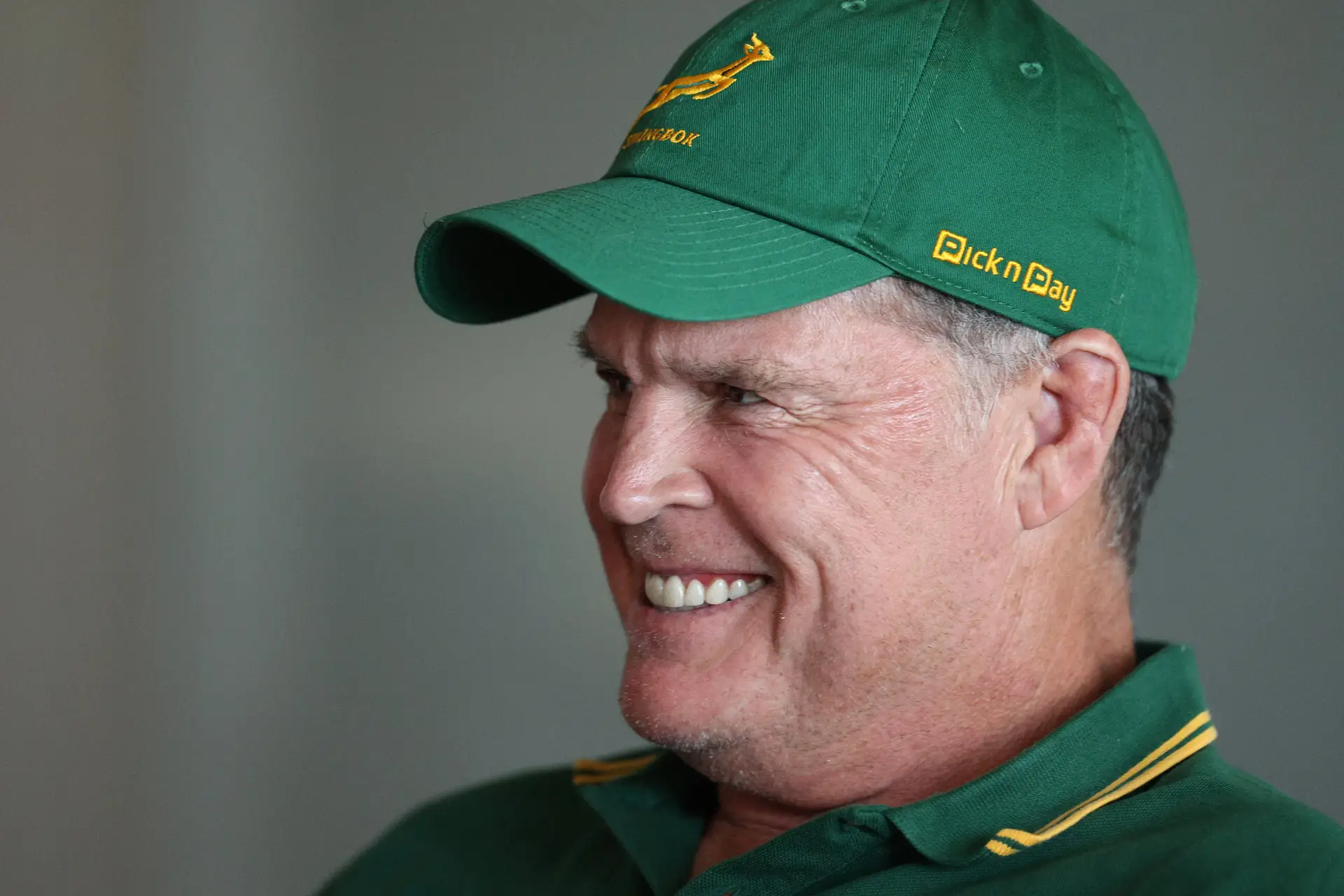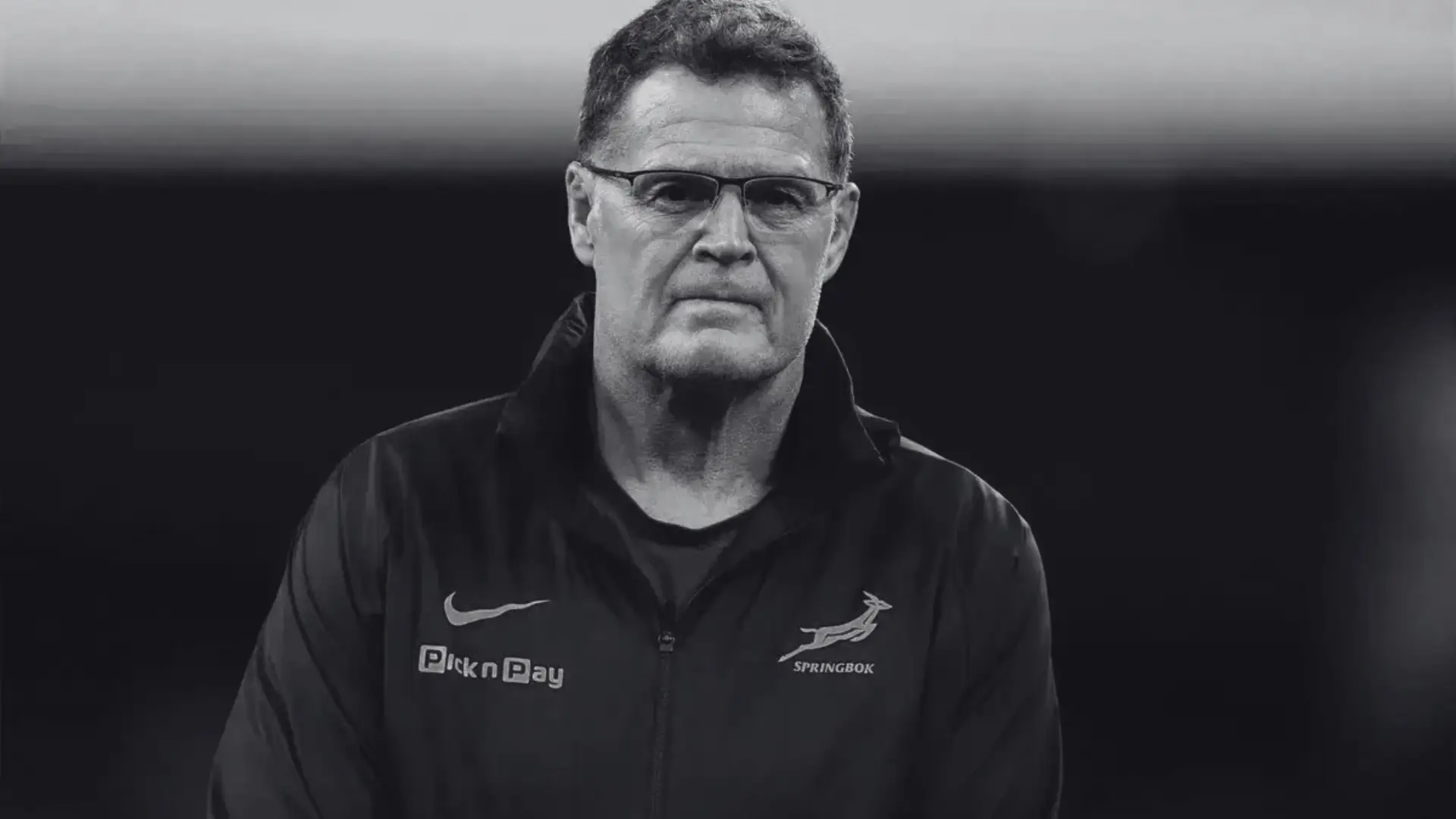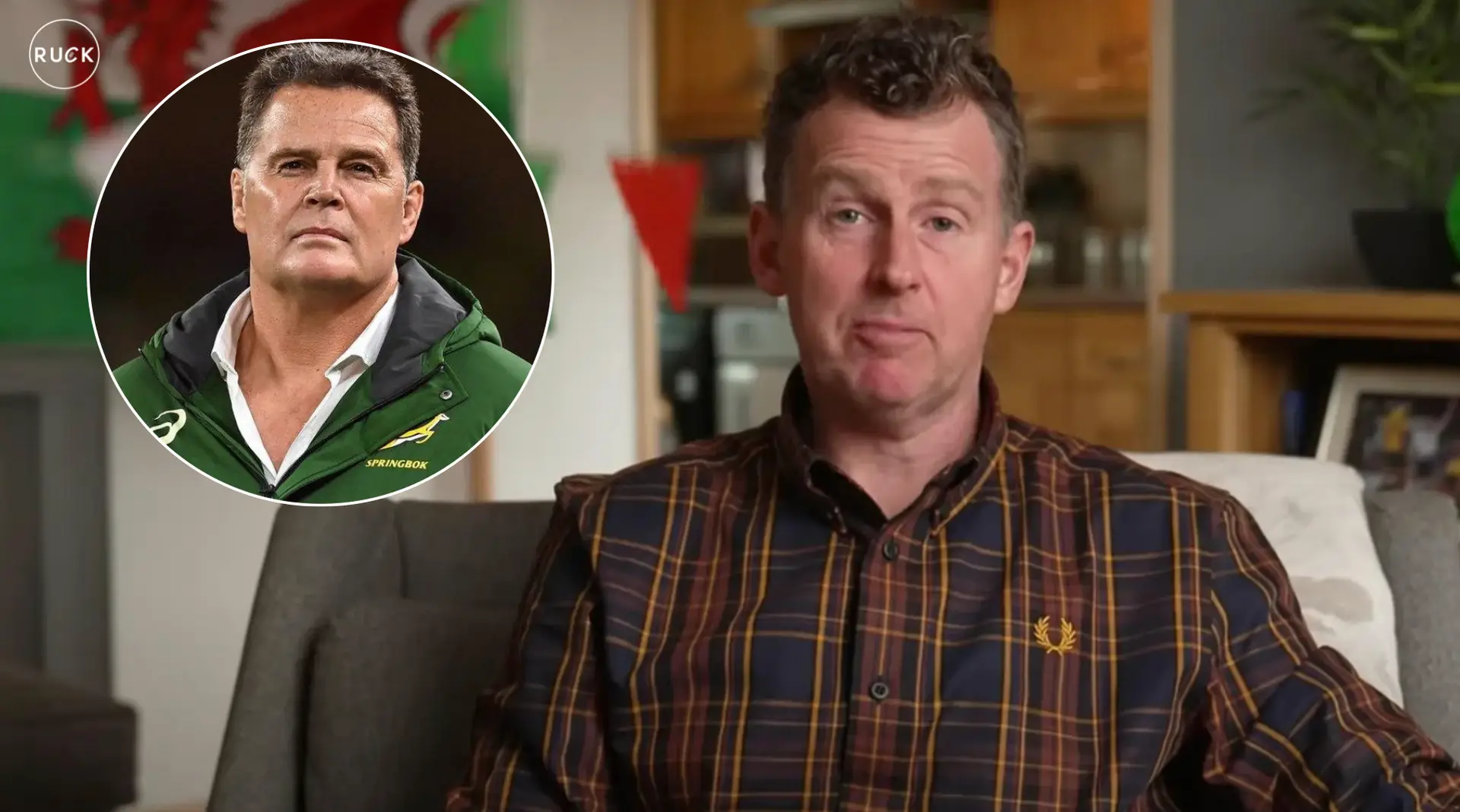
Nigel Owens has had his say on Rassie Erasmus’ six-match ban ahead of the Springboks’ Nations Championship final against France.
The South Africa boss was banned following comments he made about match officials in the wake of his side’s defeat to France earlier this month.
Writing in his WalesOnline column, Owens pulled no punches.
“Now, only Rassie knows why he said what he said,” wrote Owens.
“He didn’t accuse officials of match-fixing, but he certainly put that question out there.
“Of course, he has a history of doing this - as we all know.”
The Welshman, who revealed he received homophobic abuse and death threats during his own refereeing career, believes comments like those made by Erasmus only make matters worse.
“All this does is heighten the pressure on referees - and with that comes abuse.”
Owens admits coaches have a point
However, Owens is not convinced rugby has got everything right when it comes to coaches raising concerns about officials.
He questioned the apparent five-clip limit on incidents coaches can submit for review, recalling his dealings with former Ireland boss Joe Schmidt.
“When I was reffing Ireland, Joe Schmidt would be sending in 45 clips to look at if they lost!
“Do coaches have a point when they question officials? Of course they do.”
Despite that, Owens believes Erasmus will eventually regret his choice of words.
“I’m sure, when he reflects on it, he’ll realise he went about it the wrong way.”
Verdict on recent bans
Owens has also given his verdict on the decision to issue Dan Sheehan with a retrospective red card and suspension following his dangerous crocodile roll on Marco van Staden last week.
The Ireland captain was handed a two-week ban after his red card during Ireland's 20-17 victory over South Africa in Dublin.
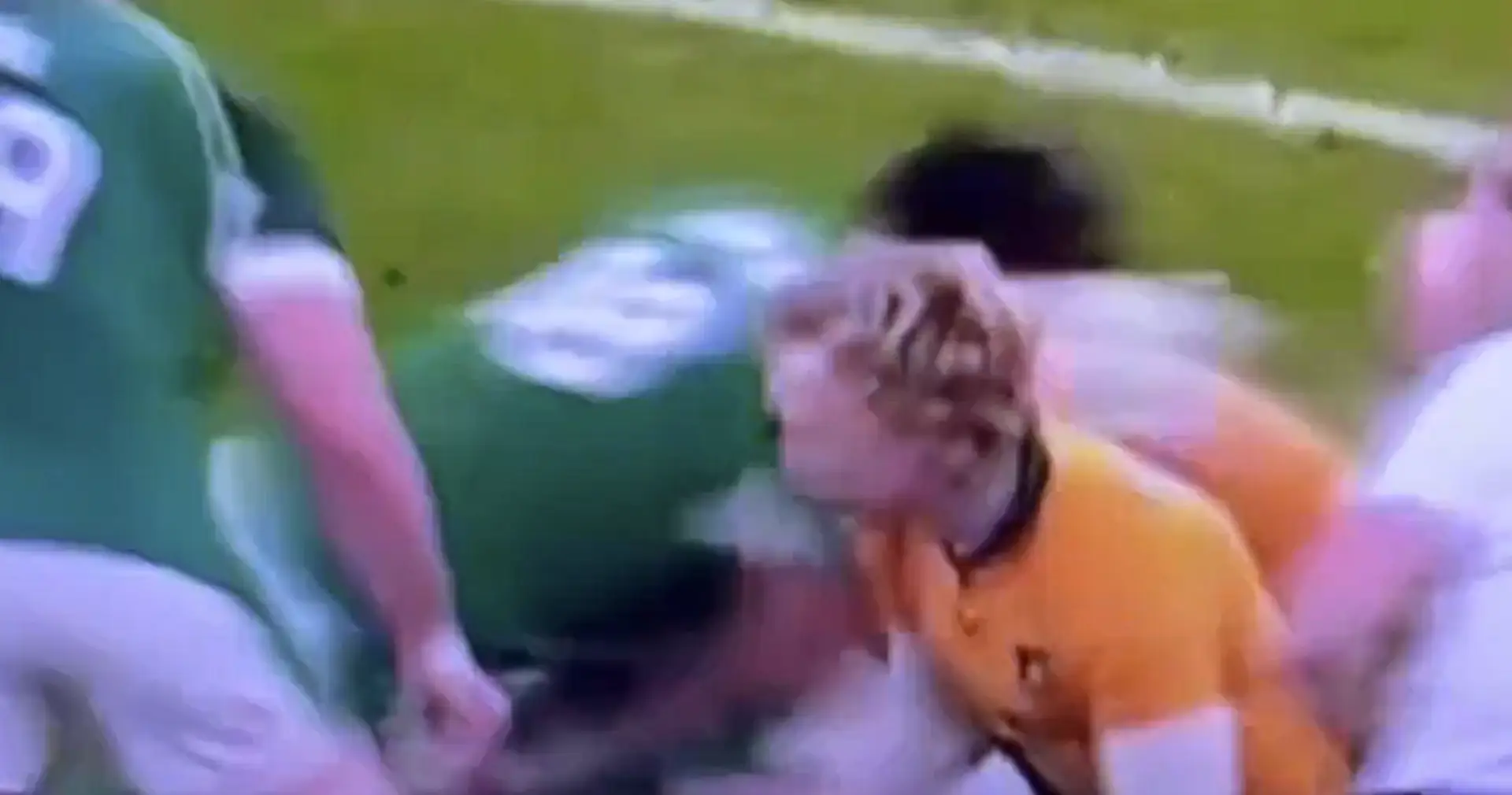
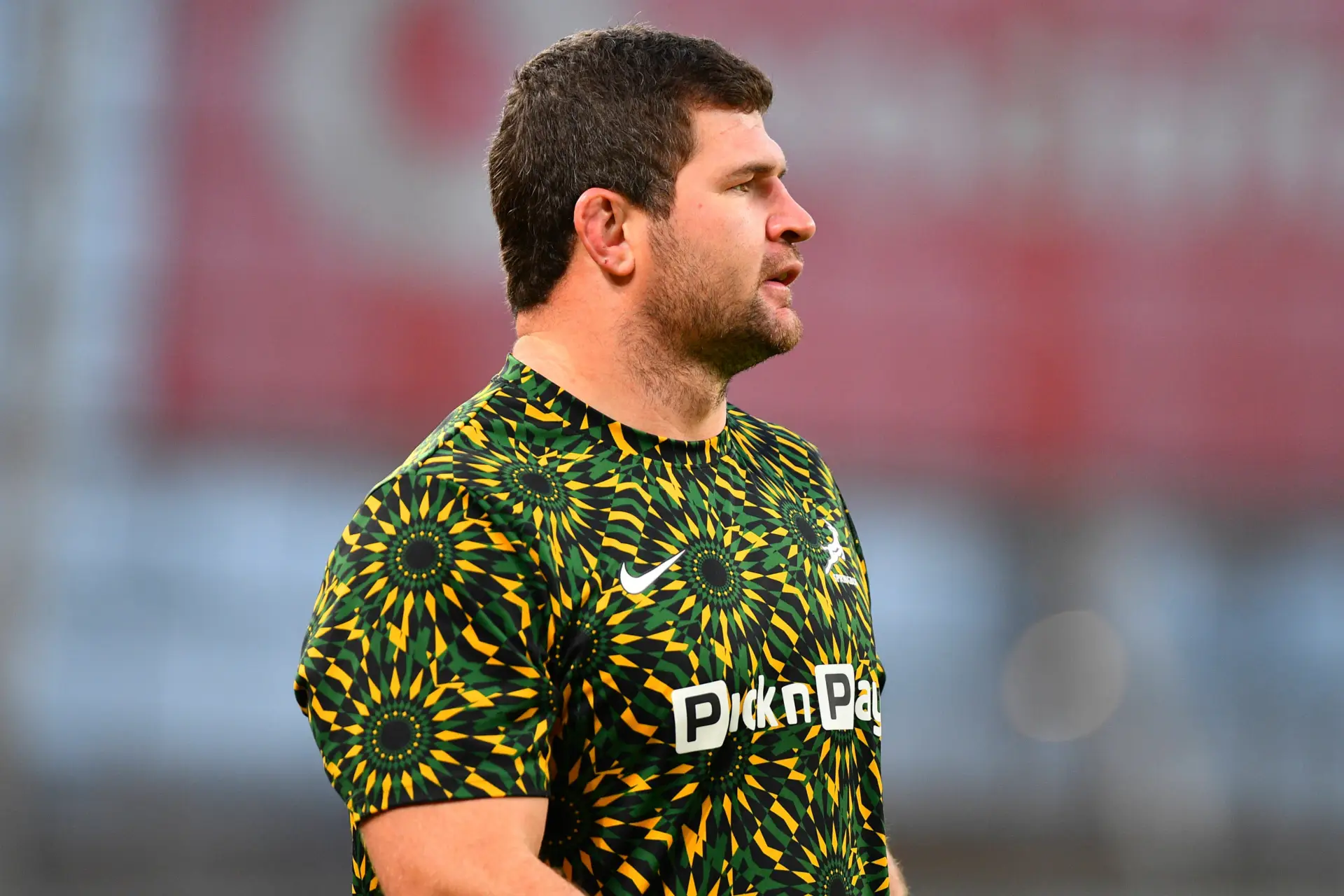
The hooker was initially sent to the sin bin for a dangerous crocodile roll on Springboks flanker Marco van Staden, with his yellow card subsequently upgraded to red.
An independent disciplinary committee upheld the decision, ruling that Sheehan had breached Law 9.20d.
The two-week suspension was deemed appropriate due to the low entry point of the offence, with Sheehan accepting the sanction.
He will miss Ireland's clash with Australia, as well as Leinster's URC fixture against Ospreys.
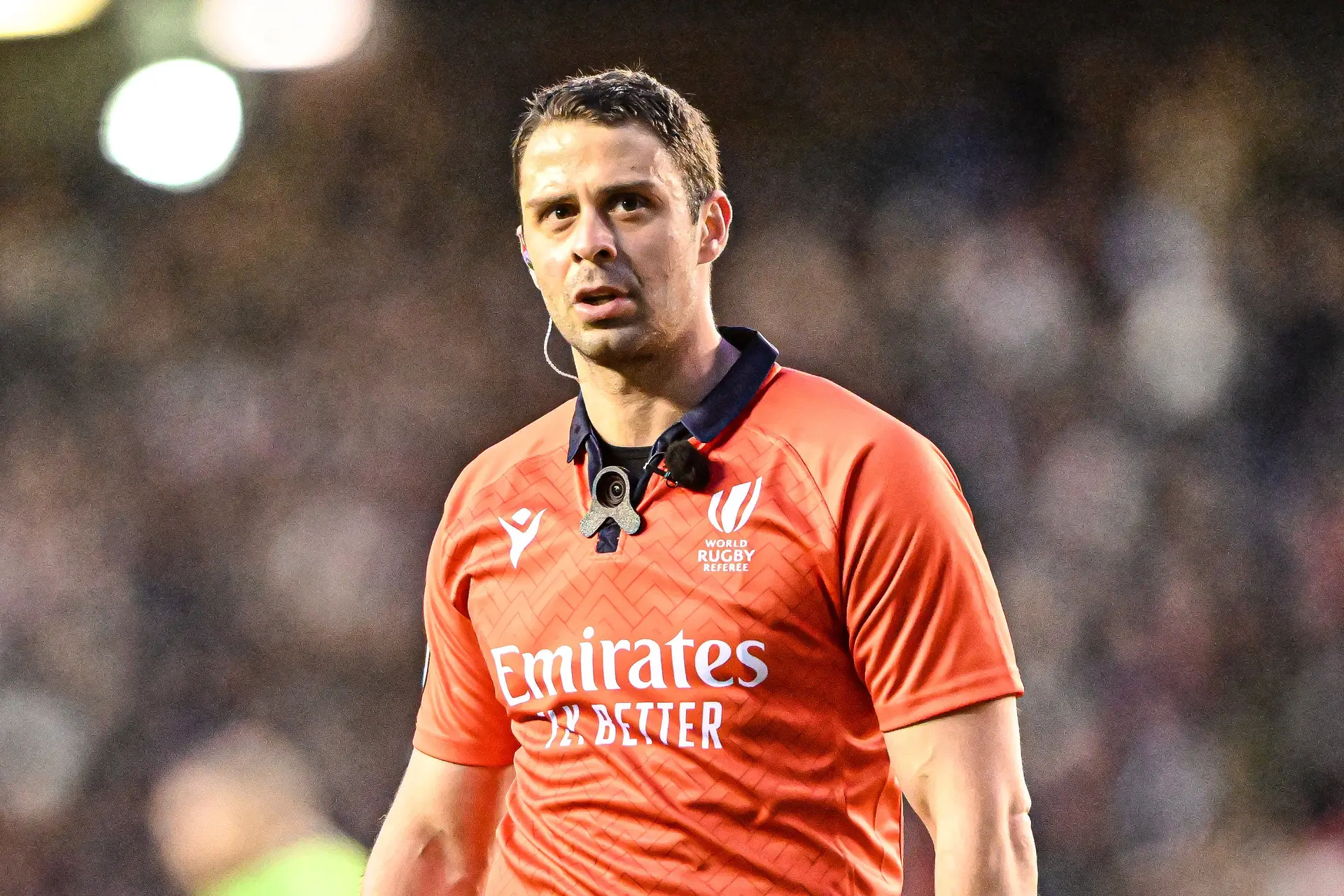
Speaking on the latest edition of World Rugby's Whistle Watch, legendary referee Owens backed the decision and explained why both incidents during the match had reached the red card threshold.
“You have got the croc roll, you have got that dangerous action. He [Sheehan] twists the body, and then he goes down and there is pressure on that lower limb which is dangerous.
“So, they would have reached that (red card) threshold, and then the clear-out as well, you have got head contact they deemed to be reckless and then that would reach a threshold as well.
“Now what happens here is the time of the game came to an end, so they [the Foul Play Review Officer] didn’t get back to the referee. This now is upgraded to a red for both players and they stay off.
“But what would happen then is the foul play review officer after the game would say, well, look, this has reached the red card threshold.
"Obviously there is a judicial process in place by the Nations Championship; they are responsible for that, and obviously the judicial process here has given a two-game ban for the croc roll (and three for the clear-out).
“So that is how the referees would have looked. Both were foul play; they both reached the threshold of dangerous play, and so you need to judge as a referee which one of those two you felt was the most dangerous.
“Or if both are the same for you, then I would assume you probably restart with the first one, which should have been a penalty to South Africa (it was and they kicked to touch).
"But definitely the outcome, [it is the] correct yellow card threshold and I would say yeah, probably reached the red card threshold.”
Owens also discussed the decision to clear Ireland fly-half Sam Prendergast following his citing against Fiji.
The 23-year-old appeared before an independent Disciplinary Committee last Tuesday after being cited for an alleged breach of Law 9.13, which relates to dangerous tackling.
The decision allowed him to face the Springboks last weekend, providing Andy Farrell with a timely boost ahead of the heavyweight encounter.
Explaining why Prendergast was free to play, Owens said:
“Basically, what has happened is they didn’t feel that it reached the red card threshold.
“Yes, you have got that grasp, you have got the swings, it is a drop tackle.
“But when it got then to the judicial to look at it, they decided, well, look, no, we don’t think that this reaches the red card threshold.
"It is a clear example of what a drop tackle is, just that it wasn’t a red card offence, hence why they said he [Prendergast] is fine to play.”
Read also
Nigel Owens: Did you know?
- Born on 18 June 1971 in Carmarthenshire, Wales.
- Began refereeing at the age of 16.
- Made his international refereeing debut in 2003.
- Became the first referee to officiate 100 Test matches.
- Refereed the 2015 Rugby World Cup final between New Zealand and Australia.
- Officiated at four consecutive Rugby World Cups.
- Named World Rugby Referee of the Year in 2015.
- Issued just three red cards and 59 yellow cards across 100 Tests.
- Retired from international refereeing in December 2020.
- Remains involved in rugby as a pundit and refereeing expert.
- Awarded an honorary doctorate by the University of Bath in 2024.