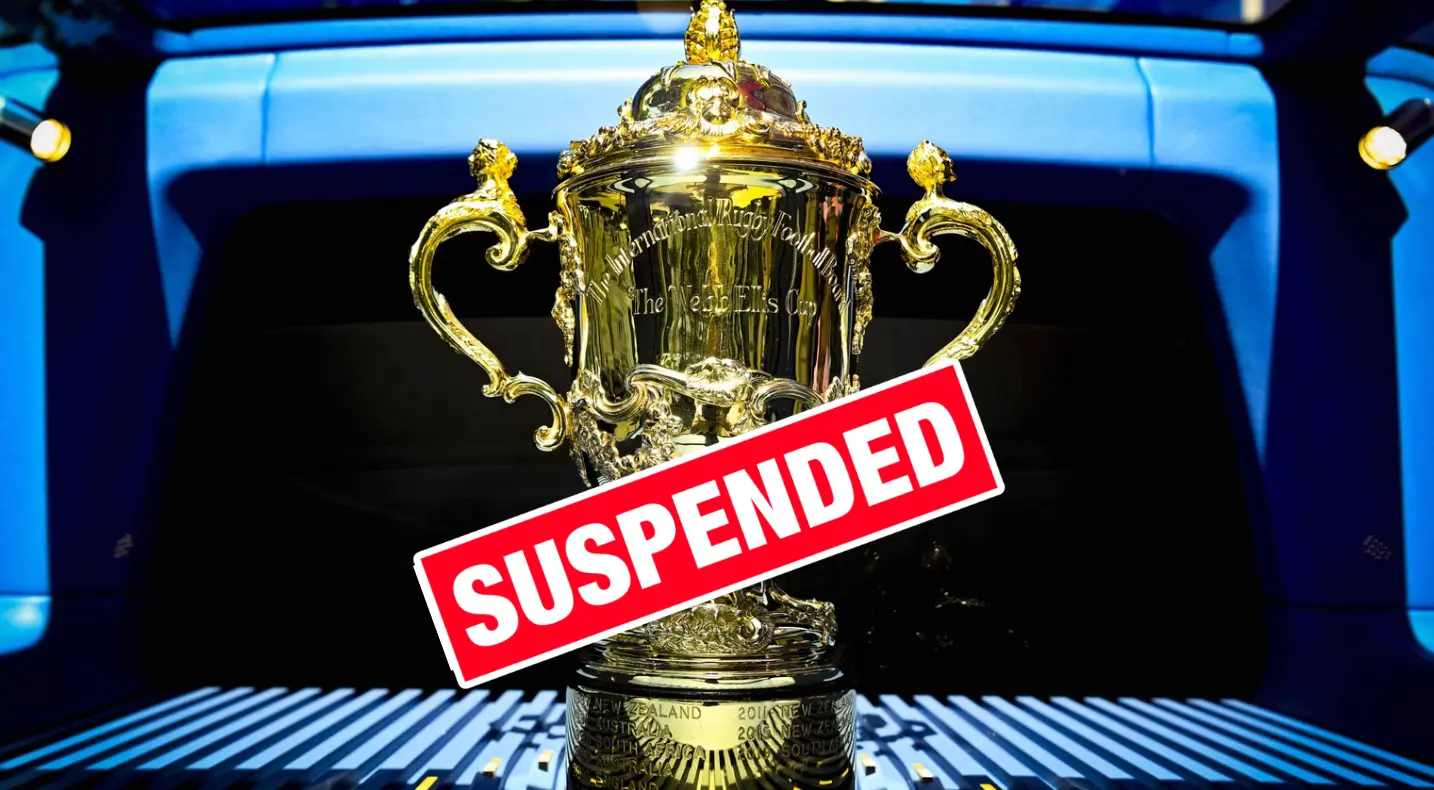

World Rugby has announced a series of law applications which will be implemented game-wide from 1 January 2023.
The guidelines, which are designed to assist match officials, players and coaches and to enhance fan experience are part of a drive by the international federation to speed up the game and reflect key outcomes of the Shape of the Game Conference in November.
With Rugby World Cup 2023 fast-approaching, the new directives are designed to support a quicker, more entertaining game while balancing safety and spectacle.
The ‘Shape of the Game’ conference was held in London in November and was attended by players, coaches, referees and representatives of World Rugby, Six Nations and Rugby Championship as well as from Argentina, Australia, England, Fiji, France, Georgia, Ireland, Italy, New Zealand, Scotland, South Africa, USA and Wales.
From 1 January 2023, the following will apply:
#1. Less TMO
Television match official intervention will be reduced in time for the men’s Six Nations as World Rugby bids to speed up the game. Referees will also be encouraged to allow fewer big-screen replays.
Match officials are reminded that the current TMO protocol is aimed at identifying and ensuring clear and obvious offences are dealt with on-field.
Davies added: “There was excellent debate at the Shape of the Game conference on this topic, including leading match officials, coaches and player representatives. It was agreed that reviews can often take too long, suggesting the offence being reviewed is not clear and obvious. While we can always enhance the technology interaction to speed up the process, the match official teams – led by the referee - should attempt to make speedier decisions and limit replays where not necessary.”
World Rugby will be working with match official managers to ensure consistent application of the process.

Referee, Pierre Brousset (France) looks to the big screen and TMO during the Heineken Champions Cup match between Exeter Chiefs and Munster Rugby at Sandy Park on 9th April 2022. Photo: Phil Mingo/PPAUK
#2. Countdown clock
Countdown clocks for kickers on television screens and in stadiums to make kickers hurry up.
The line-out is also to come under greater scrutiny. Law 18.12 states that these should be formed “without delay”.
Teams will also need to have formed a scrum within 30 seconds of the mark being made.

#3. Less breaks
The Global Law Trial on limiting the number of water carriers to two, and reducing the times they enter the field, has successfully reduced unnecessary stoppages.
However, creating set windows for water breaks has created the impression of disrupting the game, even if that water was taken during a natural stoppage (try/injury/TMO review).
Davies added: “Following discussions with stakeholders, an amendment to the current global law trial covering water carriers will allow water onto the field when a try is scored. Participating competitions and unions are reminded of the 60/90 second limits on kick times."
Only in a game with no tries, should a natural stoppage be used.
This amendment to the current trial protocol was supported by the Technical zone/ water carrier working group.
This group includes player, coach, referee and competition representatives.

Crystal Palace sponsors Ipro water bottles during the U23 Premier League 2 Division 2 match between Crystal Palace U23s v Leeds United U23s on 1st March 2021 at Crystal Palace Academy Training Ground, Beckenham.
Photo:Dan Weir/PPAUK.
Photo:Dan Weir/PPAUK.
#4. Penalising players with hands on the floor to support body weight
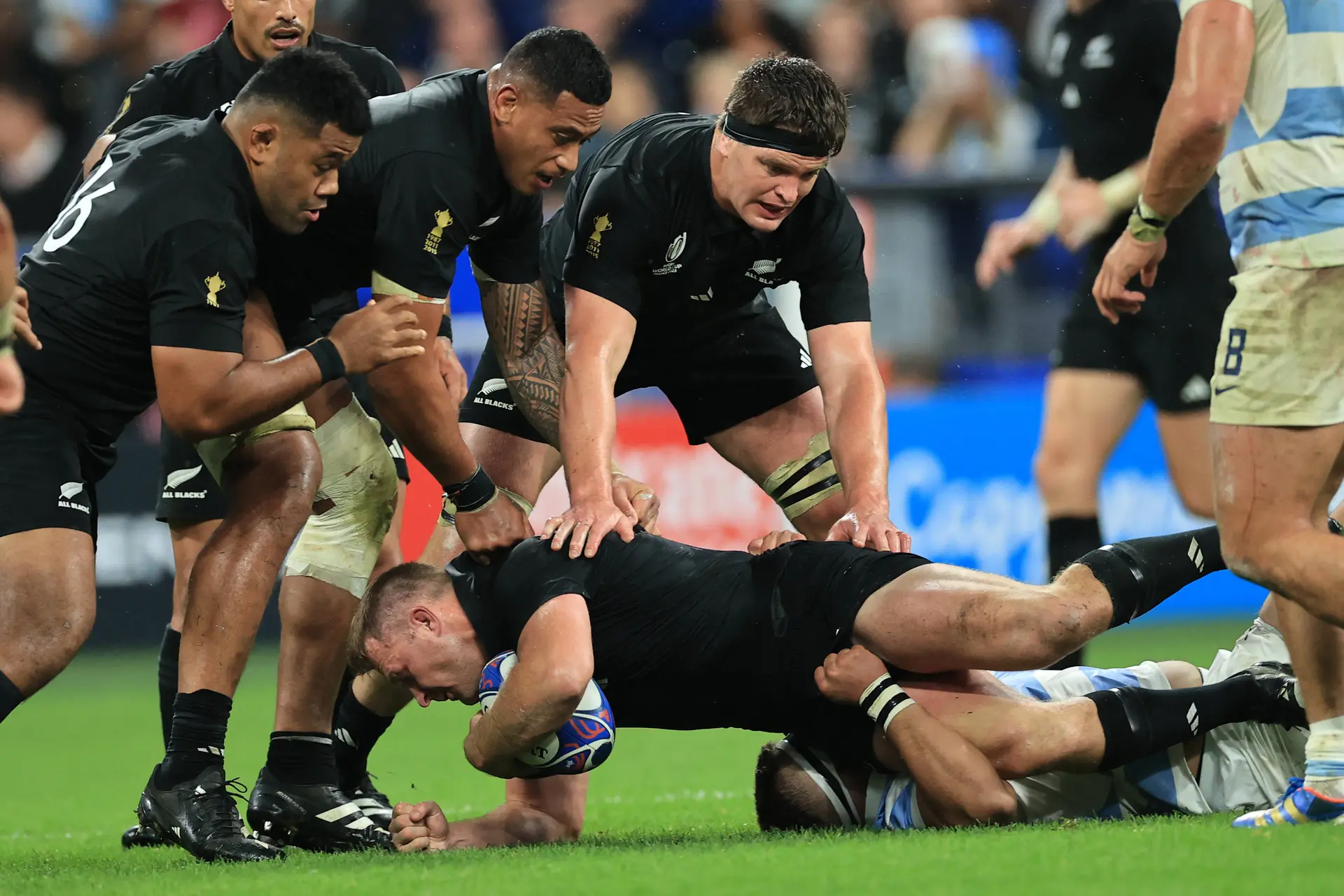
Players who put their hands on the floor at tackles, rucks and mauls are subject to sanction, although judgement can be used if the player is using the ground briefly to maintain their own balance and stability.
Law definitions and relevant clauses
- Off feet: Players are off their feet when any other part of the body is supported by the ground or players on the ground.
- On feet: Players are on their feet if no other part of their body is supported by the ground or players on the ground.
- Tackle law 14.8a Other players must: Remain on their feet and release the ball and the ball-carrier immediately, and 14.8b Remain on their feet when they play the ball.
- Ruck law 15.12: Players must endeavour to remain on their feet throughout the ruck
- Maul law 16.9: All other players in a maul must endeavour to stay on their feet.
#5. Knock-on law
What is and what isn’t a deliberate knock on often causes of debate. All participants are reminded of the following existing laws:
- 11.3 A player must not intentionally knock the ball forward with hand or arm. Sanction: Penalty.
- 11.4 It is not an intentional knock-on if, in the act of trying to catch the ball, the player knocks on provided that there was a reasonable expectation that the player could gain possession.
Players must endeavour to catch the ball. Referees are asked to show good judgement when deciding if a player has a reasonable expectation of catching and gaining possession, and then in determining a sanction.
Commenting on the latest directives, World Rugby Chairman Sir Bill Beaumont said: “As a sport, a movement and a family, we must always challenge ourselves to be better. That means taking time to consider what fans and players want the future of our sport to be, a future where more people want to play and support the game, where injury risk is reducing and where all involved in the game have their say.
“These law application guidelines are a step on the road to reimagining our sport and come directly from the Shape of the Game conference in London in November, attended by players, coaches, referees, union CEOs and competition owners. By working together, we can achieve positive outcomes. I would like to thank the match officials specifically for implementing the directives and we look forward to seeing the results.”