Jonny Wilkinson named the TENTH best player of the professional era
Rugby NewsMonday, 10 June 2024 at 20:28
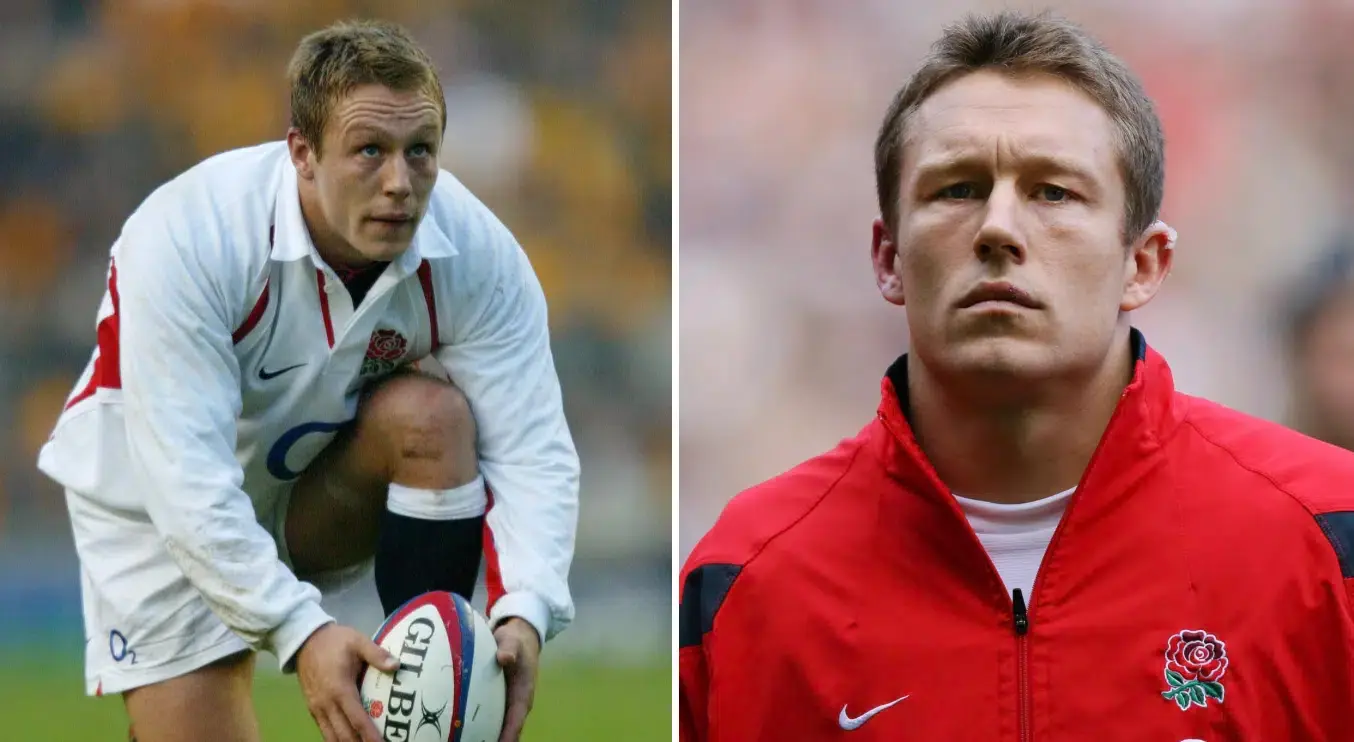

Back in 2018, Wales Online stirred controversy with their ranking of the top 50 players of the professional era, notably excluding England legends Martin Johnson, Jason Robinson, and Lawrence Dallaglio from the top 10.
Join the RUCK’s WhatsApp community here and get the latest news sent straight to your messages.
10. Jonny Wilkinson (ENG):
Wilkinson, an iconic English fly-half, is best known for his drop goal that clinched the 2003 Rugby World Cup for England. Renowned for his precise kicking, defensive prowess, and leadership, Wilkinson's career was marked by his dedication and numerous records in international rugby.
They wrote: "In some ways, you could argue Wilkinson has been the epitome of the professional era. He has set new standards in terms of dedication and an almost obsessive pursuit of perfection.
"He’s also been one of the great match winners of the era and one of the game’s greatest ever accumulators of points."

9. John Eales (AUS):
John Eales, known as "Nobody" because "Nobody's perfect," captained Australia to World Cup victories in 1991 and 1999. A lock with remarkable skill and composure, Eales was a proficient goal-kicker, earning his place as one of rugby's all-time greats.
They wrote: "It’s hard to believe now, but he scored 173 points in international rugby. An agile, athletic second row lineout ace, he was also a top-class place-kicker, who landed 65 Test shots at goal. A real ambassador for the game and a great player."
8. Shane Williams (WAL):
Shane Williams, a diminutive yet dynamic winger, became Wales' all-time top try scorer. Known for his electrifying pace, agility, and elusive running, Williams was twice named IRB Player of the Year and left an indelible mark on international rugby.
They wrote: "Named world player of the year in 2008, he ended up with 60 Test tries, leaving him fourth on the all-time list behind behind Daisuke Ohata, David Campese and Bryan Habana. He was The Great Entertainer."
7. Tim Horan (AUS):
Tim Horan, a brilliant center for Australia, was a key player in the Wallabies' World Cup triumphs in 1991 and 1999. Renowned for his vision, passing, and defensive skills, Horan's career is celebrated for his consistency and leadership on the field.
They wrote: "Possessed pace, balance, great ball skills and courage, with his attacking prowess, formidable defence and play-making ability marking him out as one of the finest centres the game of rugby has ever seen. Scored 40 Test tries at a rate of one every other game."
6. Sergio Parisse (ITA):
Sergio Parisse, an iconic Italian number eight, is celebrated for his exceptional skill set, leadership, and longevity. Representing Italy over 140 times, Parisse's versatility and commitment have made him one of the most respected figures in international rugby.
They wrote: "The Argentinian-born No.8 has been a key figure for the Azzurri since making an eye-catching debut as an 18-year-old against New Zealand in 2002.
"Big and strong, he has the size to make holes in any defence, but also has hands to die for and the subtlety to execute passes out of the back of his hand as though he were a fly-half. Add to that an astute brain for the game and an absolute refusal to bend the knee and you have pretty much the complete rugby player."
5. Joost van der Westhuizen (SA):
Joost van der Westhuizen, a legendary South African scrum-half, played a pivotal role in the Springboks' 1995 World Cup victory. Known for his physicality, speed, and competitive spirit, he is remembered as one of rugby's finest players.
They wrote: "Aggressive and fearless, he was arguably the finest running scrum-half the game has ever seen, scoring 38 tries in 89 Tests, a remarkable tally for a No 9."
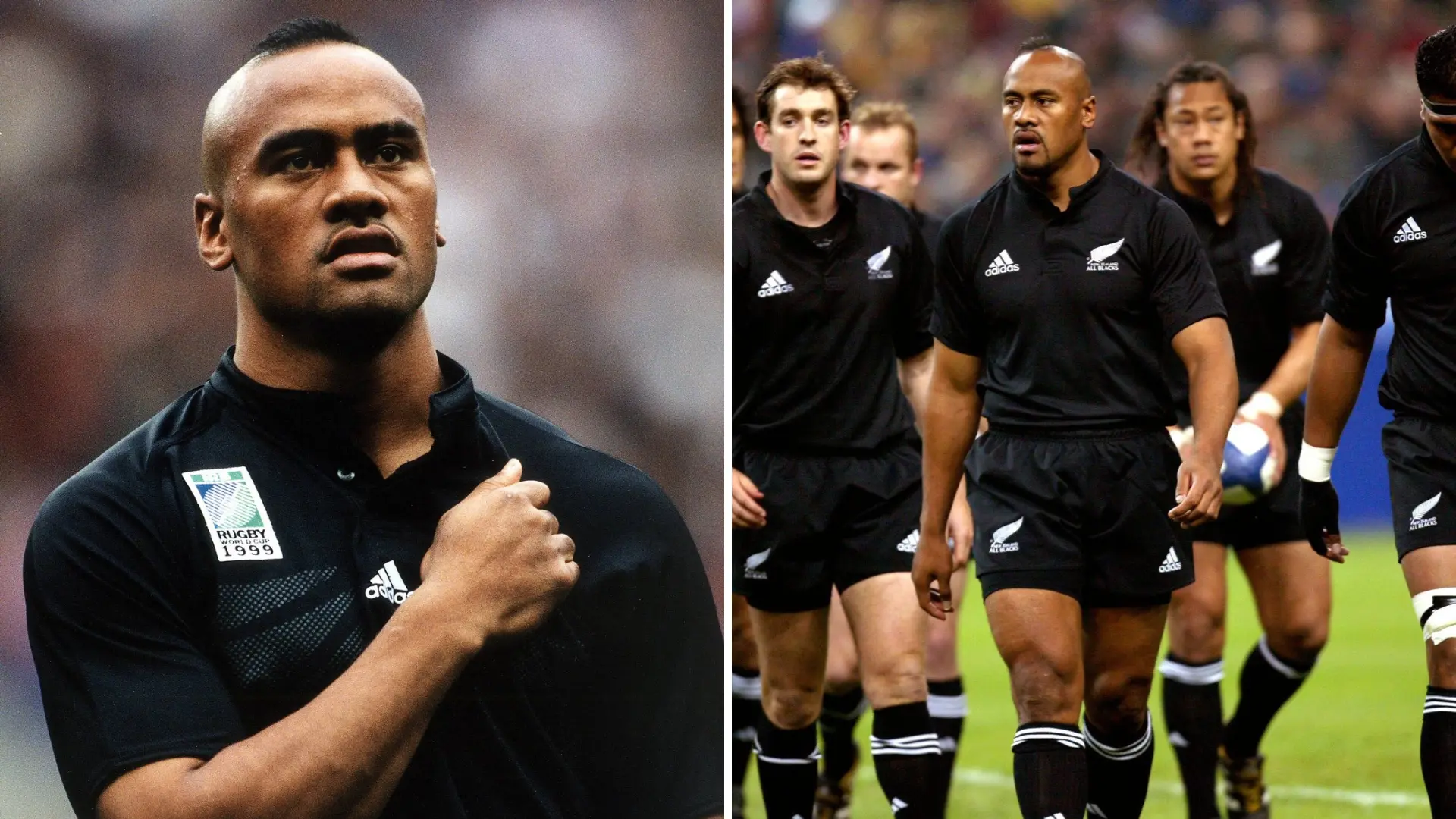
4. Jonah Lomu (NZ):
Jonah Lomu, a towering New Zealand winger, revolutionized rugby with his blend of size, speed, and power. His performances in the 1995 World Cup made him a global superstar, and he remains one of the sport's most iconic figures.
3. Brian O’Driscoll (IRE):
Brian O’Driscoll, a legendary Irish center, is celebrated for his creativity, skill, and leadership. Ireland's all-time leading try scorer, O’Driscoll captained his country and the British & Irish Lions, leaving a lasting legacy in international rugby.
They wrote: "Holds the Six Nations record for most tries with 26 and was chosen Player of the Tournament in the 2006, 2007 and 2009, leading Ireland to one Grand Slam and three Triple Crowns. Europe’s finest."
2. Dan Carter (NZ):
Dan Carter, a phenomenal New Zealand fly-half, is revered for his exceptional playmaking, tactical kicking, and scoring ability. A two-time World Cup winner, Carter's illustrious career includes numerous records and accolades, cementing his status as one of rugby's greatest players.
They wrote: "There was to be injury-enforced World Cup frustration in 2007 and 2011, but he ended his Test career on the perfect note as he produced a Man of the Match display in the 2015 final to guide the All Blacks to glory. A fitting farewell."
1. Richie McCaw (NZ):
Richie McCaw, a legendary New Zealand flanker, captained the All Blacks to two World Cup victories. Renowned for his leadership, work rate, and tactical acumen, McCaw is widely regarded as one of the greatest players in rugby history.
They wrote: 'He could easily have taken up a lucrative contract in France, but that’s not his style. “I really had no desire to play overseas. To go and play rugby just to earn a fat cheque really didn’t spin my wheels. If I felt I could continue to play, I would stay right here in New Zealand.” Classy until the end. Richie McCaw - the single most influential player to play the game of rugby in the professional era and a deserved number one.'
TRENDING

LATEST NEWS
LATEST COMMENTS
- Jordie Barrett over Damian de Allende is far from being correct. The hype around Dupont is also overreaching, he's probably 4th in the world and has been since the 2023 WC. He also avoids certain matchups which is strange. The rest of the list is pretty good apart from minor subjective biases.JasonMarlow16-09-2026
Loading