Maro Itoje reveals sad reason he refused to watch England this summer
Rugby NewsWednesday, 02 September 2026 at 20:54
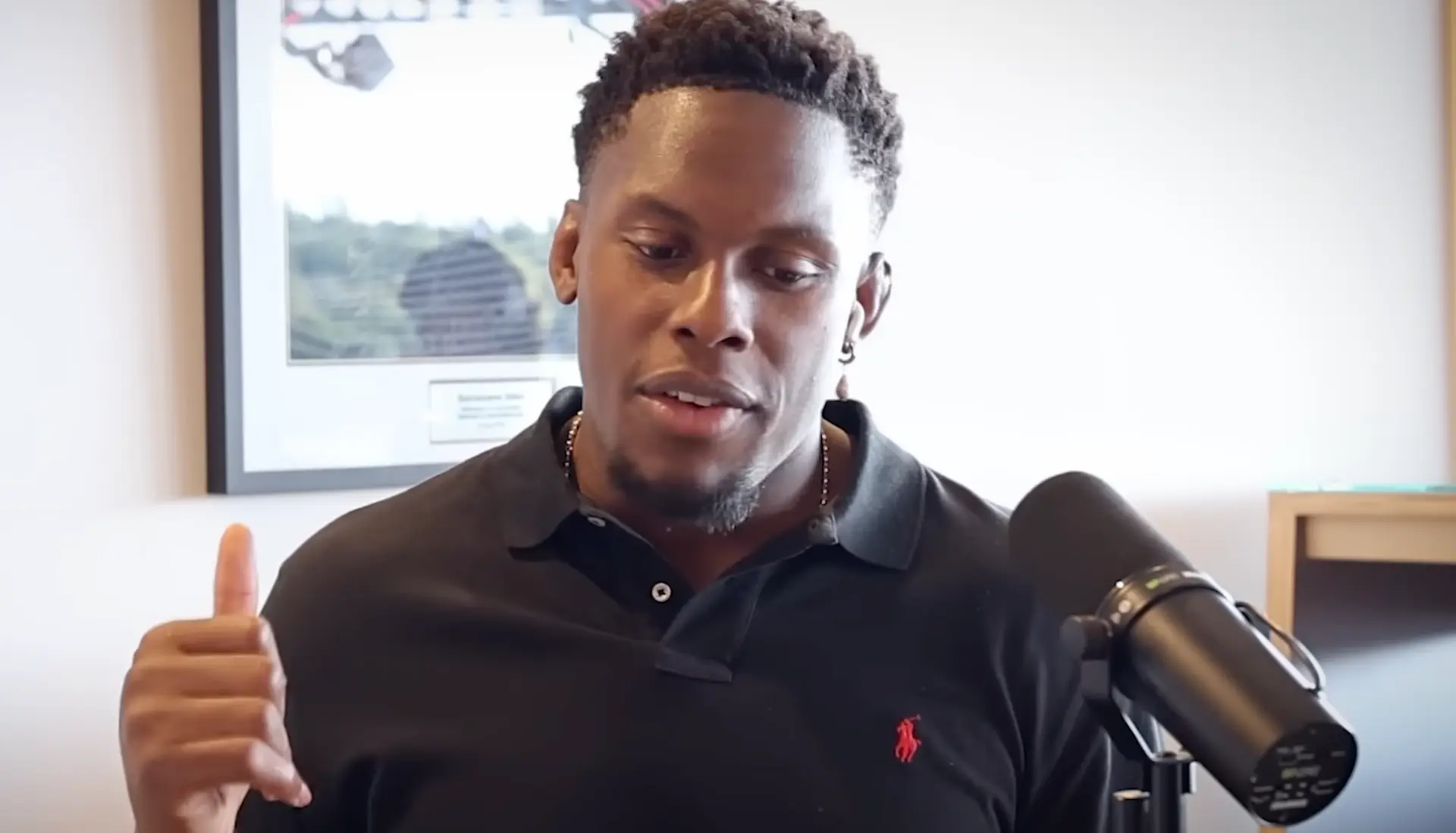
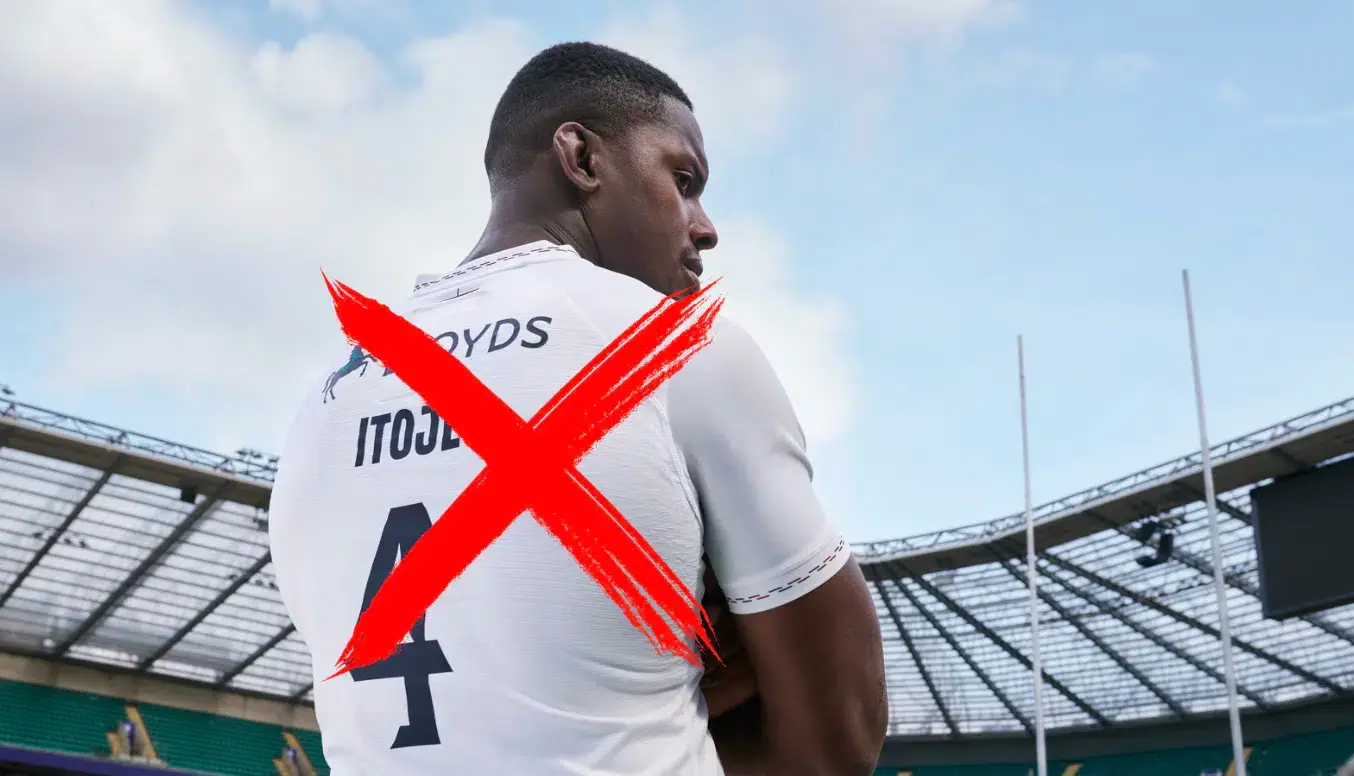
Maro Itoje has opened up on his decision to take the summer off from England duty, and has hinted that other players may want to follow his path.
The England captain agreed with Head Coach Steve Borthwick and Head of Performance Phil Morrow that he would sit out all three of England's Nations Championship fixtures against South Africa, Fiji and Argentina following a demanding season.
England won two of those matches against Fiji and Argentina, but were comfortably beaten by the Springboks in South Africa.
For Itoje, however, the summer was about properly recovering after years of intense rugby and a difficult year off-field.
The 31-year-old has suggested that more England players could benefit from a similar approach, with the All Blacks' sabbatical system providing an example of how international players can take time away from the Test arena before returning to their national side.
New Zealand allow leading players to spend time abroad, giving them the opportunity to step away from the demands of international rugby before returning to the squad.
Itoje believes the modern rugby calendar means players are increasingly being denied a genuine off-season.
"That cost of that [being relatively injury free] is that you don't have a break or the breaks that you do have are very short.
"Internationals now, they have their five or six weeks off, then they come back and in three to four weeks they'll be playing their first Prem game.
"In order for you to come back in the shape that is required to help your team progress, you need to train during your off-season. So the intended purpose of your off-season then changes, it turns into a mini-camp. It essentially removes the rest from the off-season, so I do think things like this are necessary and helpful."
The lock revealed that he had not previously considered taking an extended break from England before Borthwick and Morrow raised the possibility.
Itoje believes his last full pre-season came in 2014, while he almost completed a full pre-season the following year before spending two weeks with England's World Cup squad.
He admitted the idea of a rest initially caught him off guard.
"I was taken aback initially. Mainly because it had never entered my mind, it was never something that I thought was an option… We didn't make any decisions there and then, I reflected on it and thought about it, then the more I thought about it, the more I agreed with it."
The decision was ultimately made after the Six Nations, giving Itoje the chance to step away from the England environment and focus entirely on recovery.
Itoje's decision could potentially open the door for other senior England players to consider similar breaks in the future.
The All Blacks have used sabbaticals as a way of managing the workload of their leading internationals, while South Africa have also benefited from players spending periods of their careers in Japan.
The Japanese game can offer international players a different physical workload, allowing them to continue playing while potentially giving their bodies more opportunity to recover.
Itoje, however, does not believe England should simply introduce a blanket policy.
Instead, he feels the decision should depend on the individual player, their injury history and the physical and mental demands they have experienced.
"It's very much a case-by-case. I was fortunate to have a reasonable good injury track record, if I had a few big injuries where I missed a few months of a season, then I may feel differently. It's hard to have a blanket approach, different players carry mental and physical load differently.
"Players who have the blessing and fortune to be at the top of the game for a period of time, in order to keep them at the top of their game, then maybe a proactive, like me, approach rather than a reactive one, I think is a good thing."
The England captain also revealed just how seriously he took the opportunity to switch off from international rugby.
Itoje did not watch any of England's Nations Championship matches live, instead choosing to catch up with them retrospectively once the final whistle had been blown.
While he continued to follow the scores and knew how England were performing, he deliberately avoided the emotional investment that comes with watching a live Test match.
"I actually didn't watch any of the games live, I watched them in retrospect.
"Partially because I wanted to remove some of the emotion from watching it. Because that's the beauty of live sport, when you watch a game live you're in every nook and cranny, every tackle but that probably has a hidden emotional weight."
The decision highlights the extent to which Itoje wanted to disconnect from the England environment during his break.
Rather than following every tackle and result as they happened, he gave himself the chance to properly switch off before eventually returning to the international setup.
With England's workload continuing to be a major talking point, Itoje's summer sabbatical could now lead to a wider debate over whether other senior players should be given similar opportunities to step away before burnout or injury becomes an issue.
EDITORS PICKS:
- Nigel Owens named Carter and McCaw in his best XV of players he refereed
- Duane Vermeulen to replace Rassie Erasmus as next Springboks boss
- Northampton make Henry Pollock stance clear after stunning £1m claim
- Hollie Davidson quit lucrative career and took 50% pay cut to follow rugby dream
- All Blacks vs Springboks referee changed AGAIN ahead of third Test
TRENDING



LATEST NEWS

LATEST COMMENTS
- Jordie Barrett over Damian de Allende is far from being correct. The hype around Dupont is also overreaching, he's probably 4th in the world and has been since the 2023 WC. He also avoids certain matchups which is strange. The rest of the list is pretty good apart from minor subjective biases.JasonMarlow16-09-2026
Loading