Rugby to Trial Green Card — But You’ll Be Surprised When It’s Shown
Rugby NewsSunday, 26 October 2025 at 14:09
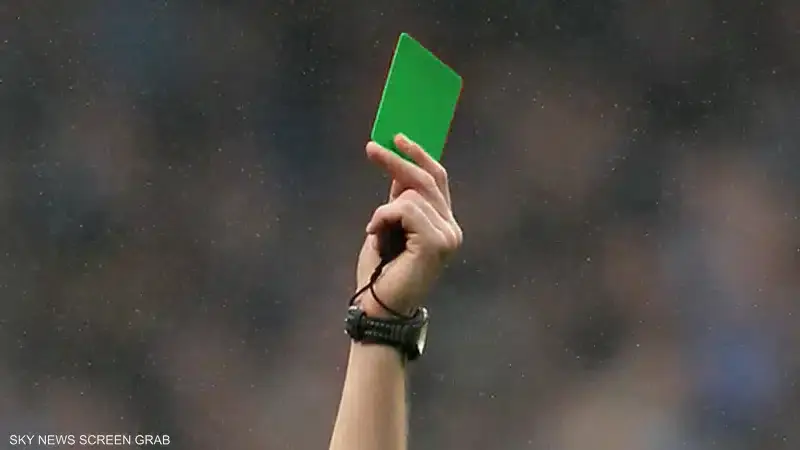

Rugby league has made a notable tweak to its rules with the introduction of a
green card — and it’s already stirring up debate across both codes.
Join RUCK’s Instagram broadcast channel and get the latest rugby news straight to your phone.
The green card, first brought in back in 2022, has now been expanded to apply to both attacking and defending players. Previously, only defenders could be shown the card.
Under the rule, when a referee shows a player the green card after receiving on-field medical treatment, that player must leave the pitch for two minutes before being allowed to return.
The aim? To crack down on time-wasting and tactical injury stoppages, keeping the game flowing and fair.
While some praise the move as a smart deterrent against gamesmanship, others fear it could unfairly punish players with genuine knocks.
Still, the idea raises an intriguing question for the 15-man code — could rugby union benefit from a similar approach?
With the sport’s increasing focus on speeding up play and enhancing spectator experience, it might not be such a wild idea.
The Four Cards Used in Rugby: Blue, Yellow, Orange & Red Explained
Here’s everything you need to know about all four cards used (or trialled) in modern rugby.

? Yellow Card
“Ten minutes in the bin”
The yellow card is the most common sanction for offences more serious than a standard penalty but not severe enough to warrant a red card. When a player receives a yellow, they are sent to the sin bin for 10 minutes, and their team must play with one fewer player during that time.
Typical reasons for a yellow card:
- Repeated team infringements
- Professional fouls (like killing the ball near the try line)
- Dangerous tackles without malice
- Deliberate knock-ons
- Cynical play preventing a scoring opportunity
If a player receives two yellow cards in the same match, it automatically results in a red card.
The yellow card strikes a balance — it’s a warning and a punishment that can completely change the flow of a game.
? Red Card
“You’re off — and you’re not coming back”
A red card is the most serious punishment a referee can issue. It means a player is sent off for the remainder of the match and cannot be replaced (though some competitions now allow a replacement after 20 minutes).
Offences that usually result in a red card include:
- Dangerous or reckless tackles (especially involving the head or neck)
- Striking, stamping, or kicking an opponent
- Serious foul play
- Verbal or physical abuse of officials
- Repeated misconduct after prior warnings
In recent years, rugby authorities have trialled a 20-minute red card, allowing a substitute after that period to maintain the balance of the contest while still punishing the offence.
The red card remains a powerful deterrent — the ultimate signal that safety and respect come first.
? Blue Card
“You’re off for your own safety”
The blue card isn’t a punishment — it’s about player welfare.
Introduced in some domestic competitions (particularly in New Zealand and Australia), the blue card is shown when the referee or medical staff suspect a player has suffered a concussion or head injury.
When shown a blue card, the player must leave the field immediately and cannot return to play in that match. It also triggers a mandatory medical protocol, meaning the player must be assessed and complete a graduated return-to-play process before being cleared for future matches.
The blue card is one of rugby’s most important modern developments — a clear sign that protecting players’ brains is now a top priority.
? Orange Card
“The new middle ground”
The orange card is the newest and most experimental concept in rugby’s card system. It’s designed to fill the gap between yellow and red — for offences that are more serious than a yellow but not quite clear-cut red territory.
When a referee shows an orange card, the player is temporarily sent off for around 15–20 minutes. After that time, the team can bring on a replacement, but the original offending player cannot return.
The orange card gives referees flexibility in borderline situations — such as accidental high contact or reckless but not malicious challenges — where a full red might feel too harsh but a yellow not strong enough.
Currently, the orange card is being trialled in competitions like France’s Top 14 and Pro D2, and could become part of the global game in the future.
⚖️ Summary: What Each Card Means
| Card | Colour | Purpose | Outcome |
|---|---|---|---|
| Blue | ? | Player welfare – suspected concussion | Player removed, cannot return; medical assessment required |
| Yellow | ? | Moderate offence or repeated infringements | 10-minute sin bin |
| Orange | ? | Between yellow and red – experimental | 15–20 min exclusion; replacement allowed after |
| Red | ? | Serious foul play or misconduct | Player sent off for rest of match; possible ban |
Final Thoughts
The introduction of blue and orange cards shows how rugby is evolving. The game is becoming more mindful of player safety, head injury protocols, and fair competition.
From the sin bin to full send-offs, and now welfare-based removals, the four-card system gives referees the tools they need to protect players and maintain the integrity of the sport.
Rugby’s message is clear: play hard, play fair, and play safe.
TRENDING






LATEST NEWS






LATEST COMMENTS
- Jordie Barrett over Damian de Allende is far from being correct. The hype around Dupont is also overreaching, he's probably 4th in the world and has been since the 2023 WC. He also avoids certain matchups which is strange. The rest of the list is pretty good apart from minor subjective biases.JasonMarlow16-09-2026
Loading