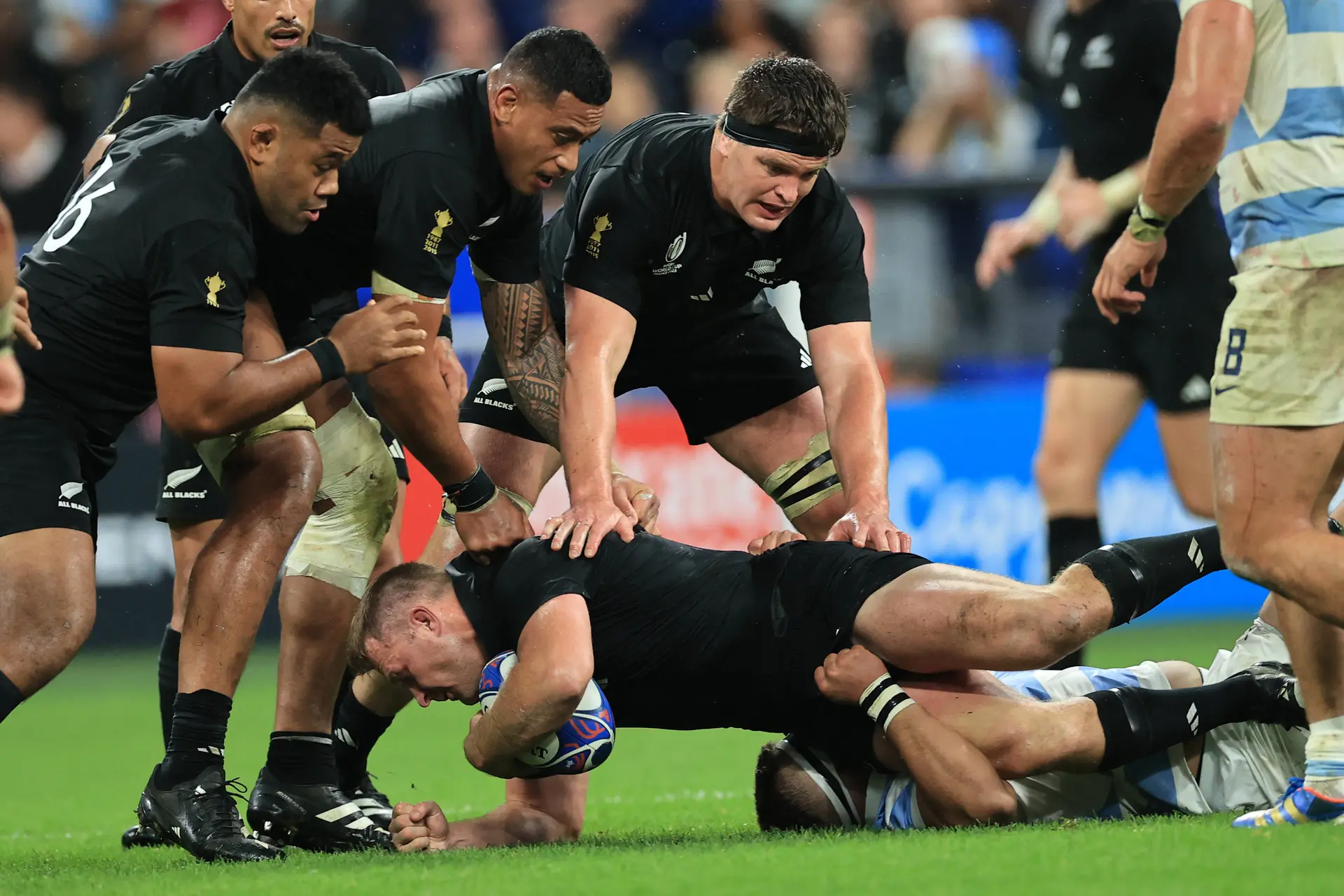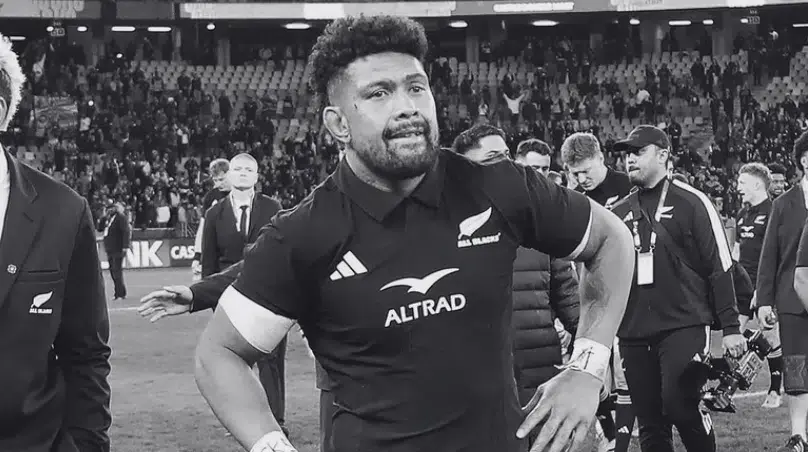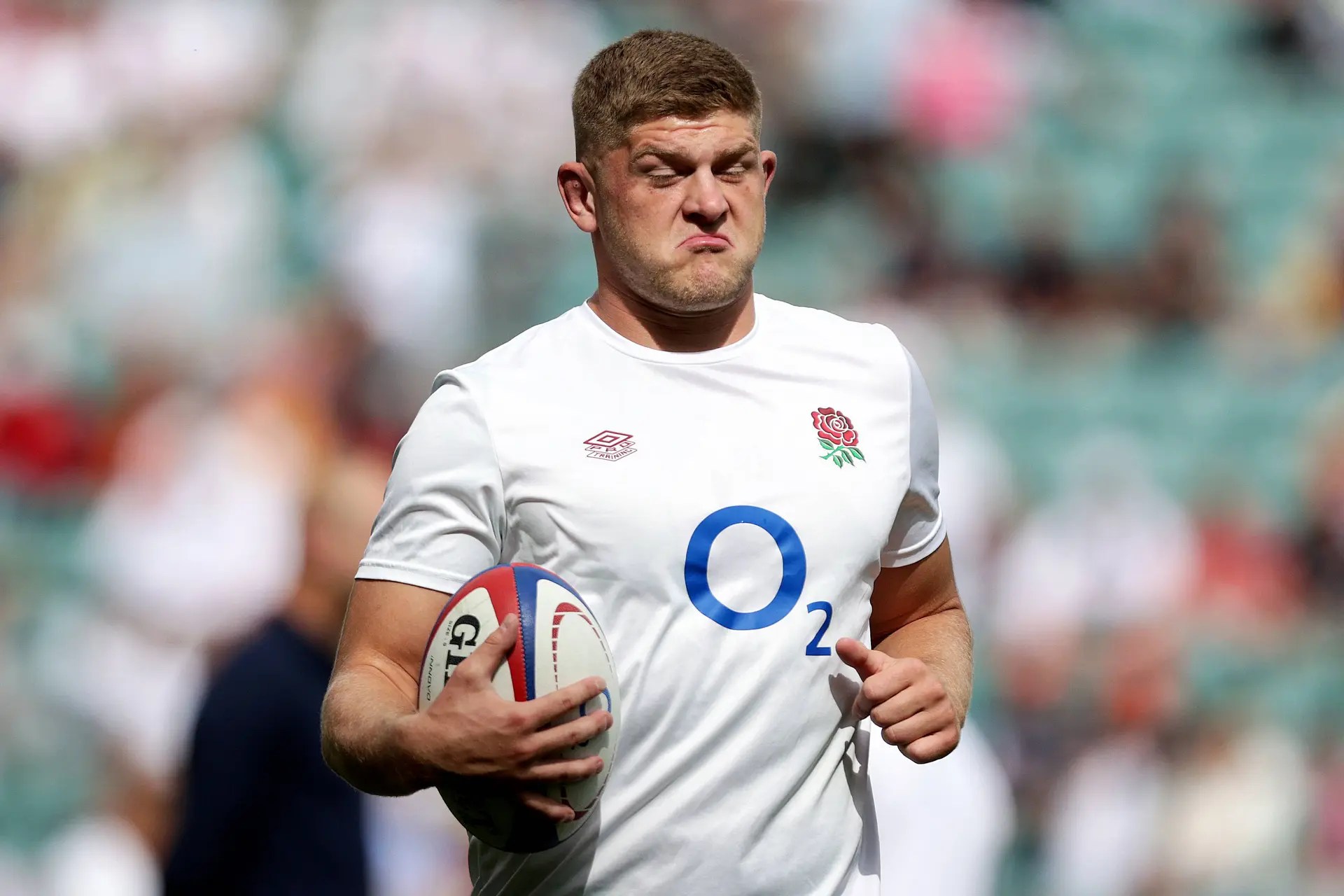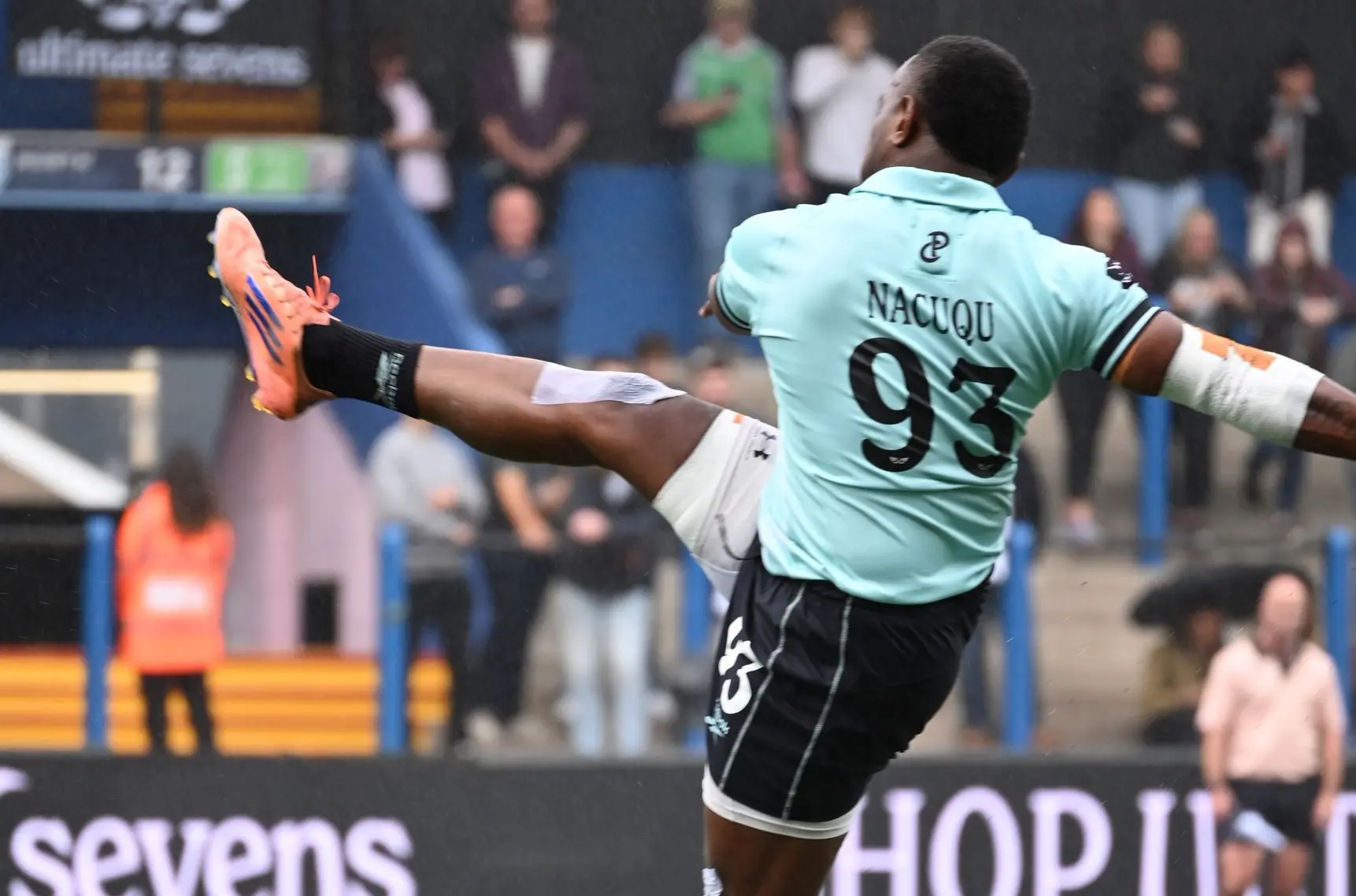

Former England hooker Brian Moore advocates for a radical shift in rugby, suggesting a ban on non-injury replacements to address the sport's size dilemma.
In his view, Bordeaux's triumph over Saracens on Saturday underscores the prevalence of sheer physicality over finesse, a trend detrimental to rugby's future aspirations.
Currently, rugby teams can make as many as eight changes during a match and the bench has become increasingly influential on deciding matches.
Writing in the Telegraph, Moore began: "How many forwards does it take to win a game at the very highest levels of rugby? This used to be a simple question; it was eight.
With the current trend of coaches picking a substitutes’ bench with a 6-2 or even 7-1 split of forwards and backs, the answer could be anything between eight and 15."
He continued: "When it comes to longer term effects, what do you think parents think when they see this rush for size? From direct experience, I can tell you they think this sort of imbalance exists at every level and this dissuades some parents from allowing their kid even to try rugby.
"Restricting the number of substitutes, or banning them save for injury, is one way of forcing players to train to play for longer periods and to shed bulk for aerobic capacity.
"We are heading for a point where certain levels of rugby are not for all shapes and sizes, unless you mean the shape and size is huge and heavy."
JONAH LOMU'S TOUGHEST OPPONENT:
4. Joost van der Westhuizen (South Africa)
South African rugby legend, known for his exceptional skills as a scrum-half. Van der Westhuizen captivated fans with his speed, agility, and tactical brilliance. A key figure in the Springboks' 1995 Rugby World Cup triumph, his legacy continues to inspire generations of rugby fans.
JONAH LOMU SAID: "Such an honour to have played against him. Still not sure how he made that tackle on me during the 1995 final (Rugby World Cup). I just looked down and my legs were gone."
DID YOU KNOW? He was inducted into the International Rugby Hall of Fame in 2007

3. Martin Johnson (England)
Towering presence in English rugby, renowned for his leadership and uncompromising style as a lock forward. Johnson's imposing stature and tactical acumen made him a formidable force on the pitch. Captaining England to Rugby World Cup victory in 2003 solidified his status as a true rugby legend.
LOMU SAID: "Few players demanded respect on the field like him. A great guy off the field too."
DID YOU KNOW? In 1990 he was even selected for the New Zealand under-21 side which went on a tour of Australia

2. Tim Horan (Australia)
Australian rugby icon celebrated for his versatility and strategic brilliance on the field. Horan's illustrious career saw him dominate as a centre, earning him accolades as one of the greatest players of his generation. A key figure in Australia's Rugby World Cup victories in 1991 and 1999.
LOMU SAID: "Horan was one of the best backs I’ve ever seen."
DID YOU KNOW? As well as inside centre, Horan also played fly-half and earned one international cap on the wing
1. Emile Ntamack (France)
French rugby maestro known for his electrifying pace and dazzling footwork as a winger. Ntamack's flair and skill mesmerized audiences, establishing him as one of France's finest rugby talents. A key player in Les Bleus' successes during the 1990s, his influence on the game endures as an inspiration.
JONAH LOMU SAID: "He's my toughest opponent for sure,”
“When your taught to defend against someone you’re told to watch his hips because it’s the one place on the body when you’re running that stays in one place,
“The problem with Émile was his whole body shifted, including his hips, meaning when he ran he swayed from side to side so I was always like what the hell am I going to do here. He was also really fleet-footed."
DID YOU KNOW? His oldest son Romain Ntamack is also a professional rugby union player like his uncle and dad since 2017.