South African rugby’s anti-doping procedures are back under scrutiny following fresh revelations about the Springboks’ series against the All Blacks.
The reports emerge just days before South Africa face France in the inaugural Nations Championship final at Allianz Stadium.
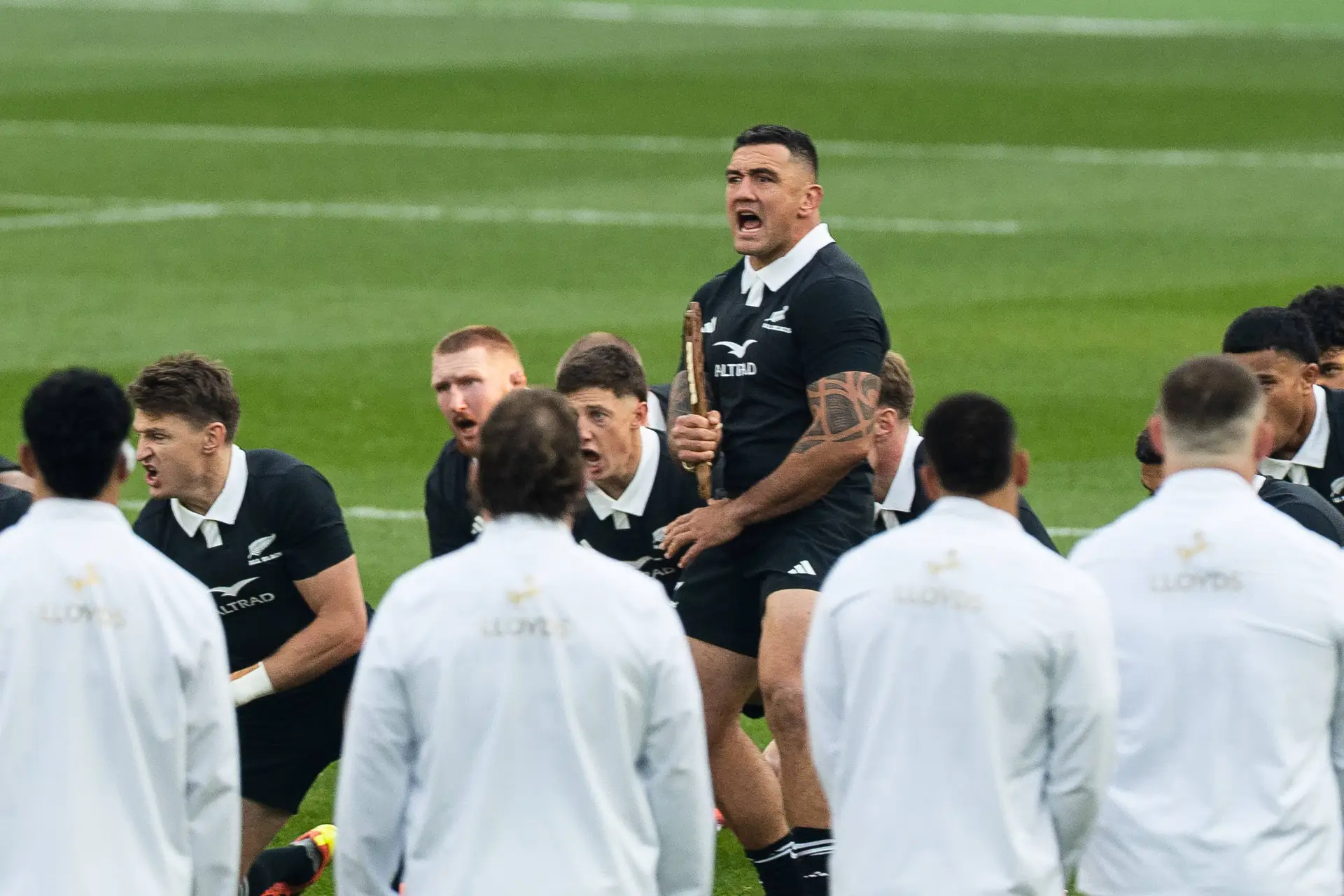
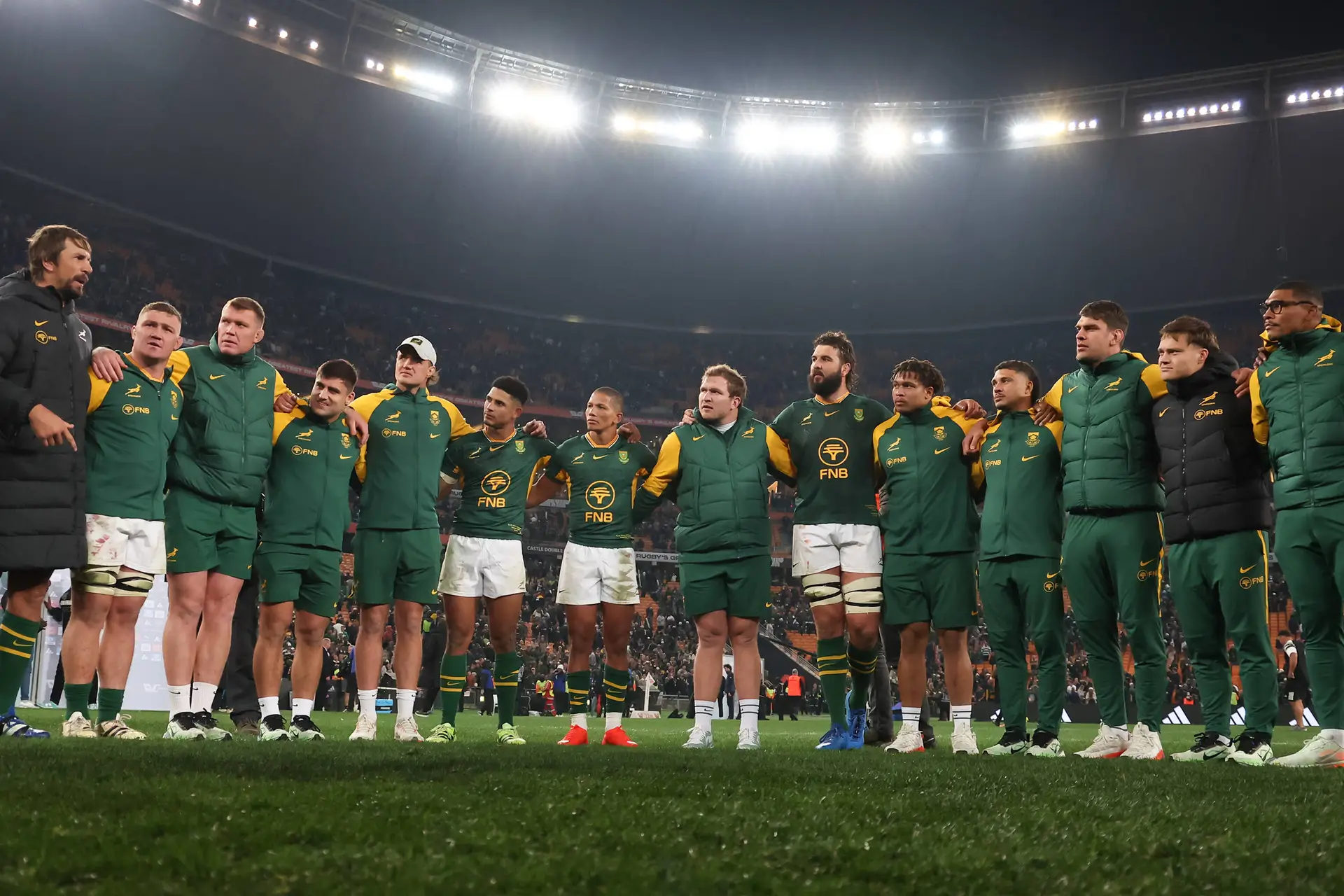
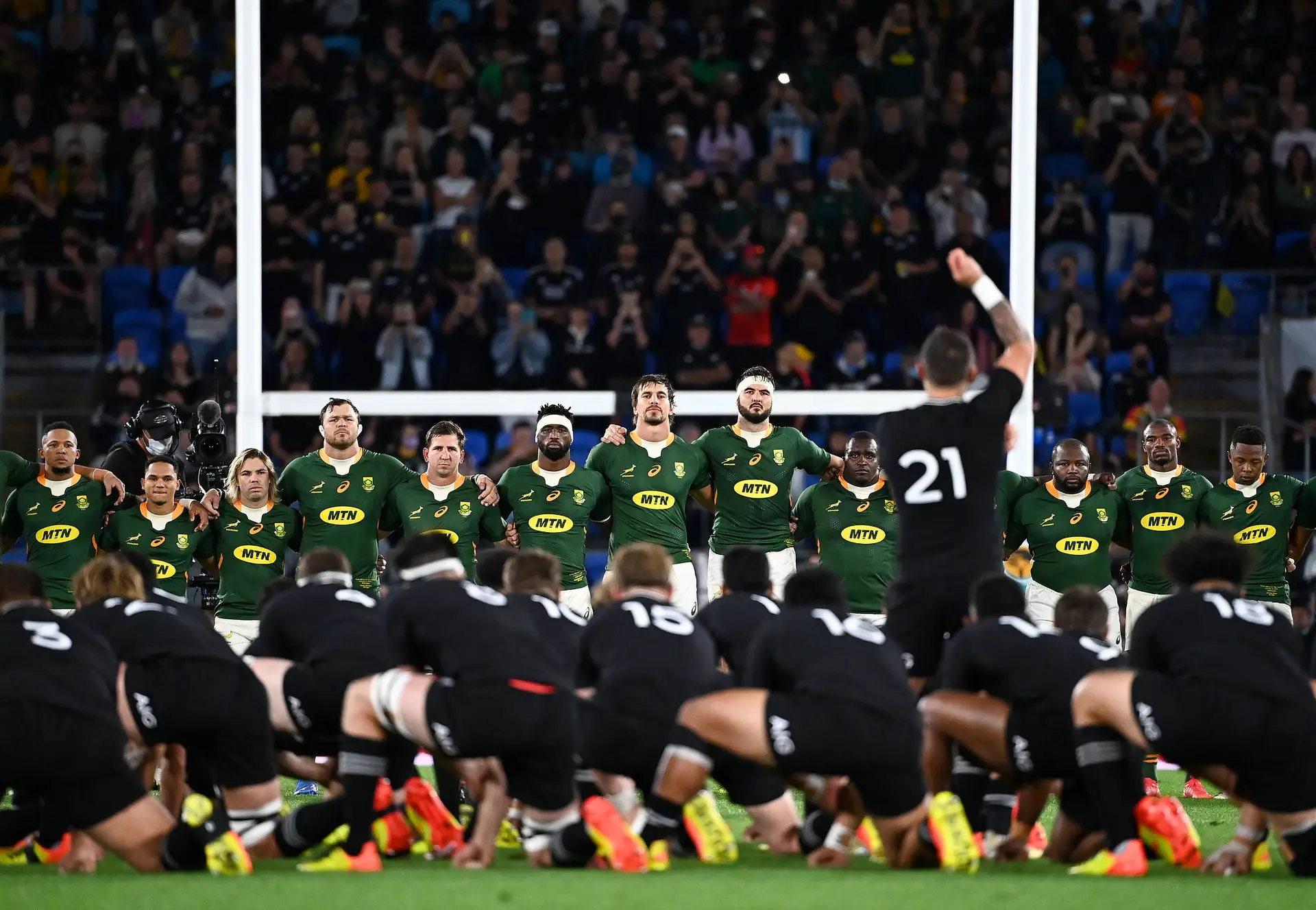
An investigation by The Times has revealed that not a single random post-match drug test was conducted across the eight fixtures that made up Rugby’s Greatest Rivalry tour.
Almost 170 players featured during the seven-week tour, which included four provincial matches and four Tests.
New Zealand Rugby also confirmed that its players were not tested at any stage of the trip, either at matches or away from the pitch.
Rugby drug testing explained
The South African Institute for Drug-Free Sport (SAIDS) was handed responsibility for the tour’s testing programme.
However, the agency said its focus was on testing players outside competition ahead of the series.
World Rugby could have requested additional testing during the tour, but SAIDS said no such request was received for the South African fixtures.
SAIDS chief executive Khalid Galant explained that testing after every match was not compulsory and argued that testing away from matches was less predictable.
Crucially, no anti-doping regulations were reportedly breached.
South African drug testing down 70 per cent
The revelations come alongside a separate investigation by Telegraph Sport, which has highlighted a significant decline in domestic testing.
Figures published by SAIDS show the number of rugby drug tests conducted by the agency:
- 2015/16: 753
- 2024/25: 166
- 2025/26: 225
Although testing has increased over the past year, it remains around 70 per cent below the level recorded a decade ago.
One major factor has been the loss of South Africa’s accredited anti-doping laboratory, forcing samples to be sent overseas at greater expense.
The figures also do not include separate tests conducted by World Rugby or other national anti-doping agencies.
Previous high-profile bans
Former Springboks S’busiso Nkosi and Elton Jantjies received three-year and four-year suspensions respectively in 2024.
Earlier this year, Springbok prop Asenathi Ntlabakanye received an 18-month ban, although a disciplinary panel determined his violation was not intentional.
Those individual cases do not establish evidence of systematic doping within the national team.
World Rugby responds
World Rugby has defended its anti-doping programme, explaining that leading international players are subject to unannounced testing throughout the year.
That includes testing at training grounds, team hotels and players’ homes.
Indeed, members of the Springboks squad were reportedly tested at their London hotel on Wednesday ahead of Sunday’s final.
Players based overseas are also subject to testing through the relevant national anti-doping programmes.
There is no suggestion of wrongdoing by the Springboks or All Blacks during their recent series.
However, the absence of post-match testing during one of rugby’s flagship events raises legitimate questions about the responsibilities, funding and consistency of the sport’s anti-doping programmes.