/
Scotland head coach Gregor Townsend believes a subtle law tweak introduced in late 2024 may prove one of the most influential changes rugby has seen in recent years, as he looks ahead to the 2026 Six Nations with Scotland operating firmly outside the spotlight.
and get the latest rugby news straight to your phone.
The adjustment concerns so called escort runners, the defenders who used to form a protective pocket in front of a high kick receiver. The law was trialled during the November Tests of 2024 and fundamentally altered how teams can defend and contest kicks.
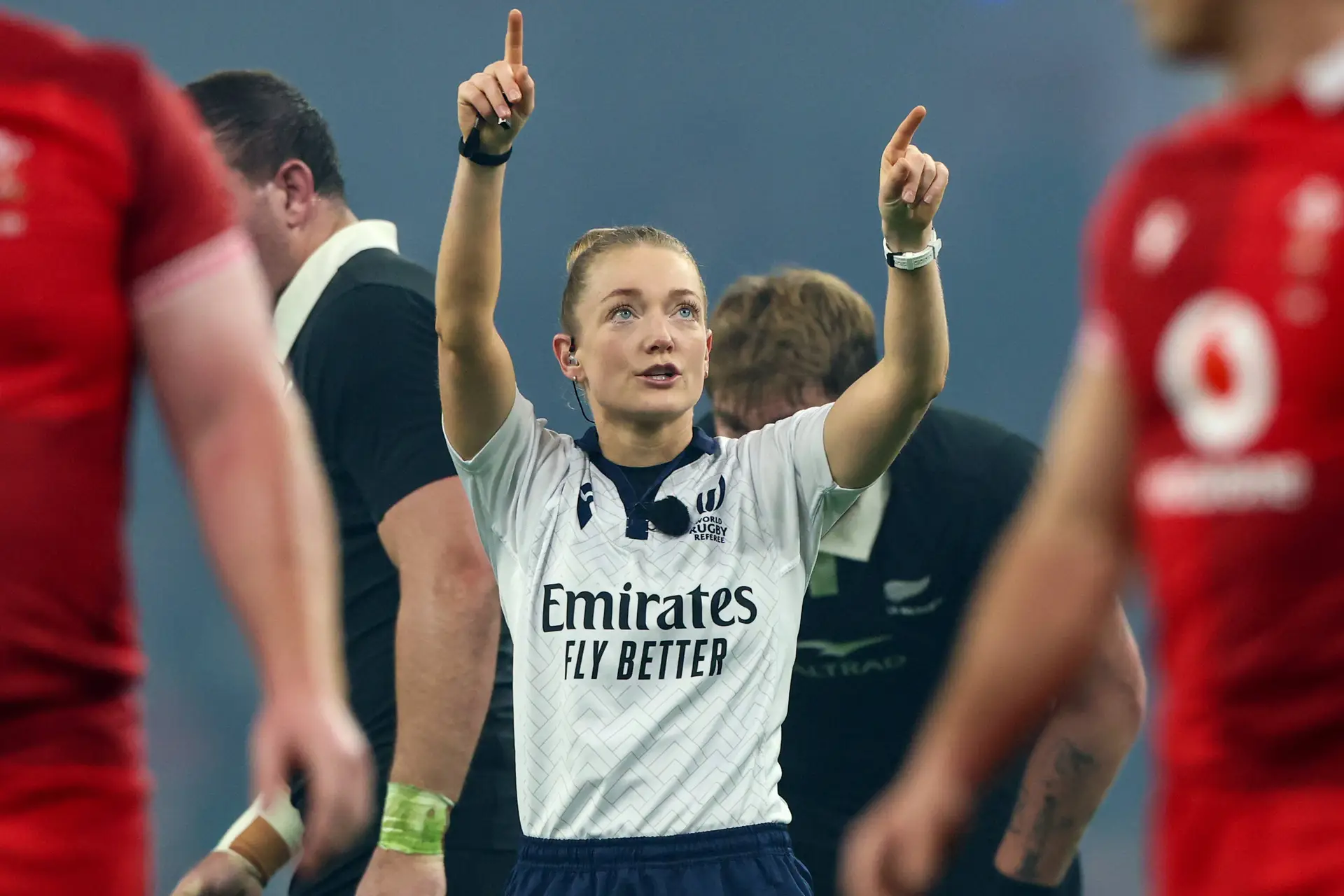
Previously, defenders ahead of the ball were allowed to run back towards their own catcher as long as they did not deliberately alter their lines to block a chaser. Under the new interpretation, any action that obstructs a chaser or interferes with the aerial contest is penalised, regardless of intent.
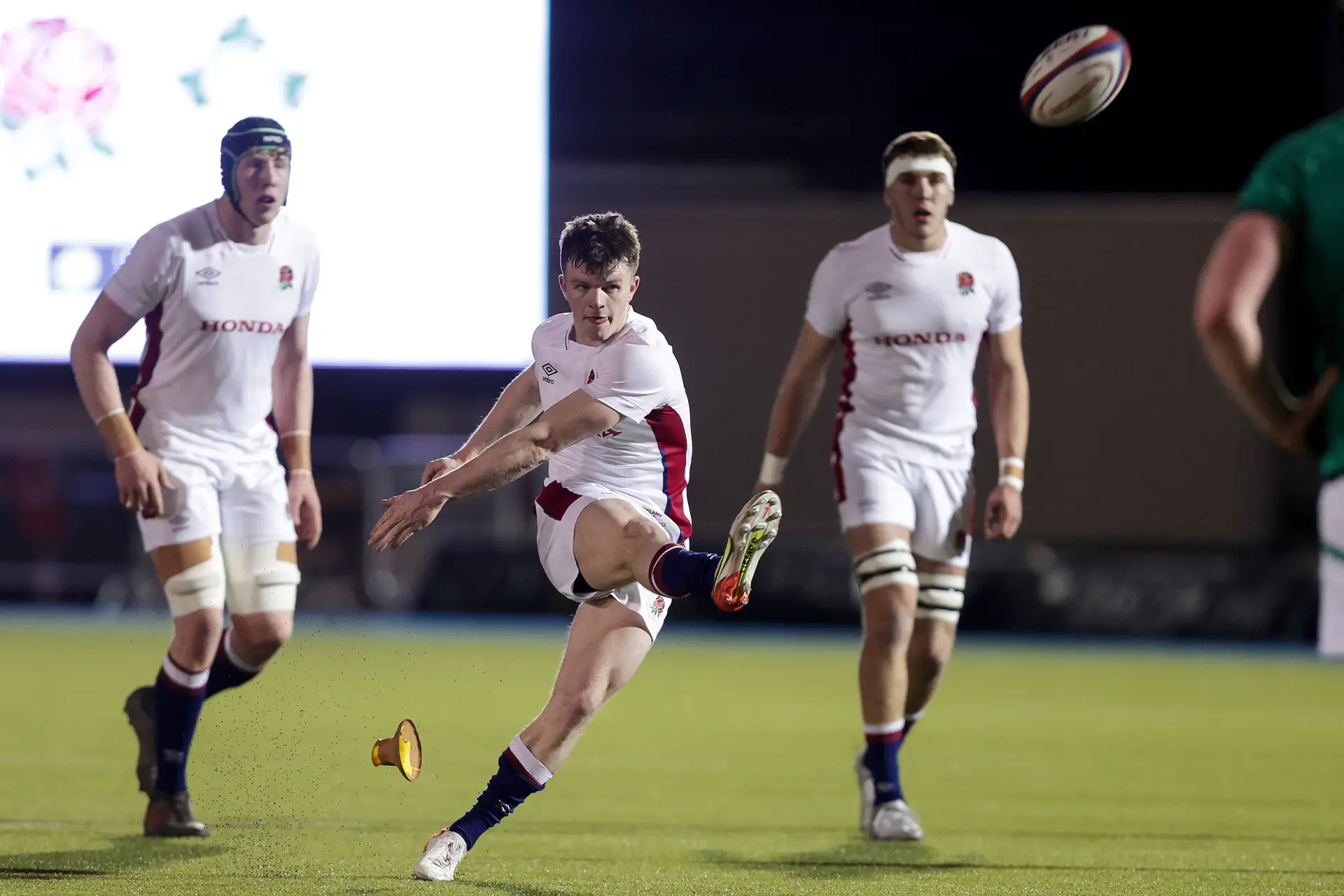
The effect has been immediate. Rather than a structured pod forming around the receiver, the contest has become far more chaotic and open. Defenders who once shielded the catcher now have to think differently, often positioning themselves further ahead of the ball and reacting to imperfect takes.
With no offside line once the kick is in the air, those players are free to attack loose ball in what is effectively a new upfield defence situation. An uncontrolled first touch can be just as damaging for the chasing side as for the team receiving the kick.
Townsend views the change as both a challenge and a coaching opportunity, especially as teams recalibrate where their best aerial athletes should operate. Speaking before the championship, he suggested the wider impact could be felt across the tournament.
"I think you'll see some upsets, you'll see some classic games. And the game's in an interesting period right now because there's definitely teams playing more attacking rugby. They've opened up their games. You see a lot of comebacks in games now because teams are really going for it with the attack.
"The law change as well with competing in the air, that could go either way. That could make it even more disruptive with teams winning the ball back in the air or it could get teams to play a bit more conservatively. I hope that's not the case. But right now, I think the supporters and the TV viewers are going to see some great games."
With France defending their title, Ireland aiming to reclaim the crown they held in 2023 and 2024, and England arriving on an 11 match winning streak, Scotland begin the Six Nations with limited external expectation. Despite arguably the deepest squad of the professional era, finishes of fourth in the last two championships and a dispiriting autumn campaign have cooled dark horse talk. A November collapse from 21-0 up against Argentina followed a missed chance to secure a first-ever win over New Zealand, and left scars.
Selection decisions, particularly on the wings, are now increasingly shaped by the new aerial reality.
"It definitely comes into consideration. I think you'd be naive to think that this is not a huge part of the game now. I reckon you've probably got an 80% chance of winning your own kickback now, where it would have been likely the other way around when when teams were escorting and shielding the chasers."
For Townsend, moments from recent Tests in the autumn underline the opportunity.
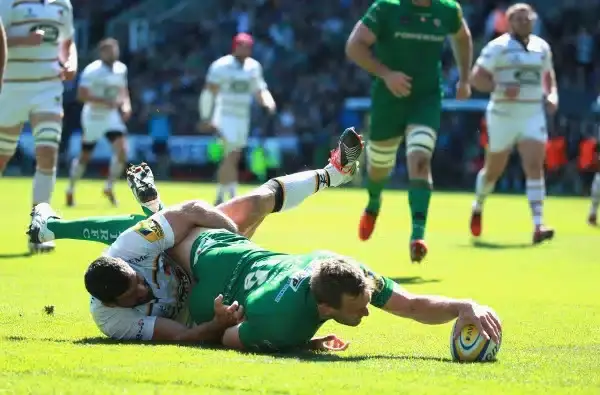
"I think back to the New Zealand game, Kyle [Steyn] getting up, tapping it back to Jack Dempsey, and then a few phases later, we're on the New Zealand line. So it is a factor and all wingers know this. All wingers know that they have to focus on that area. And we're lucky that we've got some players who are excellent in that area and are working hard there."
LATEST SCOTLAND NEWS:
- “Stuart Lancaster’s son” – Former England prop and fly-half called up by Scotland
- “South Africa U20s star” – Who are the Seven newcomers to Scotland’s 2026 Six Nations camp?
- Gregor Townsend confirms Scotland squad for 2026 Six Nations
- Scotland and Glasgow star Jamie Dobie reveals hidden background in unexpected sport
- Scotland confirm the appointment of Ex-Wales and Fiji coach