Old Six Nations Stadium (50,000+ Capacity) Getting Shock Revamp
Rugby NewsSaturday, 13 December 2025 at 16:57
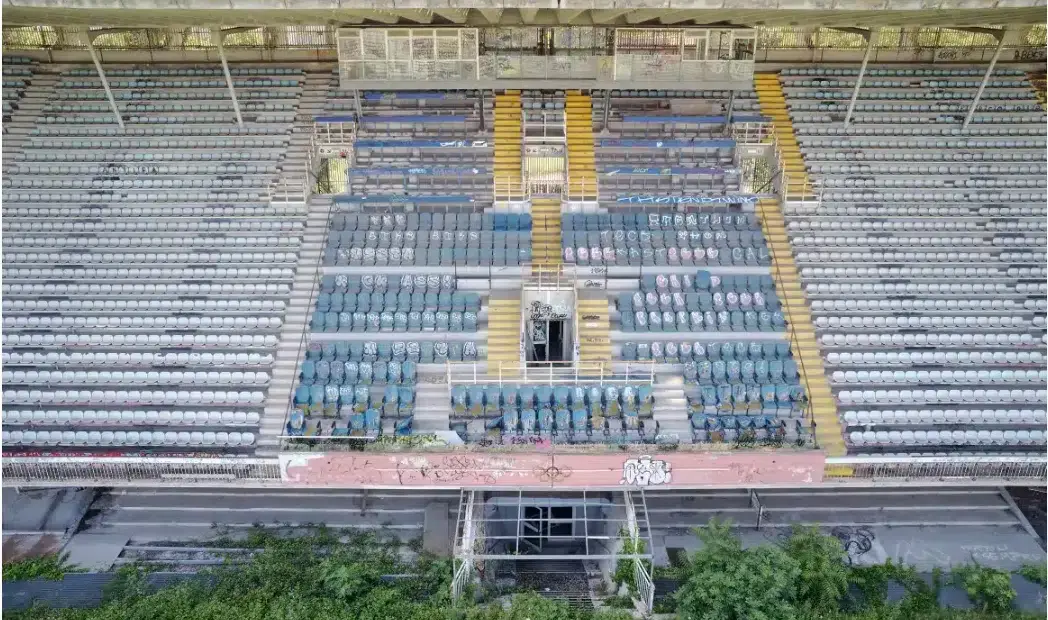

A once-iconic Six Nations battleground is on the verge of a jaw-dropping transformation. Rome’s Stadio Flaminio, which once played host to England in the Six Nations from 2000 to 2011, is finally getting a second chance after over a decade of neglect.
Find your local Greene King and settle in to the Six Nations!
This historic stadium, boasting a 30,000 capacity, was the original home of Italian rugby before the national team moved to the Stadio Olimpico. It even witnessed one of Italy’s most famous victories—a first-ever win over Wales in 2003. But after rugby packed up and left, the Flaminio became a ghost town, left to crumble with overgrown terraces and faded advertisements.
Lazio’s Big Plans for a 50,000-Seat Fortress
Now, Serie A giants Lazio are stepping up with an ambitious plan to bring the Flaminio back to life. Club president Claudio Lotito has revealed plans to expand the stadium to a 50,000-seat football fortress, making it the club’s permanent home. Lazio, who currently share the Stadio Olimpico with AS Roma, are eager to establish their own identity and create a stadium fit for the modern era.
Interestingly, Lazio and Roma have history at the Flaminio. Both clubs played there in the late 1980s while the Olimpico was being renovated. But now, the Biancocelesti want to make it their own—forever.
From Rugby and Rock Stars to a Football Powerhouse
The Stadio Flaminio isn’t just a rugby relic. Over the years, it has hosted some of the biggest music legends on the planet, including Michael Jackson, David Bowie, and U2. It was once a cultural and sporting landmark, and Lazio’s takeover could reignite that magic.
However, turning an abandoned stadium into a 50,000-seater football haven is no easy task. The challenge is massive, but the vision is clear—to revive a historic venue and give it a new lease of life.
A New Chapter for Italian Sport
While Italian rugby continues to thrive at the Olimpico, the Flaminio’s rebirth could be a game-changer for Lazio and Italian football. The stadium, once a fortress for the Azzurri, now has the chance to become a symbol of sporting revivalin Rome.
For years, the Flaminio has been frozen in time. Now, with Lazio’s backing, it could rise again—bigger, better, and louder than ever.
EDITORS PICKS:
- “Grow the Game” – 6 Teams that should be added to expand the EPCR Challenge Cup for 2026/27
- How the Champions Cup should reshape its format to deliver a better spectacle
- Saracens confirm arrival of Canada Women head coach Kevin Rouet
- Harlequins set to sign England star from PREM rivals
- 5 Last Rugby Players to be Nominated for BBC Sports Personality of the Year – Ellie Kildunne makes 2025 short-list
Six Nations stadium rankings: Every ground ranked from worst to best
We turned to TripAdvisor for the cold, hard verdict, pairing unbiased ratings with a bit of stadium backstory to give you the ultimate ranking. Here’s everything you need to know about the Six Nations’ homes – plus, cast your vote for your favourite at the end!
Join the RUCK’s WhatsApp community here and get the latest news sent straight to your messages.
6. Stadio Olimpico (Italy) – 4.09
Capacity: 70,634
Location: Rome, Italy
Opened: 1953
Location: Rome, Italy
Opened: 1953
The bio: Italy’s national stadium wasn’t originally designed for rugby – its primary purpose was athletics and football. But since Italy joined the Six Nations in 2000, the Stadio Olimpico has been its home, offering fans the chance to watch rugby under the shadow of Rome’s stunning architecture. Despite its historic charm, the stadium’s track and distance from the pitch have drawn criticism for hindering the atmosphere.
GOOD REVIEW: “Came here for the rugby, my first international game and I was not disappointed. Lovely stadium, lots of entertainment outside and inside the stadium, not ripped off for food and drinks, everyone was friendly, and the atmosphere was electrifying.”
BAD REVIEW: “It's unbelievable that this is the main stadium in Rome. It's old, dirty, and uncomfortable, and even 3rd division clubs in the UK have better facilities.”
5. Stade de France (France) – 4.24
Capacity: 81,338
Location: Saint-Denis, Paris, France
Opened: 1998
Location: Saint-Denis, Paris, France
Opened: 1998
The bio: Built for the 1998 FIFA World Cup, the Stade de France is the largest stadium in the Six Nations and hosts both football and rugby. Known for its impressive size and acoustics, it’s an intimidating fortress when Les Bleus are on form. However, some fans feel the sheer size of the stadium and hostile atmosphere for visiting supporters detract from its charm.
GOOD REVIEW: “I’m an American, and some of the reviews for this stadium, in my opinion, do not do it justice. It is as good as some of the best US sports stadiums. I thought it was great.”
BAD REVIEW: “This venue is not suitable for visiting fans. The atmosphere is hostile to say the least and therefore particularly unsuitable for families.”
4. Twickenham (England) – 4.33
Capacity: 82,000
Location: London, England
Opened: 1909
Location: London, England
Opened: 1909
The bio: Known as the "Home of Rugby," Twickenham is the largest dedicated rugby stadium in the world. It oozes tradition, with its iconic rose emblem and world-class matches dating back over a century. Its close proximity to London makes it easy to reach, but outdated seating and catering facilities have led to criticism in recent years.
GOOD REVIEW: “We go every year to the Army Navy Rugby, and it is amazing there. It has to be the best atmosphere anywhere in the world. If you ever get the chance to go... just do it!”
BAD REVIEW: “Uncomfortable seat, shoulder to shoulder – no leg room – really, really uncomfortable (paid £119 each – do better!). Poor catering facilities. Great if you live in 1907 but a disgrace in 2016.”
3. Aviva Stadium (Ireland) – 4.39
Capacity: 51,711
Location: Dublin, Ireland
Opened: 2010
Location: Dublin, Ireland
Opened: 2010
The bio: Sitting on the site of the old Lansdowne Road, the Aviva Stadium is a modern masterpiece. Its distinctive bowl shape and glass façade make it one of rugby’s most visually striking venues. However, some feel its sleek design sacrifices a bit of the traditional charm rugby fans adore.
GOOD REVIEW: “I went to see a game, and it was awesome. Beer is good, the crowd is fun, and the home team won! Easy to get here by train.”
BAD REVIEW: “Very disappointing for a modern stadium. Looks better from the outside.”
2. Murrayfield (Scotland) – 4.40
Capacity: 67,144
Location: Edinburgh, Scotland
Opened: 1925
Location: Edinburgh, Scotland
Opened: 1925
The bio: Scotland’s rugby fortress is famed for its passionate crowd and pre-match traditions, including the iconic Flower of Scotland anthem. Its modernised facilities make it a fan favourite, though some have been less impressed with its external appearance and lack of permanent amenities.
GOOD REVIEW: “Fabulous stadium, great atmosphere, and reasonably good facilities.”
BAD REVIEW: “Dismal ground with purple highlights. No bars, restaurants, etc. – just pop-up garbage outside. Time to knock it down and start again.”
1. Principality Stadium (Wales) – 4.65
Capacity: 73,931
Location: Cardiff, Wales
Opened: 1999
Location: Cardiff, Wales
Opened: 1999
The bio: Known for its iconic retractable roof, the Principality Stadium (formerly the Millennium Stadium) is a modern marvel with an atmosphere that’s second to none. Located in the heart of Cardiff, it’s the only Six Nations stadium where fans can walk straight from the pubs into the ground, adding to the electric matchday experience.
GOOD REVIEW: “Wales vs. Scotland 2016 Six Nations opener in Cardiff, 75,000 fans. Great singing and great rugby with great friends. Wonderful day made better by a Wales win.”
BAD REVIEW: “Took 40 minutes to get into t
TRENDING






LATEST NEWS





LATEST COMMENTS
- Jordie Barrett over Damian de Allende is far from being correct. The hype around Dupont is also overreaching, he's probably 4th in the world and has been since the 2023 WC. He also avoids certain matchups which is strange. The rest of the list is pretty good apart from minor subjective biases.JasonMarlow16-09-2026
Loading