
Throughout rugby’s long and brutal history, greatness has never been defined by talent alone. The very best captains are those who lead when legs are heavy, minds are tired, and pressure is at its most unforgiving. They set standards, demand belief, and carry the weight of nations on their shoulders.
From World Cup finals to historic Lions tours, these leaders didn’t just win matches — they shaped eras. Some united divided countries, others dragged underdogs into relevance, and a select few built dynasties that dominated the global game.
After listening to the RUCK community and revisiting rugby’s most iconic moments, we rank the 20 greatest captains in rugby history — the leaders who didn’t just wear the armband, but redefined what it meant to captain a team.
20. Philippe Saint-André (France)
A lethal finisher on the wing, Philippe Saint-André was one of France’s most complete rugby minds during the amateur era. As captain, he blended attacking flair with tactical awareness, helping France remain a force in the Five Nations.
His understanding of the game later translated into coaching, where he took charge of both France and multiple Top 14 clubs. Saint-André’s leadership was rooted in intelligence rather than intimidation, setting a precedent for modern French captains who balanced creativity with control.
19. Lawrence Dallaglio (England)
A fierce competitor with natural charisma, Lawrence Dallaglio was the emotional heartbeat of England’s golden generation. Equally effective at blindside flanker and number eight, he led with aggression, physical dominance, and an unbreakable will to win.
Dallaglio captained England during the professional era’s toughest years and remained a central leader during the 2003 World Cup triumph. His ability to inspire teammates in brutal Test matches defined England’s hard-nosed identity.
18. Sergio Parisse (Italy)
Italy’s greatest-ever player, Sergio Parisse carried the Azzurri for more than a decade. A world-class number eight, he combined soft hands, tactical awareness, and relentless work rate with inspirational leadership.
Often captaining an underdog side against rugby’s elite, Parisse earned universal respect from opponents and officials alike. His presence elevated Italy’s performances and credibility in the Six Nations, even when victories were scarce. Parisse’s loyalty, longevity, and class made him a symbol of Italian rugby’s ambition.
17. John Dawes (Wales)
John Dawes is remembered as one of rugby’s sharpest tactical minds. As captain of the British & Irish Lions in 1971, he masterminded a historic series win in New Zealand, something no Lions side had achieved before or since.
Dawes’ leadership was cerebral, prioritising intelligent attacking structures and adaptability. His influence reshaped how captains approached game management at the highest level, proving leadership didn’t always require physical dominance.
16. Will Carling (England)
Will Carling captained England during one of their most dominant stretches, winning multiple Five Nations titles in the early 1990s. Playing centre, he was calm, composed, and politically astute, managing strong personalities within a powerful squad. Carling’s leadership style was often understated, but his ability to control pressure situations and represent English rugby off the field was crucial. Under him, England became serial contenders and laid the groundwork for future World Cup success.
15. Agustín Pichot (Argentina)
Agustín Pichot was the embodiment of Argentine rugby’s fighting spirit. As scrum-half and captain, he drove Los Pumas to unprecedented heights, most notably a third-place finish at the 2007 World Cup.
His leadership combined passion, resilience, and tactical sharpness, inspiring belief within a traditionally underestimated rugby nation. After retirement, Pichot continued shaping the game globally, proving his influence extended far beyond the pitch.
14. John Smit (South Africa)
John Smit remains one of the most respected captains in Springbok history. A durable hooker who could also play prop, he led South Africa through a period of renewal, culminating in World Cup victory in 2007. Calm, articulate, and physically resilient, Smit earned trust across the squad and respect from referees. His leadership style focused on unity, discipline, and consistency, setting the tone for South Africa’s modern rugby culture.
13. Paul O’Connell (Ireland)
A towering lock with a warrior’s mentality, Paul O’Connell redefined Irish forward leadership. His emotional intensity, lineout mastery, and uncompromising standards drove Ireland to Six Nations titles and historic victories over southern hemisphere giants. O’Connell led by example, demanding excellence from teammates while delivering it himself. His influence permanently raised expectations within Irish rugby.
12. Sean Fitzpatrick (New Zealand)
Sean Fitzpatrick captained the All Blacks during an era where winning was mandatory. A tough, intelligent hooker, he led New Zealand to World Cup glory in 1987 and maintained dominance throughout his tenure. Fitzpatrick’s leadership was built on precision, discipline, and relentless competitiveness. He helped establish the All Blacks’ ruthless standards that still define the jersey today.
11. Sam Warburton (Wales)
One of the finest openside flankers of his generation, Sam Warburton captained Wales and the British & Irish Lions with maturity beyond his years. Renowned for his breakdown excellence and discipline, he led with integrity and calm authority. Despite injuries shortening his career, Warburton’s influence remains profound, particularly in Lions history.
10. Brian O’Driscoll (Ireland)
A once-in-a-generation centre, Brian O’Driscoll combined flair with fierce competitiveness. As Ireland captain, he led during a transformative era, helping establish belief against rugby’s elite. His vision, defensive excellence, and ability to deliver in big moments made him a natural leader and a global icon.
9. Sarah Hunter (England)
A pioneer of women’s rugby leadership, Sarah Hunter captained England to World Cup success and consistent global dominance. Her professionalism, physicality, and humility set standards for future generations. Hunter’s legacy transcends trophies, as she helped elevate the women’s game worldwide.
8. Alun Wyn Jones (Wales)
A modern rugby ironman, Alun Wyn Jones captained Wales through countless campaigns with relentless consistency. Wales’ most-capped player, his leadership was built on durability, effort, and emotional commitment. Few players have given more to their nation.
7. Thierry Dusautoir (France)
Nicknamed “The Dark Destroyer,” Thierry Dusautoir led France through one of their most competitive modern eras. A tackling machine with immense work rate, he captained France to the 2011 World Cup final. His leadership was quiet but ferocious.
6. Willie John McBride (Ireland)
A Lions legend, Willie John McBride captained multiple tours with unmatched physical authority. His leadership in the tight exchanges defined what it meant to captain elite forwards. McBride remains the benchmark for Lions captains.
5. John Eales (Australia)
Nicknamed “Nobody” because “nobody’s perfect,” John Eales was anything but ordinary. A lock who could kick goals and dominate lineouts, he captained Australia to two World Cups. His intelligence and composure set him apart as one of rugby’s finest leaders.
4. Francois Pienaar (South Africa)
Francois Pienaar’s legacy transcends rugby. As captain of the 1995 Springboks, he became a symbol of unity in post-apartheid South Africa. His leadership moment with Nelson Mandela remains one of sport’s most powerful images.
3. Richie McCaw (New Zealand)
The ultimate professional, Richie McCaw captained the All Blacks to back-to-back World Cups in 2011 and 2015. A master of the breakdown, his consistency, discipline, and competitiveness redefined elite leadership. McCaw set standards few will ever match.
2. Martin Johnson (England)
A towering lock with uncompromising authority, Martin Johnson led England to their historic 2003 World Cup triumph. His physical dominance and refusal to accept mediocrity forged a champion team. Johnson’s captaincy remains England’s gold standard.
1. Siya Kolisi (South Africa)
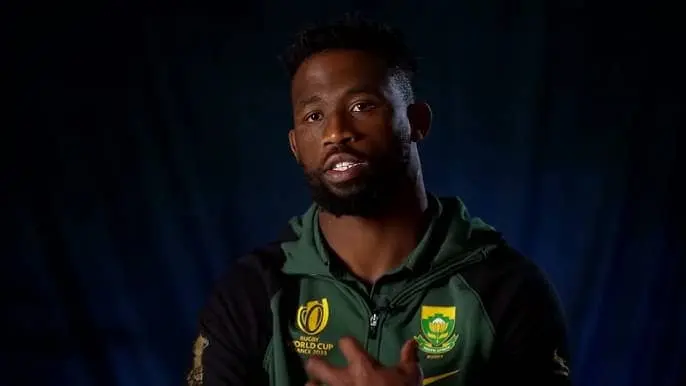
Siya Kolisi is more than a rugby captain—he is a global symbol of hope and unity. Leading South Africa to World Cup victories in 2019 and 2023, he became the first black captain to lift the trophy. Kolisi’s humility, courage, and emotional intelligence have redefined modern leadership, cementing his place as the greatest captain rugby has ever seen.
EDITORS PICKS:
- Next Generation 2026: The best young talents in world rugby (Ranked 20-1)
- “Unconvincing” – Five England hopefuls who failed to stand out this weekend
- Team of the Week: Investec Champions Cup Round 3
- Champions Cup: Round 3 Recap – Stunning PREM club triumphs secure knock-out stage places
- 2003 World Cup winner’s son among five England hopefuls who impressed this weekend
TRENDING


LATEST NEWS

LATEST COMMENTS
- Jordie Barrett over Damian de Allende is far from being correct. The hype around Dupont is also overreaching, he's probably 4th in the world and has been since the 2023 WC. He also avoids certain matchups which is strange. The rest of the list is pretty good apart from minor subjective biases.JasonMarlow16-09-2026
Loading