England squad for Nations Championship: Mako Vunipola recalled
Rugby NewsMonday, 11 May 2026 at 18:50

England head into the 2026 Nations Championship at a pivotal moment, balancing the immediate need for results with the longer-term challenge of building for the future.
The returns of experienced figures such as Courtney Lawes and Mako Vunipola suggest a potential change in approach, with England prioritising power, leadership and proven Test pedigree as the schedule becomes increasingly demanding.
There will be no easing into this tour. Matches against South Africa, Fiji and Argentina require intensity from the first whistle, leaving little margin for experimentation or slow starts.
The likely 23-player squad reflects that reality, with established internationals forming the backbone of the side while a new wave of ambitious talent pushes to secure a lasting place in the setup.
15 George Furbank
There have been increasing calls for Furbank to return to the England setup, particularly after Freddie Steward’s disappointing Six Nations campaign and the lack of strong alternatives.
The Northampton Saints full-back is a reliable playmaker, known for his composure under pressure, attacking flair and tactical versatility.
With just 14 caps to his name, it feels like only a matter of time before he is back in the England side.
14 Noah Caluori
The time has come for Caluori to be unleashed. One of the best aerial players of his generation, the Saracens winger possesses a skill set rarely seen and deserves the chance to showcase it at Test level.
Still only 19, Caluori was nominated for Gallagher Premiership Player of the Month in April and has been in outstanding domestic form. With the kicking game so important internationally, having a winger dominant in the air is hugely valuable.
13 Tommy Freeman
Outside centre appears to be a straight choice between Ollie Lawrence and Freeman, with strong arguments for both. This selection leans towards what Steve Borthwick seems to favour, given the faith he has shown in the Saints back at 13.
Usually deployed on the wing for his club, Freeman has recently featured at outside centre and looked completely comfortable there, with the role suiting his powerful running game.
12 Seb Atkinson
Inside centre could come down to Fraser Dingwall or Atkinson. While Atkinson’s Premiership form has not been spectacular, he is still developing and has had to contend with a few injuries.
A strong ball carrier, he impressed during last summer’s tour of Argentina and deserves another opportunity. Overall, he appears to offer more individually than Dingwall, even if Dingwall may be better at bringing the best out of those around him.
11 Immanuel Feyi-Waboso
A very straightforward selection. The Exeter Chiefs winger has scored 15 tries this season and, as long as he is fit, this shirt is his.
10 Fin Smith
From the simplest pick to arguably the most difficult. The battle for fly-half is between Marcus Smith, Fin Smith and George Ford, with the recently injured Billy Searle, Charlie Atkinson and even Owen Farrell also in outside contention.
Based on a combination of current form and long-term potential, Fin Smith gets the nod, helped by his performance in the Six Nations finale against France.
The Saints fly-half is admired for his tactical maturity, exceptional game management and defensive resilience.
9 Alex Mitchell
While perhaps not as secure as it once was, Mitchell’s place as England’s starting scrum-half remains intact. When fully fit, the British & Irish Lions tourist is still the best option England have in the position.
1 Ellis Genge
Another selection unlikely to generate much debate. Genge is a strong leader and an excellent prop, and unless England decide his impact would be more effective from the bench, he is expected to start.
2 Jamie George
England may eventually move in a different direction at hooker before the next World Cup, but for now George’s experience and leadership make him the likely starter this summer.
Approaching the latter stages of his career, he remains a dependable presence and has not done enough to lose his place, while the younger options are not quite ready to overtake him.
3 Joe Heyes
A year on from his breakthrough tour in Argentina, Heyes has now established himself as England’s leading tighthead option. Like Genge, unless his impact is considered more valuable from the bench, he is expected to start.
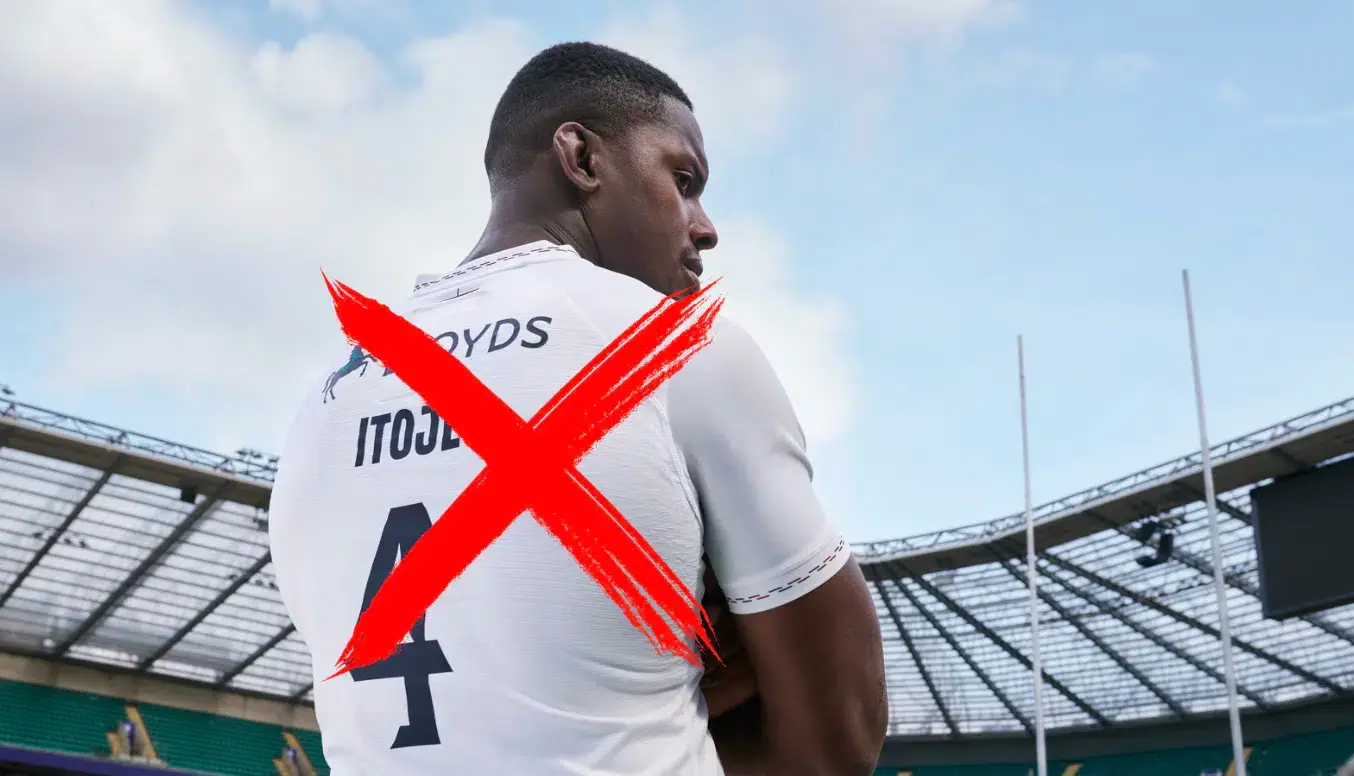
4 Maro Itoje
Captain Itoje may not have had the smoothest Six Nations campaign, potentially due to personal circumstances, but he remains a world-class lock with more than enough credit in the bank to retain his place.
Physically dominant, he could be key to helping England match the power of sides such as South Africa.
5 Alex Coles
This selection depends heavily on how Borthwick wants England to approach games tactically. The case for Coles starting at lock comes from England’s successful combination of him in the second row and Ollie Chessum at blindside flanker against France.
The thinking here is simple: if it worked then, there is little reason to change it now.
6 Ollie Chessum
As mentioned, Chessum started at blindside in Paris and delivered a dominant display, scoring a memorable double. A physically imposing presence, he gives England considerable power and intensity.
7 Sam Underhill
One of the most underrated players in world rugby, Underhill is the complete openside flanker. His defensive work rate, tackling technique and breakdown ability are all exceptional.
Now firmly in his prime, he is difficult to overlook for the number seven shirt.
8 Ben Earl
Although Earl could shift to openside to accommodate another number eight, keeping him in his strongest position makes the most sense. His ability to cover the centres also provides valuable flexibility and supports the use of a six-two bench split.
A dynamic back-rower, he offers plenty in attack while also contributing heavily in defence.
Replacements
16 Kepu Tuipulotu
The Six Nations may have marked the end of Luke Cowan-Dickie’s England career, a situation not helped by his current injury problems.
Tuipulotu looks like the next man in line. The young hooker is highly dynamic while still offering the traditional strengths expected in his position.
Some of his natural attributes are exceptional, and he has impressed for Bath this season after progressing through the England pathway.
17 Mako Vunipola
This selection depends entirely on Bevan Rodd’s fitness. If available, Rodd should be involved, but he currently appears sidelined through injury.
Assuming he remains unavailable, Leicester Tigers recruit Vunipola would make sense as a short-term option for England.
His experience would be valuable for younger players in the squad to learn from, especially as any return is likely to be temporary, with Vunipola expected to pursue a coaching role with Tonga ahead of the 2027 Rugby World Cup in Australia.
Fin Baxter is another possibility, though England should avoid rushing him back from injury. The Harlequins prop could benefit from learning alongside Vunipola in the squad.
18 Trevor Davison
With Will Stuart facing a lengthy spell out because of a ruptured Achilles, England’s tighthead options are relatively limited. Davison featured during the Six Nations and would provide a reliable presence from the bench.
Vilikesa Sela would be the more adventurous choice, though the youngster may still need more time to develop.
19 George Martin
Since returning from injury, Martin has looked determined to re-establish himself and was outstanding for Leicester Tigers in their East Midlands derby victory over Northampton Saints.
Before his injury, the lock was widely viewed as one of the brightest talents in world rugby in his position, and he now has the opportunity to cement his place again at Test level.
20 Guy Pepper
Tom Curry probably deserves a summer off after absorbing countless knocks and playing heavy minutes, which opens the door for Pepper to fill the bench role.
Still only 23, Pepper has plenty of room to develop but already looks capable of competing at Test level. His relentless defensive work rate and excellent breakdown ability would add significant energy to England’s back row.
21 Henry Pollock
Another player certain to inject energy from the bench is Pollock. The highly rated youngster is regarded as one of the most exciting young players in the world and has the personality to match.
Although still raw and not quite ready to start, his enthusiasm and quality make him worthy of a place in the matchday 23.
22 Jack van Poortvliet
The replacement scrum-half role comes down to Van Poortvliet or Raffi Quirke. With Quirke currently injured and Van Poortvliet in excellent form, the Leicester Tigers man edges ahead.
Fresh from a display in which he outperformed starter Alex Mitchell, he is comfortably England’s second-choice scrum-half at present and could eventually push for the number one spot.
23 Marcus Smith
A six-two bench split appears to be England’s preferred option, which opens the door for Marcus Smith because of his ability to cover both fly-half and full-back.
During the Six Nations, he made a positive impact from the bench and seems to be rediscovering form despite Harlequins struggling domestically this season.
At his best, Smith provides genuine spark and creativity, making a bench role well suited to his strengths.
EDITORS PICKS:
- Billy Vunipola confirms international future as former England No. 8 becomes eligible for Australia or Tonga
- Best Rugby Games of All Time: Greatest Matches Ever Played
- “Embarrassing…” – Hollie Davidson puts diving Sam Prendergast in his place
- BBC loses another rugby legend as England great departs after 26 years
- PREM Rugby Team of the Week: Round 15
TRENDING


LATEST NEWS

LATEST COMMENTS
- Jordie Barrett over Damian de Allende is far from being correct. The hype around Dupont is also overreaching, he's probably 4th in the world and has been since the 2023 WC. He also avoids certain matchups which is strange. The rest of the list is pretty good apart from minor subjective biases.JasonMarlow16-09-2026
Loading