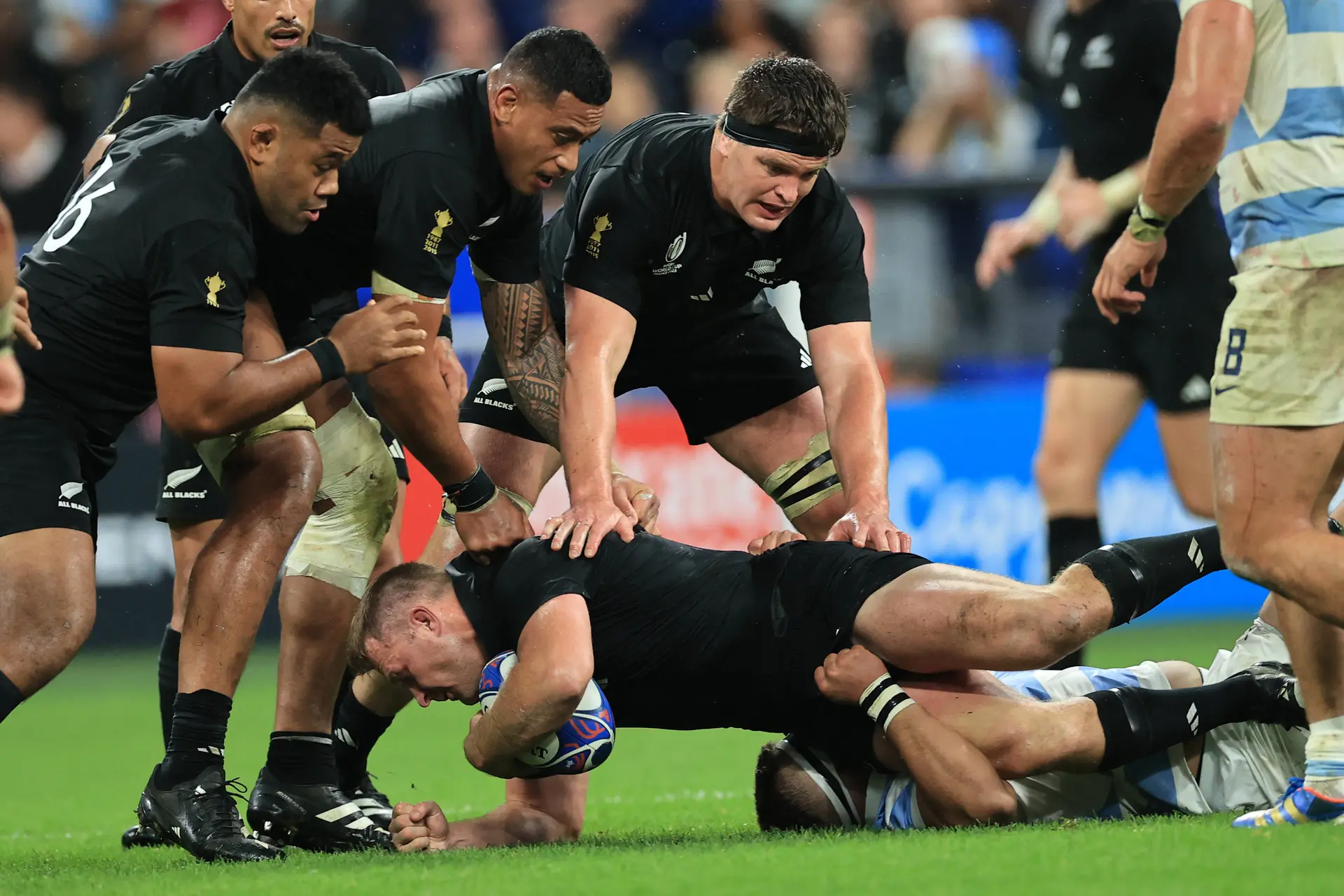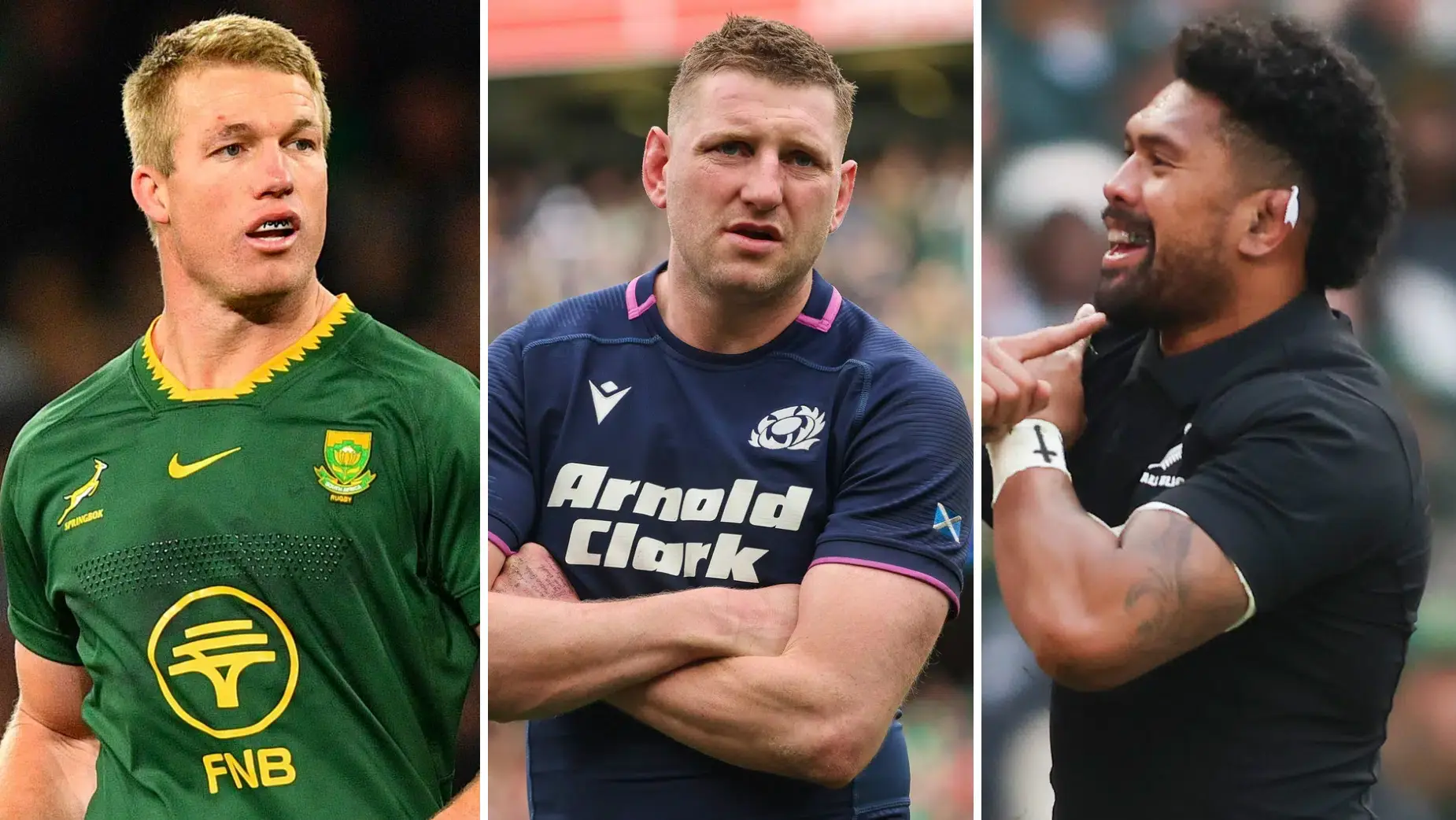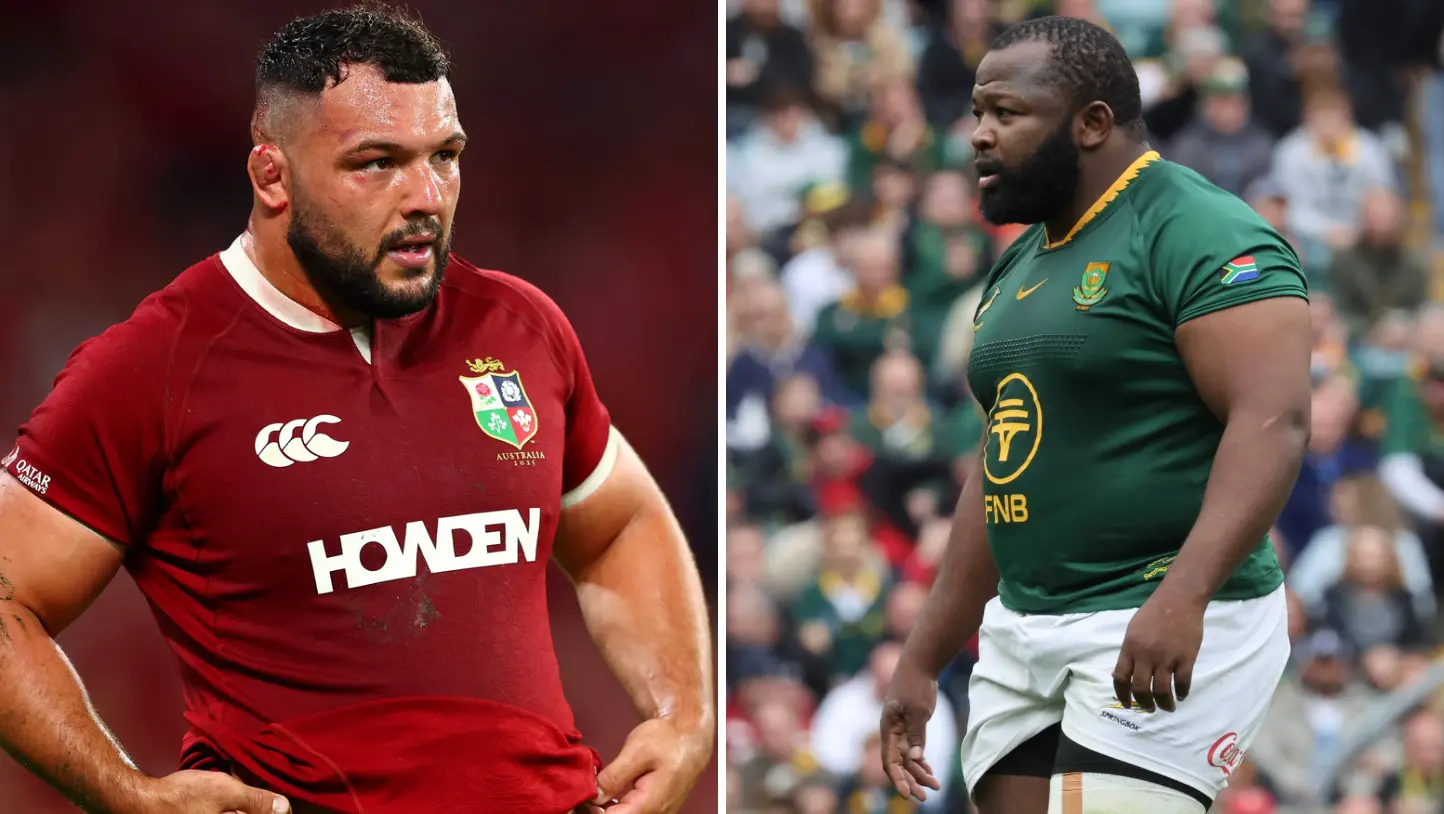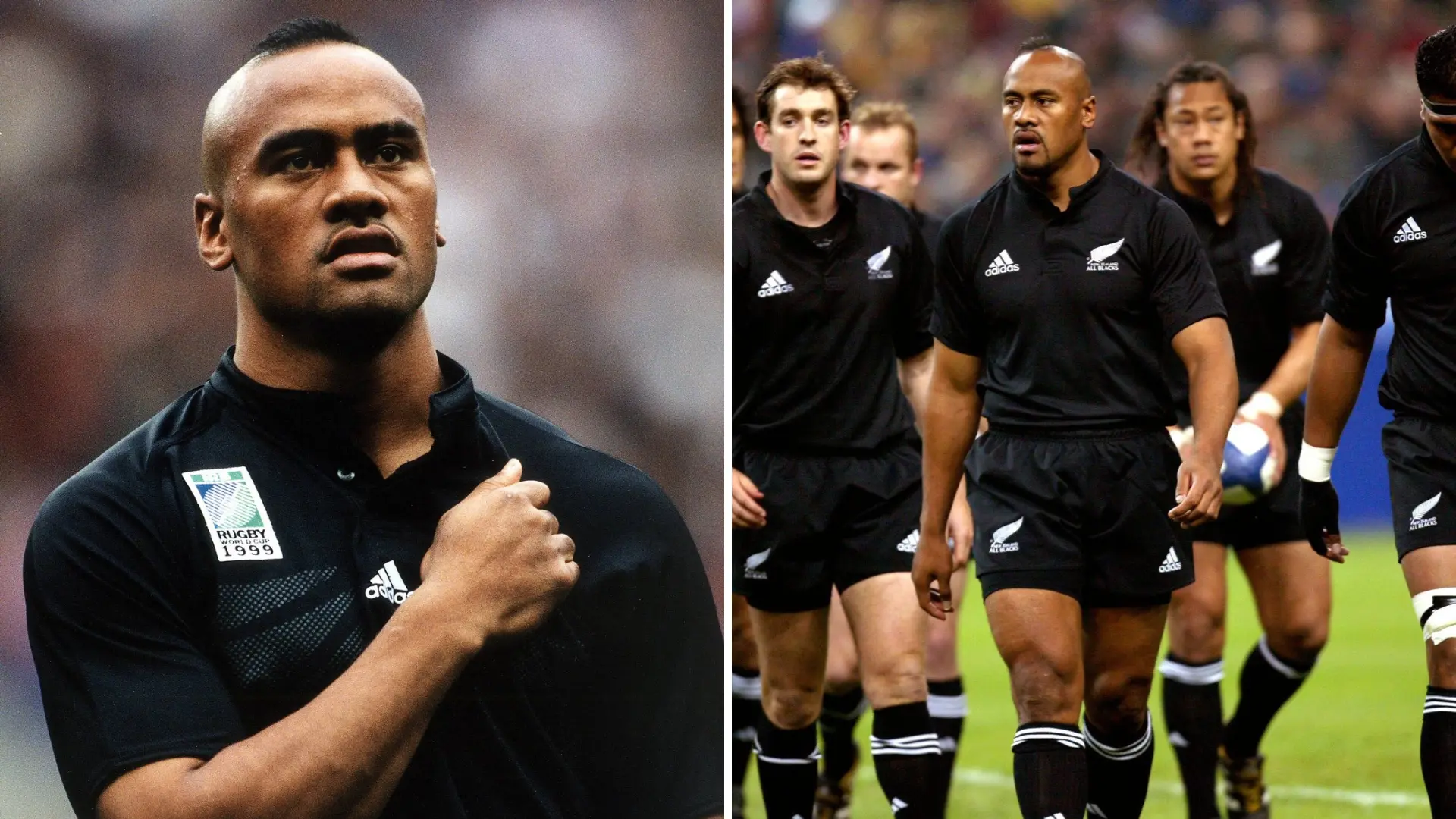

Currently, the esteemed World Rugby's top 10 forwards include the dynamic presence of England's Maro Itoje, alongside the formidable talents of two Irish stars.
In the electrifying arena of rugby, where collisions are seismic and dominance is measured in grit and power, the role of forwards stands as the bedrock upon which victories are forged.
As the world eagerly watches the unfolding drama on the field, the spotlight intensifies on those behemoths of the game whose Herculean efforts propel their teams towards glory.
In the ever-evolving landscape of rugby, 2024 emerges as a year of fierce competition and unparalleled talent.
Join us as we embark on a journey to unveil the ten titans who have risen above the rest, earning their place among the elite, as we rank the top forwards in world rugby for 2024.
#10. Grégory Alldritt (France)
France's formidable number 8, Alldritt's powerful ball-carrying and breakdown skills define his impact. His ability to create momentum with every touch, coupled with his tenacious defensive efforts, solidify his position as a driving force in France's forward pack.
#9. Pieter-Steph Du Toit (South Africa)
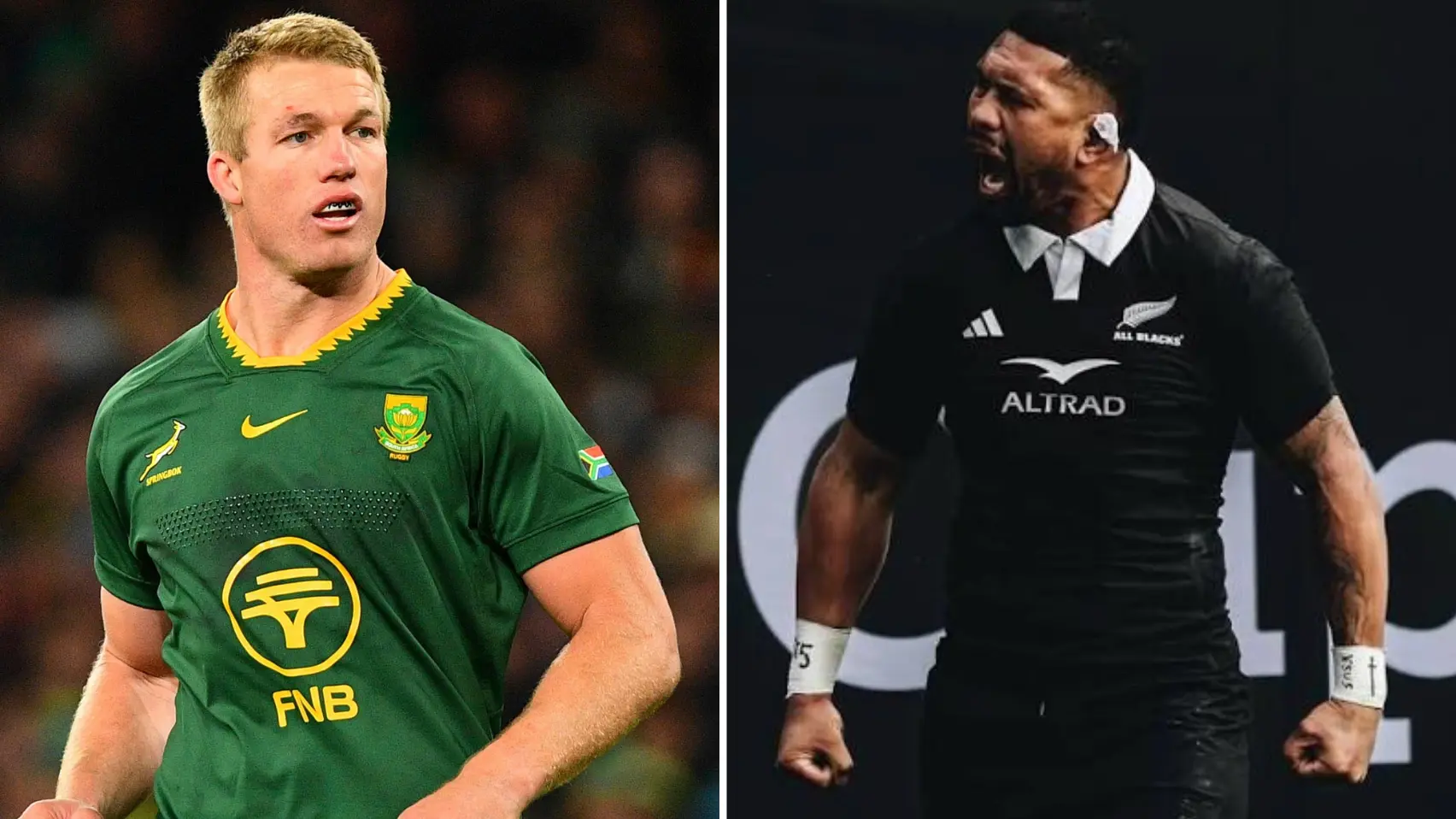
The 2 metre tall back rower almost lost a leg in 2020 due to a rare condition, but has now won yet another World Cup and made 28 tackles in a World Cup final just three years later. Not much more needs to be said. Probably the best flanker in the world currently.
#8. Tadhg Beirne (Ireland)
Beirne's versatility as a lock and back-row player elevates Ireland's options. His athleticism, lineout skills, and aggressive breakdown work set him apart. An asset in both set pieces and open play, he consistently impacts the game.
#7. Scott Barrett (New Zealand)
A robust lock/flanker, Barrett's physicality and tireless work ethic make him an asset to New Zealand's forward pack. His lineout expertise and powerful ball-carrying contribute to the All Blacks' dominance in set pieces and loose play.
#6. Ox Nche (South Africa)
One of the most technically gifted front rowers in world rugby, Nche was the primary catalyst behind South Africa’s reemergence from English dominance in their World Cup semi-final victory in Paris, and without Nche the Springboks probably wouldn’t have won their fourth title.
#5. Maro Itoje (England)
For numerous years, Maro Itoje has been a pivotal force in England's forward lineup. Renowned for his exceptional athleticism and astute game sense, Itoje excels in the lineout and commands a formidable presence during open play. His proficiency in disrupting the opponent's possession, coupled with his relentless work ethic across the field, solidifies his status as a crucial asset for the England team. The early game statistics underscore his significant impact, with an impressive tally of turnovers won and tackles made, further emphasising his influence.
#4. Eben Eztebeth (South Africa)
A towering lock, Etzebeth's physicality and presence anchor South Africa's forward pack. His lineout expertise, ball-carrying power, and confrontational play style make him a formidable force on the field.
#3. Caelan Doris (Ireland)
After grappling with concussion worries, Doris has emerged as a dominant figure in the highest echelons of the sport. Excelling primarily at the scrum's foundation, this back-row player seamlessly combines nuanced footwork and deft handling alongside exceptional athleticism. Moreover, he maintains his reputation as a formidable presence during defensive breakdowns. Doris epitomises class and versatility, often conjuring moments of sheer brilliance on the field.
#2. Siya Kolisi (South Africa)
South Africa’s charismatic captain captivated his team and the world with his pre and post match speeches during this year’s World Cup, but the ability to be a stand out player among a team of stand out players proves that he can also walk the walk.
#1. Ardie Savea (New Zealand)
An explosive back-rower, Savea's versatility and aggression set him apart. His breakdown dominance, ball-carrying strength, and defensive tenacity make him a vital asset for the All Blacks. A player whose intensity shapes both set pieces and open play.