First 7 Teams Relegated From the Premiership: Where Are They Now?
Rugby NewsTuesday, 08 January 2019 at 16:09
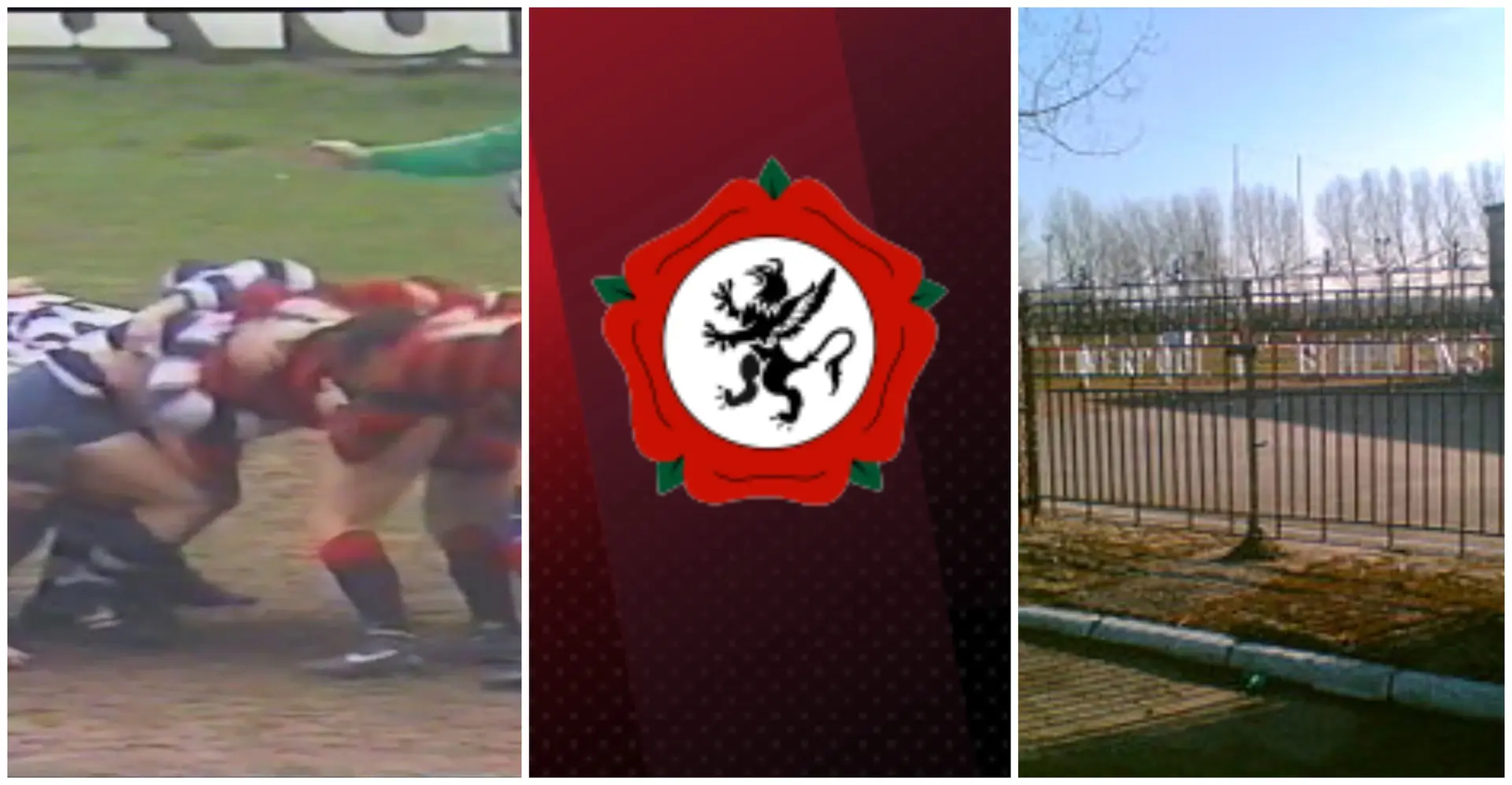

From Coventry to Sale, RUCK takes a look at the first 7 teams to be relegated from the top league of English rugby and where those teams are now.
1987
Coventry
This would prove to be Coventry’s only ever season in the top flight, spending the next 30 years stuck between the second third tier of rugby, although they almost returned to the Premiership in 1997 but were edged out by a well-funded Newcastle Falcons. Most recently, they return to the Championship for the first time in eight years for the 2018/19 season after winning promotion from National League One.
Sale
In 1994, the team was promoted to the back to the top flight, however, despite the promotion the club struggled financially toward the end of the decade when a series of defeats led to a drop in crowd numbers resulting in a loss of backing from a number of major club funders. After narrowly missing relegation, local businessman Brian Kennedy stepped in and secured the club's finances in time for the team to enter the professional era. The name Sharks was adopted in 1999. They've since became stalwarts of the division and were champions in 2006.
Once a powerhouse of the English rugby union game, the men’s 1st XV now play in North 1 West at the sixth level of English rugby union system, following their relegation from National League 3 North at the end of the 2016-17 season. They competed in the top division of English rugby for the first two seasons after the league structure was introduced but were relegated in 1989.
Liverpool and St Helens merged in 1986 and played at Moss Lane which had been the St Helens club's ground. In the early years of the merger the club had two seasons in the top league split by one season in Division Two. During this time internationals Dewi Morris and Simon Mason played for Liverpool St Helens, but afterwards they sank to Division Four and spent virtually the whole of the 1990s coming to terms with the professional era. They now play in South Lancs/Cheshire 1.
Probably, the Blues finest hour was in 1975 when Bedford, captained by Budge Rogers beat Rosslyn Park in the final of the Knock Out Cup at Twickenham 28–12. Unfortunately this achievement did not continue with the club having little success resulting in many players with great potential leaving he club. There were bright moments such as John Orwin captaining the England touring party to Australia and Fiji in 1988. When the leagues were introduced in 1987-88 Bedford were in Division 2, promoted to Division 1 in 1989 but relegated immediately.
At the start of the 1996–97 season when 'The Blues' were in Division 2 the club turned professional. Frank Warren (the boxing promoter) and Sports Network putting in a big investment to secure quality players, many of whom were internationally famous, while others were young but promising. The best example is probably Scott Murray who until June 2008 was Scotland's most capped international. At the second attempt Bedford easily won the Allied Dunbar Division 2 Championship in 1998 and were promoted back to the Premiership.
In April 1999 Sports Network sold the club to Jefferson Lloyd International but this was a financial disaster resulting in Bedford losing further staff. The club was about to be sold and moved from the town, which would have meant the end of first class rugby in Bedford. Following intervention by the RFU in October 1999 a consortium of Bedford businessmen headed by David Ledsom (SDC), Mike Kavanagh, Geoff Irvine (Irvine-Whitlock), David Gunner and David Rawlinson with assistance from Bedford Borough Council and other professional people, the transfer of the club to Bedford Blues Ltd. was organised.
They've since became a staple of England's second tier, having not moved from the division since they were relegated in 2000.
They ended Bath’s astonishing run of 22 unbeaten cup matches in 1988, winning 4–3. The team’s relegation from the top division at the end of the 1990–1991 season marked a consolidation period for the club after their fantastic times of the 1970s. On 30 January 1998, the club went into administration, after over-stretching its financial resources in the early years of professional rugby union. They fell as low as National League 2 North. The club is now in National League One after being relegated from the Championship.
TRENDING



LATEST NEWS



LATEST COMMENTS
- Jordie Barrett over Damian de Allende is far from being correct. The hype around Dupont is also overreaching, he's probably 4th in the world and has been since the 2023 WC. He also avoids certain matchups which is strange. The rest of the list is pretty good apart from minor subjective biases.JasonMarlow16-09-2026
Loading