Former presenter John Inverdale reveals he was 'ruined' by rugby
Rugby NewsSaturday, 02 May 2026 at 18:44
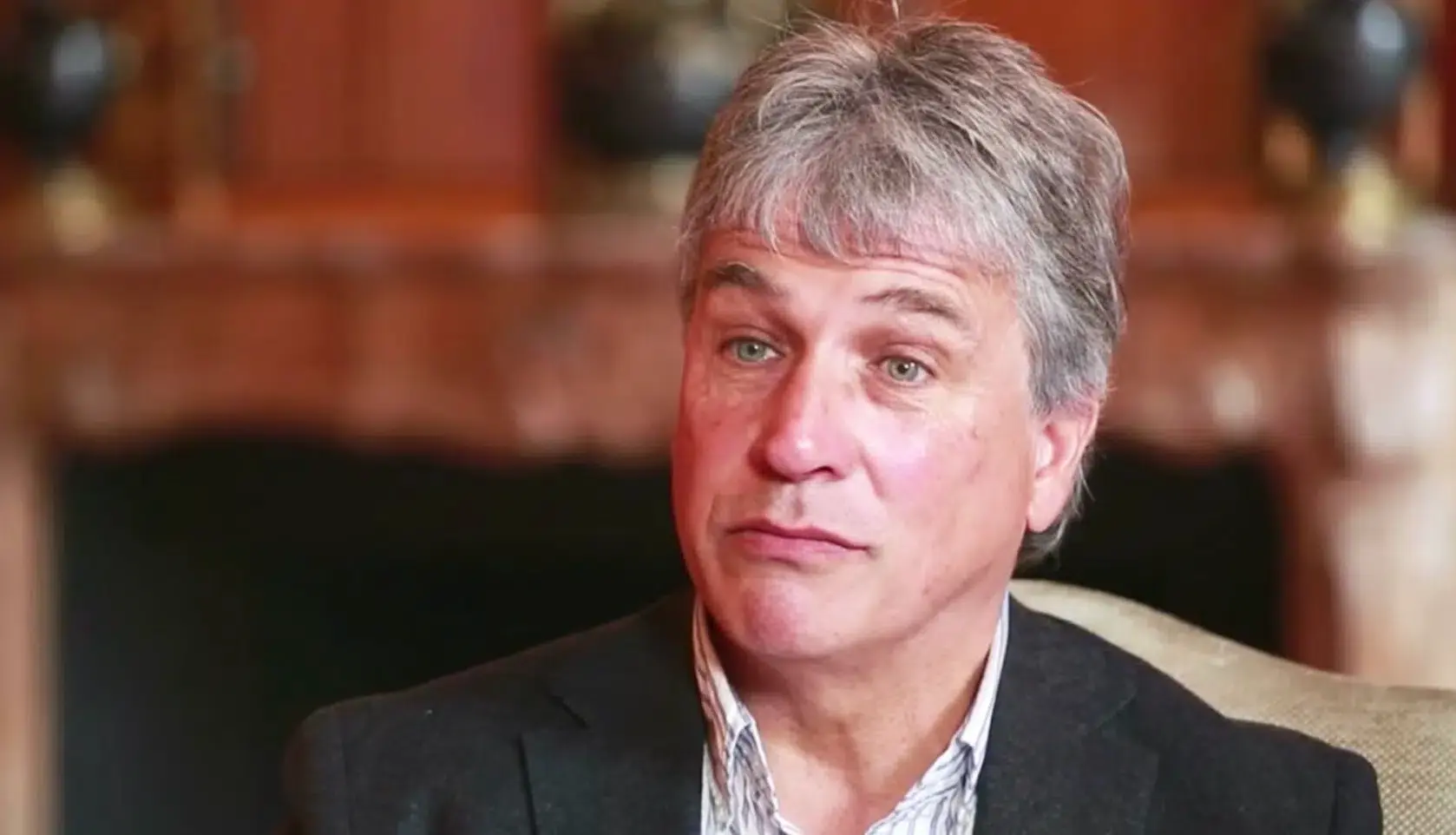

There’s a particular strain of rugby romanticism that insists the game gives more than it takes. John Inverdale isn’t buying it anymore.
“I’m ruined from top to toe,” he says, with the bluntness of a man who stayed on the pitch too long. “A big mistake to carry on playing that long.”
⭐ Save us to your Google Favourites for nonstop RUCK content!
The regret isn’t abstract. Turning out for Esher RFC into his late 40s, Inverdale pushed past the point where nostalgia becomes self-harm. He was still playing centre at 48, long after most bodies — and most medics — would advise otherwise.
The end came not gently but violently: a “five-inch gash” in a match against Staines, ten stitches, and finally a line drawn. “That was that,” is the subtext, even if the affection for the game never dimmed.
And it never has. Rugby, for Inverdale, is inheritance as much as obsession. His father’s role with the Royal Navy Rugby Union embedded the sport early, shaping a life that would later become synonymous with its soundtrack on the BBC. “It’s an integral part of the fabric of this country,” he says of the BBC. “Some people say they don’t like it… but if you turn the dial can you really find something else where you say: ‘Yes, that’s what’s happening’?”
His broadcasting peak remains the 1995 Rugby World Cup Final. A 747 roared low over Ellis Park. “A part of me thought: ‘This might be some kind of terrorist.’ Even the crowd went quiet.” Then came the message — “Good luck Bokke” — and, as he puts it, “the sigh of relief… impossible to exaggerate.”
John Inverdale stepped back from front-line coverage in 2021, moving into a role with the RFU representing National League clubs.
Now, at 68, he is pivoting again with Track Radio, a station blending sport and music. “It’s always been a mystery… so many musicians love sport, so many in sport love music. Why don’t we give it a go?”
Ruined body, undimmed instinct. Rugby rarely lets go — even when it probably should.
EDITORS PICKS:
- Andy Farrell became a father at 16 with the younger sister of an England legend
- The biggest rugby clubs in the world (Ranked 10-1)
- Nigel Owens names the greatest captain he refereed
- Leicester Tigers release player after 13 years at the club
- Hollie Davidson stood down from refereeing with immediate effect
TRENDING




LATEST NEWS



LATEST COMMENTS
- Jordie Barrett over Damian de Allende is far from being correct. The hype around Dupont is also overreaching, he's probably 4th in the world and has been since the 2023 WC. He also avoids certain matchups which is strange. The rest of the list is pretty good apart from minor subjective biases.JasonMarlow16-09-2026
Loading