Joe Schmidt reveals the real reason he had to quit the Wallabies
Rugby NewsSaturday, 15 February 2025 at 09:03
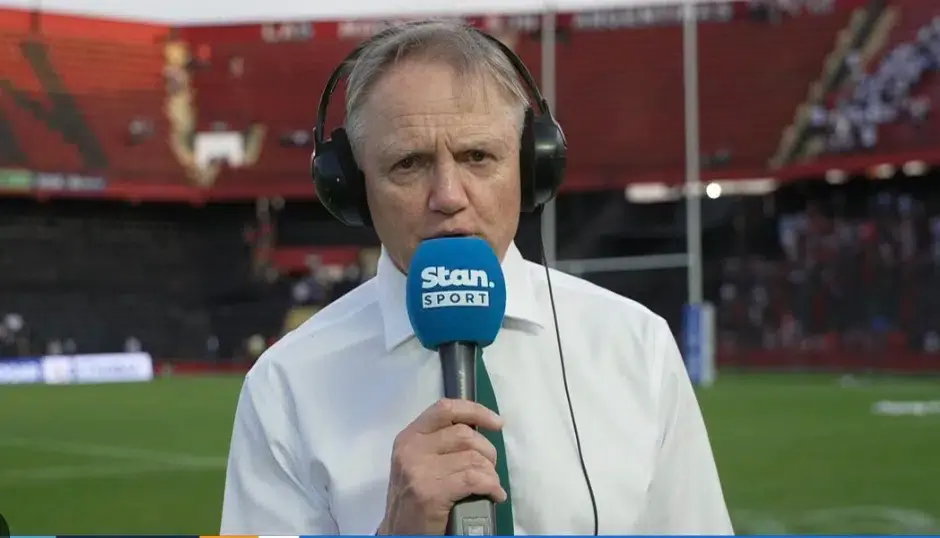

head coach in just six years, aiming to find Schmidt’s successor by the end of 2025.
Joe Schmidt has opened up on the emotional decision to step down as Wallabies head coach, despite being offered the chance to continue through to the next Rugby World Cup.
The 59-year-old’s wife, Kellie, and son, Luke, have remained in New Zealand while he has been coaching Australia, with Luke battling epilepsy. Ultimately, family came first, forcing Schmidt to step away from the role.
"I've got to say, the first thing is I've loved it—loved the opportunity," Morgan Turinui. "It's been a privilege, and the players, the staff... it's been a bit of a whirlwind, but it's been a heck of a lot of fun.
"And so it's disappointing for me, but I also know that it's something that I need to commit to finishing up. It’s not an easy decision, but it’s the right one for my family."
Schmidt admitted he had carefully considered the timing of his departure, explaining: "I also know that to finish up after the Lions... six days later, you're flying to Jo'burg to play the South Africans. I don't think that's the best time for a transition. So the end of the TRC is probably a good compromise.
"I’m looking forward to seeing the boys go against the Lions and working with them again. I still care a heck of a lot about this group."
A short but impactful reign
Schmidt, who led Ireland to three Six Nations titles between 2013 and 2019, took over from Eddie Jones after a brief stint as New Zealand’s attack coach.
He managed six wins from 13 matches with Australia, restoring some respectability after the Wallabies’ disastrous World Cup campaign.
"There are some great players coming through, and I’ve loved seeing their progress," he added. "There’s a lot of potential in this squad, and I have no doubt they’ll go from strength to strength."
Now, Rugby Australia are searching for their fifth
EDITORS PICKS:
- Another Wales coach has been removed from his position
- Leicester Tigers coach has been stood down from his duties
- 2003 Rugby World Cup winner Lawrence Dallaglio confirms divorce after 20 years
- England winger makes surprise return after expressing desire to play for Wales
- Ex-Scotland coach calls for “immature” national anthem to be axed
Marcus Smith is one of rugby’s richest stars with huge net worth
From iconic players to unexpected names, here’s the ultimate countdown of rugby’s wealthiest stars.
10. Marcus Smith – £1.46 million ($2 million)
Harlequins’ playmaker and marketing magnet
Marcus Smith isn’t just one of England’s most exciting talents—he’s also a rising commercial powerhouse. While his Premiership earnings are solid, his growing net worth is boosted by lucrative sponsorship deals with brands like Charles Tyrwhitt, Castore, Land Rover, and Breitling. His marketability ensures he’s a financial force both on and off the pitch.
Marcus Smith isn’t just one of England’s most exciting talents—he’s also a rising commercial powerhouse. While his Premiership earnings are solid, his growing net worth is boosted by lucrative sponsorship deals with brands like Charles Tyrwhitt, Castore, Land Rover, and Breitling. His marketability ensures he’s a financial force both on and off the pitch.
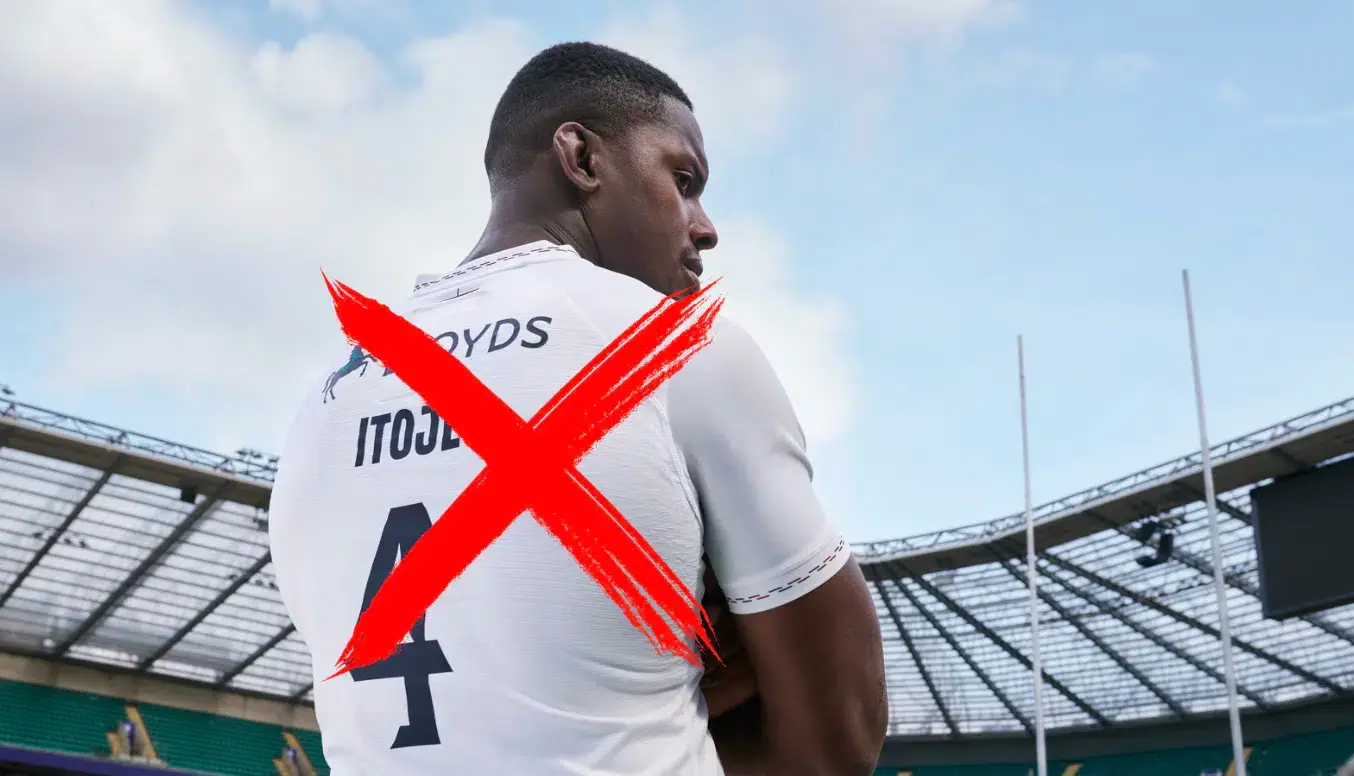
9. Maro Itoje – £1.46 million ($2 million)
England and Saracens’ towering presence
Maro Itoje matches Marcus Smith both on the pitch and in the bank. With his growing influence on and off the field, Itoje’s salary mirrors his worth to Saracens and England alike.
Maro Itoje matches Marcus Smith both on the pitch and in the bank. With his growing influence on and off the field, Itoje’s salary mirrors his worth to Saracens and England alike.
8. Charles Piutau – £1.85 million ($2.5 million)
A marquee signing with a marquee salary
When Charles Piutau joined Bristol Bears, it wasn’t just his skills that made headlines—it was his paycheck. Over five seasons, the former All Black became one of the highest-paid players in the sport.
When Charles Piutau joined Bristol Bears, it wasn’t just his skills that made headlines—it was his paycheck. Over five seasons, the former All Black became one of the highest-paid players in the sport.
7. Handré Pollard – £1.94 million ($2.7 million)
A Springbok with serious earning power
The lone South African in this list, Handré Pollard made waves when he left the Bulls for Montpellier. Now at Leicester Tigers, reports suggest Pollard’s earnings hit around R15 million per season.
The lone South African in this list, Handré Pollard made waves when he left the Bulls for Montpellier. Now at Leicester Tigers, reports suggest Pollard’s earnings hit around R15 million per season.
6. Ilona Maher – £3 million
A trailblazer on and off the pitch
Ilona Maher’s influence goes far beyond rugby. The USA sevens star has carved out a lucrative career through sponsorships, social media, and a growing brand that makes her one of the sport’s most marketable athletes.
Ilona Maher’s influence goes far beyond rugby. The USA sevens star has carved out a lucrative career through sponsorships, social media, and a growing brand that makes her one of the sport’s most marketable athletes.
5. Mike Tindall – £9.98 million ($13 million)
The royal connection
Rugby royalty and actual royalty collide in Mike Tindall. A World Cup winner in 2003, Tindall’s fortunes come from a mix of his rugby career, business ventures, and media appearances. Despite a few legal hurdles, his net worth is nearing £10 million.
Rugby royalty and actual royalty collide in Mike Tindall. A World Cup winner in 2003, Tindall’s fortunes come from a mix of his rugby career, business ventures, and media appearances. Despite a few legal hurdles, his net worth is nearing £10 million.
4. Jonny Wilkinson – £20.9 million ($29 million)
England’s golden boy turned financial giant
Jonny Wilkinson’s iconic 2003 Rugby World Cup drop goal didn’t just win a trophy—it built a brand. Now the second-richest Rugby World Cup winner, Wilkinson’s ventures in coaching, commentary, and endorsements have significantly boosted his net worth.
Jonny Wilkinson’s iconic 2003 Rugby World Cup drop goal didn’t just win a trophy—it built a brand. Now the second-richest Rugby World Cup winner, Wilkinson’s ventures in coaching, commentary, and endorsements have significantly boosted his net worth.
3. Sonny Bill Williams – £21.8 million ($30 million)
A dual-code dynamo
Sonny Bill Williams has excelled in both union and league, earning a fortune in France and through high-profile endorsements. With a net worth of £21.8 million, his career is as lucrative as it is legendary.
Sonny Bill Williams has excelled in both union and league, earning a fortune in France and through high-profile endorsements. With a net worth of £21.8 million, his career is as lucrative as it is legendary.
2. Sir Bill Gammell – £38.8 million ($50 million)
From rugby to business titan
Once a Scottish rugby player, Sir Bill Gammell transitioned into the business world, building an empire. With a net worth exceeding £38.8 million, Gammell’s success spans far beyond the pitch.
Once a Scottish rugby player, Sir Bill Gammell transitioned into the business world, building an empire. With a net worth exceeding £38.8 million, Gammell’s success spans far beyond the pitch.
1. Simon McDowell – £39.3 million ($54 million)
From referee to chemical company mogul
Simon McDowell may not be a household name among casual rugby fans, but his fortune outshines every player on this list. The former Ulster back earned a handful of caps for Ireland before injury ended his playing career early. However, his true wealth comes from his role in the family business, which operates in the chemical industry. His staggering £39.3 million net worth places him at the top of rugby’s richest.
Simon McDowell may not be a household name among casual rugby fans, but his fortune outshines every player on this list. The former Ulster back earned a handful of caps for Ireland before injury ended his playing career early. However, his true wealth comes from his role in the family business, which operates in the chemical industry. His staggering £39.3 million net worth places him at the top of rugby’s richest.
Quiz: Can you all of the Guinness Six Nations winning captains?
In the storied history of Rugby's Greatest Championship, exceptional leaders have emerged—warriors of various forms, be they agile half-backs, towering second rows, or fearless flankers.
Our latest quiz invites you to identify those who have captained their nations to Guinness Six Nations glory. It's worth noting that in certain instances, there may be multiple captains from the same year due to factors such as injuries and rotation.
Surnames only will be accepted.
TRENDING


LATEST NEWS

LATEST COMMENTS
- Jordie Barrett over Damian de Allende is far from being correct. The hype around Dupont is also overreaching, he's probably 4th in the world and has been since the 2023 WC. He also avoids certain matchups which is strange. The rest of the list is pretty good apart from minor subjective biases.JasonMarlow16-09-2026
Loading