Jonah Lomu’s devastating final interview before tragic death aged 40
Rugby NewsThursday, 28 August 2025 at 07:32
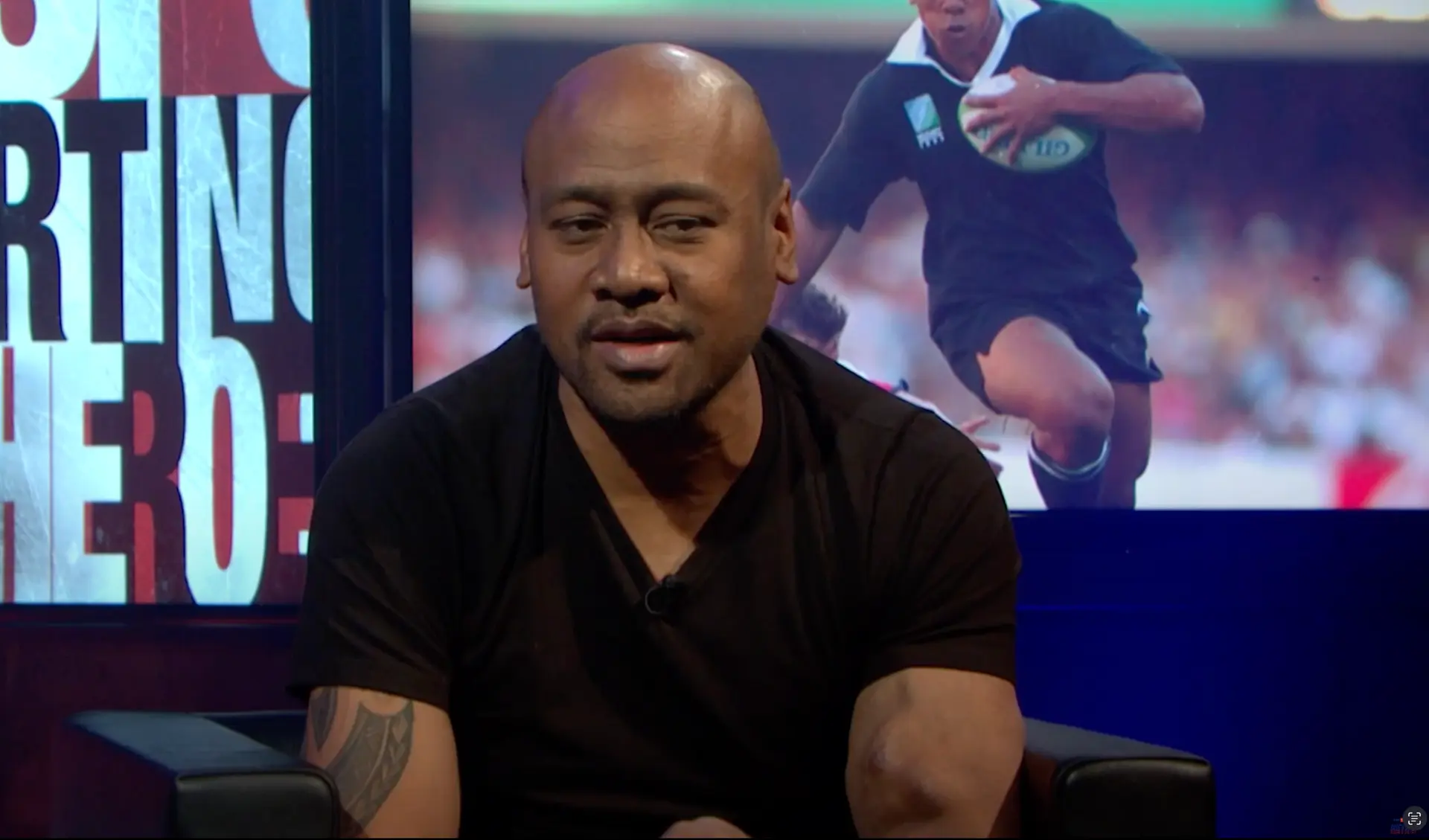

. The piece ran under the headline:
It has been almost a decade since Jonah Lomu, rugby’s first true global superstar, was taken far too soon.
On 18 November 2015, the world awoke to the heartbreaking news that Lomu had died unexpectedly in Auckland at the age of just 40. A heart attack, linked to his long-running kidney disease, ended the life of a man who had fought through years of dialysis and two failed transplants.
Join the RUCK’s WhatsApp community here and get the latest news sent straight to your messages.
The day before his death, Jonah had returned home to New Zealand with his wife Nadene and their two young boys after a whirlwind trip to the United Kingdom.
Despite his fragile health, he had thrown himself into promotional work during the 2015 Rugby World Cup and was fresh from a short family holiday in Dubai.
A Nation in Mourning
The outpouring of grief was immediate and immense. His first service was held at his home church in Māngere, Auckland, with family members by his side. Public memorials followed at the Vodafone Events Centre and at Eden Park, where thousands gathered to pay their respects. Tributes poured in from around the globe — from Queen Elizabeth II to grassroots rugby clubs. Perhaps most poignantly, children at his former primary school performed a moving haka in his honour.
New Zealand’s Parliament even passed a national motion recognising his legacy. A month later, the Jonah Lomu Legacy Trust was formed to help support his sons, Brayley and Dhyreille.
His Heartbreaking Final Interview
Just two months before his sudden death, Lomu gave one of his last major sit-down interviews to Mail Online
In hindsight, the words are devastating.
“My goal is to make it to the boys’ 21sts,” he confessed. “There are no guarantees that will happen, but it’s my focus. It’s a milestone that every parent wants to get to. My dad died young and that makes you think. I want my boys to be healthy and if they get to 21, they should be fit and healthy and live a normal life.”
The interview took place at London’s Savoy Hotel. Despite his declining health, Jonah smiled as he recounted simple joys with his family — such as taking Brayley and Dhyreille on an open-top London bus tour, laughing as the boys insisted on riding upstairs in the wind and rain while he and Nadene stayed sheltered below.
“These are new adventures for them,” he said proudly. “Getting them to write about this fantastic new world they have come to is going to be fun.”
Even as he joked that Nadene had to manage her “three boys,” moments of weariness slipped through. He was still waiting for a second kidney transplant — and time was clearly running out.
Sons Carrying the Torch
Nearly ten years later, Jonah’s boys are teenagers making their father proud. Both are avid athletes with a passion for tennis as well as rugby.
Brayley dreams of becoming the best tennis player in the world. “To be number one, you always have to try your best,” he says, echoing the same determination that once drove his father to global stardom.
Dhyreille, meanwhile, is weighing his options. “Dad will always be the best, so I might give something else a go,” he admits. Tennis, not rugby, could yet become the new Lomu legacy.
The Legend Lives On
Jonah Lomu was more than a rugby player — he was a phenomenon who redefined the game at the 1995 Rugby World Cup. Yet his final long sit-down reminds us of the man behind the legend: a devoted husband, a loving father, and a gentle giant who only wanted to see his sons grow up.
He never reached that milestone. But his words, his impact, and his legacy live on — in his children, in the game he transformed, and in the millions he inspired.
EDITORS PICKS:
- Rugby fans can’t believe Joe Marler’s incredible body transformation
- Sky Sports presenter who dated Jonny Wilkinson reveals very different life now
- Louis Rees-Zammit hits Olympic-level 100m sprint time ahead of rugby return
- Finn Russell: Bath Rugby Confirms Playmaker Stood Down from Matches
Jonah Lomu included England legend when naming his toughest ever opponent
Back in 2001, All Blacks legend Jonah Lomu revealed some of the toughest opponents he faced during his iconic career. These four players stood out as pivotal in his selection.
4. Joost van der Westhuizen (South Africa)
South African rugby legend, known for his exceptional skills as a scrum-half. Van der Westhuizen captivated fans with his speed, agility, and tactical brilliance. A key figure in the Springboks' 1995 Rugby World Cup triumph, his legacy continues to inspire generations of rugby fans.
JONAH LOMU SAID: "Such an honour to have played against him. Still not sure how he made that tackle on me during the 1995 final (Rugby World Cup). I just looked down and my legs were gone."
DID YOU KNOW? He was inducted into the International Rugby Hall of Fame in 2007

3. Martin Johnson (England)
Towering presence in English rugby, renowned for his leadership and uncompromising style as a lock forward. Johnson's imposing stature and tactical acumen made him a formidable force on the pitch. Captaining England to Rugby World Cup victory in 2003 solidified his status as a true rugby legend.
LOMU SAID: "Few players demanded respect on the field like him. A great guy off the field too."
DID YOU KNOW? In 1990 he was even selected for the New Zealand under-21 side which went on a tour of Australia

2. Tim Horan (Australia)
Australian rugby icon celebrated for his versatility and strategic brilliance on the field. Horan's illustrious career saw him dominate as a centre, earning him accolades as one of the greatest players of his generation. A key figure in Australia's Rugby World Cup victories in 1991 and 1999.
LOMU SAID: "Horan was one of the best backs I’ve ever seen."
DID YOU KNOW? As well as inside centre, Horan also played fly-half and earned one international cap on the wing
1. Emile Ntamack (France)
French rugby maestro known for his electrifying pace and dazzling footwork as a winger. Ntamack's flair and skill mesmerized audiences, establishing him as one of France's finest rugby talents. A key player in Les Bleus' successes during the 1990s, his influence on the game endures as an inspiration.
JONAH LOMU SAID: "He's my toughest opponent for sure,”
“When your taught to defend against someone you’re told to watch his hips because it’s the one place on the body when you’re running that stays in one place,
“The problem with Émile was his whole body shifted, including his hips, meaning when he ran he swayed from side to side so I was always like what the hell am I going to do here. He was also really fleet-footed."
DID YOU KNOW? His oldest son Romain Ntamack is also a professional rugby union player like his uncle and dad since 2017.
Quiz: Name these 10 retro rugby players #2
If you’re over 30 and can’t name these iconic rugby stars from the 2000s, we have to ask: were you really paying attention? Back by popular demand, it’s time for part two of our nostalgic quiz.
From stunning tries to unforgettable moments—and yes, some hairstyles we’d rather forget—these players were at the heart of rugby’s golden era. If the names don’t come flooding back, it might be time to fire up YouTube and relive the magic.
Think you’ve got what it takes to ace this one? Let’s find out. Good luck!
TRENDING



LATEST NEWS


LATEST COMMENTS
- Jordie Barrett over Damian de Allende is far from being correct. The hype around Dupont is also overreaching, he's probably 4th in the world and has been since the 2023 WC. He also avoids certain matchups which is strange. The rest of the list is pretty good apart from minor subjective biases.JasonMarlow16-09-2026
Loading