Jonny Wilkinson drops major hint about son following in his footsteps
Rugby NewsSaturday, 21 February 2026 at 07:06
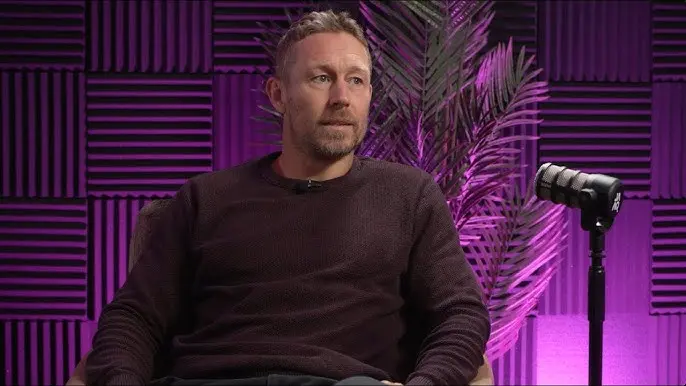

espite landing the drop goal that sealed England’s 2003 Rugby World Cup glory, Jonny Wilkinson has admitted he would think twice about seeing his own son follow the same path.
The legendary former fly-half — famed for his relentless drive and obsession with perfection — has opened up on the mental toll his career took, revealing the unseen psychological battle behind his greatest triumphs.
Jonny and his wife, Shelley, welcomed their first child, a son, in 2018. However, Wilkinson has made it clear that he would not want his child to endure the same psychological struggles he faced throughout his rugby career.
In a candid interview with
Mail Online before his son's birth, Wilkinson reflected on the pressure he placed on himself and how it affected his mental well-being.
"I would hope to high heaven that if I had a boy, he would not get, or have, the same mindset I had," he admitted. "A
lot of the pressure of my career I put on myself, the way I live life. And it was hell a lot of the time."
Wilkinson, who battled anxiety and obsessive perfectionism, described how his mental struggles continued long after his playing days. Despite retiring from professional rugby in 2014, he has spoken openly about the psychological scars left behind.
In his autobiography, Jonny: My Autobiography, he revealed how the weight of expectation and an unrelenting desire to be the best often left him feeling isolated and mentally exhausted. At the height of his career, Wilkinson’s internal battles were so intense that even moments of triumph, like the World Cup win, felt more like relief than joy.
He continued, "I’d see it as a waste if I saw my son going through it the same way. I want him follow his talents whatever they may turn out to be,"
Join the RUCK’s WhatsApp community here and get the latest news sent straight to your messages.
Although proud of his achievements, Wilkinson is eager for his child to forge a different path—one that allows for more balance and happiness. "I’d like to think, in a very honest, open, spiritual way, I’d be able to say, 'Do whatever you want.' But at the same time…" he trailed off, hinting at his hope that his son would avoid the mental burdens that came with elite-level sport.
Since retiring, Wilkinson has turned to mindfulness and spiritual practices to manage his mental health. He now advocates for a holistic approach to well-being, encouraging others to prioritize mental clarity and self-compassion over perfection.
While his place in rugby history is secure, Jonny Wilkinson’s greatest hope is that his son will find fulfillment—without the struggles that defined much of his own journey.
Giving back to his local club
"ong before Jonny was launched into international fame for that unforgettable extra-time drop goal that secured England’s 2003 World Cup victory, he was just another youngster playing for the Alton under-7s and watching his dad take to the field at Anstey Park.
Jonny reached out to Alton Rugby Club, asking if he could return for a visit and lend a hand with coaching the club’s new generation of rising stars — an offer that the club eagerly accepted but kept under wraps to surprise parents and players alike.

Word of Jonny’s visit spread rapidly around Anstey Park, but in true rugby spirit, the young players stayed focused on their training, quietly hoping to catch a glimpse of their hero. Their patience was richly rewarded when Jonny spent time with each squad, sharing advice, encouragement, and support before happily posing for team photos with all the children.
Jonny clearly relished being back at Anstey Park and spending time with the youngsters. Reflecting on the venue, he fondly remembered its once muddy pitches and praised the significant improvements made to the grounds — a testament to the hard work of Alton Town Council and Alton Rugby Club in enhancing the park for everyone’s enjoyment.
The 15 Greatest Fly-Halves in Rugby History (Ranked 15-1)
15. Nicolás Sánchez (Argentina)
“The Tango Technician”
Sánchez carried Argentina’s golden generation with ice-cold precision. His tactical kicking, composure, and competitive fire helped the Pumas topple giants and cement their place among rugby’s elite.
Sánchez carried Argentina’s golden generation with ice-cold precision. His tactical kicking, composure, and competitive fire helped the Pumas topple giants and cement their place among rugby’s elite.
14. Finn Russell (Scotland)
“The Maverick Maestro”
Russell plays the game like no one else — fearless, instinctive, and always ready to roll the dice. His flair and unpredictability have made Scotland thrilling again and defenders terrified once more.
Russell plays the game like no one else — fearless, instinctive, and always ready to roll the dice. His flair and unpredictability have made Scotland thrilling again and defenders terrified once more.
13. Carlos Spencer (New Zealand)
“King Carlos of Chaos”
Showboating? Maybe. Brilliant? Absolutely. Spencer’s outrageous skills and confidence made him a global icon. At his best, he turned matches into magic shows — the original highlight-reel No.10.
Showboating? Maybe. Brilliant? Absolutely. Spencer’s outrageous skills and confidence made him a global icon. At his best, he turned matches into magic shows — the original highlight-reel No.10.
12. Grant Fox (New Zealand)
“The Metronome”
Before the flash came the function. Fox’s accuracy and discipline guided the All Blacks to their first World Cup in 1987. A pure kicker and tactical thinker — the old-school master of control.
Before the flash came the function. Fox’s accuracy and discipline guided the All Blacks to their first World Cup in 1987. A pure kicker and tactical thinker — the old-school master of control.
11. Phil Bennett (Wales)
“The Welsh Wizard”
Few moved like Bennett. His sidestep was art in motion, his passion pure fire. He led Wales through their golden 1970s and became a Lions legend. A player who made rugby romantic.
Few moved like Bennett. His sidestep was art in motion, his passion pure fire. He led Wales through their golden 1970s and became a Lions legend. A player who made rugby romantic.
10. Owen Farrell (England)
“The Relentless General”
Tough, intense, and endlessly driven. Farrell’s defensive grit and accuracy from the tee have anchored England for over a decade. A natural leader who thrives in the fire — and demands the same of everyone else.
Tough, intense, and endlessly driven. Farrell’s defensive grit and accuracy from the tee have anchored England for over a decade. A natural leader who thrives in the fire — and demands the same of everyone else.
9. Stephen Larkham (Australia)
“The Wallaby Whisperer”
Larkham floated through defences like a ghost, blending pace with poise. His vision guided Australia to the 1999 World Cup, and that semi-final drop goal remains one of rugby’s defining moments.
Larkham floated through defences like a ghost, blending pace with poise. His vision guided Australia to the 1999 World Cup, and that semi-final drop goal remains one of rugby’s defining moments.
8. Naas Botha (South Africa)
“The Original Orchestrator”
Decades ahead of his time, Botha controlled matches like a chess player. His booming boot and rugby intellect made him a one-man game plan. The prototype for every tactical fly-half to follow.
Decades ahead of his time, Botha controlled matches like a chess player. His booming boot and rugby intellect made him a one-man game plan. The prototype for every tactical fly-half to follow.
7. Johnny Sexton (Ireland)
“The Perfectionist”
Driven by obsession and fuelled by fury, Sexton transformed Ireland from contenders to world-beaters. His leadership and laser focus brought Grand Slams and respect that will last for generations.
Driven by obsession and fuelled by fury, Sexton transformed Ireland from contenders to world-beaters. His leadership and laser focus brought Grand Slams and respect that will last for generations.
6. Beauden Barrett (New Zealand)
“Lightning in Boots”
Fast, fearless, and forever dangerous. Barrett redefined what a fly-half could be — lethal as a runner, visionary as a passer. Two-time World Player of the Year and still rewriting the rulebook.
Fast, fearless, and forever dangerous. Barrett redefined what a fly-half could be — lethal as a runner, visionary as a passer. Two-time World Player of the Year and still rewriting the rulebook.
5. Barry John (Wales)
“The King of Cardiff”
When Barry John played, rugby became art. Elegant, elusive, and effortless, he ruled the 1970s as the sport’s first superstar. His career was short, but his legend eternal.
When Barry John played, rugby became art. Elegant, elusive, and effortless, he ruled the 1970s as the sport’s first superstar. His career was short, but his legend eternal.
4. Michael Lynagh (Australia)
“The Thinking Man’s 10”
Composed, clever, and clinical. Lynagh’s tactical brain and pinpoint kicking were the foundations of Australia’s early-90s dominance. Quiet brilliance that spoke volumes when it mattered most.
Composed, clever, and clinical. Lynagh’s tactical brain and pinpoint kicking were the foundations of Australia’s early-90s dominance. Quiet brilliance that spoke volumes when it mattered most.
3. Handré Pollard (South Africa)
“The Ice-Cold Closer”
Pollard thrives when everything is on the line. Two World Cups, countless clutch kicks, and the calmest head in the stadium. A powerhouse playmaker who delivers when the world is watching.
Pollard thrives when everything is on the line. Two World Cups, countless clutch kicks, and the calmest head in the stadium. A powerhouse playmaker who delivers when the world is watching.
2. Jonny Wilkinson (England)
“Mr Perfect”
More than one drop goal. Wilkinson’s precision, professionalism, and toughness made him a global icon. His 2003 heroics changed English rugby forever, but his relentless standards defined him even more.
More than one drop goal. Wilkinson’s precision, professionalism, and toughness made him a global icon. His 2003 heroics changed English rugby forever, but his relentless standards defined him even more.
1. Dan Carter (New Zealand)
“The Complete Ten”
The gold standard. Carter had everything — balance, brain, and beauty in motion. A master of tempo and timing who made the impossible look effortless. Two World Cups, three World Player of the Year titles, one legend.
The gold standard. Carter had everything — balance, brain, and beauty in motion. A master of tempo and timing who made the impossible look effortless. Two World Cups, three World Player of the Year titles, one legend.
TRENDING


LATEST NEWS


LATEST COMMENTS
- Jordie Barrett over Damian de Allende is far from being correct. The hype around Dupont is also overreaching, he's probably 4th in the world and has been since the 2023 WC. He also avoids certain matchups which is strange. The rest of the list is pretty good apart from minor subjective biases.JasonMarlow16-09-2026
Loading