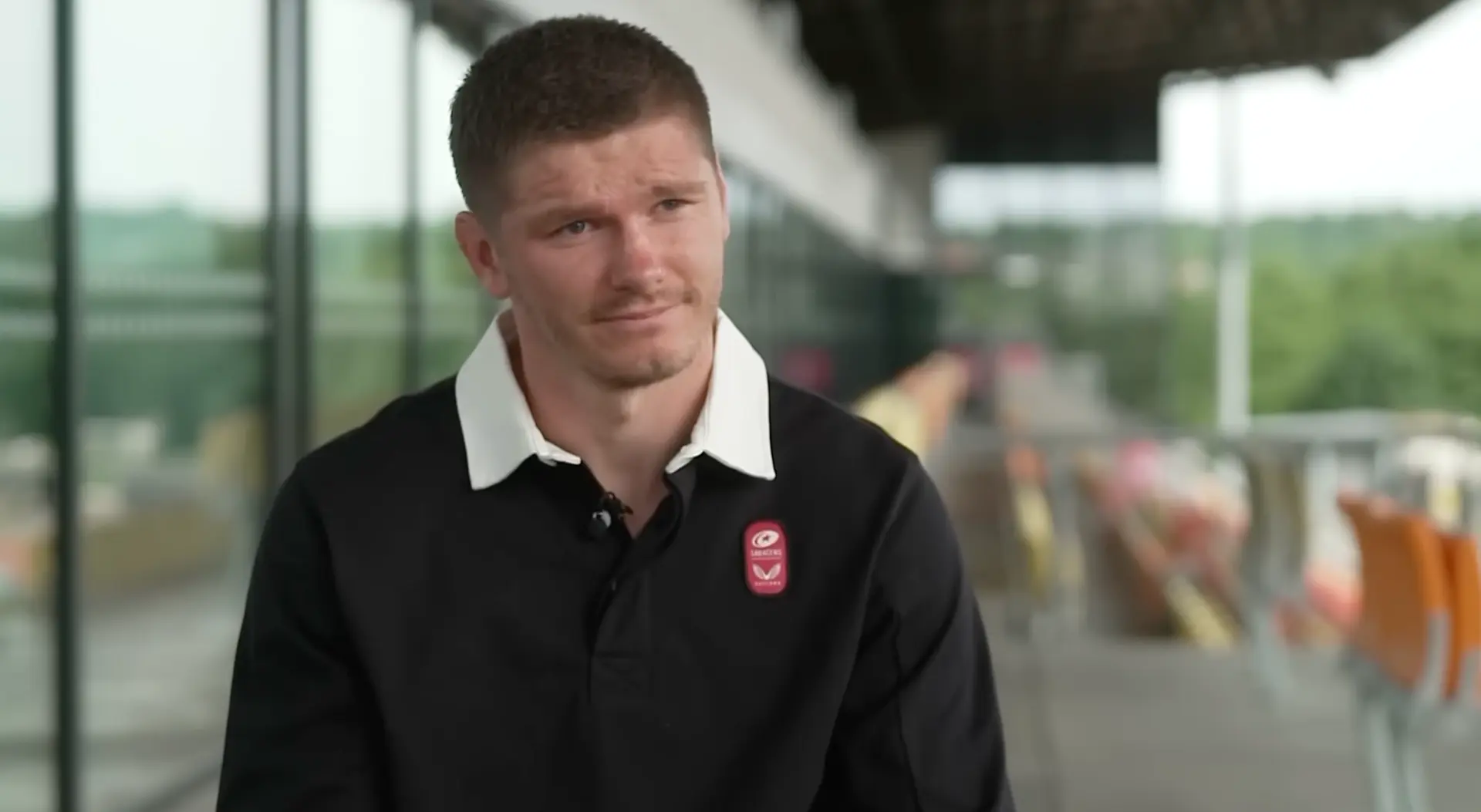
Owen Farrell could be set for the first major step of his post-playing career — with reports suggesting he may join the senior coaching team at Saracens alongside his father.
Watch the Guinness Six Nations at your local Greene King sports pub.
With Andy Farrell reportedly being lined up for a return to the North London club once his current deal with Irelandexpires after the 2027 Rugby World Cup, attention is now turning to what role Owen could play in the next chapter of the club’s coaching structure.
According to French outlet Midi Olympique, Andy Farrell could be set for a reunion with Saracens — the club where he first crossed from rugby league in 2005. But significantly, the move could also open the door for Owen to step into what would be his first senior coaching position in the professional game.
A Long-Term Coaching Ambition
Owen has previously made no secret of his desire to become a top-level coach when his playing days come to an end. Widely regarded as one of the most meticulous and tactically astute players of his generation, he has often been described by former teammates as a “coach on the field.”
A transition into Saracens’ senior setup would represent a natural progression. The club has long been central to his professional identity, having developed into one of Europe’s leading fly-halves in North London and captained both club and country during his career.
Working under his father would also provide a unique apprenticeship at the elite level. Andy’s coaching résumé — from Saracens to England and then Ireland — has established him as one of the most respected figures in the modern game.
A Family Reunion at StoneX?
Andy Farrell made the high-profile switch from rugby league side Wigan Warriors to Saracens in 2005, later moving into coaching at the club before rising to the international stage. He departed the England set-up following the 2015 World Cup and went on to succeed Joe Schmidt as Ireland head coach after the 2019 tournament.
Should he return to Saracens after 2027, the possibility of Owen beginning his senior coaching career alongside him would mark a significant new chapter — not just for the club, but for one of rugby’s most prominent family dynasties.
For Owen, it would signal the start of a new era: from commanding games at fly-half to shaping them from the touchline.
LATEST RUGBY NEWS
The best Fly-Halves in Rugby History (Ranked 15-1)
Here’s RUCK’s definitive list of the 15 best fly-halves of all time — guaranteed to spark a few debates down the pub.
15. Nicolás Sánchez (Argentina)
“The Tango Technician”
Sánchez carried Argentina’s golden generation with ice-cold precision. His tactical kicking, composure, and competitive fire helped the Pumas topple giants and cement their place among rugby’s elite.
Sánchez carried Argentina’s golden generation with ice-cold precision. His tactical kicking, composure, and competitive fire helped the Pumas topple giants and cement their place among rugby’s elite.
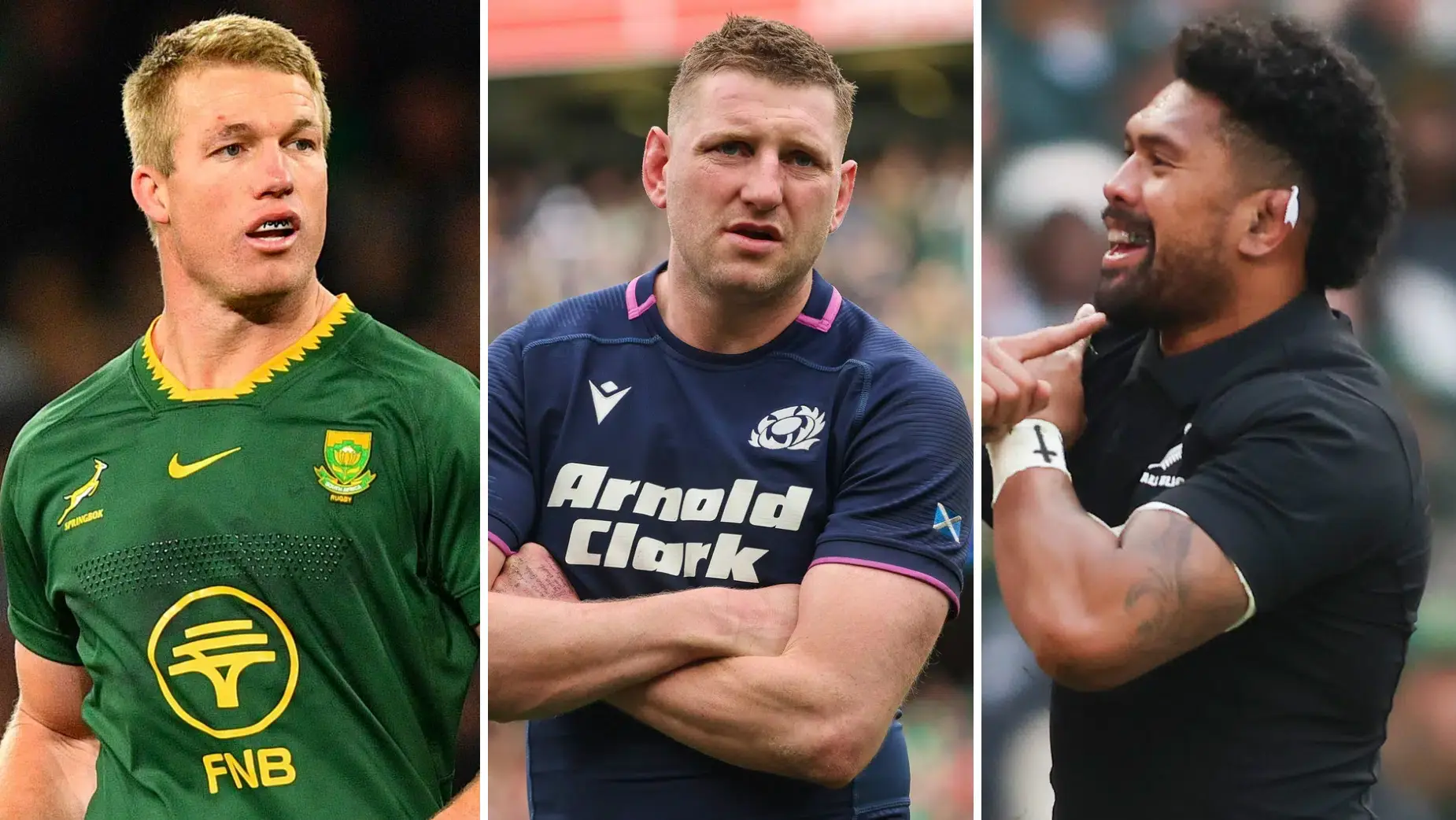
14. Finn Russell (Scotland)
“The Maverick Maestro”
Russell plays the game like no one else — fearless, instinctive, and always ready to roll the dice. His flair and unpredictability have made Scotland thrilling again and defenders terrified once more.
Russell plays the game like no one else — fearless, instinctive, and always ready to roll the dice. His flair and unpredictability have made Scotland thrilling again and defenders terrified once more.
13. Carlos Spencer (New Zealand)
“King Carlos of Chaos”
Showboating? Maybe. Brilliant? Absolutely. Spencer’s outrageous skills and confidence made him a global icon. At his best, he turned matches into magic shows — the original highlight-reel No.10.
Showboating? Maybe. Brilliant? Absolutely. Spencer’s outrageous skills and confidence made him a global icon. At his best, he turned matches into magic shows — the original highlight-reel No.10.
12. Grant Fox (New Zealand)
“The Metronome”
Before the flash came the function. Fox’s accuracy and discipline guided the All Blacks to their first World Cup in 1987. A pure kicker and tactical thinker — the old-school master of control.
Before the flash came the function. Fox’s accuracy and discipline guided the All Blacks to their first World Cup in 1987. A pure kicker and tactical thinker — the old-school master of control.
11. Phil Bennett (Wales)
“The Welsh Wizard”
Few moved like Bennett. His sidestep was art in motion, his passion pure fire. He led Wales through their golden 1970s and became a Lions legend. A player who made rugby romantic.
Few moved like Bennett. His sidestep was art in motion, his passion pure fire. He led Wales through their golden 1970s and became a Lions legend. A player who made rugby romantic.
10. Owen Farrell (England)
“The Relentless General”
Tough, intense, and endlessly driven. Farrell’s defensive grit and accuracy from the tee have anchored England for over a decade. A natural leader who thrives in the fire — and demands the same of everyone else.
Tough, intense, and endlessly driven. Farrell’s defensive grit and accuracy from the tee have anchored England for over a decade. A natural leader who thrives in the fire — and demands the same of everyone else.
9. Stephen Larkham (Australia)
“The Wallaby Whisperer”
Larkham floated through defences like a ghost, blending pace with poise. His vision guided Australia to the 1999 World Cup, and that semi-final drop goal remains one of rugby’s defining moments.
Larkham floated through defences like a ghost, blending pace with poise. His vision guided Australia to the 1999 World Cup, and that semi-final drop goal remains one of rugby’s defining moments.
8. Naas Botha (South Africa)
“The Original Orchestrator”
Decades ahead of his time, Botha controlled matches like a chess player. His booming boot and rugby intellect made him a one-man game plan. The prototype for every tactical fly-half to follow.
Decades ahead of his time, Botha controlled matches like a chess player. His booming boot and rugby intellect made him a one-man game plan. The prototype for every tactical fly-half to follow.
7. Johnny Sexton (Ireland)
“The Perfectionist”
Driven by obsession and fuelled by fury, Sexton transformed Ireland from contenders to world-beaters. His leadership and laser focus brought Grand Slams and respect that will last for generations.
Driven by obsession and fuelled by fury, Sexton transformed Ireland from contenders to world-beaters. His leadership and laser focus brought Grand Slams and respect that will last for generations.
6. Beauden Barrett (New Zealand)
“Lightning in Boots”
Fast, fearless, and forever dangerous. Barrett redefined what a fly-half could be — lethal as a runner, visionary as a passer. Two-time World Player of the Year and still rewriting the rulebook.
Fast, fearless, and forever dangerous. Barrett redefined what a fly-half could be — lethal as a runner, visionary as a passer. Two-time World Player of the Year and still rewriting the rulebook.
5. Barry John (Wales)
“The King of Cardiff”
When Barry John played, rugby became art. Elegant, elusive, and effortless, he ruled the 1970s as the sport’s first superstar. His career was short, but his legend eternal.
When Barry John played, rugby became art. Elegant, elusive, and effortless, he ruled the 1970s as the sport’s first superstar. His career was short, but his legend eternal.
4. Michael Lynagh (Australia)
“The Thinking Man’s 10”
Composed, clever, and clinical. Lynagh’s tactical brain and pinpoint kicking were the foundations of Australia’s early-90s dominance. Quiet brilliance that spoke volumes when it mattered most.
Composed, clever, and clinical. Lynagh’s tactical brain and pinpoint kicking were the foundations of Australia’s early-90s dominance. Quiet brilliance that spoke volumes when it mattered most.
3. Handré Pollard (South Africa)
“The Ice-Cold Closer”
Pollard thrives when everything is on the line. Two World Cups, countless clutch kicks, and the calmest head in the stadium. A powerhouse playmaker who delivers when the world is watching.
Pollard thrives when everything is on the line. Two World Cups, countless clutch kicks, and the calmest head in the stadium. A powerhouse playmaker who delivers when the world is watching.
2. Jonny Wilkinson (England)
“Mr Perfect”
More than one drop goal. Wilkinson’s precision, professionalism, and toughness made him a global icon. His 2003 heroics changed English rugby forever, but his relentless standards defined him even more.
More than one drop goal. Wilkinson’s precision, professionalism, and toughness made him a global icon. His 2003 heroics changed English rugby forever, but his relentless standards defined him even more.
1. Dan Carter (New Zealand)
“The Complete Ten”
The gold standard. Carter had everything — balance, brain, and beauty in motion. A master of tempo and timing who made the impossible look effortless. Two World Cups, three World Player of the Year titles, one legend.
The gold standard. Carter had everything — balance, brain, and beauty in motion. A master of tempo and timing who made the impossible look effortless. Two World Cups, three World Player of the Year titles, one legend.
TRENDING


LATEST NEWS
LATEST COMMENTS
- Jordie Barrett over Damian de Allende is far from being correct. The hype around Dupont is also overreaching, he's probably 4th in the world and has been since the 2023 WC. He also avoids certain matchups which is strange. The rest of the list is pretty good apart from minor subjective biases.JasonMarlow16-09-2026
Loading