Peter O'Mahony is set for a lucrative income with his new line of work
Rugby NewsThursday, 04 September 2025 at 14:00
In stepping away from rugby, he demonstrates that legacy doesn’t always mean following in the same footsteps—it can also mean finding your own path.
March 2025 marked the end of an era for Irish rugby as Peter O’Mahony, alongside stalwarts Cian Healy and Conor Murray, announced his retirement from international rugby.
The trio bowed out after a combined 376 caps, with O’Mahony’s final Ireland appearance coming against Italy in Rome during this year’s Six Nations.
Join RUCK’s Instagram broadcast channel and get the latest rugby news straight to your phone.
For Munster and Ireland, O’Mahony was more than a flanker; he was a captain, a leader, and the kind of workhorse every team dreams of. Since making his Munster debut in 2008, he rose to prominence with a relentless work rate, tactical intelligence, and physicality that earned him a reputation as one of the finest back-row players of his generation.
His Ireland career began in 2010, culminating in a Grand Slam triumph in 2018 and multiple Six Nations campaigns, leaving a lasting legacy on and off the pitch.
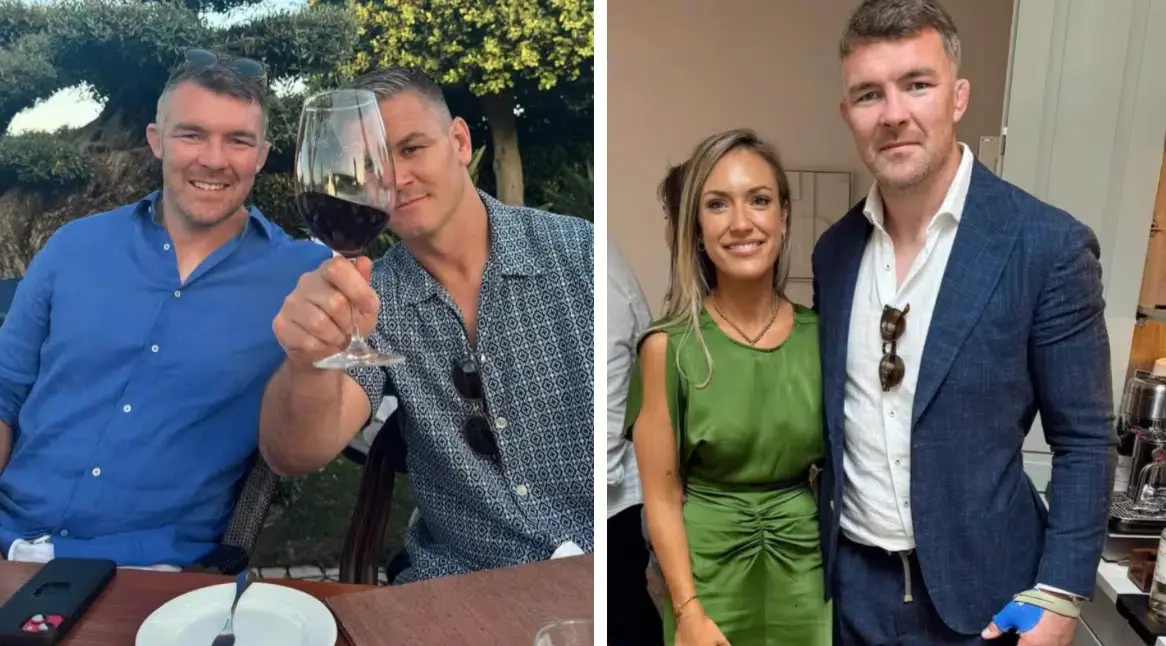
But Peter O’Mahony’s story isn’t just about rugby. Away from the stadium lights, he has carved out a unique space as a lifestyle influencer. Together with his wife, he recently graced the cover of
Irish Country Magazine, showcasing their love for gardening and landscaping—a passion that resonates with a wide audience beyond traditional sports fans.
His social media presence, particularly among men who are often harder to reach through mainstream campaigns, makes him a lucrative figure in the influencer world.
Even in retirement, O’Mahony shows no sign of slowing down. Reports suggest he could be earning around £500,000 per year from his influence, while also dipping into punditry during the Autumn internationals.
It’s a testament to his versatility: the leadership, discipline, and charisma that made him a rugby icon are now translating into success off the field, potentially rivaling his earnings as a professional player.
Whether he’s captaining a back-row charge or redesigning a garden with his wife, O’Mahony continues to be a figure who commands attention—proof that the end of an international career doesn’t mean the end of influence.
EDITORS PICKS:
“Dad was the best” – Six rugby sons who failed to match their father’s achievements
In rugby, legacy is a powerful force—but not always a guarantee of success.
These six sons of rugby legends had the world at their feet but ultimately fell short of matching their fathers’ towering achievements.
Cameron Redpath (Son of Bryan Redpath)
Cameron Redpath, son of former Scotland captain Bryan Redpath, began his career with promise. He represented England at age-group levels before switching to Scotland, earning 14 caps and playing in the 2023 Rugby World Cup.
However, his career has been marred by a series of major surgeries, including two ACL reconstructions and multiple shoulder and neck operations. These setbacks have limited his playing time and hindered his ability to reach the heights of his father's illustrious career.
Despite his resilience and determination, Redpath's injuries have prevented him from becoming a mainstay in the Scotland team.
Louis Lynagh (Son of Michael Lynagh)
Louis Lynagh, son of Australian World Cup winner Michael Lynagh, has carved out his own path in rugby. He represented England at age-group levels before making his Six Nations debut for Italy, scoring a try against Scotland.
While he has shown promise, Lynagh has not yet achieved the same level of success as his father, who earned 72 caps and was a key figure in Australia's 1991 World Cup victory.
His international career is still in its early stages, and it remains to be seen if he can reach the heights of his father's legacy.
Adam Hastings (Son of Gavin Hastings)
Adam Hastings, son of Scottish rugby legend Gavin Hastings, has had a solid career, earning 27 caps for Scotland.
He has played for clubs like Bath, Glasgow Warriors, and Gloucester. However, his career has been hindered by a series of injuries, including multiple shoulder, ankle, and knee issues, which have limited his appearances and prevented him from consistently performing at the highest level.
While he has shown flashes of brilliance, Hastings has yet to establish himself as a key figure in the Scotland team.
Lucas Brooke (Son of Zinzan Brooke)
Lucas Brooke, son of All Blacks legend Zinzan Brooke, began his rugby journey with promise, joining the London Irish Academy at age 13 and representing Berkshire at county level. However, his career has been hampered by setbacks, including a year-long hiatus from the sport.
Despite his return to rugby, Brooke has not been able to replicate the success of his father, who earned 58 caps for New Zealand and starred in the 1987 and 1991 World Cup campaigns.
His path has been marked by inconsistency and missed opportunities, preventing him from reaching the heights of his father's legacy.
Dhyreille Lomu (Son of Jonah Lomu)
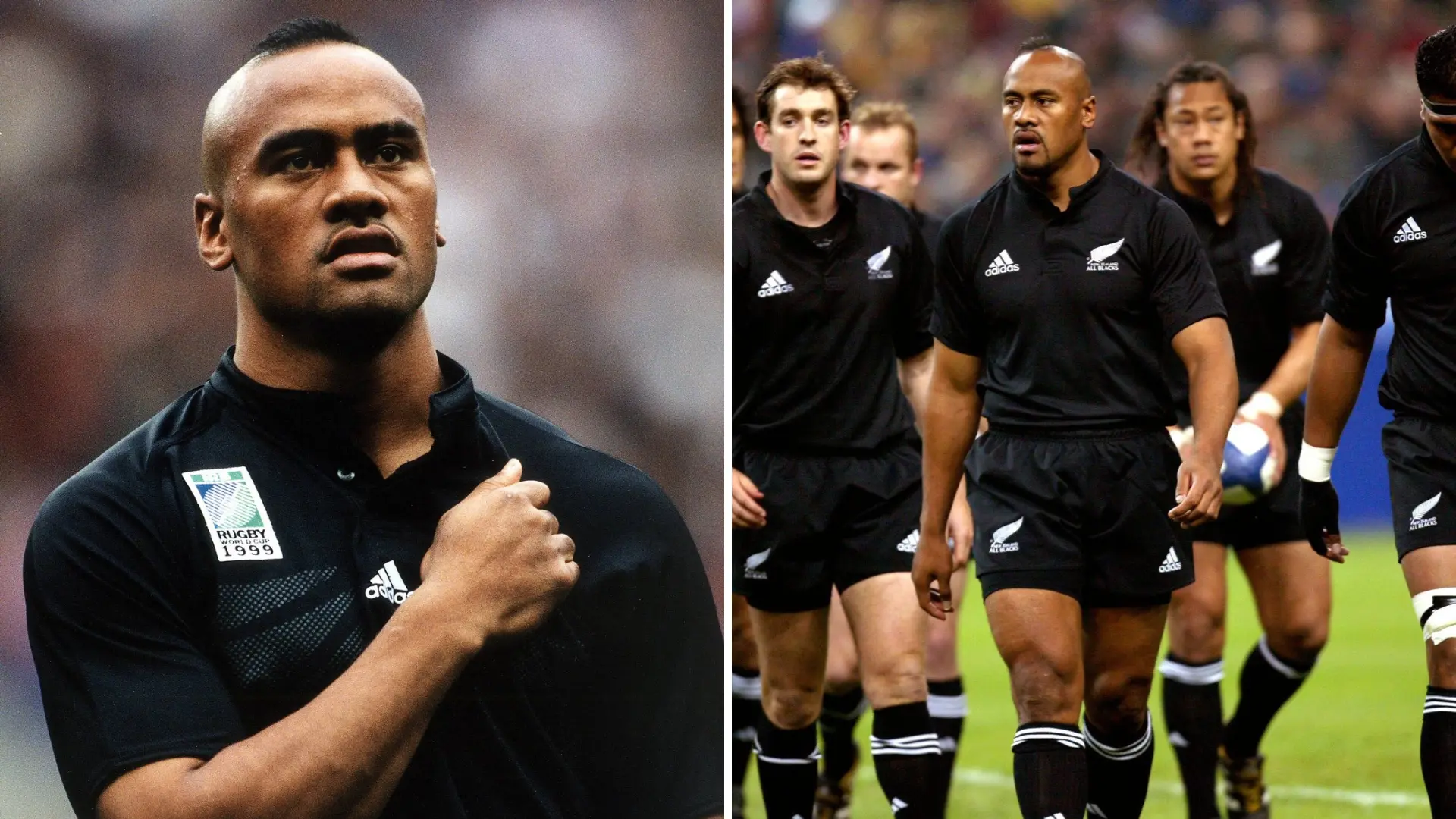
Dhyreille Lomu, son of the legendary All Black Jonah Lomu, showed early promise in rugby but has since decided to step back from the sport.
Growing up in the shadow of one of rugby’s greatest icons, Dhyreille faced enormous expectations, and while he impressed as a teenager, he has chosen to explore other passions. Alongside his brother Brayley, he has developed a love for tennis, with Brayley dreaming of becoming the world’s best.
Dhyreille reflects on his path with humility and perspective: “Dad will always be the best, so I might give something else a go.”
Lewis Tierney (Son of Jason Robinson)
Lewis Tierney, son of former England and British & Irish Lions star Jason Robinson, had a promising start to his career. He played for Wigan Warriors and represented Scotland at the international level, but a series of injuries cut his career short, leading to an early retirement from rugby league.
While he showed potential, Tierney was unable to achieve the same level of success as his father, who was renowned for his speed and skill on the field. His early retirement marked the end of a career that never fully blossomed.
TRENDING


LATEST NEWS
LATEST COMMENTS
- Jordie Barrett over Damian de Allende is far from being correct. The hype around Dupont is also overreaching, he's probably 4th in the world and has been since the 2023 WC. He also avoids certain matchups which is strange. The rest of the list is pretty good apart from minor subjective biases.JasonMarlow16-09-2026
Loading