Sir Clive Woodward didn't hesitate naming the best player of all-time, snubs Jonny Wilkinson
Rugby NewsThursday, 04 December 2025 at 15:30


Sir Clive Woodward — the architect of England’s legendary 2003 Rugby World Cup triumph — has revealed the five most naturally gifted players he has ever watched take the field.
and get the latest rugby news straight to your phone.
Before guiding England to global dominance, Woodward built a successful business career with Xerox in the UK and Australia, eventually launching his own finance company.
But it was as head coach that he left an indelible mark on the sport, transforming England from sixth in the world into an undisputed No. 1 side, collecting every major honour along the way — from a Grand Slam to rugby’s greatest prize.
After decades spent studying the game’s finest talents, Woodward has consistently singled out a select band of players above the rest. These, he says, are the five individuals who were truly born to play rugby — icons who would walk into any XV, in any era.
? 5. Martin Johnson (England)
“A true leader who defined English rugby.”
Martin Johnson was the heartbeat of England’s golden generation and the ultimate captain. Under his leadership, England reached the pinnacle of world rugby, lifting the 2003 Rugby World Cup.
A towering presence both on and off the field, Johnson’s blend of discipline, aggression, and composure made him the ideal lock forward.
Sir Clive Woodward said: “You cannot underestimate the impact he’s had at all levels — club, country, and Lions. Johnno is a world-class player whose leadership is outstanding.”
Johnson’s legacy as a no-nonsense enforcer and inspirational leader ensures he remains one of England’s most respected rugby figures to this day.
☘️ 4. Brian O’Driscoll (Ireland)
“A genius with the ball — and a nightmare to defend.”
Brian O’Driscoll, Ireland’s all-time great and long-time captain, was the complete centre. Known for his sharp rugby intellect, dazzling footwork, and fearless defence, O’Driscoll led Ireland through one of their most competitive eras, inspiring a generation of players.
Sir Clive Woodward recalled: “In the Grand Slam game in 2003, we had to man-mark him with three players. That’s how big a threat he was — we needed Wilkinson, Greenwood, and Tindall just to contain him.”
O’Driscoll’s ability to read the game and create magic from nothing made him one of rugby’s most dangerous attackers. With over 140 caps and countless highlights, his influence on Irish rugby remains unmatched.
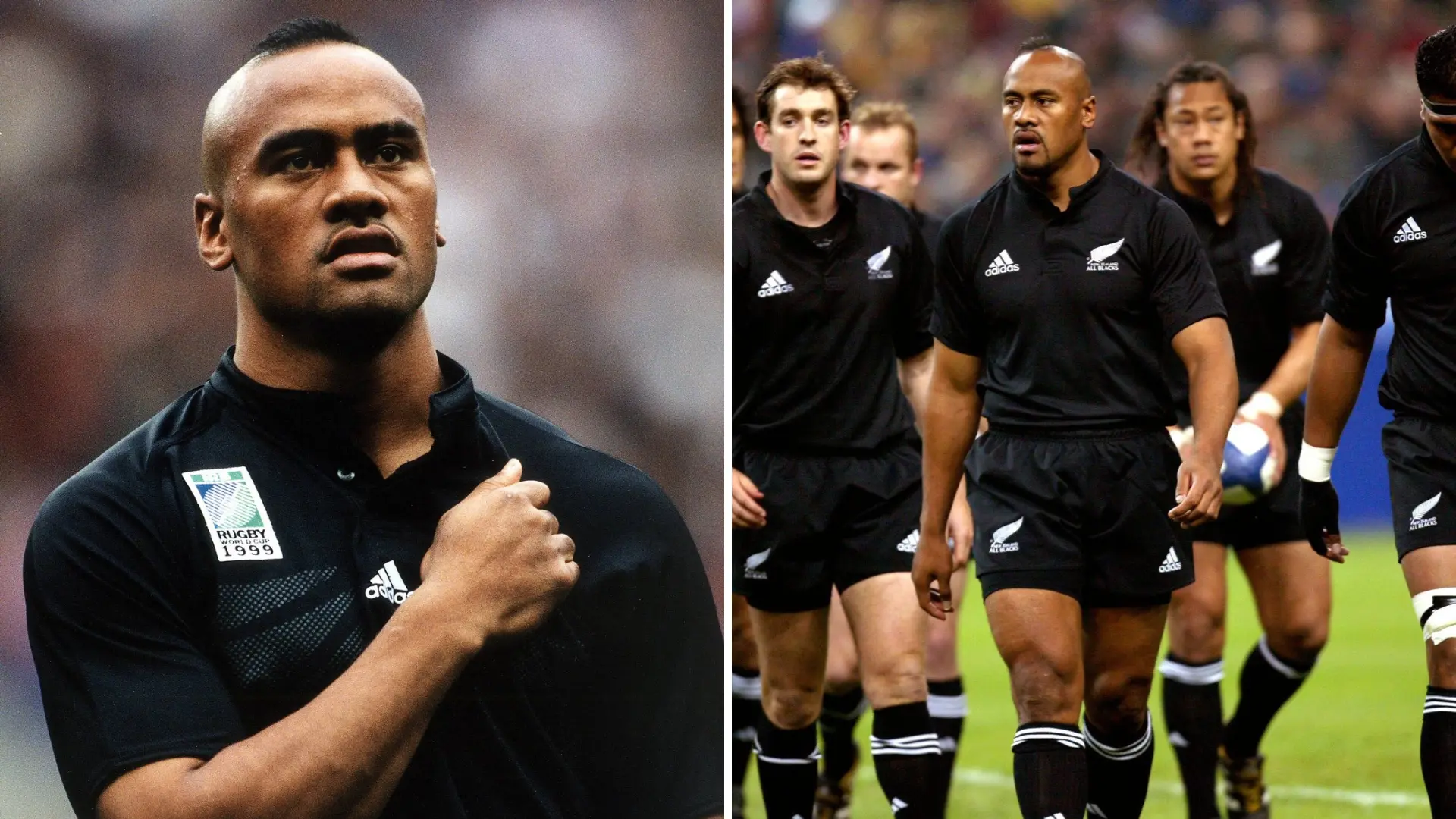
?? 3. Jonah Lomu (New Zealand)
“The man who changed rugby forever.”
Jonah Lomu was more than a rugby player — he was a global phenomenon. Standing 6’5” and weighing over 18 stone, yet capable of running like a sprinter, Lomu redefined what a winger could be.
His performances at the 1995 Rugby World Cup — where he bulldozed opponents with terrifying ease — catapulted the sport into mainstream attention.
Woodward said: “He took rugby to a whole new level. There’s rarely one player who dominates an entire World Cup — but Jonah certainly did.”
Lomu’s impact on the game was immense. Even years after his passing, he remains one of rugby’s most iconic and influential figures, inspiring generations of players around the world.
? 2. Jonny Wilkinson (England)
“England’s golden boy and the ultimate professional.”
Few players embody precision, dedication, and calm under pressure like Jonny Wilkinson. His legendary drop goal in the 2003 Rugby World Cup final sealed England’s first and only title — but his influence stretched far beyond that one moment. Known for his relentless work ethic and defensive courage, Wilkinson redefined what it meant to be a fly-half.
Sir Clive Woodward said: “Jonny was special — he scared the opposition. The way he defended and attacked made him a complete player. We were privileged to have him in that team.”
From Newcastle to Toulon, Wilkinson’s professionalism and humility set the standard for generations to come, cementing his legacy as one of the greatest players in rugby history.
? 1. Gareth Edwards (Wales)
“The most naturally gifted player of all time.”
For Sir Clive Woodward, one name stands above the rest — Welsh legend Gareth Edwards. The dynamic scrum-half was the heartbeat of Wales’ golden era in the 1970s, guiding his nation to multiple Five Nations titles and a reputation for flair-filled, attacking rugby.
Woodward said: “The greatest talent I ever played against was Gareth Edwards. Even in his final season, his class was undiminished — he had a great aura about him.”
Edwards’ vision, agility, and creativity made him the prototype for the modern scrum-half. Revered by fans and players alike, he remains the benchmark for natural rugby talent — the complete player who could change a game in an instant.
JOIN THE RUCK:
QUIZ: Can you name every winner of the Champions Cup/Heineken Cup since 1996?
Whether you’re a seasoned supporter or a trivia newcomer, let’s see how deep your rugby knowledge really runs. Good luck!
TRENDING





LATEST NEWS




LATEST COMMENTS
- Jordie Barrett over Damian de Allende is far from being correct. The hype around Dupont is also overreaching, he's probably 4th in the world and has been since the 2023 WC. He also avoids certain matchups which is strange. The rest of the list is pretty good apart from minor subjective biases.JasonMarlow16-09-2026
Loading