Steve Borthwick confirms England star sent to specialist as injury rules him out for ‘numerous weeks’
Rugby NewsSunday, 08 February 2026 at 16:00
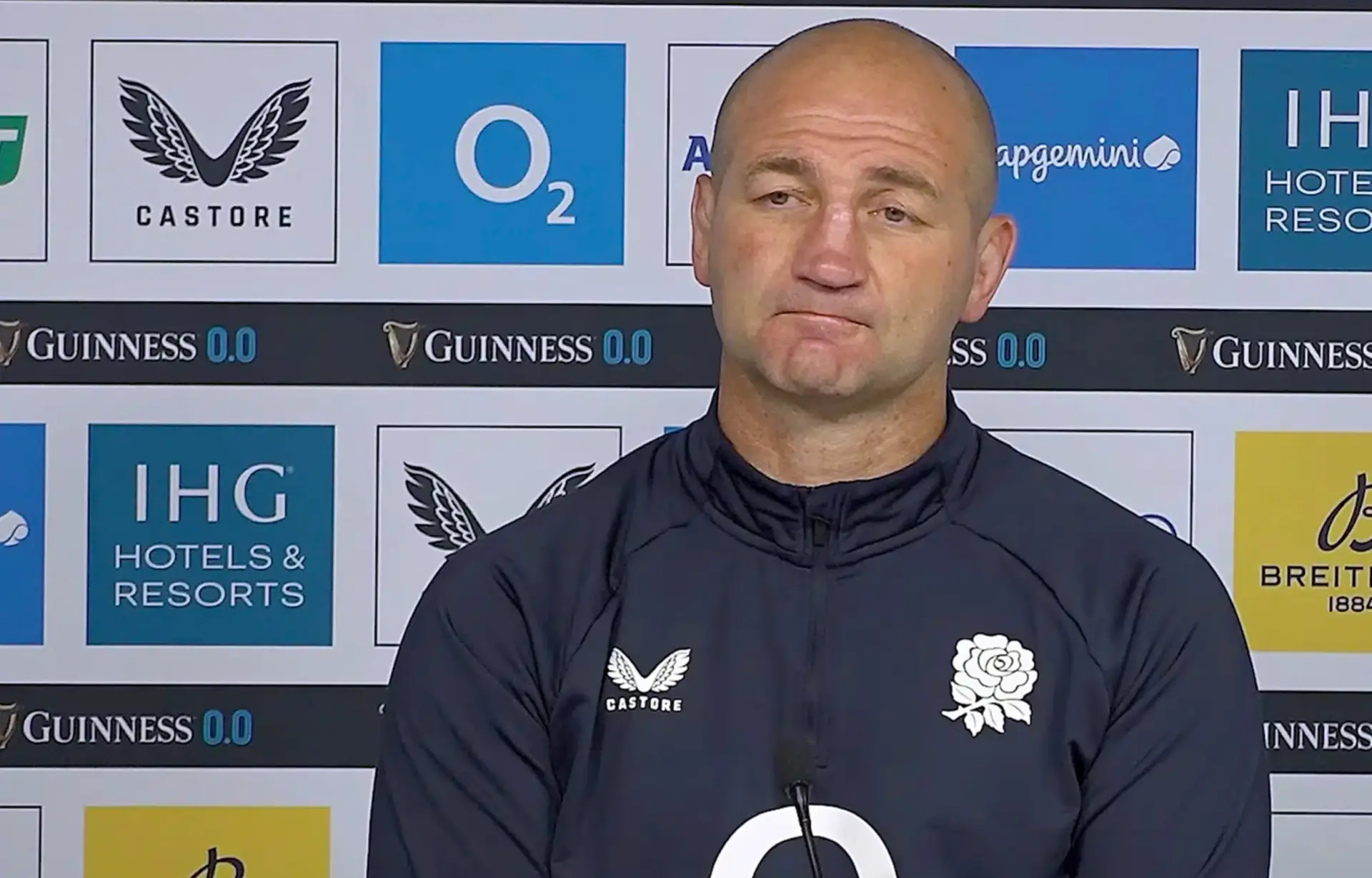

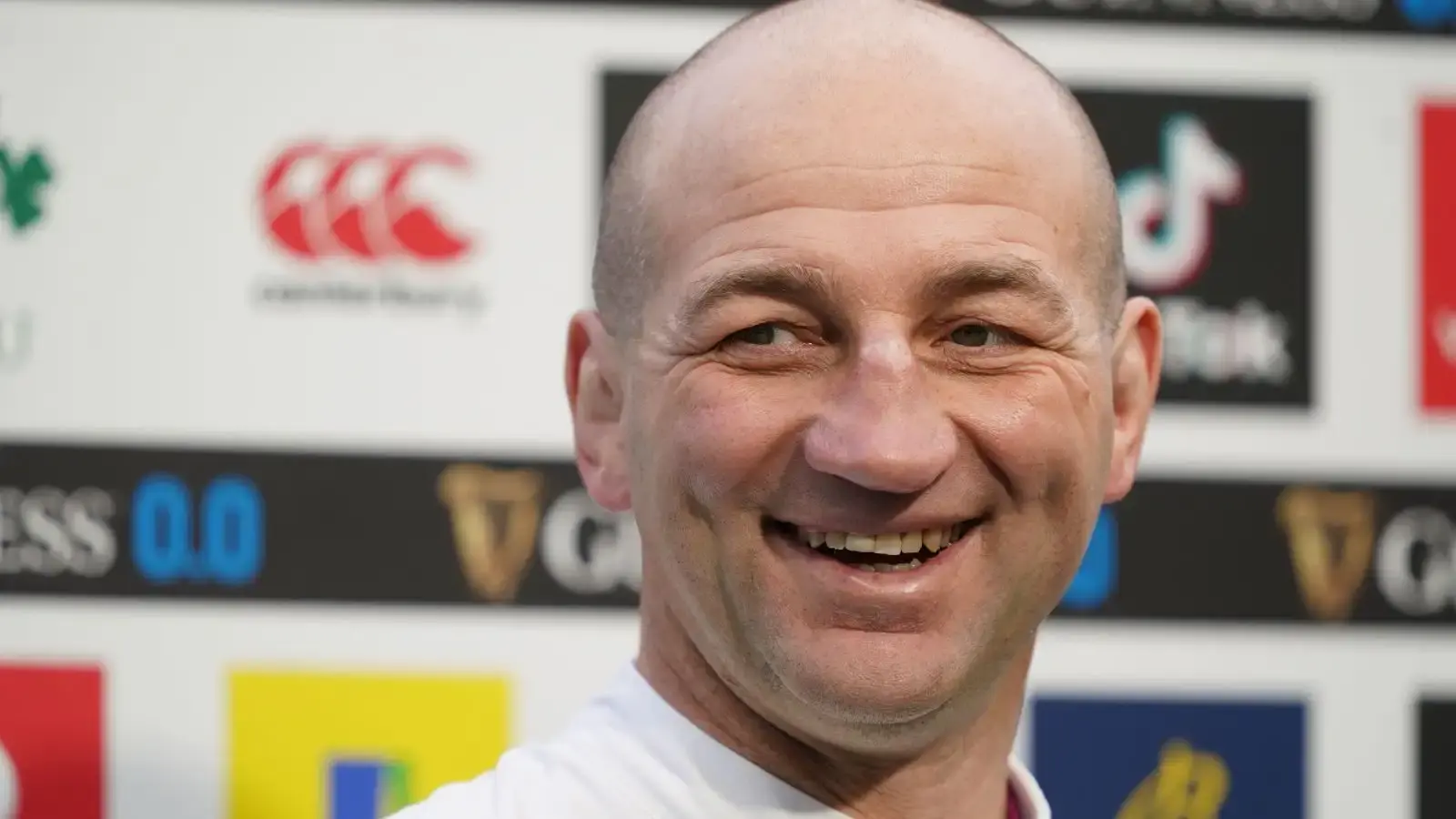
England head coach Steve Borthwick has been dealt a huge Six Nations setback after confirming that winger Immanuel Feyi-Waboso is facing a lengthy spell on the sidelines.
The electric Exeter Chiefs back was ruled out of England’s emphatic 48–7 demolition of Wales at Twickenham after suffering a serious hamstring injury in training last Thursday.
Watch the Guinness Six Nations at your local Greene King sports pub.
Speaking after the win, Borthwick admitted the early signs are grim, revealing the 21-year-old has already been sent to a specialist.
“Manny looks like he will be out for a number of weeks,” Borthwick said.
“I don’t know exactly how many weeks — he’s had specialist opinion. Specialists being specialists, it’s a number rather than a single, which is disappointing.
"But that’s the nature of elite sport — injuries happen and you have to adapt.”
The update all but confirms Feyi-Waboso will miss the remainder of the Six Nations, a crushing blow for England given his form and growing importance in Borthwick’s backline plans.
EDITORS PICKS:
- Louis Rees-Zammit 100m Time: Wales winger smashes his own record
- How the Six Nations Works: New Format Change Confirmed
- 2003 World Cup hero finds love again after heart surgery and divorce
- “Another injury knock” – Fan favourite prop gets first England call-up
- Fans are rewatching the BBC’s banned Six Nations advert — and it’s still hilarious
Five players who flopped in the opening round: 2026 Six Nations
Opening weekend brilliance inevitably brings its flip side. While several stars thrived, others found Round One of the 2026 Six Nations unforgiving.
Whether through tactical exposure, ill-discipline or simply being on the wrong side of momentum, these players endured difficult outings.
Six Nations Round One Results
- France 36–14 Ireland
- Italy 18–15 Scotland
- England 48–7 Wales
Sam Prendergast (Ireland)
A performance that highlighted both promise and peril. With ball in hand, Prendergast showed why Ireland are excited — his willingness to play flat and distribute improved noticeably after half-time.
Defensively, though, France were merciless. The Irish No.10 channel was repeatedly targeted, and his hesitancy in contact became a pressure point that France exploited ruthlessly.
At Test level, defensive fragility isn’t just a weakness — it becomes an invitation.
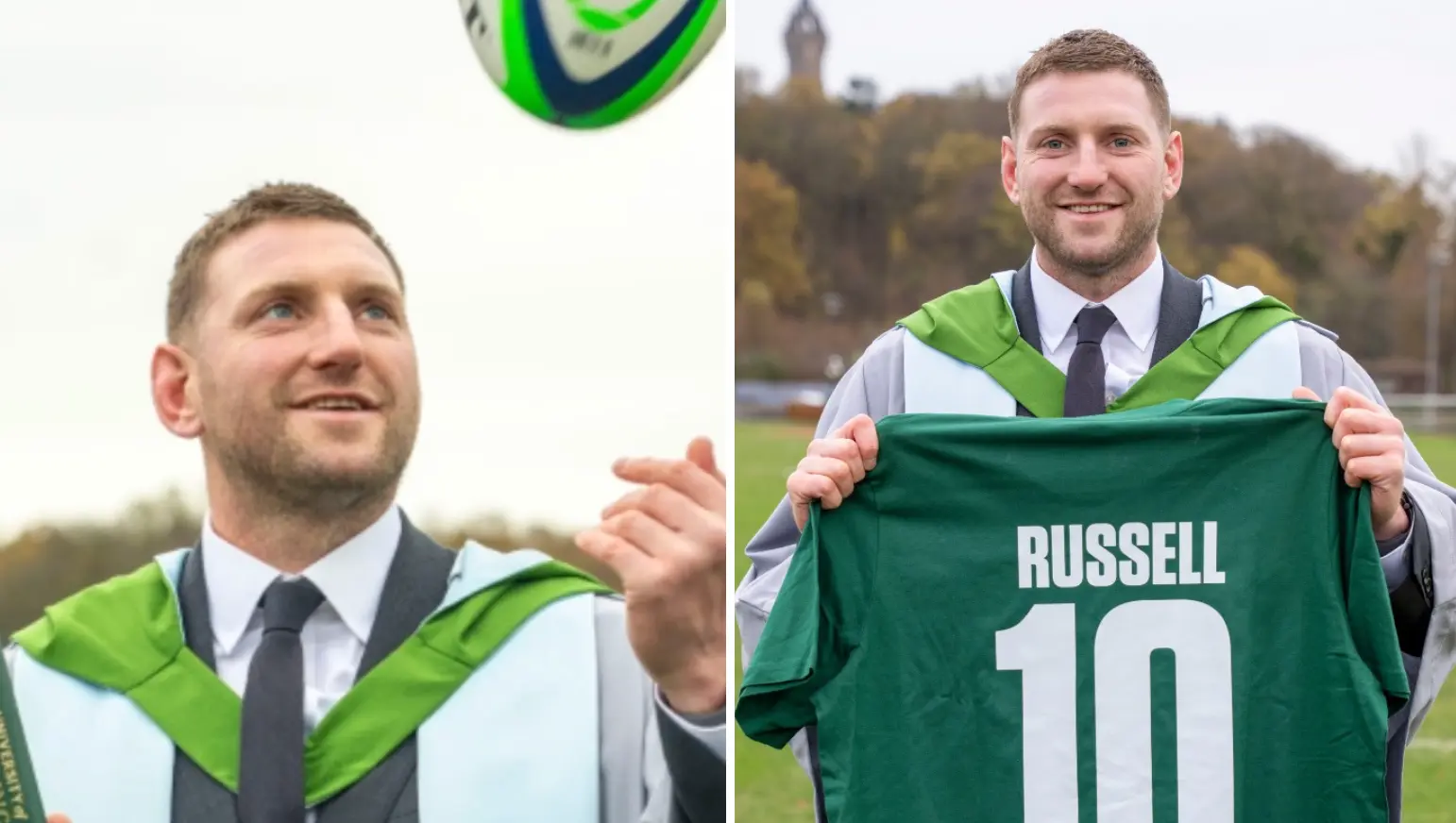
Finn Russell (Scotland)
A subdued evening in Rome. With Scotland consistently retreating, Russell struggled to impose himself or control territory.
A kick-off straight into touch handed Italy a costly penalty, while a missed conversion later denied Scotland the chance to apply late pressure.
The conditions were brutal and the kick was right on the touchline, but by his own standards this was a disappointing night for Scotland’s chief playmaker.
Dewi Lake (Wales)
Usually Wales’ most dependable forward, Lake endured a first half to forget. Lineout accuracy dipped, a sin-bin spell hurt his side, and a failed tap-and-go squandered a rare attacking opportunity before the break.
He never fully recovered his influence on return, and his outing mirrored a miserable night for the visitors.
Ellis Genge (England)
A high-output performance blunted by ill-discipline. Genge was heavily involved — leading England’s tackle count early and carrying with intent — but too often undermined his own work.
A needless confrontation reversed a penalty, he was later caught offside, and he allowed Wales to milk further infringements.
Even when England were camped on the Welsh line, he was held up over the line. Busy, committed, but disruptive.
Thomas Clarkson (Ireland)
A tough initiation at Test level. Clarkson was pitched straight into battle against a dominant French pack and spent much of the night under pressure. Facing Jean-Baptiste Gros, Ireland struggled to gain any ascendancy at scrum time.
He kept working and never went missing, but the set-piece creaked at key moments and failed to provide a stable platform.
TRENDING


LATEST NEWS

LATEST COMMENTS
- Jordie Barrett over Damian de Allende is far from being correct. The hype around Dupont is also overreaching, he's probably 4th in the world and has been since the 2023 WC. He also avoids certain matchups which is strange. The rest of the list is pretty good apart from minor subjective biases.JasonMarlow16-09-2026
Loading