Three high-profile rugby stars stood down from the game due to concussion
Rugby NewsWednesday, 16 April 2025 at 08:41
In recent years, a new kind of bravery has emerged in rugby — knowing when to stop.
Eben Etzebeth, Sam Underhill, and Caelan Doris have each stepped away from the game due to concussion concerns, putting health before heroics.
Competition: Get a Chance to Watch the Lions in Australia
“The Concussion Guru Was Called” – Eben Etzebeth’s Long Road Back
Eben Etzebeth doesn’t do soft landings. The 33-year-old Springbok enforcer has built a career on dominance and durability — but even the toughest figures in rugby can be brought to a halt.
It happened in December, during the Sharks’ bruising Champions Cup win over Exeter Chiefs. Etzebeth took a blow to the head and didn’t return. For most players, a few weeks out might be the norm — but this was different. This was serious.
By February, the Sharks confirmed he had “suffered a return-of-symptoms of his recent concussion,” adding, “The Sharks take this injury very seriously and player welfare remains our top priority. Eben is being managed by concussion specialists.”
Springboks head coach Rassie Erasmus took things even further. “I actually drove through to Stellenbosch the other day to meet with Dr Pierre Viviers, the concussion guru,” he told reporters. “When a guy is totally concussion-free, he starts from a clean sheet again… and that’s what we always want.”
While he was being carefully managed back from his head knock, Etzebeth also picked up a hamstring injury — adding to the frustrating layoff.
But now, after months of rest, rehab, and medical oversight, the wait is over: Etzebeth is finally set to make his long-awaited comeback this weekend.
It’s a timely boost for the Sharks, the Springboks, and for fans who feared we may not see the big man rampaging again any time soon.
“A Little Bit of Speech Stuff” – Caelan Doris Gets Real on Concussion Struggles
In 2021, Caelan Doris did what few 23-year-old international rugby stars would: he stepped away from the game to face down the growing shadow of repeated head knocks.
It started with a clash against Benetton in 2019, followed by a knockout blow four minutes into his Ireland debut versus Scotland. After that came what Doris called “minor knocks,” including one in training against Ulster that became a tipping point. With the Lions tour on the horizon, the Mayo native made the hardest call — pulling himself out to seek expert opinion.
“It was kind of tough making that decision,” he recalled. “That was sort of the key one in making the decision to step back and get fully checked out.”
The tests were exhaustive: cognitive, balance, brain scans, blood work. “Some cognitive ones, some around concentration, short-term memory sometimes, a little bit of speech stuff…” Doris admitted. “But again, it’s hard to know… you’re sort of hyper-aware of any deviation from normal function.”
The bravery wasn’t in playing through it — it was in stepping back.
Since returning, Doris has sported a scrum cap and now wears high-tech head protection from Galway-based N-Pro. “It’s classified as a medical device and has a fair few studies behind it showing that it reduces the force to the head.”
Tackle technique, neck strength, rest — he’s now a walking, talking blueprint for how to deal with concussion the right way.
“I’m happy enough wearing it,” he says. And more importantly? He’s happy still playing.
Sam Underhill’s Powerful Message on Concussions
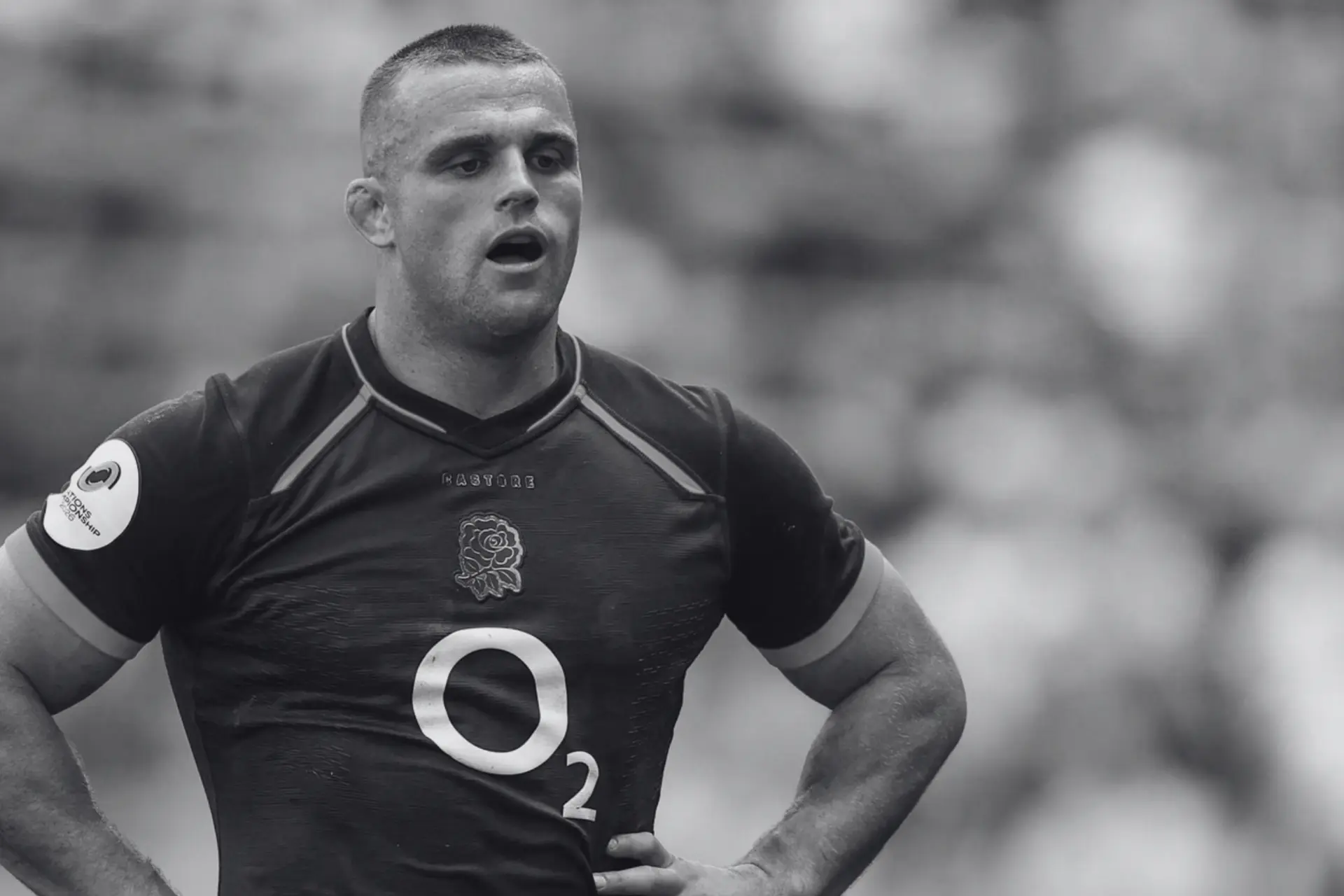
m Underhill has never backed away from contact — or from difficult conversations. Now 28, the England flanker has faced down not just heavy-hitting opponents but the harsh reality of a career dotted with concussions.
While some players choose silence, Underhill meets the issue head-on. Speaking to The Telegraph, he pulled no punches: “I get a lot of people on social media giving me their opinions… when I have had a concussion, they say I should do this or do that, or it is not safe.
"Realistically the only people that matter are myself, my family and the medical professionals who are trained to look after me.”
The Bath star, now a new father, refuses to let outside voices shape his path — insisting the decision to return always comes down to trust and caution. “It is like any injury. If you get a broken leg, you sit out for three months. Instead of worrying that players are having a time out, it should be seen as a positive.”
Technique, Underhill says, is everything. “I previously put my head in places where I shouldn’t… that is on me, not the game or medical staff.”
He also confirmed he’s never been pressured to play through concussion — and feels he's been supported every step of the way. “I feel good. I have always been well looked after and I would like to think I have always looked after myself… and been honest about it too.”
TRENDING


LATEST NEWS
LATEST COMMENTS
- Jordie Barrett over Damian de Allende is far from being correct. The hype around Dupont is also overreaching, he's probably 4th in the world and has been since the 2023 WC. He also avoids certain matchups which is strange. The rest of the list is pretty good apart from minor subjective biases.JasonMarlow16-09-2026
Loading