"Zero Springboks" - Sir Ian McGeechan Names His Top 15 Rugby Players of All Time
Rugby NewsWednesday, 12 November 2025 at 11:41
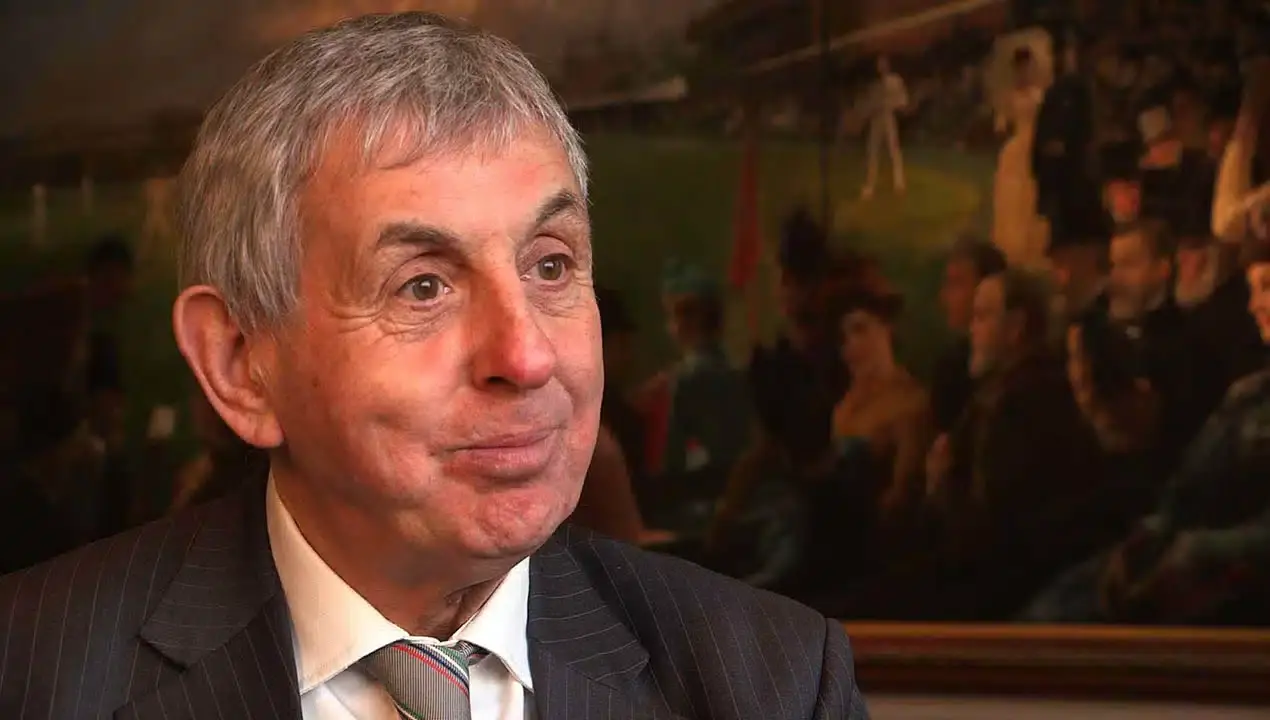

Sir Ian McGeechan, 74, is one of rugby’s most respected figures.
A former Scotland international and five-time British & Irish Lions coach, McGeechan’s career spans decades of playing and coaching at the highest level. Known for his tactical genius, calm leadership, and encyclopedic knowledge of the game, he has left an indelible mark on rugby worldwide.
Writing for The Telegraph, he revealed his all-time dream XV — a blend of grit, genius, and greatness drawn from rugby’s golden eras.
His ultimate lineup features six New Zealand icons, three English stars, two Welsh greats, and one standout each from France, Scotland, and Ireland.
Let’s take a closer look at the side — packed with brilliance, balance, and legendary status.
? BACK-THREE
JPR Williams (Wales) – Fullback
McGeechan says: “Not a staggeringly original choice, I’ll admit. But to my mind the only one. If I’m picking a dream XV, I want JPR at the back. No question.”
Why he makes it: The fearless Welsh fullback was the heartbeat of the 1970s golden generation. Renowned for his steel and determination, Williams’ athleticism and tackling were second to none — the headbanded hero defined courage under pressure.
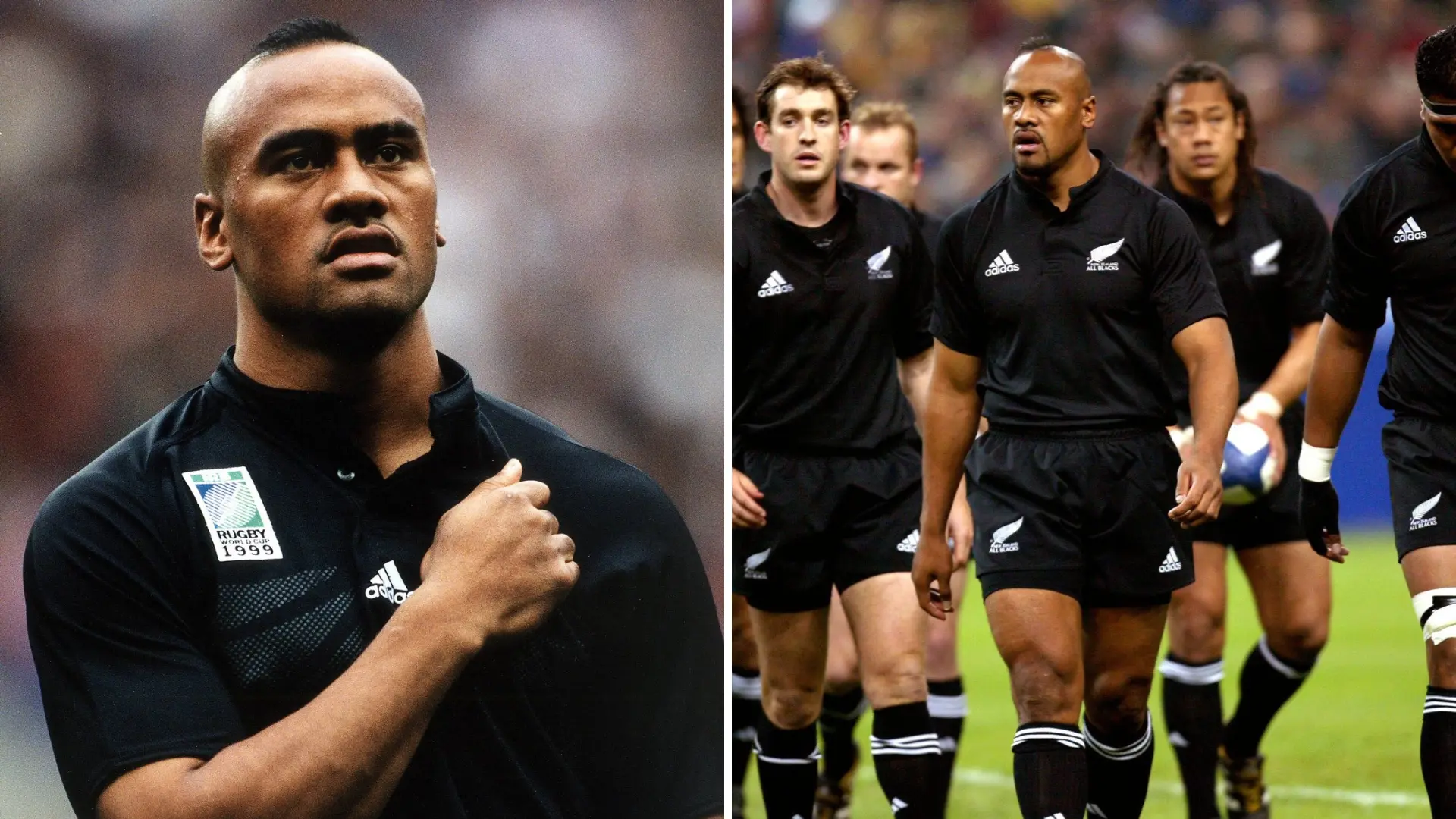
Jonah Lomu (New Zealand) – Left Wing
McGeechan says: “His performances at the 1995 World Cup will never be forgotten. The game needed a superstar, and it got one in Lomu.”
Why he makes it: A force of nature who changed rugby forever. At 6’5” and 120kg, Lomu’s blend of power and pace left defenders helpless. His four-try demolition of England in 1995 remains one of the sport’s defining moments.
John Kirwan (New Zealand) – Right Wing
McGeechan says: “He had an all-round game; he could carry, offload, and move like an extra back-rower.”
Why he makes it: Kirwan was the prototype for the modern winger — strong, smart, and lethal. His impact during New Zealand’s first Rugby World Cup triumph cemented his legacy as one of the best ever.
? CENTRES
Brian O’Driscoll (Ireland) – Outside Centre
McGeechan says: “His ability to get back on his feet after tackling to compete for the ball was extraordinary.”
Why he makes it: The Irish maestro combined creativity and resilience in equal measure. O’Driscoll led Ireland to their first Grand Slam in 61 years, and his vision and skill reshaped how centres played the game.
Philippe Sella (France) – Inside Centre
McGeechan says: “Sella and O’Driscoll together — they’d dominate any midfield.”
Why he makes it: A true warrior in the blue of France, Sella was the first man to 100 Test caps. Known for his power and consistency, his influence extended far beyond his own generation.
⚙️ HALFBACKS
Dan Carter (New Zealand) – Fly-Half
McGeechan says: “He really was the complete 10 — the greatest of the modern era.”
Why he makes it: The ultimate playmaker. Carter’s tactical genius and accuracy helped guide the All Blacks to multiple world titles, bowing out with a flawless display in the 2015 Rugby World Cup final.
Gareth Edwards (Wales) – Scrum-Half
McGeechan says: “My favourite player of all time. The master. The greatest.”
Why he makes it: The heartbeat of Welsh rugby in the 1970s, Edwards combined power, instinct, and flair. His try for the Barbarians against New Zealand in 1973 is still considered the greatest ever scored.
? FRONT-ROW
Tom Smith (Scotland) – Loosehead Prop
McGeechan says: “Six consecutive Lions Tests — a talismanic figure for Scotland in 1999.”
Why he makes it: Smith’s scrummaging and heart made him a legend. The undersized but indomitable prop stood tall against giants, helping Scotland lift their last Five Nations title.
Sean Fitzpatrick (New Zealand) – Hooker
McGeechan says: “Not just as a player but as a captain — his consistency was unbelievable.”
Why he makes it: A true All Black icon. Fitzpatrick’s 92 caps set a benchmark for toughness and leadership, helping usher in the professional era of excellence.
Jason Leonard (England) – Tighthead Prop
McGeechan says: “Completely unflappable — Jason was never in any trouble.”
Why he makes it: England’s most-capped player was the cornerstone of their 2003 World Cup triumph. Reliable, humble, and technically brilliant, Leonard embodied English rugby’s grit.
?️ SECOND-ROW
Martin Johnson (England) – Lock
McGeechan says: “He defined an era of forward play.”
Why he makes it: The ultimate leader, Johnson captained England to World Cup glory in 2003. His ferocity, composure, and presence made him a towering figure — literally and figuratively.
John Eales (Australia) – Lock
McGeechan says: “A two-time World Cup winner who changed how locks played the game.”
Why he makes it: Calm under pressure, deadly accurate with the boot, and an inspirational captain — “Nobody” Eales truly could do it all.
? BACK-ROW
Richard Hill (England) – Blindside Flanker
McGeechan says: “Hill just seemed to know where to be and when.”
Why he makes it: The unsung hero of England’s 2003 World Cup team, Hill’s relentless work rate and tackling made him the glue in England’s back row.
Richie McCaw (New Zealand) – Openside Flanker
McGeechan says: “The opposition wouldn’t stand a chance.”
Why he makes it: Simply the best. McCaw’s leadership, breakdown mastery, and unmatched consistency helped New Zealand lift back-to-back World Cups.
Zinzan Brooke (New Zealand) – Number 8
McGeechan says: “One of the toughest choices — maybe the toughest.”
Why he makes it: The complete forward. Brooke could kick, run, and tackle like a back, while still dominating the physical contest. His long-range drop goals remain the stuff of legend.
EDITORS PICKS:
- All Blacks number 8 ready to QUIT to join Steve Borthwick’s England
- The Greatest Rugby Stadiums on Earth – (Ranked 20-1)
- Steve Borthwick names his England successor — and it’s a surprising choice
- Scotland star ‘stood down’ as latest Finn Russell injury update revealed
- Rassie Erasmus reveals the one England player that he’d LOVE to coach
TRENDING


LATEST NEWS

LATEST COMMENTS
- Jordie Barrett over Damian de Allende is far from being correct. The hype around Dupont is also overreaching, he's probably 4th in the world and has been since the 2023 WC. He also avoids certain matchups which is strange. The rest of the list is pretty good apart from minor subjective biases.JasonMarlow16-09-2026
Loading