World Rugby has announced the sanctions imposed on the Georgian players involved in the doping case that first came to light two months ago, with punishments ranging from nine months to 11 years.
The sport's governing body released the names of the Georgian players who tested positive for doping, along with the sanctions they received.
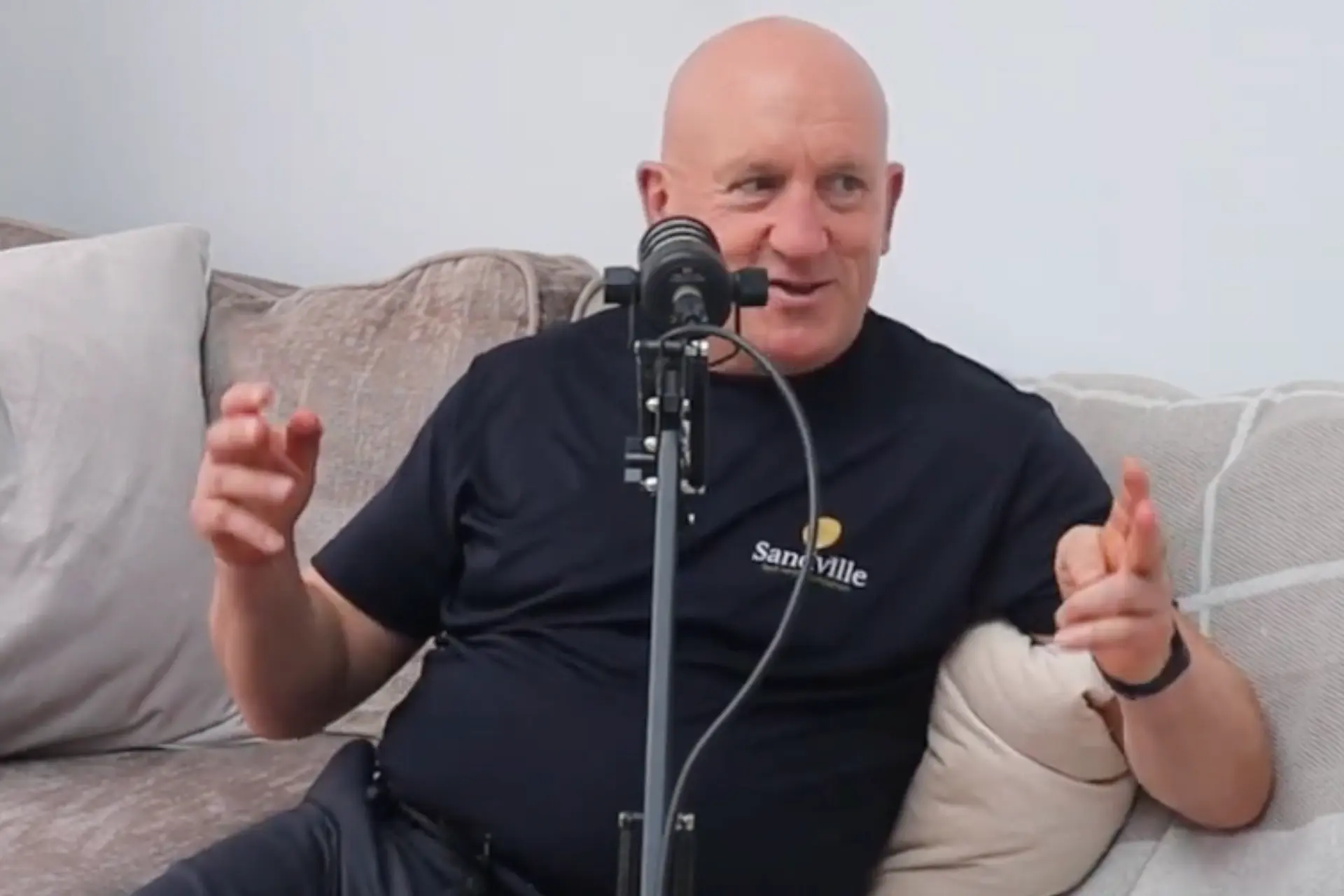
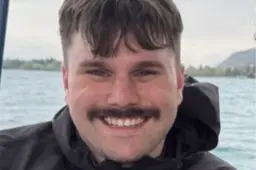
The most severe punishment was given to former Georgian captain Merab Sharikadze, who earned 104 caps and was suspended for "use or attempted use of a prohibited method, falsification or attempted falsification, complicity or attempted complicity."
The former centre had turned to martial arts following his retirement.
In 2011, through a partnership between the Georgia Rugby Union and Hartpury College, Sharikadze moved to England to study and play for Hartpury College R.F.C. His impressive performances led to a call up for Gloucester U19.
That same year, he was appointed captain of Georgia U19. He made his senior international debut against Spain on 21 February 2012 at just 18 years old, becoming the seventh youngest player ever capped by Georgia.
He went on to feature 104 times for his country, appearing at three World Cups and captaining Georgia for the 2019 and 2023 editions.
In an interview with Setanta Sports Georgia in November 2025, Sharikadze disclosed that he had received a six-year ban in December 2024 for an anti-doping rule violation connected to providing his urine for other players' tests, which has since been extended for this latest punishment.
The full list of sanctions and their associated punishments are:
- Lasha Lomidze – 9-month suspension – Use or attempted use of a prohibited method, falsification or attempted falsification
- Miriani Modebadze – 3-year suspension – Use or attempted use of a prohibited method, falsification or attempted falsification
- Otar Lashkhi – 3-year suspension – Use or attempted use of a prohibited method, falsification or attempted falsification
- Lasha Khmaladze – 3-year suspension – Use or attempted use of a prohibited method, falsification or attempted falsification, complicity or attempted complicity
- Giorgi Chkoidze – 6-year suspension – Use or attempted use of a prohibited method, falsification or attempted falsification
- Nutsa Shamatava – 9-year suspension – Forgery or attempted forgery, complicity or attempted complicity
- Merab Sharikadze – 11-year suspension – Use or attempted use of a prohibited method, falsification or attempted falsification, complicity or attempted complicity
LATEST RUGBY NEWS
- England squad for Nations Championship: Mako Vunipola recalled
- Nations Championship: Rio Dyer cruelly misses out on Wales call-up
- Rugby Transfers round-up: Ben Earl, Steve Hansen, Tommy Freeman
- Japan Rugby League One: Play-Offs Confirmed as Steelers snap Spears’ 26-match home win streak
- Super Rugby: Round 13 Recap – Brumbies win Aussie derby bragging rights
- Ranking the 10 Greatest Back-Three Trios in Rugby History
Five countries banned from competing in Rugby World Cups
From political sanctions to passport scandals, here are three countries that have been banned from competing in the Rugby World Cup — and why.
?? #1. South Africa — Banned from 1987 & 1991 Rugby World Cups
At the height of apartheid, South Africa was a global pariah — and rugby was no exception.
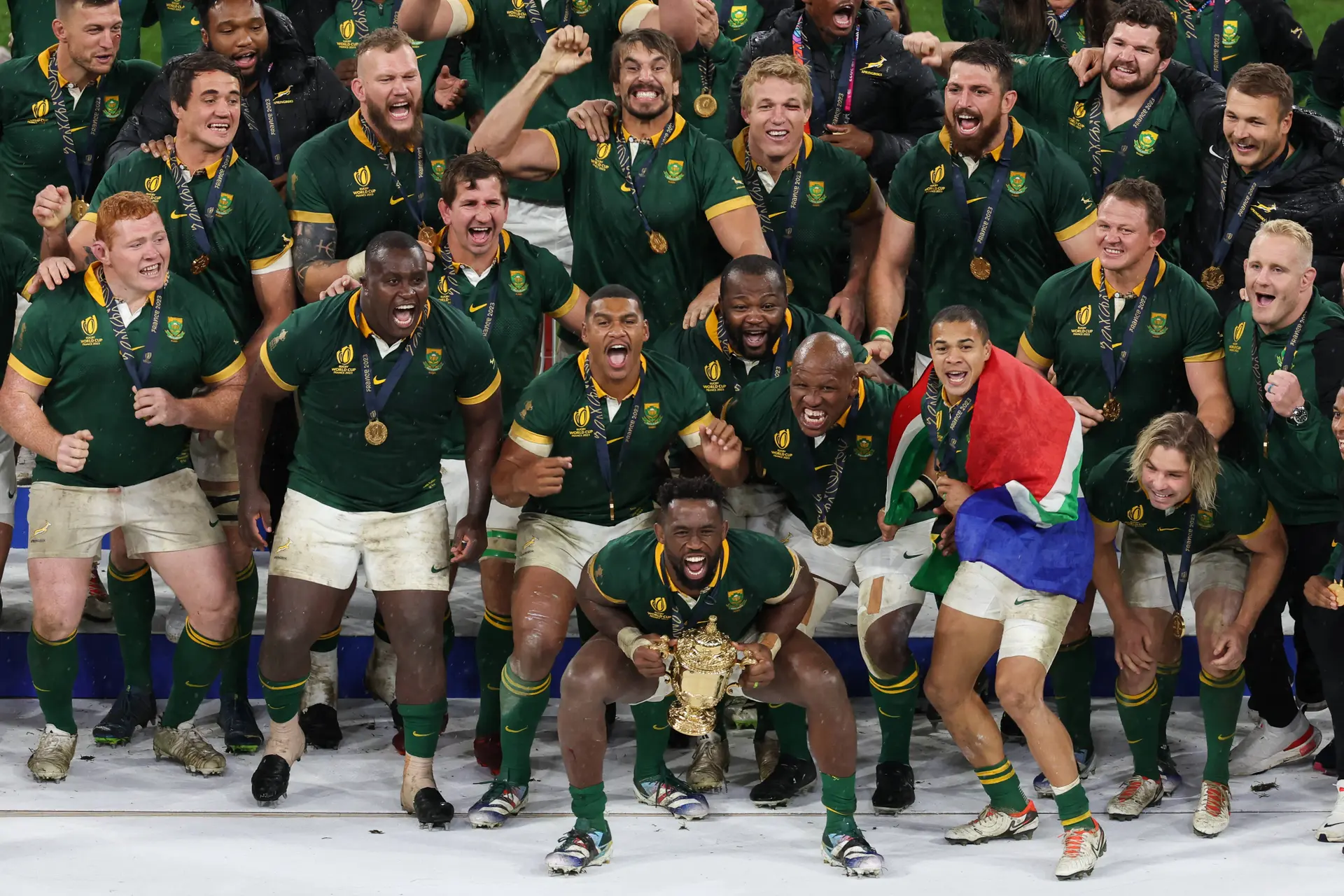
Due to its institutionalised system of racial segregation, the Springboks were barred from all international competition by the International Rugby Board (now World Rugby). As a result, they missed both the inaugural 1987 Rugby World Cup and the 1991 edition.
However, following the dismantling of apartheid laws and democratic reforms in the early 1990s, South Africa was readmitted to international rugby in 1992. Just three years later, the nation famously hosted and won the 1995 Rugby World Cup, led by captain François Pienaar and inspired by a unifying handshake from then-president Nelson Mandela.
? That victory remains one of the most iconic moments in sports history — a symbol of reconciliation in post-apartheid South Africa.
?? #2. Spain — Disqualified from 2019 & 2023 Rugby World Cups
Spain’s road to the Rugby World Cup has been plagued by eligibility controversies.
First, in 2019, Spain, Belgium and Romania were all sanctioned for fielding ineligible players during the qualification campaign — a debacle that ended up handing Russia an unexpected ticket to Japan.
Then in 2022, Spain qualified for the 2023 Rugby World Cup in France for what would’ve been their first appearance in 24 years — only for the dream to be shattered again. This time, it was discovered that Spain had allegedly used a player with a forged passport during qualifying.
As a result, they were docked 10 points, booted out of the tournament, and replaced by Romania, who had finished just behind them.
❌ Despite appeals, World Rugby upheld the ban, marking the second time Spain had been removed from World Cup contention due to player eligibility issues.
?? #3. Russia — Banned from 2023 Rugby World Cup onwards
Russia’s exclusion from the 2023 Rugby World Cup came not from player conduct but from geopolitics.
In February 2022, Russia invaded Ukraine, triggering widespread international condemnation. As part of a wider sporting backlash, World Rugby suspended both Russia and Belarus from all international and cross-border rugby competitions.
Despite an appeal from the Russian Rugby Federation, the suspension remained in place, effectively ending any hope of qualification for the 2023 tournament in France.
? The ban also brought an end to speculation that Russia could one day host a Rugby World Cup — an idea that had been floated after their 2019 appearance in Japan.
#4. Belarus — Banned from 2023 Rugby World Cup onwards
Similarly suspended from international play and Rugby Europe membership for supporting Russia’s actions
?? #5. Paraguay — Denied qualification for 2027 Rugby World Cup
While most controversies have been political or historical, Paraguay’s recent Rugby World Cup heartbreak came down to eligibility rules.
During the qualification campaign for the 2027 World Cup, Paraguay fielded a player who was later deemed ineligible under World Rugby regulations. As a result, the nation was stripped of crucial points, ending their hopes of making their debut on rugby’s grandest stage.
❌ Despite appeals, World Rugby upheld the decision, marking a bitter milestone for Paraguay, who were set to make their first World Cup appearance. The setback underscores how strictly player eligibility is enforced and how even small administrative oversights can derail dreams.
QUIZ: Can you name all 26 teams to have played at the Men's Rugby World Cups?
Think you know your rugby history? Test your knowledge and see if you can name all 26 teams that have played at the Men's Rugby World Cup.
You've got just 5 minutes on the clock – no pressure!