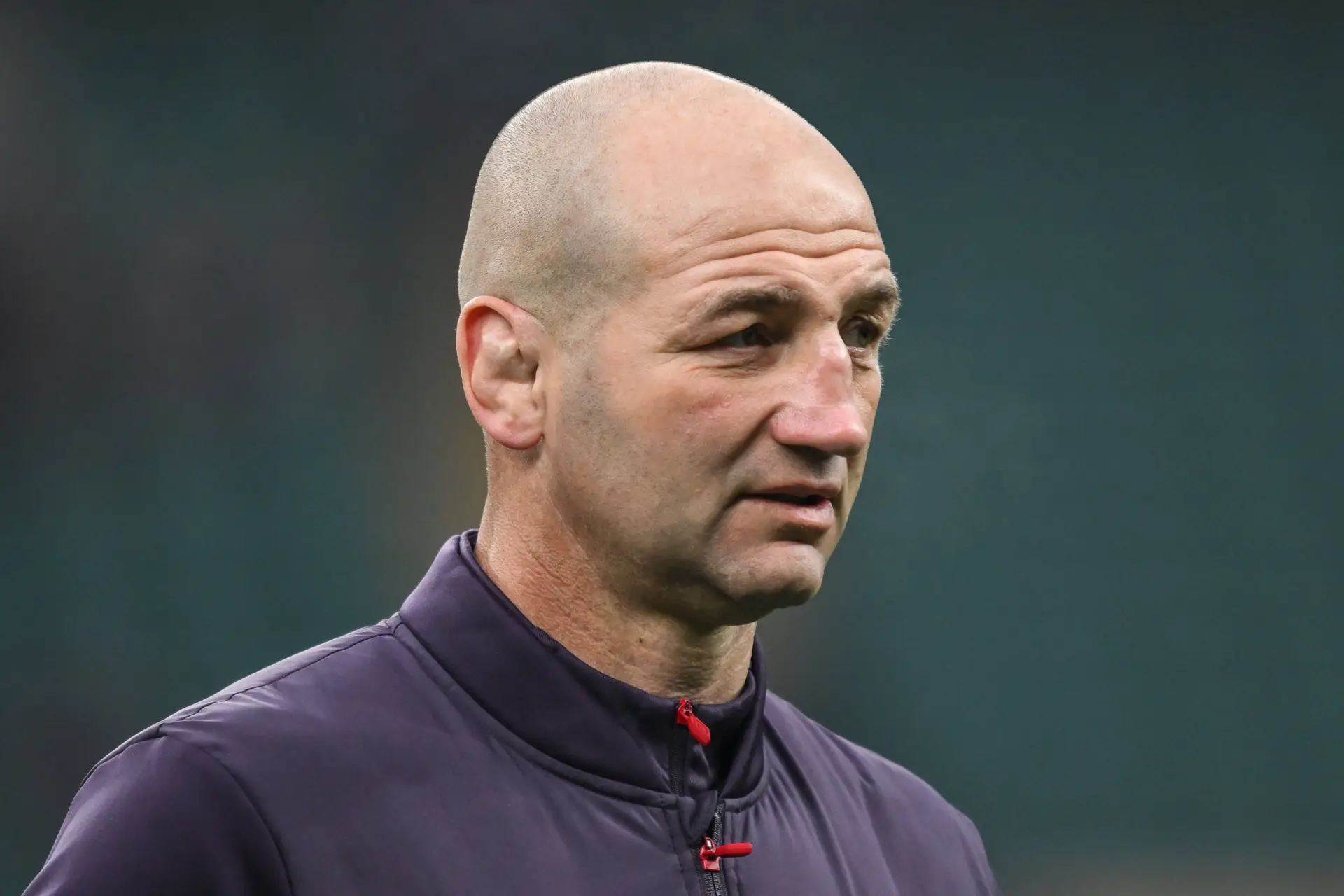

Former England fly-half Andy Goode believes Steve Borthwick must go as England head coach following what he described as the country’s worst-ever Six Nations Championship campaign.
⭐ Save us to your Google Favourites for nonstop RUCK content!
England lost four matches in the 2026 championship – the first time that has happened in their Six Nations history – prompting serious questions about the direction of the team under Borthwick.
2026 Six Nations assessment
“One improved performance on the back of a player-led week shouldn’t mask what was England’s worst ever Six Nations and change is needed at the top,” wrote Goode in his column for Rugby Pass.
Goode believes England’s late improvement in the tournament cannot disguise the scale of the problems within the national set-up, with the former fly-half calling for major change rather than minor tweaks.
“Another assistant coaching reshuffle won’t cut it and it’s highly unlikely that Steve Borthwick will accept someone coming in above him but that’s what is needed.”
Goode feels the Rugby Football Union must look externally for solutions rather than making further changes within the existing coaching team.
“Borthwick was a safe appointment at the time and, although it feels like there was an absence of succession planning during the Eddie Jones era, he always looked like the heir apparent but now a roll of the dice and an outside voice with fresh ideas is badly needed.”
Borthwick replaced Eddie Jones after the RFU opted for a change in direction, but Goode now believes a more radical shift may be required.
Poll:
Possible replacements
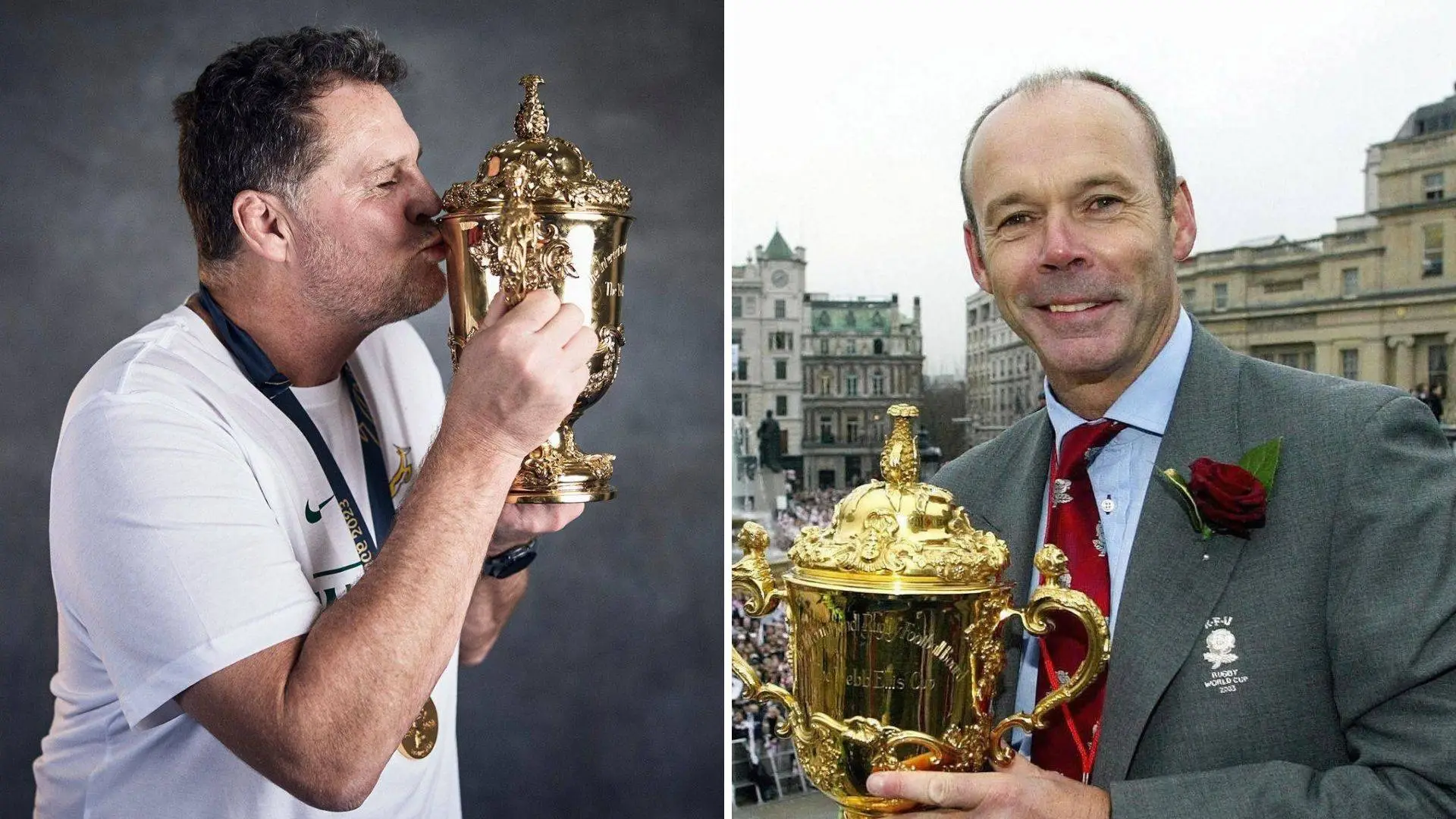
Goode has suggested former Australia head coach Michael Cheika as the favourite if England decide to make a change at the top.
“Another assistant coaching reshuffle won’t cut it and it’s highly unlikely that Steve Borthwick will accept someone coming in above him but that’s what is needed and the RFU should be targeting Michael Cheika.”
“Ronan O’Gara would be another option, especially given he was contacted about the job previously and has admitted he’d be interested under different circumstances, but Cheika should be the frontrunner with his international experience and knowledge of the PREM."
“England fans rightly expect a team that learns and grows through adversity, and we're confident this group will do everything they can to deliver that.”
EDITORS PICKS:
- 2026 Six Nations Team Of The Week: Round Five
- Six Players Who Flopped on Six Nations Super Saturday
- England player ratings vs France: 2026 Six Nations
- Gregor Townsend launches bizarre rant at fans after Ireland defeat
- George Ford makes England retirement decision after snub
From Best to Worst: Ranking Every England Player from the 2026 Six Nations
There is an odd sense of optimism following England’s narrow defeat at the Stade de France in the final round of the Six Nations, a result that seems to have temporarily masked the deep problems of what has otherwise been their worst Six Nations campaign in history
Steve Borthwick now faces intense scrutiny after England lost four of their five matches, conceded more points than any England side ever has, and finished level on wins with a struggling Wales team.
With that context in mind, we rank every England player who featured in the tournament, from best to worst.
1 Ben Earl
One of the few players whose reputation grew during this tournament. Earl was consistently solid in every England match, repeatedly helping the side through challenging periods with relentless carries.
He finished the campaign with more carries than any other player. While not at his usual exceptional level throughout, he remained a bright spot in an otherwise disappointing England campaign.
2 Joe Heyes
England’s scrum was the main area of improvement, making the front-rowers stand out. Heyes edges out Ellis Genge due to his consistently strong scrummaging.
The Leicester Tigers tighthead has continued his rapid development and now ranks among the world’s best in his position.
3 Ellis Genge
Genge falls just behind Heyes, primarily due to a costly error against Scotland when he dropped the ball near England’s try line, allowing a score.
Aside from that incident, he was a reliable scrummager and contributed effectively around the field. His yellow against France was also a turning point, but that was a bit of a harsh decision, so Genge isn't marked down too harshly for that.
4 Jamie George
George led the tournament in successful lineout throws and was generally dependable, if unspectacular. His experience proved valuable, though England’s reliance on him raises questions about depth at hooker, especially with his planned retirement after the next World Cup.
Overall, he can be reasonably satisfied with his performances.
5 Ollie Chessum
Not always at his peak, but far from a disappointment. Chessum provided physicality in both carrying and defence, showing leadership by taking responsibility after defeats.
His standout moment came against France, scoring two tries, including a spectacular interception-run from near halfway. He can take pride in how he finished the tournament.
6 Alex Coles
Coles made three starts and two bench appearances, reflecting England’s depth struggles. A physical presence in the second row, he performed well when called upon.
He provides valuable squad depth and reliability when needed.
7 Henry Pollock
Pollock occasionally fell short of expectations but injected energy and positivity whenever on the field, a key trait for a young player.
His start against Ireland was underwhelming, and some ill-discipline hindered his impact.
8 Marcus Smith
Smith is not Steve Borthwick’s first-choice fly-half and was mainly used from the bench. Still, he contributed positively when on the field and avoided the wider struggles that affected many teammates.
9 Cadan Murley
Murley only featured in the final two games, but he performed impressively in those appearances.
He showed more than some teammates did over the entire campaign and looks promising on the wing, certainly stronger than those in his position ranked below him.
10 Guy Pepper
Pepper was steady but unspectacular, starting four of five games. He neither made a major impact nor committed critical errors, showing potential for development.
11 Bevan Rodd
A reliable bench option. Solid when used, though with limited opportunity to influence games significantly.
12 Jack van Poortvliet
Provided energy and stability in Alex Mitchell’s absence. Reliable but without standout performances.
13 Seb Atkinson
Made his first Six Nations start against Italy, avoiding much of England’s wider struggles. Not a perfect debut but showed glimpses of potential as a future long-term inside centre, and built on that against France.
14 Tommy Freeman
Still adjusting to outside centre, Freeman has struggled to fully find his role. He was part of an underperforming backline but showed promise against France, scoring what was nearly a late winner.
15 Alex Mitchell
Showed promise before an injury curtailed his overall influence on the tournament.
16 Sam Underhill
A mixed campaign. At times impressive, but inconsistency and teammates’ struggles affected his impact.
17 Fraser Dingwall
Dependable but sometimes slowed England’s attack at inside centre.
Provides distribution as an additional playmaker but rarely threatens the gainline consistently. This is more a reflection of tactics than individual shortcomings.
18 Tom Curry
Injured against Italy and otherwise fairly average across the tournament.
19 Ben Spencer
A very average campaign. Dependable in some areas but limited in overall impact. His continued significant minutes remain questionable.
20 Ollie Lawrence
Appeared only against Ireland. Played tidily but with limited opportunity to make a bigger impression.
21 Trevor Davison
Effective as a replacement but naturally had little influence at Test level given his position.
22 George Ford
Ford showed off-field leadership and thoughtful insights about England’s issues.
On-field performances, however, did not match his influence. Missed opportunities, such as a drop goal against Scotland, proved costly.
23 Tom Roebuck
A disappointing campaign. Offered little attacking threat on the wing and often appeared ineffective.
24 Maro Itoje
A tough tournament for Itoje given personal circumstances.
As captain, he struggled to influence games consistently, including an outburst toward Fin Smith. He improved against France but overall fell short of expectations.
25 Elliot Daly
Appeared off the pace against Italy and no longer seems to operate at full Test-match level. Showed improvement against France, but doesn't seem a viable option going forward.
26 Fin Smith
A young player with huge potential, but a poor performance against Italy contributed to an embarrassing defeat.
Kicking was predictable and lacked variation, whether due to tactics or decision-making. Actually mixed it up and played well against France, even if his lack of conversions ended up being the difference.
27 Freddie Steward
Had one of the tournament’s lowest points against Ireland, receiving a red card and leaving the field after 30 minutes. Highlights areas for improvement despite not being a scapegoat.
28 Henry Arundell
Scored tries but his ill-discipline against Scotland was costly and contributed to England’s decline. Ineffective against Ireland and overly reliant on pace, though still young and capable of bouncing back.
29 Luke Cowan-Dickie
England’s lowest-ranked player in the Six Nations. Struggled especially against Ireland. Lineout throwing was unreliable and he made little impact elsewhere, making it difficult to overlook these issues.