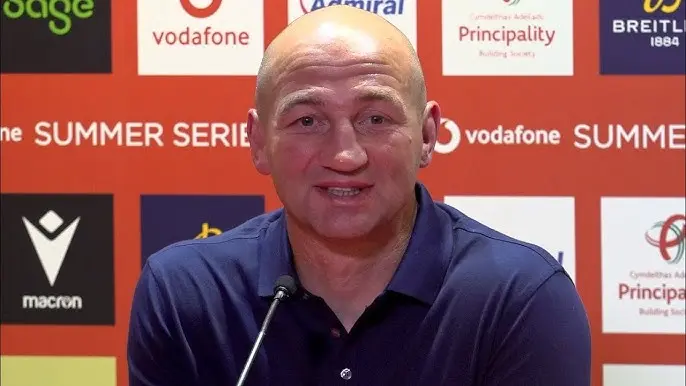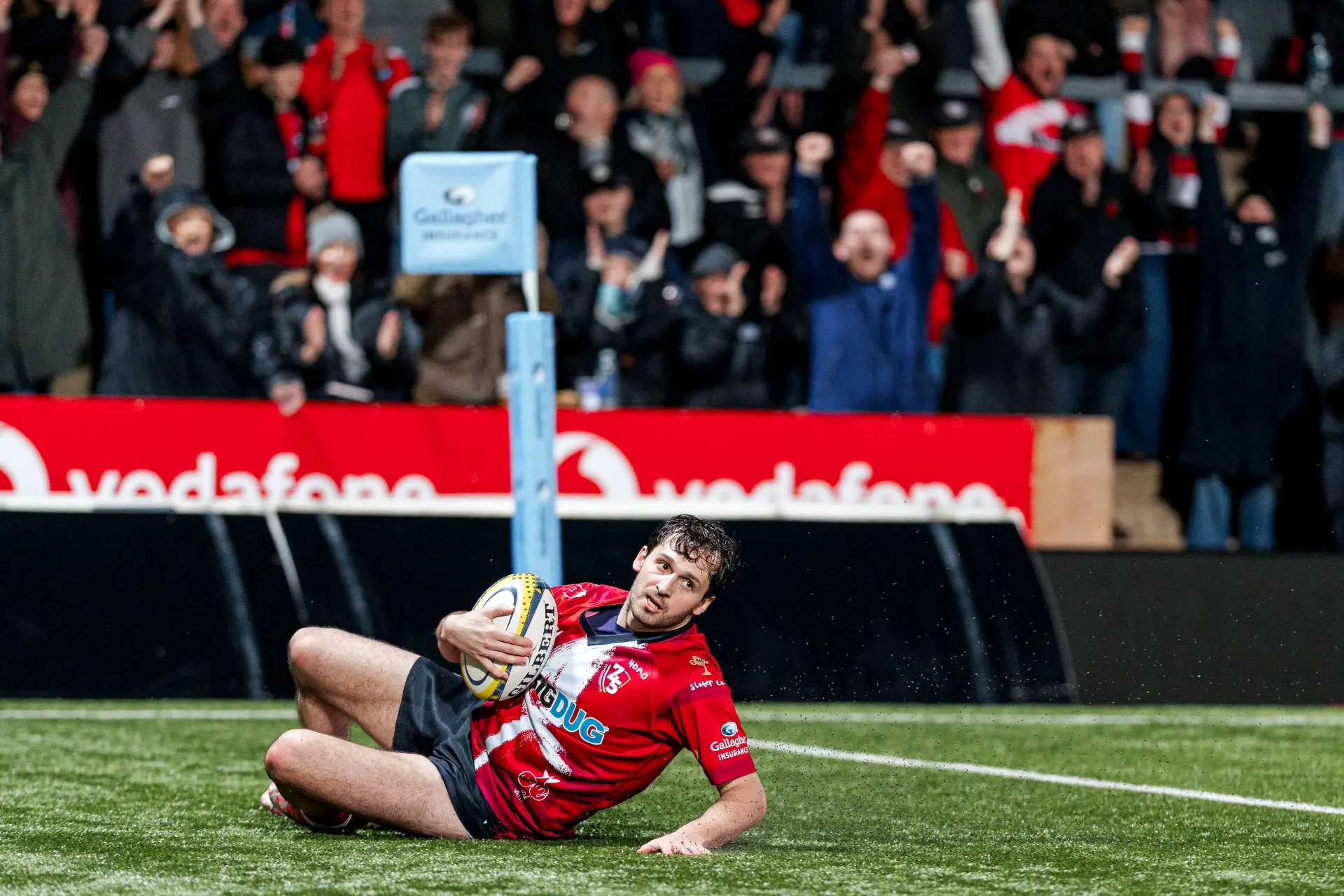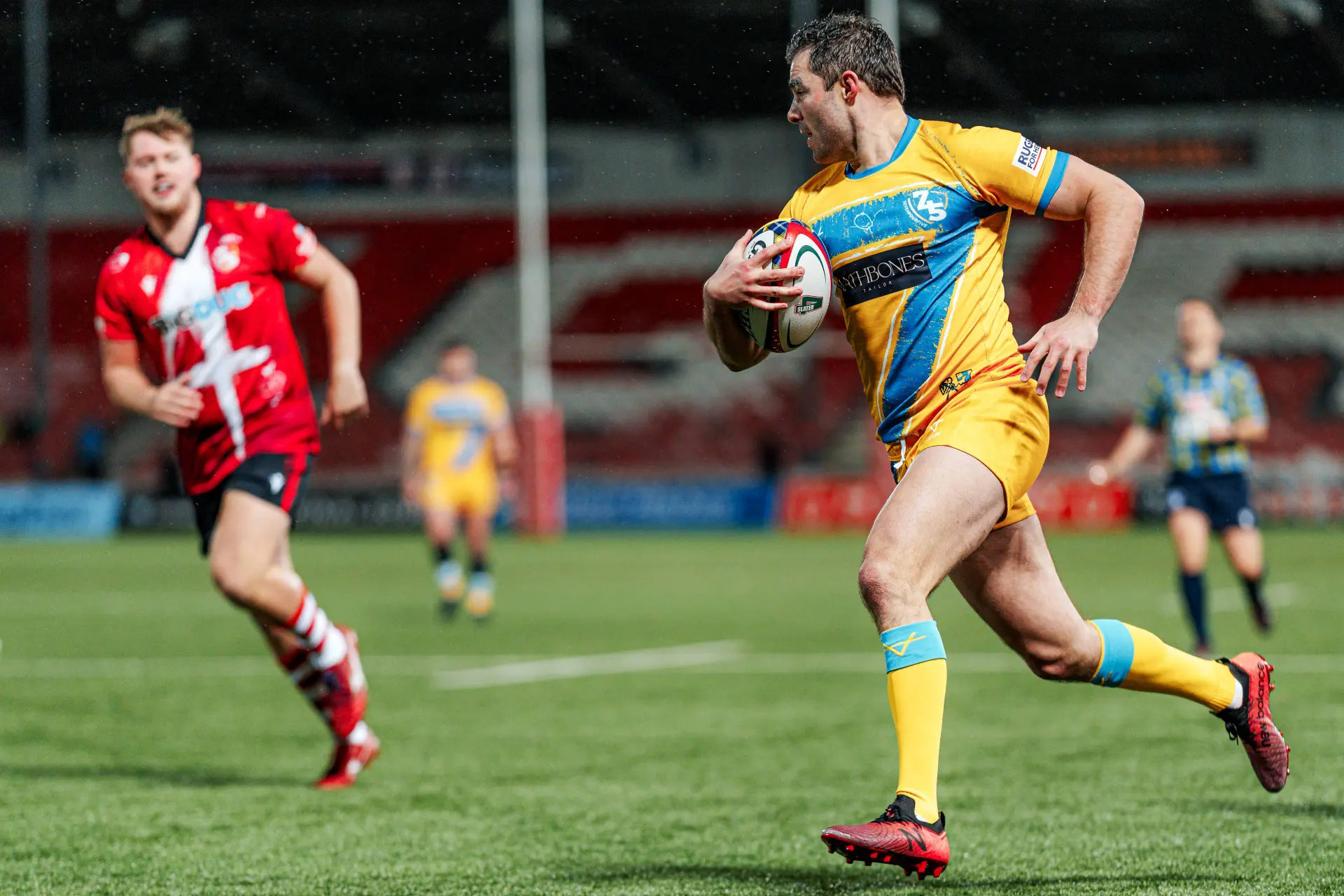

For most of the year, Luke Pearce and Ben Thaler live in
completely different refereeing worlds.
One is a leading rugby union official, managing the
complexities of breakdowns, scrums and mauls across the Premiership and
international game. The other spent more than two decades at the top of rugby
league, overseeing the speed, structure and relentless flow that defines the
13-man code.
Yet once a year, during the 745 Game, those worlds collide.
Created to celebrate the legacies of Rob Burrow, Doddie Weir
and Ed Slater while raising money for motor neurone disease causes, the match
combines elements of union and league into a single hybrid format.
In association with our partners at ACME Whistles, we caught up with two
giants of refereeing from both the RFL (League) Ben Thaler; and RFU (Union)
Luke Pearce to see how this special contest offers a rare opportunity for them to
step outside their own code and see rugby through a different lens.
"The concept is great," Thaler says. "It's
the first thing that has really brought both sports together in this way."
What has struck both officials most is not the differences,
but how much the two sports still have in common.
"I'll tell you the one thing that you see the
similarity of, and it's not really to do with the rugby," says Pearce.
"It's the camaraderie off field."
During the interview with ACME Whistles and RUCK, both
expressed the sense of shared purpose becomes obvious as former internationals,
club legends, officials and supporters from both codes gather around the same
cause. The competition between rugby union and rugby league disappears
remarkably quickly.
"No one's in it for anything to do with
themselves," Pearce explains. "No one receives anything from it.
Everyone's there for one reason. You're just trying to make it the best it can
be."
Even on the pitch, the similarities outweigh the
differences.
"Not too different," Pearce says when asked what
he saw the differences were. "The physicality is absolutely there. The
lads are turning up to raise money for charity, no doubt about it. But they
also want to hit each other hard as well. And that's great to see."
For a referee who spends most weekends dealing with elite
professional athletes under intense pressure, the game offers a refreshing
reminder of the true essence of the sport.
Pearce added; "The only thing I could compare it to, is
going back and refereeing the best players, but in a local level game where much
of it is run on common sense."
For Pearce, the experience has given him an appreciation of
rugby league's clarity and simplicity.
While joking that he can "barely understand the laws
and rules of rugby union, let alone rugby league", he also points to one
of the fundamental distinctions between the sports.
"Rugby union is so complicated at the moment, too
complicated in my view," he says. "League players and referees would
probably find the breakdown, the scrums especially really difficult to get used
to."
Thaler sees the contrast from the other side.
Having built a reputation in rugby league as an official who
let the game flow, he recognises that the technical demands facing union
referees are significantly different.
Thaler agreed adding; "I'm fully aware that union is
far more technical to referee.”
That doesn't mean one code is harder than the other. Rather,
the experience has highlighted how each sport has evolved to emphasise
different skills for officials.
League demands control of speed, space and momentum. Union
requires constant interpretation of breakdowns, set-piece detail and contested
possession. Yet underneath those differences, both referees believe the
fundamentals remain identical.
And after sharing a pitch, a changing room and a whistle
with someone from the other side of rugby's historic divide, would either
referee be tempted to switch codes permanently?
Pearce's answer arrives immediately.
"No," he laughs. "I can barely understand the
laws and rules of rugby union, let alone rugby league. I can run forwards and
referee a breakdown, but running backwards like they do in league, hurts my
legs. I think it's amazing."
As for Thaler, there is perhaps a touch more temptation.
"I'm not saying no," he says. "But I'm fully
aware that the game is far more technical. I’m a long way off being fit, and
I’ve spent a career perfecting the art of running backwards as a league ref –
so running forward would be a novelty. You never know, I might give it a go at
some point if they're desperate."
For now, though, both men seem perfectly happy where they
are: standing in the middle of rugby's most unusual match, proving that while
the laws may differ, the spirit of the game remains exactly the same.
As the 745 Game enters another year, both men believe it
demonstrates something bigger than fundraising. "It shows that both sports
can come together," says Thaler. "When they all come together, it
doesn't really matter who it is or your background. It really is all about the
game."
To find out more, visit www.745game.org