
Former international referee Nigel Owens has delivered his verdict on a controversial All Blacks try during New Zealand's 43-21 victory over Scotland at Murrayfield.
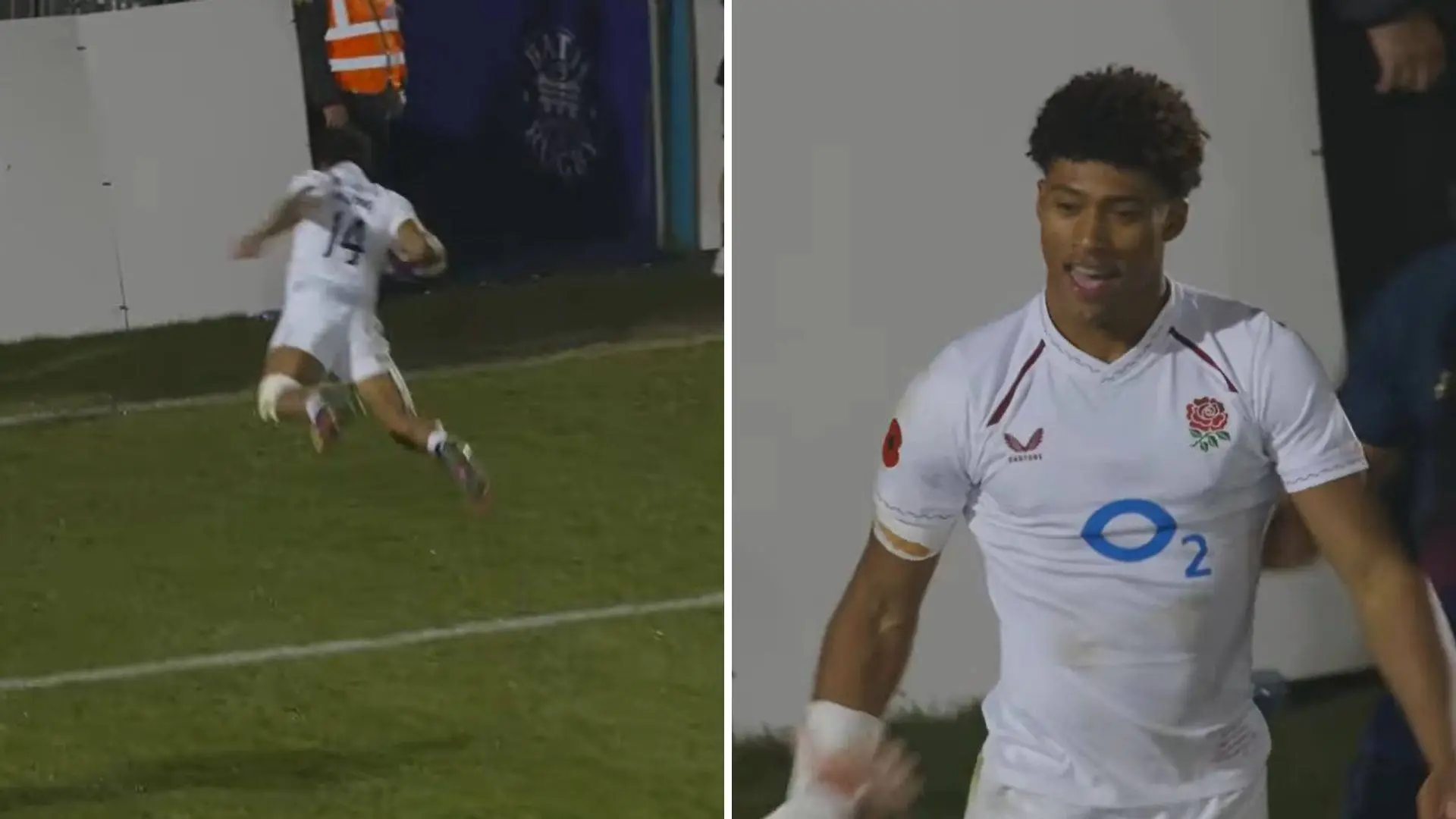
The All Blacks made a flying start against Gregor Townsend's side, with Wallace Sititi crossing after just four minutes.
But the opening try quickly sparked a heated debate over whether New Zealand had broken rugby's laws.
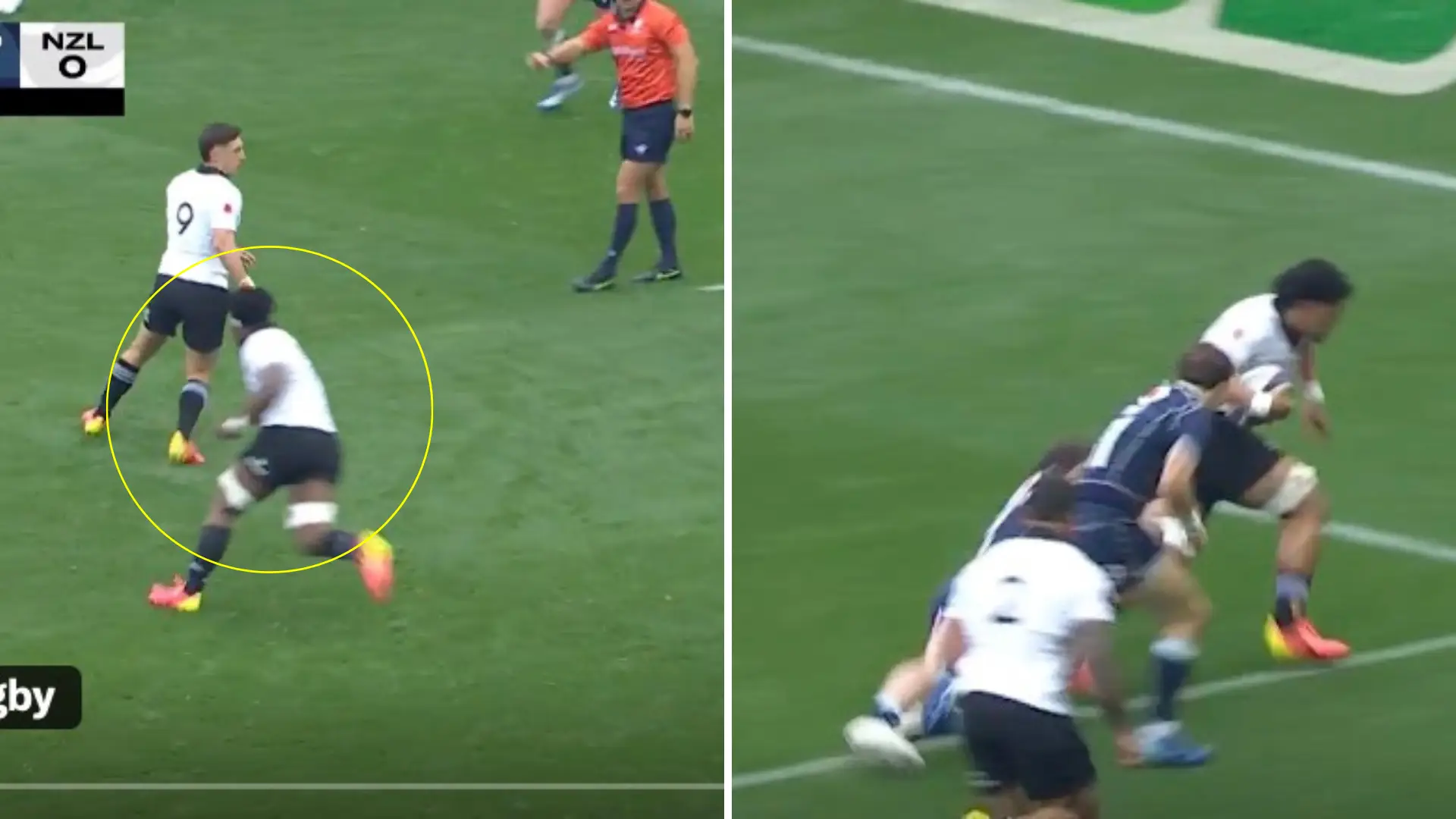
The visitors used a clever move from a lineout maul, with Peter Lakai appearing to break away as a dummy runner.
Sititi then emerged with the ball, catching Scotland's defence off guard before racing over.
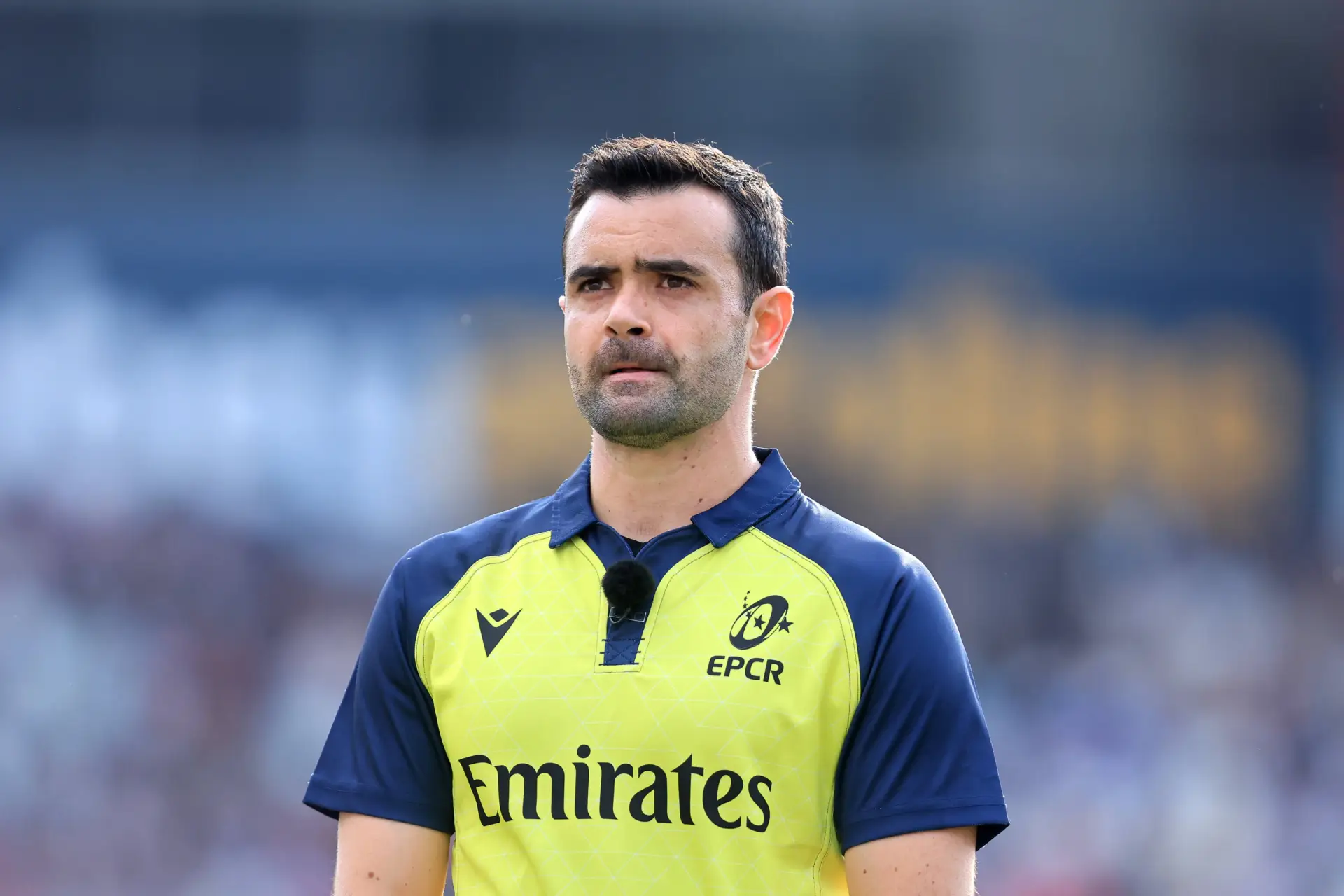
Referee Andrew Brace awarded the try, but the decision divided supporters watching at home.
Nigel Owens delivers his verdict
The incident attracted the attention of rugby account RugbyInsideLine, which questioned whether New Zealand's move was legal.
The account wrote:
"Surely the entire point is making Scotland think the ball is out, which is illegal."
It then called on former international referee Nigel Owens to offer his interpretation.
And the Welshman saw nothing wrong with the move.
Owens responded:
"That looks fine to me as the timing is perfect. As he leaves (dummy runner) the ball carrier seems to break away same time. It would be play on for me."
He also suggested the incident could feature on his Whistle Watch programme.
His verdict offered a different perspective on a moment that had already sparked considerable debate.
Rugby fans divided over controversial try
Supporters were split over whether New Zealand's clever deception should have been penalised.
One fan wrote:
"The same as a 9 dummying the pass surely? It's illegal."
Another disagreed:
"Only a dummy will think this is illegal, clever play."
A third questioned whether the move was any different from attacking players running deceptive lines in open play.
Others felt the timing was everything.
One supporter argued that the move had been executed to perfection, rather than being an example of illegal play.
The disagreement centred on whether New Zealand had deliberately made Scotland believe the maul had ended before the ball was actually out.
What do World Rugby's laws say?
According to World Rugby's official laws, Law 16.11(c) states that players must not:
"Take any action to make opponents believe that the maul has ended when it has not."
The sanction for doing so is a free-kick.
That makes the timing of New Zealand's move particularly important.
If Lakai broke away before Sititi emerged with the ball, there could be an argument that Scotland's defenders had been illegally deceived.
However, Owens believes both players left at virtually the same moment, making the move perfectly legitimate in his interpretation.
Brace allowed play to continue, and the try stood.
All Blacks make winning start
The controversial score helped New Zealand establish an early advantage at Murrayfield.
Scotland fought back to make a contest of it, but the visitors eventually pulled clear to secure a 43-21 victory.
The result continued New Zealand's strong run of form and kept the pressure on South Africa at the top of the world rankings.
For Owens, though, there was little doubt about the opening try.
The former referee believes New Zealand got their timing spot on.
But was it a brilliant piece of attacking innovation, or should Scotland have been awarded a free-kick?