Former England wing Christian Wade believes rising England sensation Henry Pollock has the attributes to succeed in the NFL, while Springbok enforcer Eben Etzebeth also has the physical tools to make the transition to American football.
Join the RUCK’s WhatsApp community here and get the latest news sent straight to your messages.
Wade, who spent three years in the NFL's International Player Pathway programme with the Buffalo Bills before returning to rugby, believes several current rugby stars possess the athletic traits to catch the eye in America. However, he also stressed that making the jump remains incredibly difficult.
Speaking to BOYLE Sports, who offer NFL Betting, Wade said the annual NFL Combine highlights the type of explosive athletes teams are searching for.
"The combine exists to see how you move - your speed, power, strength, footwork. If I go off that, there are quite a few guys in the England team who could go over and turn heads.
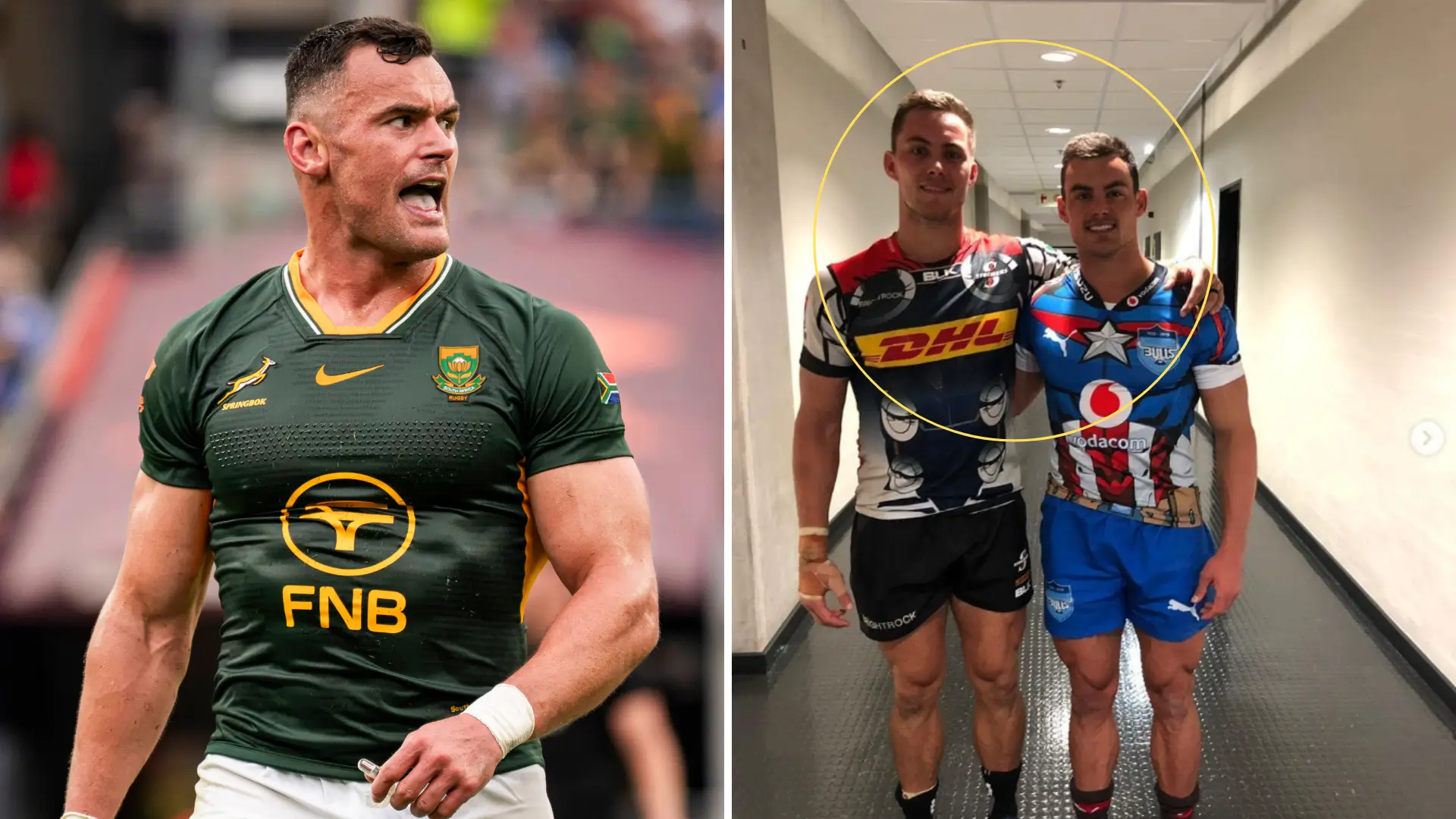
He also believes that Northampton Saints and England wing Tommy Freeman has the frame to play tight end. "I think Tommy Freeman could go in and be a good tight end. He’s a big, physical guy with good pace, similar to what Alex Gray did when he went over."
The England options continue, as Marcus Smith's footwork and Manny Feyi-Waboso's running style also caught Wade's attention.
"Someone like Marcus Smith, with his footwork, would be a nice slot receiver. Manny Feyi-Waboso, with his low centre of gravity, I'd love to see him play running back. He likes the contact and can find small seams."
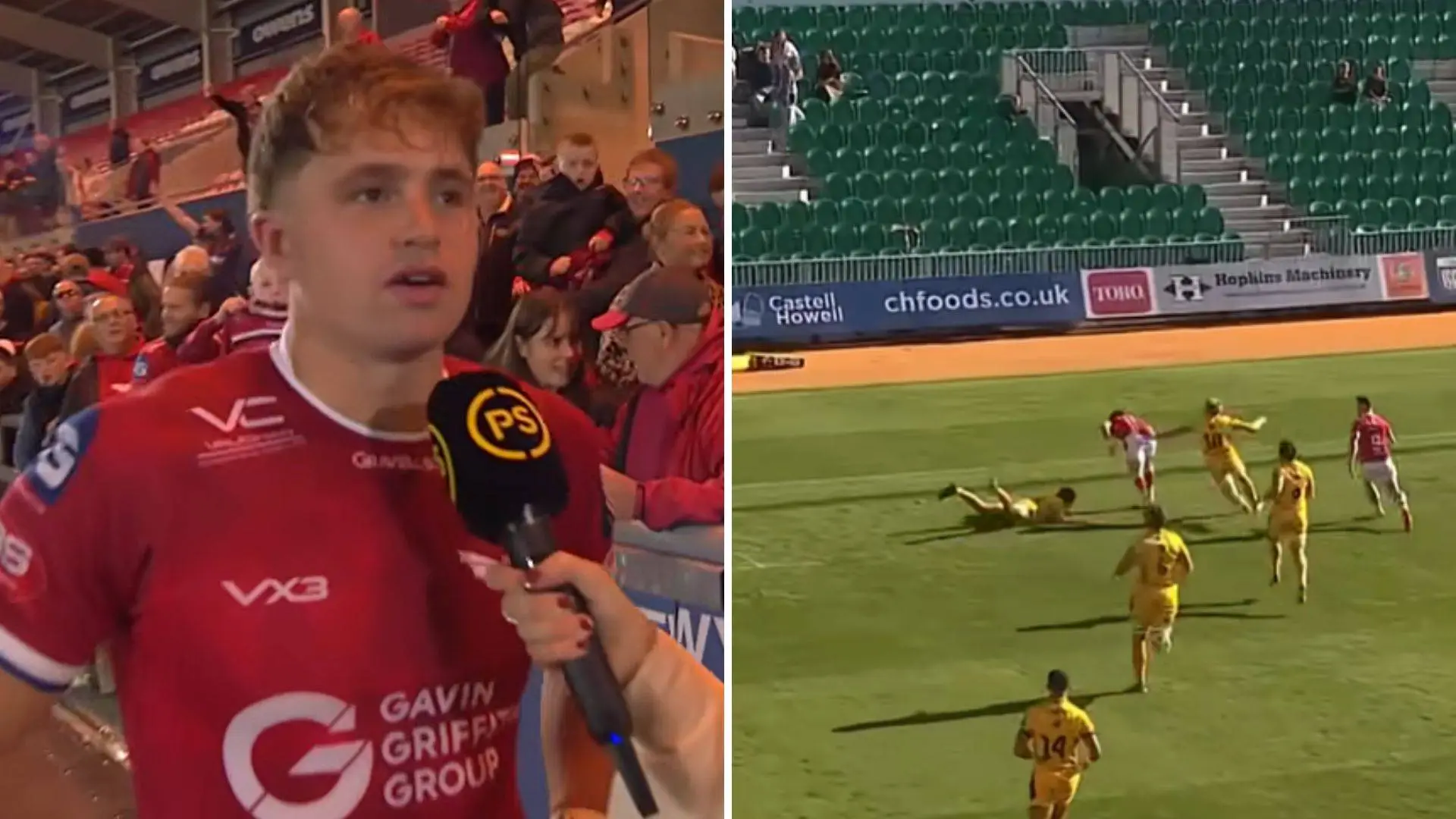
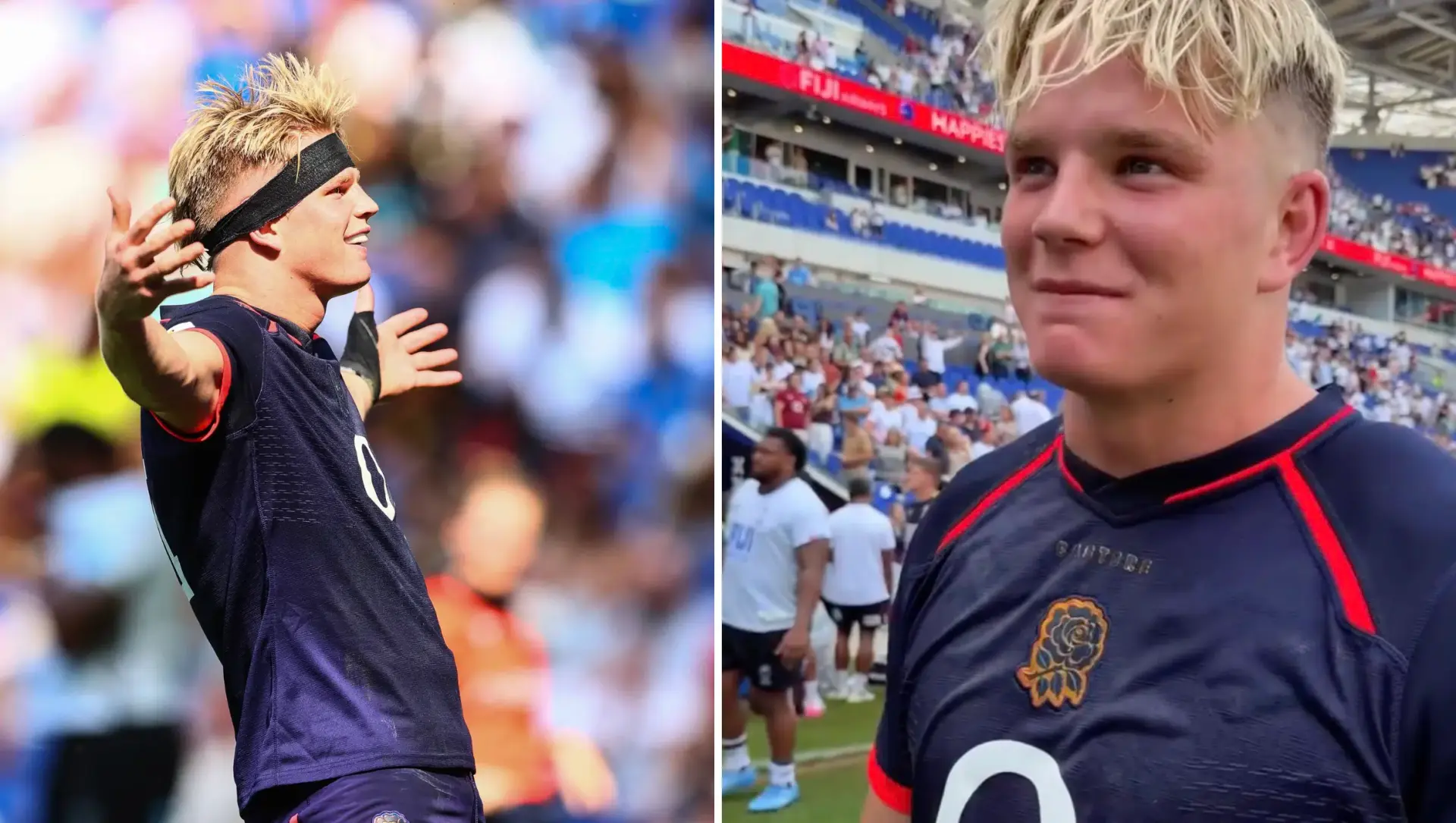
When it comes to defence, Wade believes England's back-row talent could translate well to the NFL. "For linebackers, the Curry twins, Tom and Ben could do it. Henry Pollock would probably be a good linebacker too - he’s got great lateral movement and isn't afraid to hit guys."
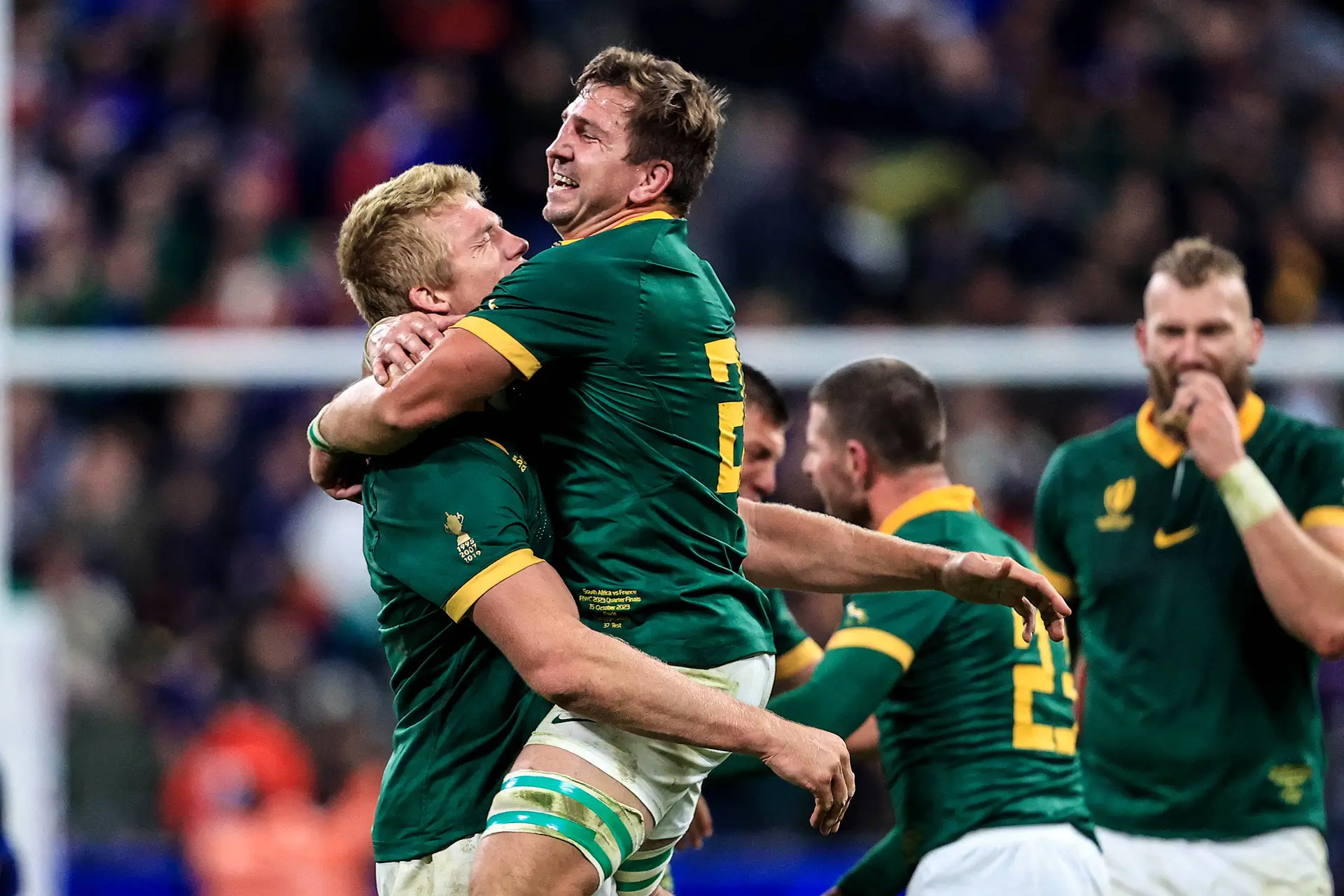
He also singled out one of South Africa's greatest forwards as the ideal offensive lineman. "As for linemen, I'm not sure there's anyone in our English setup because it's about massive wingspans while being heavy. Maybe someone like the South African Eben Etzebeth would be a good offensive tackle because of how tall he is. He could just stop guys from coming around the edge."
Anthony Watson: I nearly made the move myself
Wade's comments come after former England and British & Irish Lions wing Anthony Watson revealed he seriously considered pursuing an NFL career following the 2015 Rugby World Cup.
Watson admitted there was mutual interest after England's disappointing home World Cup campaign, with both he and Billy Vunipola identified as potential crossover athletes. Speaking to CasinoLyze, Watson said;
"It was relatively early after the 2015 World Cup and there were some early discussions that dragged out for a period beyond that.
"I was definitely looking at it and considering it pretty heavily. And then obviously what happened, happened. After 2015, there was a lot of speculation about players who could make the transition. I think myself and Billy Vunipola had been earmarked. So there probably was a year or so after that that there were some early discussions. But nothing was set in stone, offering whatever. But there was interest on their part and my part, for sure."
Those ambitions were ultimately ended when Watson suffered the Achilles injury that disrupted the prime years of his rugby career.
"Yes, it was. It was definitely something I was looking at. I had some pretty early-stage discussions with them, but it was around the time when I tore my Achilles the first time, and we all know how long that took to sort out. After that, my focus returned totally on making the most of what I had left in rugby."
'If Christian Wade couldn't make it, no one will'
Despite once dreaming of the NFL himself, Watson believes Wade's own experience proves just how difficult it is for rugby players to break into America's biggest sport.
"Having spoken to people in the past, I am really not sure that it's actually possible. I'm not sure it's possible for a rugby player to transition because I think that those guys have been doing it from the age of five years. They've got that muscle memory. Rugby players just don't have that."
He added: "And frankly, if Christian Wade can't make it, no one can because, from an athletic ability angle, they don't get much better than him in rugby. He performed, and he had the stature, and he had the raw physical ability to do it, so he had everything working in his favor. And he didn't get a look in! So, it's tough for me to consider anyone else who may have the potential, unless we're talking about an offensive lineman possibly or a kicker."
Watson admitted he once dreamed of following in the footsteps of NFL superstar Odell Beckham Jr.
"At the time I was obviously a massive Odell Beckham fan, so I thought I could play wide receiver!"
But, with hindsight, he believes the highly technical nature of the position would have been a poor fit.
"Looking at it now, I honestly have no idea where I would have played because I had no interest in making tackles for a living, so I wasn't playing defense, that's for sure. The way I played rugby was very unstructured and off-the-cuff, so looking back, I think wide receiver would have been way too structured and formalized for me to allow me to actually do it. But that was the position that I wanted to try at the time."
Rugby's American opportunity
Looking ahead to the 2031 Rugby World Cup in the United States, Watson believes the sport has a huge opportunity to expand its audience—but only if it becomes easier for newcomers to understand.
"I'm hoping that there can be a flow-in after the football World Cup of people with innovative ideas and ways to change a sport. That would be brilliant. Ideally, that will happen over the next couple of years so that the World Cup in America can really be a spectacle to show what rugby's about and what it can do."
He concluded: "The one thing I think really needs addressing - and we've seen it in the football World Cup - is a lot of people in America don't know the rules and don't know what's going on, and soccer's obviously a lot bigger than rugby over there.
"So, I think when you take rugby over there, there needs to be a real drive to educate the viewers both from a TV and an audience perspective on what they're watching, and find a way to pick up the rules quicker because no one wants to watch a sport and have zero idea what's going on. People really have to have a basic understanding or at least an ability to develop an understanding about what you're watching. That has to be addressed, otherwise, people are just not going to watch."