British & Irish Lions to play France in first match of its kind
Rugby NewsTuesday, 18 February 2025 at 17:54
In a groundbreaking move, the French Rugby Federation has reportedly reached out to the Home Unions to propose a monumental clash: the British & Irish Lions facing off against France's national team at Paris's iconic Stade de France, potentially slated for 2027.
This initiative aims to bring together the best of Northern Hemisphere rugby in a showcase event, highlighting the sport's growing global appeal.
Before this potential 2027 spectacle, rugby fans have the 2025 British & Irish Lions tour of Australia to look forward to.
The tour kicks off with a historic pre-tour match against Argentina on June 20, 2025, at Dublin's Aviva Stadium—the first time the Lions will play on Irish soil.
The Australian tour itinerary includes:
- June 28: Western Force vs. Lions in Perth
- July 2: Queensland Reds vs. Lions in Brisbane
- July 5: NSW Waratahs vs. Lions in Sydney
- July 9: ACT Brumbies vs. Lions in Canberra
- July 12: Invitational Australia & New Zealand XV vs. Lions in Adelaide
- July 19: First Test vs. Wallabies in Brisbane
- July 22: Opponent TBC vs. Lions in Melbourne
- July 26: Second Test vs. Wallabies in Melbourne
- August 2: Third Test vs. Wallabies in Sydney
This tour promises intense matchups across Australia's premier venues, culminating in a thrilling three-Test series against the Wallabies.
As anticipation builds for both the 2025 tour and the proposed 2027 Paris showdown, rugby enthusiasts worldwide are set for an exciting few years ahead.
J
oin the RUCK’s WhatsApp community here and get the latest news sent straight to your messages.
EDITORS PICKS:
- England team to play Scotland: 2025 Six Nations
- Major Harlequins star has signed for Sale Sharks
- Sir Clive Woodward reveals his Lions XV – no place for Fin or Marcus Smith
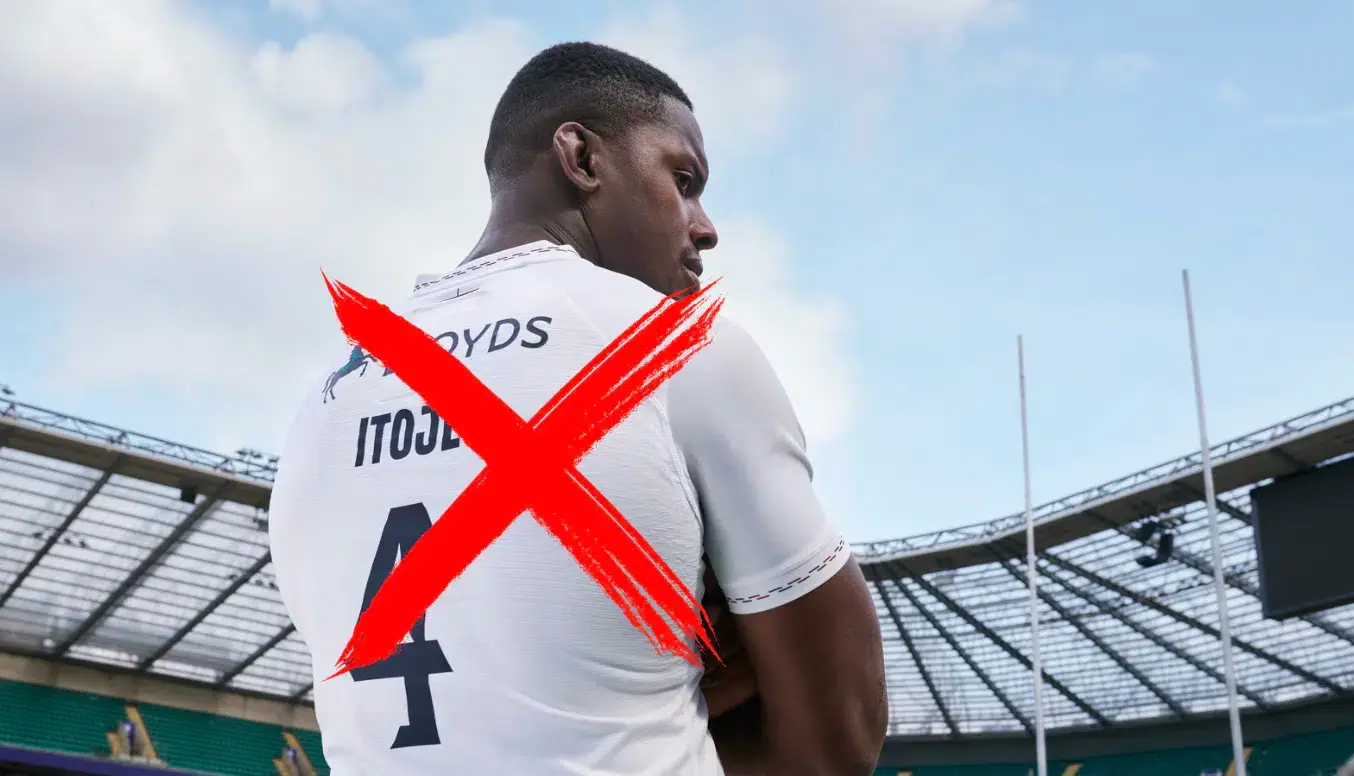
- Maro Itoje and Model Fiancé Postpone Wedding for Lions Tour Commitment
WARREN GATLAND'S ALL-TIME LIONS XV
15. Leigh Halfpenny (Wales)
A stalwart of Welsh rugby, Halfpenny's precision on the field was matched only by his reliability under the high ball. His defensive prowess and lethal boot made him a formidable opponent, earning him accolades as one of the finest full-backs in the world.
14. Tommy Bowe (Ireland)
Bowe's lightning pace and clinical finishing made him a nightmare for opposition defenses. Renowned for his work ethic and versatility, he brought a blend of skill and determination to every game, leaving an indelible mark on Irish rugby history.
13. Jonathan Davies (Wales)
Davies' midfield mastery and astute game reading elevated him to the pinnacle of Welsh rugby. A linchpin in both attack and defence, his ability to break lines and create opportunities made him a vital asset in any team's arsenal.
Gatland wrote: "This was the most difficult selection for many obvious reasons. I know a lot of people will ask why I did not select Brian O’Driscoll here. If you were to pick a Lions team that included the tours when he was at his best, 2001 and 2005, then he would come into that calculation because he was an unbelievable player.
"But when I was head coach in 2013, his best days were behind him whereas Jonathan Davies was in his prime. He played in the series-winning Test in 2013 and went on to become player of the series on the 2017 tour against the world champions New Zealand."
12. Jamie Roberts (Wales)
Roberts' brute force and tactical acumen made him a force to be reckoned with in midfield. Combining power with finesse, he consistently punched holes in opposition defences, earning accolades as one of Wales' most formidable centres
11. George North (Wales)
North's sheer athleticism and devastating speed made him a game-changer on the wing. Blessed with remarkable footwork and raw power, he left defenders grasping at thin air as he tore through opposition lines, cementing his status as a Welsh rugby icon.
Gatland wrote: "Wales were blessed with some fantastic athletes in the backline during my time and George was another one with explosive power and brilliant footwork which made him difficult to deal with, particularly at his best between 2011 to 2013. His physicality was important in negating the power of Israel Folau against Australia in 2013."
10. Johnny Sexton (Ireland)
Sexton's tactical genius and ice-cool demeanor made him the linchpin of Irish rugby. A master orchestrator on the field, his pinpoint accuracy and leadership under pressure were instrumental in Ireland's victories, solidifying his place among the sport's elite playmakers.
Gatland wrote: "Another one of my controversial decisions was not taking Johnny on the tour to South Africa in 2021. I had sound reasons at the time based on concerns that he would not be able to withstand the training and fixtures schedule.
"Analysis of the players’ data showed he had not played games on three consecutive weekends since 2018 because of knocks and rest periods for Leinster or Ireland. It is still a decision I wonder if I got right, given how he finished his career with Ireland. But I have no hesitation in naming him in my all-time starting XV. He started in all three Tests in 2013 and then was pivotal in 2017 when, after the first Test, we went with the Sexton/Farrell combination. His biggest attribute is communication and game understanding."
9. Mike Phillips (Wales)
Phillips' fearless approach and unparalleled vision made him a standout scrum-half in Welsh rugby lore. With a cannon-like pass and fearless runs, he dictated the tempo of the game, earning the respect of teammates and foes alike as one of the best in his position.
1. Mako Vunipola (England)
Vunipola's thunderous carries and tenacious defense made him a cornerstone of English rugby's front row. With boundless energy and technical prowess, he dominated the set-piece and the loose, earning plaudits as one of the premier props of his generation.
2. Jamie George (England)
George's precision in the set-piece and tireless work rate made him a linchpin of England's forward pack. A master of the line-out and a fierce competitor in the loose, he epitomized the modern hooker, blending power with finesse to devastating effect.
Gatland wrote: "I have a huge amount of time for Jamie, both as a bloke and as a player. If his form had not dipped in early 2021 with England, I could well have gone with him as my tour captain for the South Africa tour. His setpiece was the difference for me, and he was an excellent line-out thrower. He also has surprisingly good footwork and skills for a hooker."
3. Adam Jones (Wales)
ones' scrummaging prowess and tireless work ethic made him a legend of Welsh rugby's front row. A rock in the scrum and a dynamic presence around the field, he set the standard for modern props, earning plaudits as one of the best in the business.
4. Alun Wyn Jones (Wales)
Jones' leadership and unwavering commitment made him a titan of Welsh rugby. With an insatiable work rate and unyielding physicality, he led by example on and off the field, inspiring teammates to greatness and etching his name in rugby folklore.
5. Paul O’Connell (Ireland)
O’Connell's towering presence and tactical acumen made him a linchpin of Irish rugby's second row. A master of the line-out and a fierce competitor in the loose, he led with authority and led by example, earning adulation as one of Ireland's greatest locks.
6. Tom Croft (England)
Croft's explosive athleticism and aerial prowess made him a standout in English rugby's back row. A dynamic presence at the breakdown and a menace in open play, he left a trail of destruction in his wake, earning plaudits as one of the premier flankers of his era.
Gatland wrote: "This was the hardest selection, given the quality of player I worked with here. I still wonder what a player Stephen Ferris could have been for us if he had not picked up a knee injury on the 2009 tour. I am also a big fan of Courtney Lawes. But Tom at his best was an incredible athlete, quick and explosive and a brilliant line-out operator.
"Not originally selected in 2009 but forced his way into the Test side, scoring twice against the Springboks in the first Test. We didn’t see the best of him in 2013 because of injury."
7. Sam Warburton (Wales)
Warburton's sheer tenacity and breakdown expertise made him a colossus of Welsh rugby's back row. A relentless force at the breakdown and a consummate leader on the field, he set the standard for modern openside flankers, earning accolades as one of the best in the business.
8. Taulupe Faletau (Wales)
Faletau's ball-carrying prowess and defensive steel made him a linchpin of Welsh rugby's back row. With thunderous runs and bone-crunching tackles, he imposed his will on the game, earning plaudits as one of the premier number eights of his generation.
TRENDING


LATEST NEWS
LATEST COMMENTS
- Jordie Barrett over Damian de Allende is far from being correct. The hype around Dupont is also overreaching, he's probably 4th in the world and has been since the 2023 WC. He also avoids certain matchups which is strange. The rest of the list is pretty good apart from minor subjective biases.JasonMarlow16-09-2026
Loading