"Dark side" - Warren Gatland lands shock role after quitting Wales
Rugby News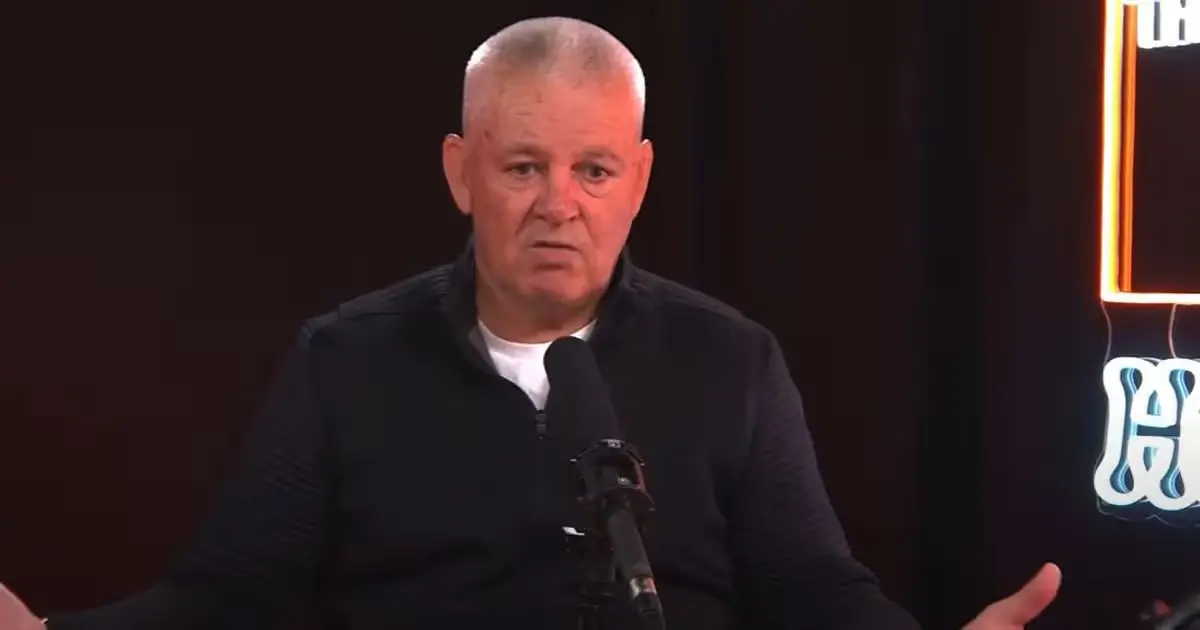

A new respect for referees
“They know they are not perfect. But what I see is a group of people working really hard to rectify the issues.”
“I know how frustrating it can be when calls go against your team, particularly those that fall within the grey area.”
What referees are really focusing on
“Trying to create more space when it comes to teams being able to attack.”
“Focusing on the tackler, and ensuring that the jackaler is completely legal at the breakdown.”
“This is important. There have been some mistakes made around this when it comes to consistency.”
“Ensuring both scrum and maul allow a contest for the ball and are also legal.”
“I do not think these focus areas… have been communicated well enough to the fans, broadcasters and teams.”
Referees should admit mistakes
“They will get more respect when they are reviewing a performance and admit that a decision was wrong.”
“The most negative effect on the game can come from a TV commentator who says things like ‘that was a terrible decision’, but sometimes they are wrong or do not know the law.”
EDITORS PICKS:
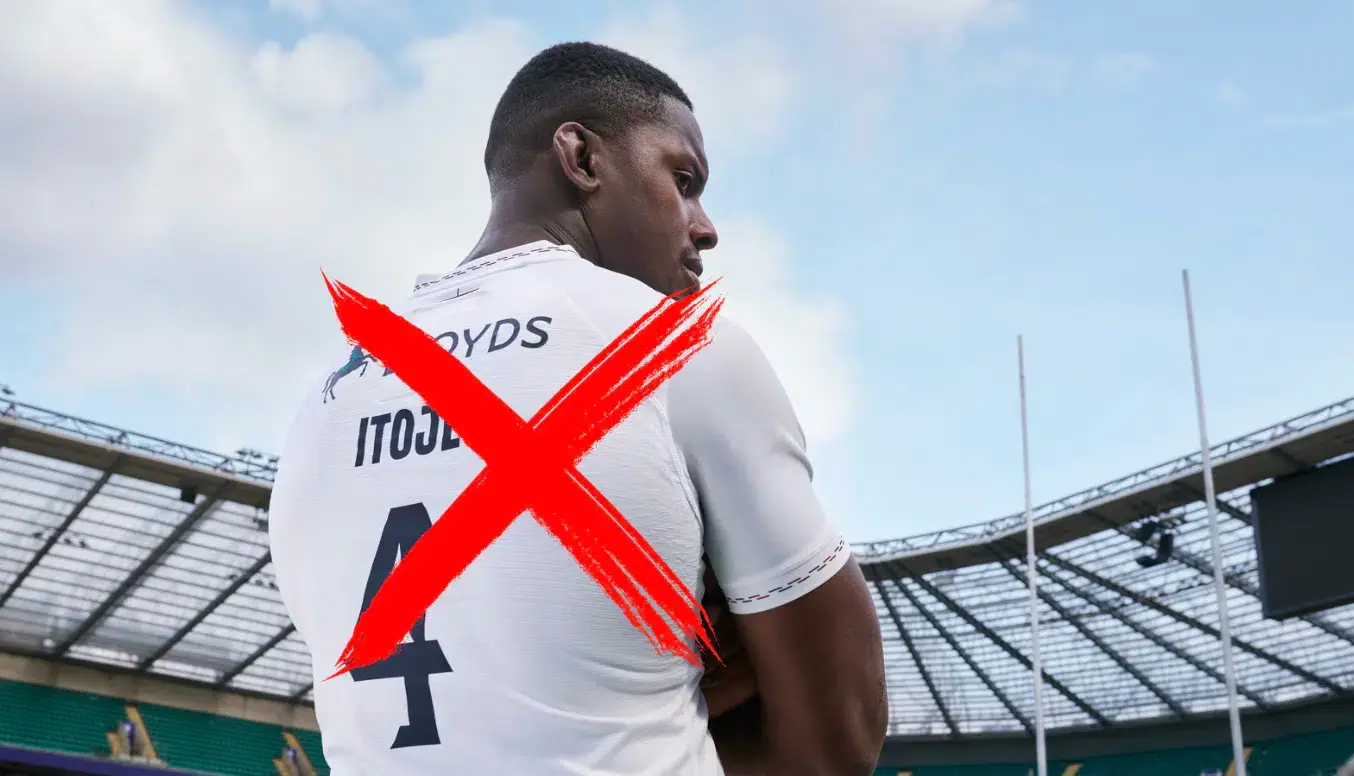
- Maro Itoje confirms his retirement from rugby date
- Finn Russell will make shock career change after rugby retirement
- Hollie Davidson had very different job before becoming rugby referee
- Louis Rees-Zammit ‘planned’ to quit Wales again after 2026 Six Nations
- Duhan van der Merwe Responds to Talk of Springbok Move Amid Scotland Exile
Quiz: Can you all of the Guinness Six Nations winning captains?
Surnames only will be accepted.






LATEST COMMENTS
- Jordie Barrett over Damian de Allende is far from being correct. The hype around Dupont is also overreaching, he's probably 4th in the world and has been since the 2023 WC. He also avoids certain matchups which is strange. The rest of the list is pretty good apart from minor subjective biases.JasonMarlow16-09-2026
Loading