
Two referees earned top marks, one made rugby unnecessarily complicated, and another endured a nightmare evening.
It was another extraordinary weekend of Nations Championship rugby.
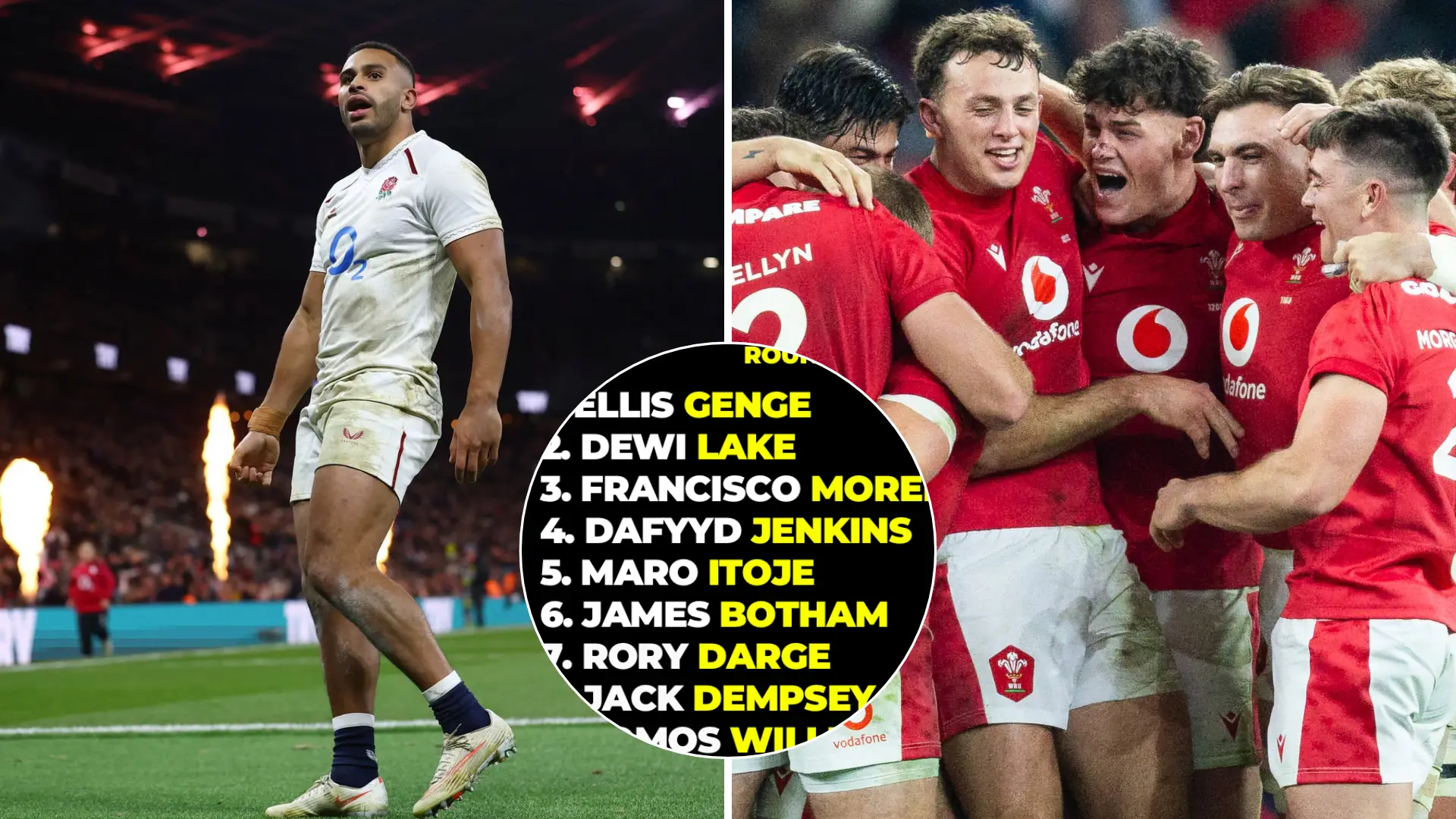
Wales stunned New Zealand, England demolished Japan and Scotland edged Australia in a Murrayfield thriller.
But while the players grabbed the headlines, the officials had plenty of decisions to make.
I've graded all six referees on their decision-making, communication and game management. Some impressed me enormously. Others have plenty to work on.
1. Damián Schneider (Argentina) – England 78–15 Japan
Grade: A
I haven’t come across Schneider often, but he impressed me.
A lawyer by day, he brought clarity and authority to Twickenham. His communication was excellent, with decisions explained clearly and no unnecessary lectures. More importantly, he got the vast majority of the big calls right.
He made no attempt to be the centre of attention, which is exactly what you want at international level. A well-deserved A.
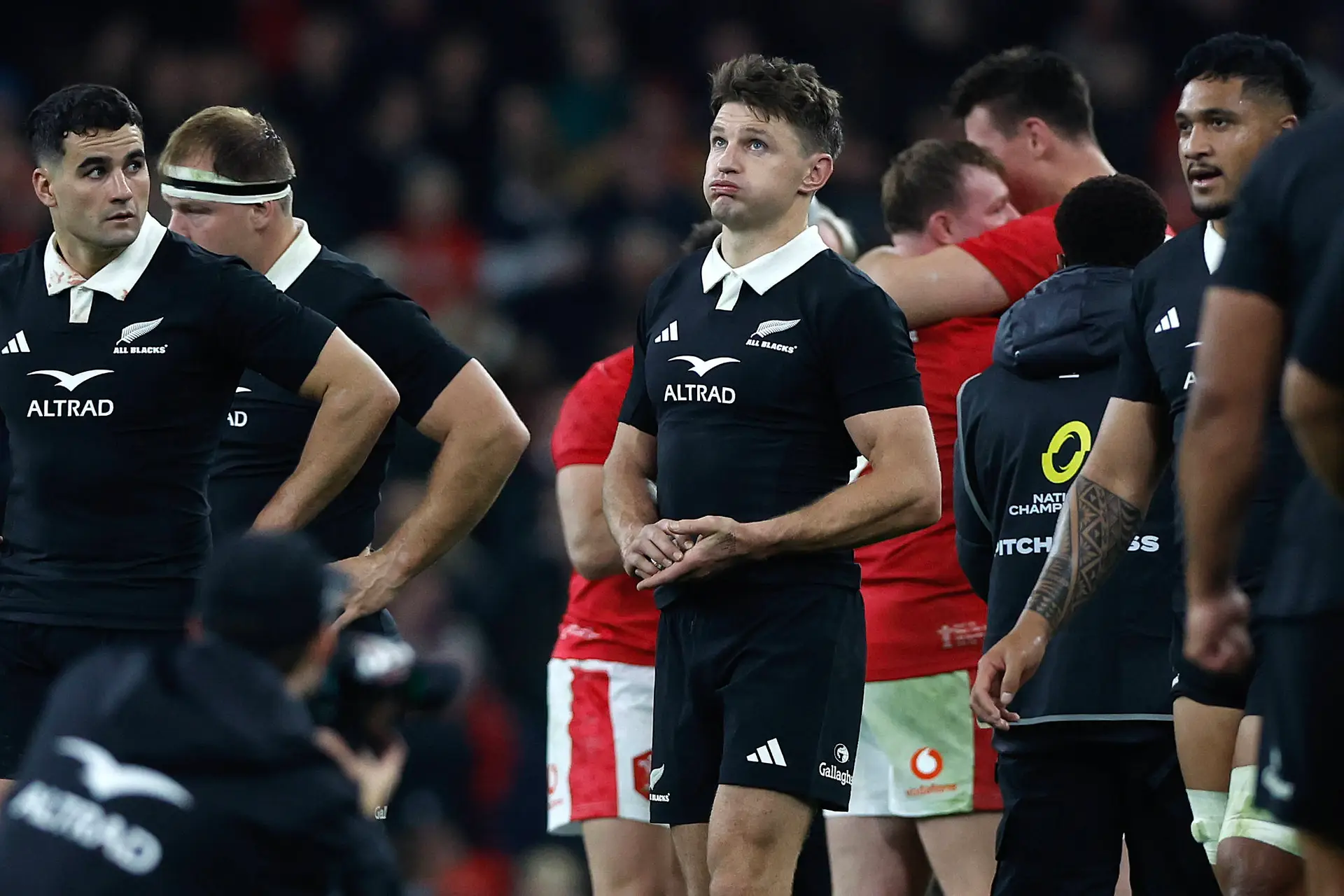
2. Pierre Brousset (France) – Wales 35–28 New Zealand
Grade: A
Brousset had the whistle for one of the biggest upsets in rugby history, and he deserves plenty of credit.
With emotions running high in Cardiff and both sides throwing everything into the contest, the Frenchman stayed composed. His communication was clear, his approach consistent and he let the game breathe. He understood the occasion without becoming part of it.
Sometimes the biggest compliment you can give a referee is that you barely noticed him. Brousset passed that test with flying colours. An easy A.
3. Angus Gardner (Australia) – Ireland 43–15 Fiji
Grade: B
Gardner was largely assured in Dublin, though not without mistakes.
He managed Ireland’s repeated infringements well, issuing warnings before reaching for the yellow card. There was one embarrassing mix-up, though: he first identified James Ryan as the player heading to the sin-bin, then corrected himself and penalised Tadhg Beirne.
Gardner also faced several difficult decisions, including Nick Timoney's disallowed first-half try after the Ireland number eight was deemed held up over the line.
The Australian official later showed Fiji replacement Inoke Ravuiwasa a yellow card following dangerous head contact on James McNabney, with the incident reviewed for a possible red.
The yellow card was upheld, with McNabney's significant drop in height considered a mitigating factor.
A solid performance with a few rough edges. A respectable B.
4. Nika Amashukeli (Georgia) – Italy 14–19 Argentina
Grade: B
Amashukeli had his hands full in Genoa, with four yellow cards and a penalty try in a chaotic game.
Argentina’s discipline nearly cost them. Tomás Albornoz was sin-binned in the first half, and Joel Sclavi and Efraín Elías followed after the break, within minutes of each other, briefly leaving the Pumas with 13 men. Italy were awarded a penalty try as the match threatened to slip away from Argentina. There were 32 penalties in total, split evenly between the sides, which shows how difficult the afternoon became.
A high card count doesn’t automatically mean poor refereeing. Amashukeli acted when players crossed the line rather than letting repeated infringements go unpunished.
I didn’t watch this one live, so this grade is based on match reports rather than a full assessment. A provisional B feels fair.
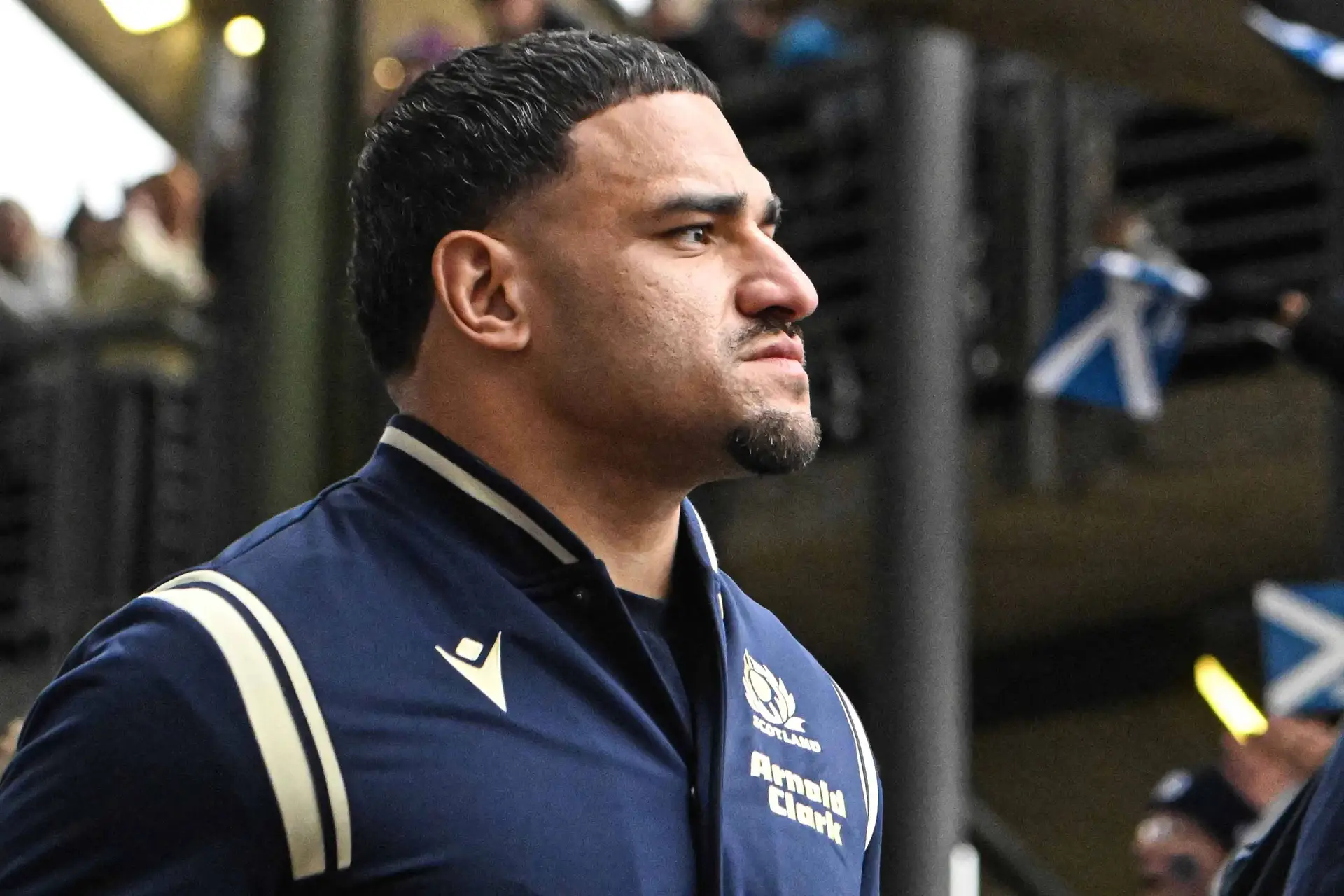
5. James Doleman (New Zealand) – Scotland 15–12 Australia
Grade: C
Doleman wasn’t poor at Murrayfield, but I found his approach frustrating.
He was incredibly thorough, sometimes to the point of making a straightforward game feel complicated. His communication was detailed, but it often felt like he was analysing every small detail rather than letting the rugby flow.
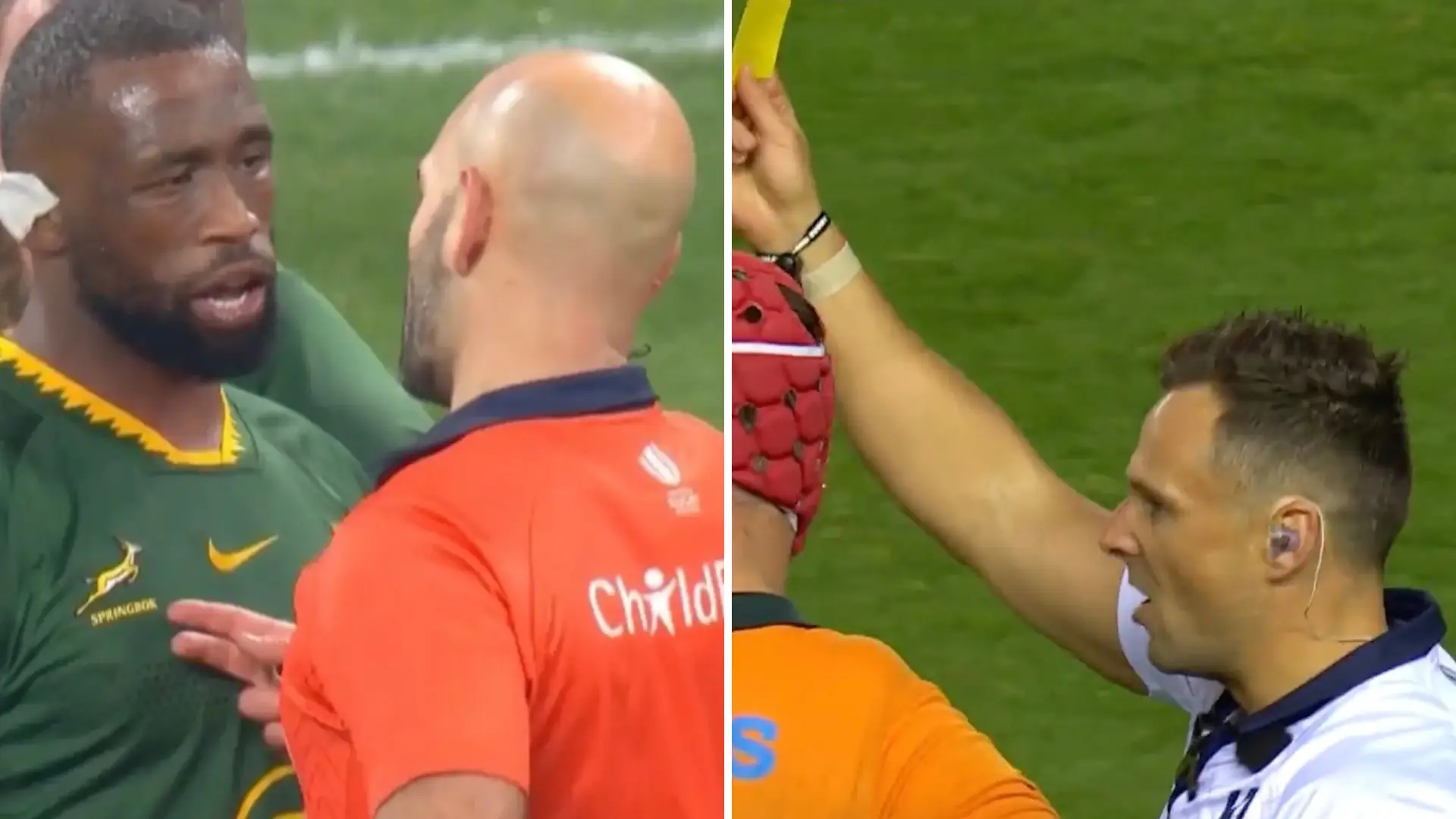
His major decisions weren’t wrong. Darcy Graham’s try was disallowed after Kyle Steyn stepped into touch, Australia’s first-half effort was chalked off for obstruction, and Billy Pollard was yellow-carded for an upright tackle and head clash with Blair Kinghorn. All three looked defensible.
But good refereeing isn’t just about reaching the right conclusion. It’s about managing the contest and making the laws understandable, and Doleman’s determination to explain everything hurt the game. A fair C.
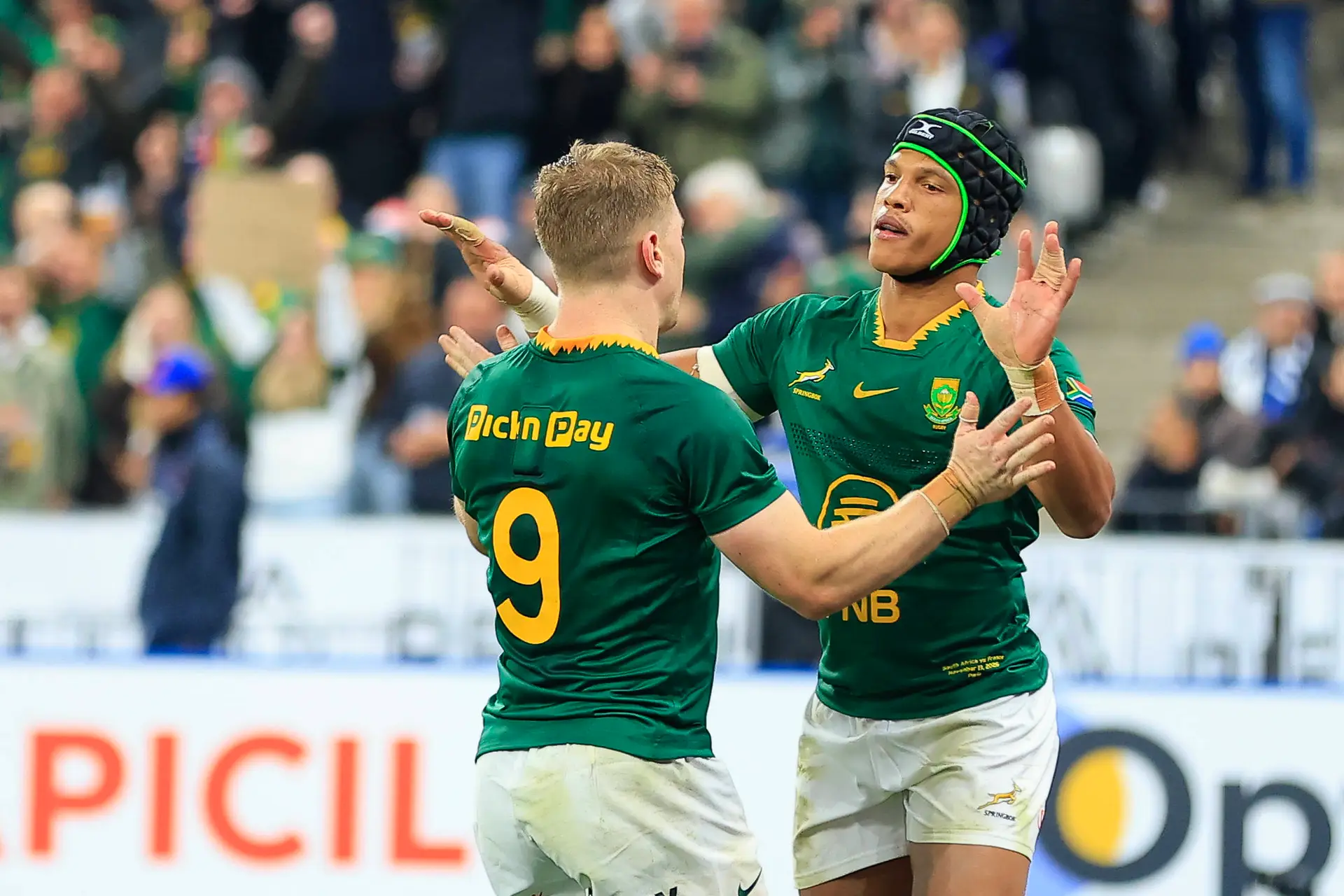
6. Andrea Piardi (Italy) – France 21–19 South Africa
Grade: D
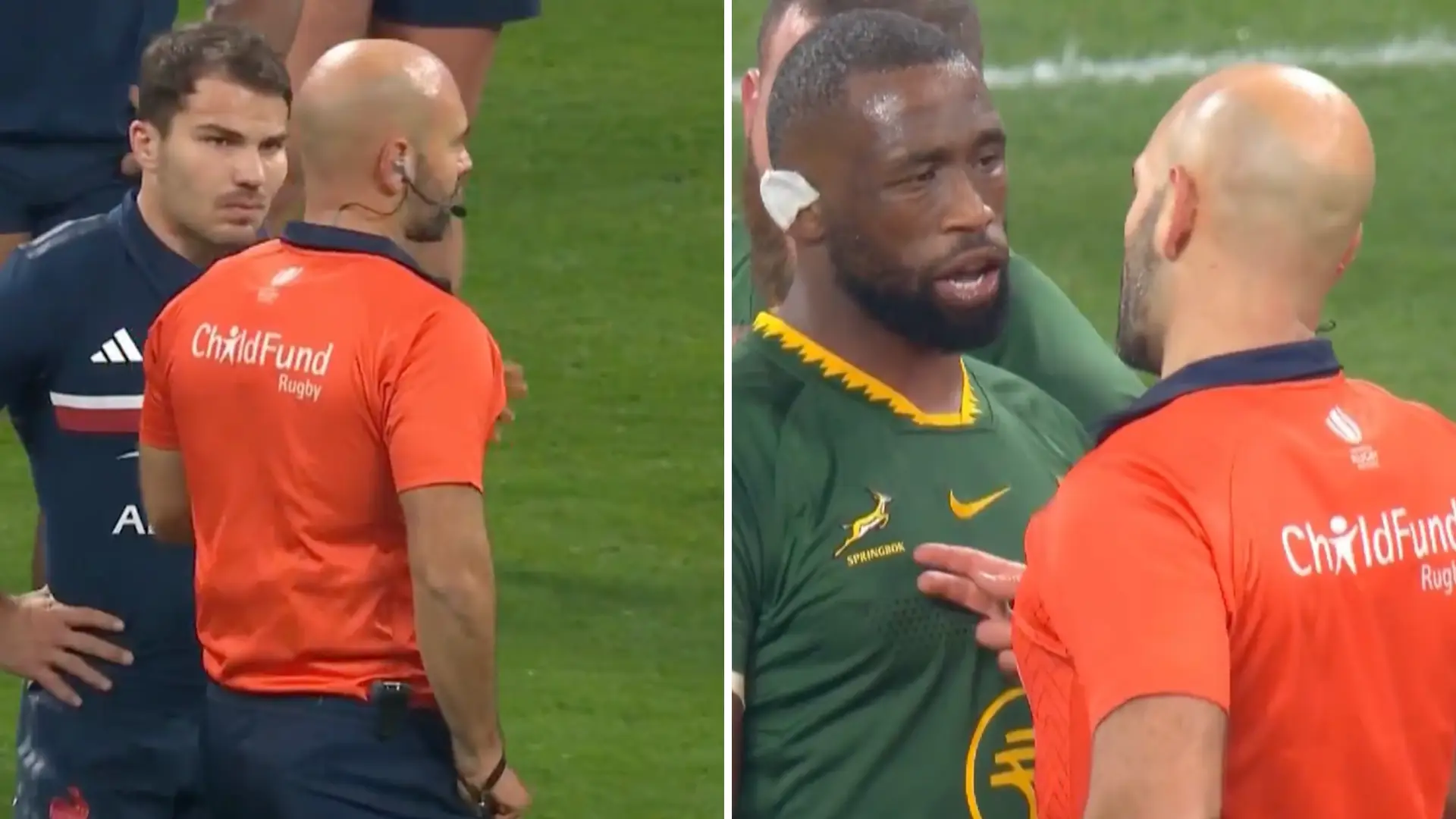
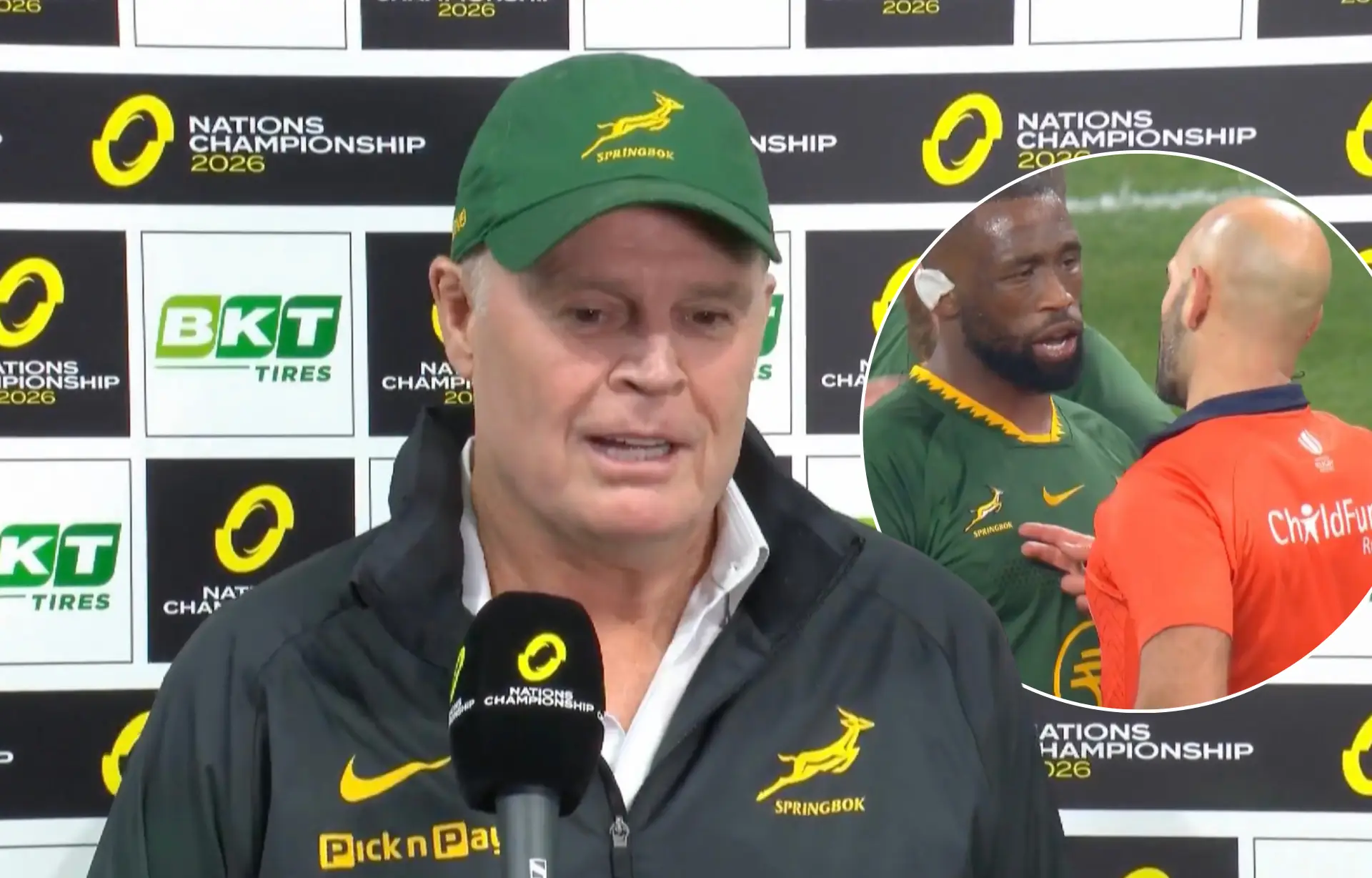
Piardi endured a difficult evening as France edged South Africa 21-19 in Paris.
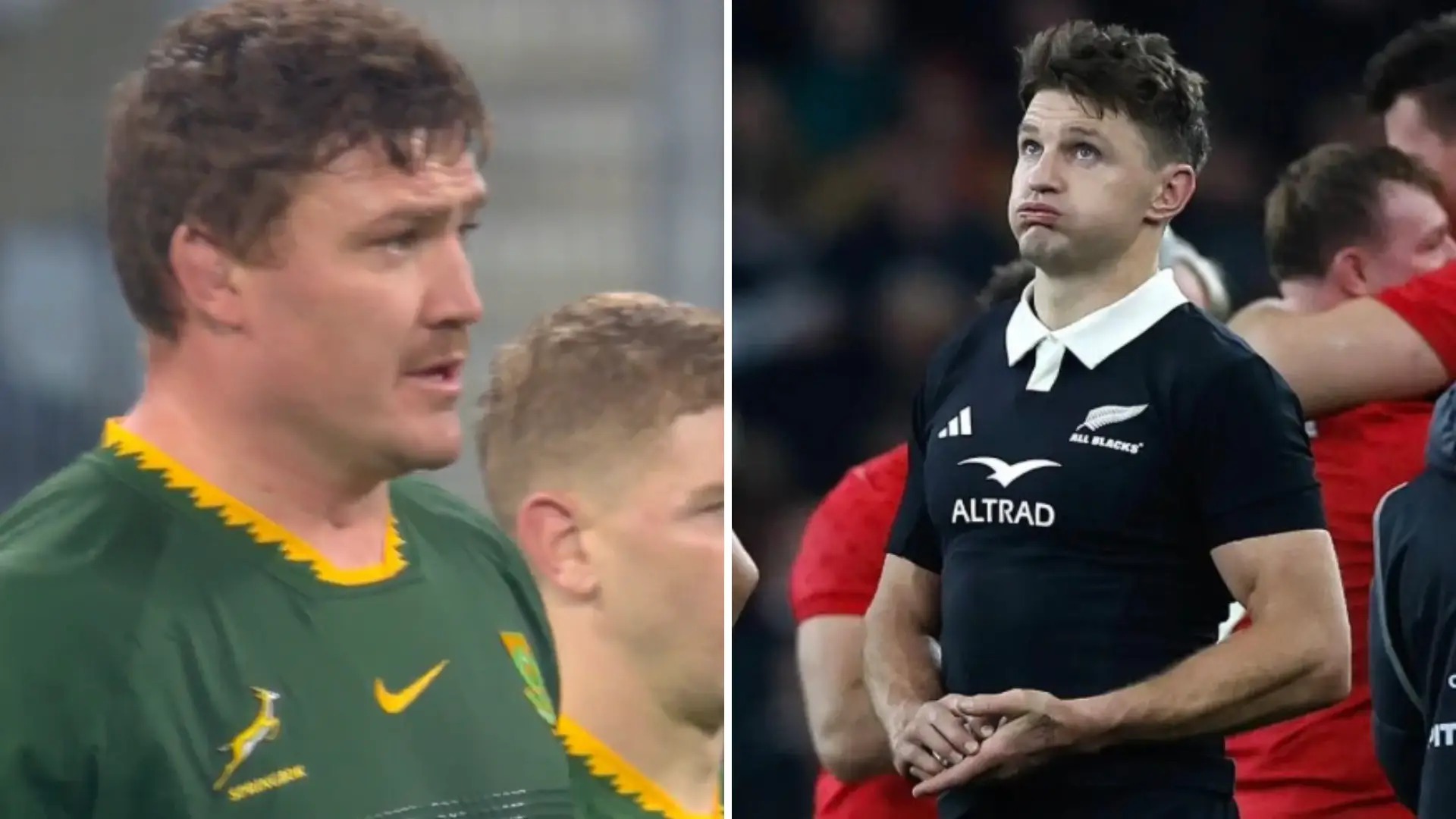
To his credit, he got several big calls right. Jasper Wiese’s red card was correct, and the unusual France try he allowed to stand was one Rassie Erasmus himself conceded was legitimate.
The problem was consistency.
He repeatedly penalised France at the scrum, eventually yellow-carding prop Régis Montagne after a string of offences.
In the final quarter, he gave France a final warning, penalised one infringement, then appeared to overlook two similar offences in quick succession.
You can’t warn a side, penalise it once and then wave the next two away. That’s guesswork, not game management.
In a Test decided by two points, that matters.
This came just weeks after the Perth chaos, where we graded him B-. Another difficult night for the Italian official.
We’ve already examined his performance in detail, and the verdict stays a D.
Play the RUCK Ultimate Rugby Draft, build your dream XV and take on the leaderboard 🎮🏉