Jonah Lomu’s Jaw-Dropping Gym Records Still Put Today’s Rugby Stars to Shame
Rugby NewsFriday, 02 January 2026 at 13:15
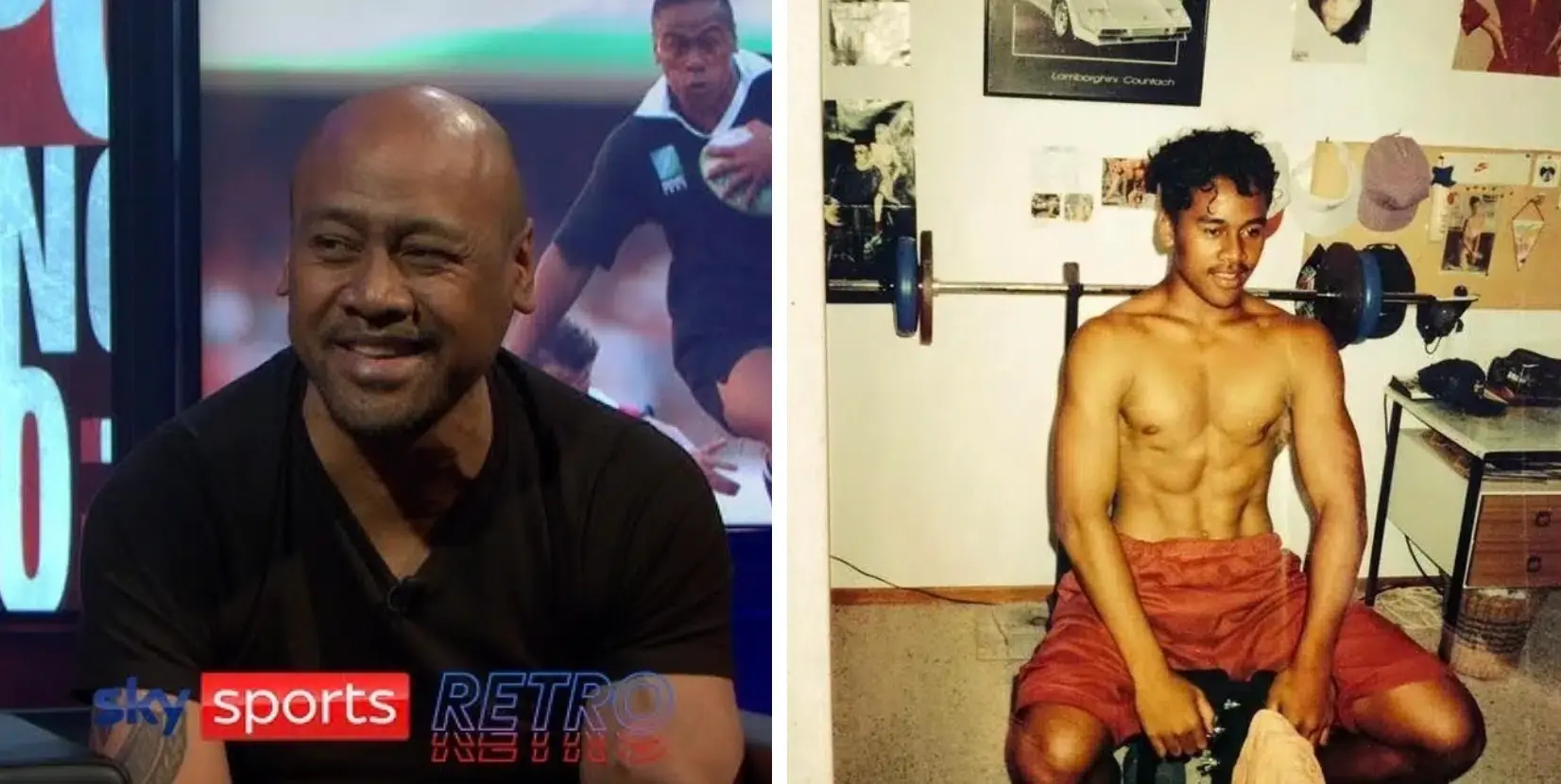

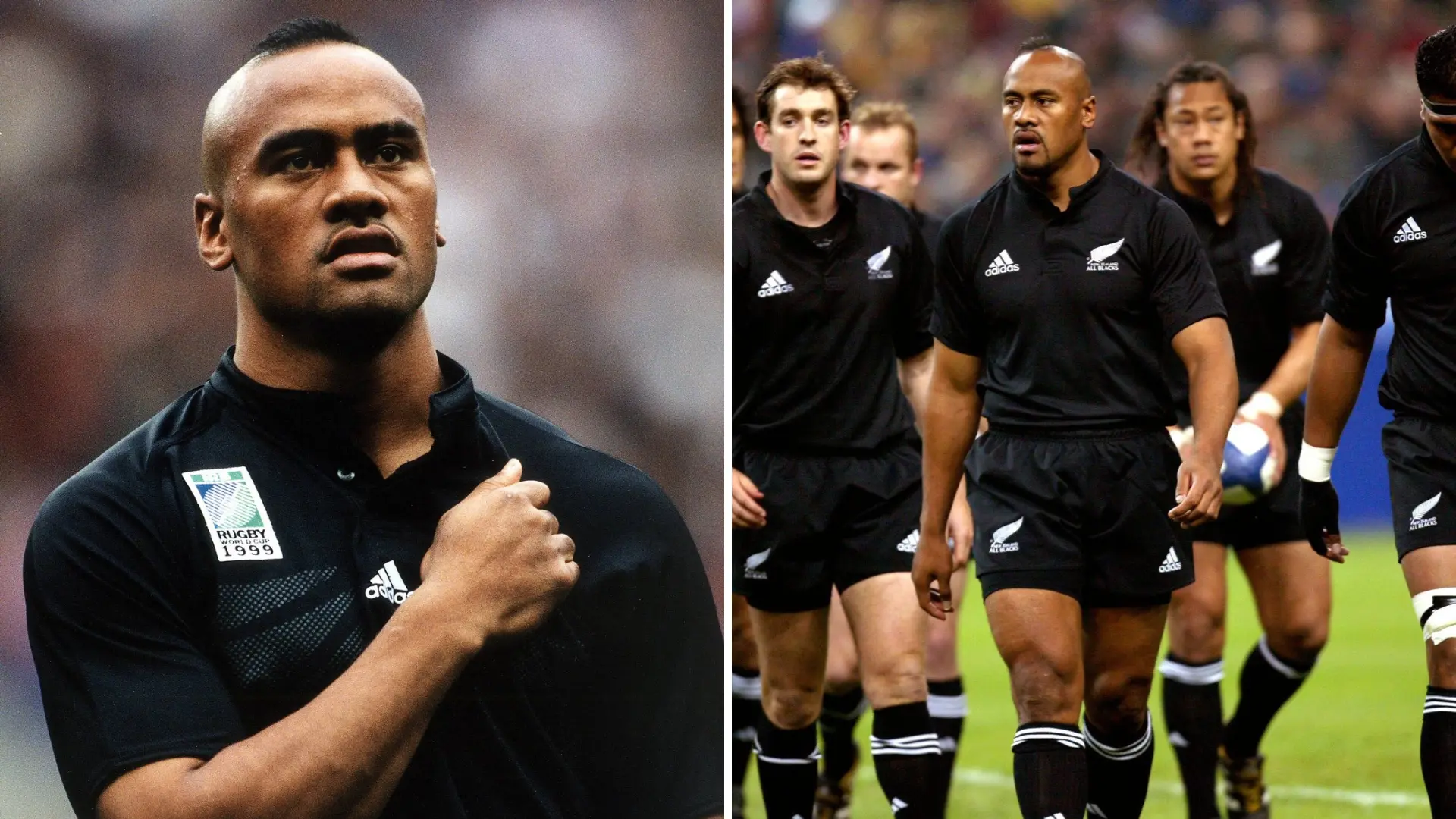
At his best he was virtually unstoppable as any opponent who dared to stand in his way during Rugby World Cup 1995 will testify.
Join the RUCK’s WhatsApp community here and get the latest news sent straight to your messages.
The giant winger, the most physically impressive specimen the world of rugby had seen, was an instant sensation, scoring seven tries – four of them in the semi-final win over England – as the All Blacks reached their second final.
All this while Lomu battled against the debilitating effects of nephrotic syndrome, a condition that would ultimately cost him his life in November 2015, aged just 40.
A legend in every sense of the word, Lomu scaled similar heights to those he reached in South Africa at RWC 1999, the eight tries he scored taking his overall tally to 15 – a record since matched by Bryan Habana.
Lomu scored 37 tries in 63 tests for the All Blacks and helped New Zealand win gold at the 1998 Commonwealth Games.
During a Q&A with the Independent, Lomu revealed some advice for players, as well as his impressive gym records at the time.
How do you adapt your training routine to combine the speed and strength which are so essential to your game?
Of the two, speed is the crucial thing. I seem to react fairly quickly to weights – in a week I could put on two and a half or three kilos – so I have to be careful not to train too much and to stay away from the weights a bit. I do repeated speed and cross-training every day. It's weights for an hour and a half on Monday and then back to the gym later in the week, but mainly for plyometrics and bungee cord. It's about building up explosive power.

What advice would you give to young players keen to follow in your footsteps?
I'd tell them to enjoy the game and everything else will follow. They need to train as hard as they can but enjoying the game is the most important thing. I discovered rugby union when I went to boarding school – it was the only contact sport they played.
How important is diet?
I pretty much eat the way I feel. We can eat what we like as long as we don't eat too much. It's down to us really, but if you don't look after yourself you're always going to get shown up on the field.
What do you eat before a big game?
I normally have a large helping of mashed potatoes, bread and spaghetti – with tomato sauce. Most of it is just about carbo-loading really.
GYM RECORDS:
Benchpress: 220kg
Squad: 340kg
EDITORS PICKS:
- All Blacks Legend Says His Sons Aspire to Play for the Springboks
- “Easy decision” – Worcester confirm the signing of fullback Brown
- Gabby Logan’s Twins Are Both Taking The Sporting World by Storm
- Top contender to succeed Steve Borthwick as England coach revealed
- Wales fans fuming after Andy Farrell’s latest Lions call-ups – “GEOGRAPHY 6!”
Jonah Lomu included England legend when naming his toughest ever opponent
Back in 2001, All Blacks legend Jonah Lomu revealed some of the toughest opponents he faced during his iconic career. These four players stood out as pivotal in his selection.
4. Joost van der Westhuizen (South Africa)
South African rugby legend, known for his exceptional skills as a scrum-half. Van der Westhuizen captivated fans with his speed, agility, and tactical brilliance. A key figure in the Springboks' 1995 Rugby World Cup triumph, his legacy continues to inspire generations of rugby fans.
JONAH LOMU SAID: "Such an honour to have played against him. Still not sure how he made that tackle on me during the 1995 final (Rugby World Cup). I just looked down and my legs were gone."
DID YOU KNOW? He was inducted into the International Rugby Hall of Fame in 2007
3. Martin Johnson (England)
Towering presence in English rugby, renowned for his leadership and uncompromising style as a lock forward. Johnson's imposing stature and tactical acumen made him a formidable force on the pitch. Captaining England to Rugby World Cup victory in 2003 solidified his status as a true rugby legend.
LOMU SAID: "Few players demanded respect on the field like him. A great guy off the field too."
DID YOU KNOW? In 1990 he was even selected for the New Zealand under-21 side which went on a tour of Australia
2. Tim Horan (Australia)
Australian rugby icon celebrated for his versatility and strategic brilliance on the field. Horan's illustrious career saw him dominate as a centre, earning him accolades as one of the greatest players of his generation. A key figure in Australia's Rugby World Cup victories in 1991 and 1999.
LOMU SAID: "Horan was one of the best backs I’ve ever seen."
DID YOU KNOW? As well as inside centre, Horan also played fly-half and earned one international cap on the wing
1. Emile Ntamack (France)
French rugby maestro known for his electrifying pace and dazzling footwork as a winger. Ntamack's flair and skill mesmerized audiences, establishing him as one of France's finest rugby talents. A key player in Les Bleus' successes during the 1990s, his influence on the game endures as an inspiration.
JONAH LOMU SAID: "He's my toughest opponent for sure,”
“When your taught to defend against someone you’re told to watch his hips because it’s the one place on the body when you’re running that stays in one place,
“The problem with Émile was his whole body shifted, including his hips, meaning when he ran he swayed from side to side so I was always like what the hell am I going to do here. He was also really fleet-footed."
DID YOU KNOW? His oldest son Romain Ntamack is also a professional rugby union player like his uncle and dad since 2017.
Quiz: Name these 10 retro rugby players #2
If you’re over 30 and can’t name these iconic rugby stars from the 2000s, we have to ask: were you really paying attention? Back by popular demand, it’s time for part two of our nostalgic quiz.
From stunning tries to unforgettable moments—and yes, some hairstyles we’d rather forget—these players were at the heart of rugby’s golden era. If the names don’t come flooding back, it might be time to fire up YouTube and relive the magic.
Think you’ve got what it takes to ace this one? Let’s find out. Good luck!
TRENDING



LATEST NEWS




LATEST COMMENTS
- Jordie Barrett over Damian de Allende is far from being correct. The hype around Dupont is also overreaching, he's probably 4th in the world and has been since the 2023 WC. He also avoids certain matchups which is strange. The rest of the list is pretty good apart from minor subjective biases.JasonMarlow16-09-2026
Loading