Martin Johnson’s emotional final interview as England captain is going viral again
Rugby NewsTuesday, 08 October 2024 at 07:00
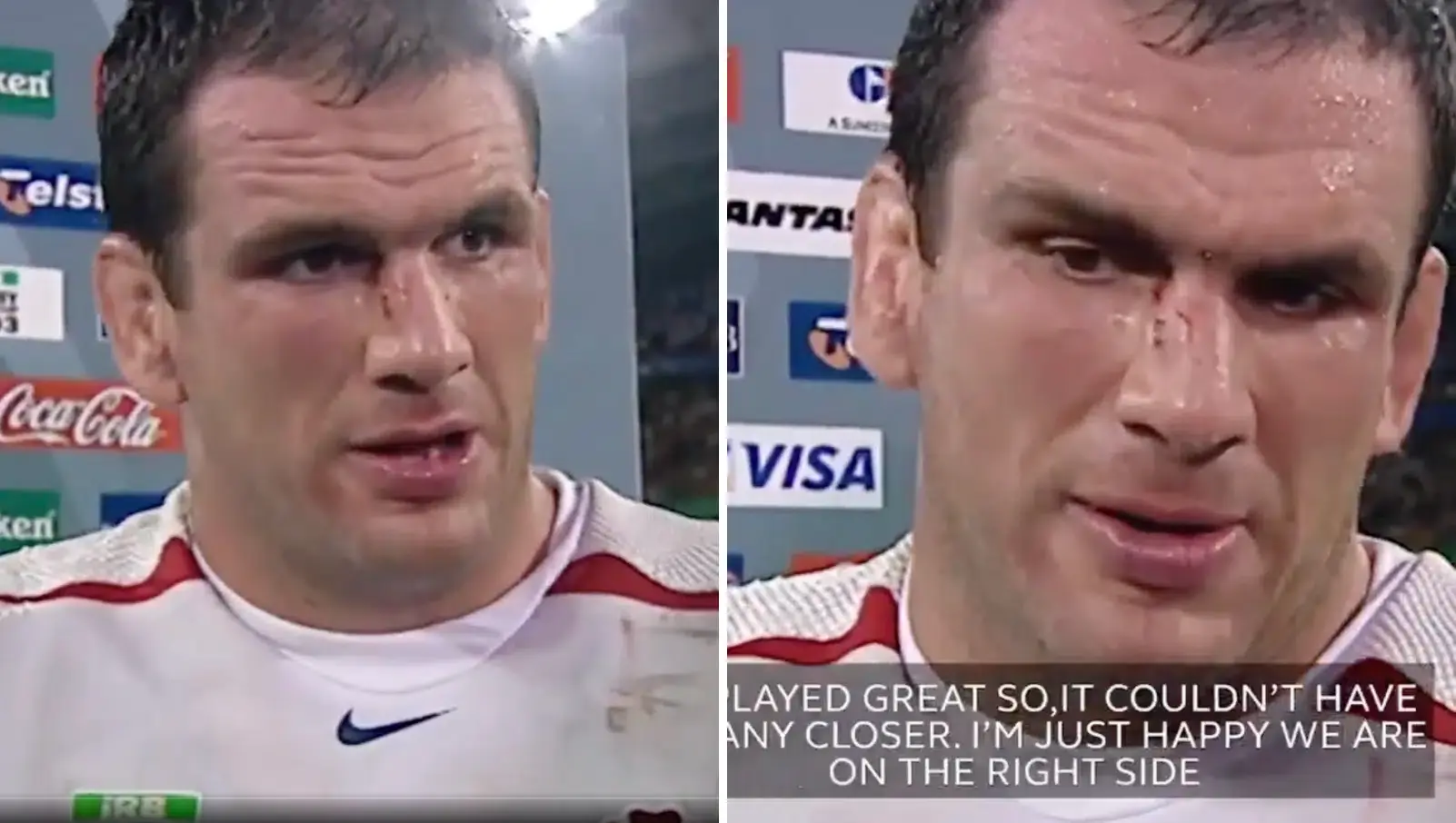

In the immediate aftermath of England's historic triumph in the 2003 Rugby World Cup final, captain Martin Johnson, head coach Clive Woodward, and Wallabies skipper George Gregan shared their thoughts on an epic encounter that will go down in rugby history.
Join the RUCK’s WhatsApp community here and get the latest news sent straight to your messages.
Johnson's Final Bow: A Fitting End to a Glorious Career
The final marked the end of an illustrious international career for Martin Johnson, as the 92-cap England captain announced that the match would be his last. Having made his international debut a decade earlier, Johnson's leadership was pivotal throughout England's journey to World Cup glory.
A man renowned for leading by example, Johnson had also captained the British and Irish Lions on two tours, including the triumphant 1997 series in South Africa. His imposing presence in the tight five and his unwavering belief in his motto, "if in doubt, go forward," made him a talismanic figure for both England and the Lions.
Johnson’s crowning achievement came when he lifted the Webb Ellis Cup in Sydney, cementing his legacy as one of the sport’s greatest leaders.
An Iconic Leader
The post-match interview with Johnson was nothing short of legendary, with his words striking a chord with fans and players alike. One fan described it as “perfect words from Johnson,” while another hailed him as "an absolute legend. What a leader. There’s no one else you’d want to lead you. There will never be another like him."
His former teammate, Phil Vickery, echoed the sentiments of many, calling Johnson "the ultimate competitor, but above all else, a great human being."
Woodward's Tactical Masterclass
Clive Woodward, the architect behind England's World Cup success, praised his captain’s leadership and the team’s determination. Woodward’s meticulous approach to preparation paid off, and his faith in the experienced core of the squad—led by Johnson—was vindicated as England secured their first-ever World Cup title.
"Martin was the cornerstone of this team," Woodward said. "His ability to lead under pressure is unmatched, and he has been central to everything we've achieved."
Gregan's Praise for England's Grit
Despite the heartache of defeat, Australian captain George Gregan was gracious in his post-match comments. He acknowledged the grit and resilience of the English side, singling out Johnson as a key factor in their success.
“England deserved it today,” Gregan remarked. “Johnson is an exceptional leader, and they played with the kind of determination you need to win a World Cup. It was a tough game, but credit to them for pulling through.”
Final Martin Johnson interview:
EDITORS PICKS
- Steve Borthwick departure date as England head coach has been revealed
- Statement: England call up two more players following injury blows
- Marcus Smith and Ben Earl Selected for Our Premiership Team of the Week
- Dan Carter includes two Six Nations stadiums in his top three favourites
10 Most Overrated Players in Rugby Ranked
Many high-profile players continue to polarize opinions in the rugby world—one player might be considered overrated by some but highly regarded by others, leading to endless debates.
Here is RUCK Editor Steve Smith's attempt at ranking the top 10 most overrated players in the world right now.
10 Most Overrated Players in Rugby Ranked
10. Ange Capuozzo (Italy) – The young Italian fullback has gained a lot of attention for his electrifying play and highlight-reel moments, but some critics feel that his defensive frailties and occasional lack of consistency make him less of an all-around threat than the hype suggests.

9. Beauden Barrett (New Zealand) – Barrett is undoubtedly one of the best players in the world, but some believe his performances have been inconsistent, particularly at the Test level in recent years. They argue that while he excels in Super Rugby, his form for the All Blacks has fluctuated.
8. Maro Itoje (England) – While Itoje is seen as a world-class lock and one of England's key players, there are critics who believe that his influence is sometimes overstated, especially when England is struggling as a team.

7. Sam Cane (New Zealand) – As captain of the All Blacks, Cane faces high expectations. Some fans feel his leadership and performances haven't lived up to the level of his predecessors, like Richie McCaw, making him a target for criticism.
6. Siya Kolisi (South Africa) - Including Kolisi on a list of overrated players can be controversial due to his significant achievements and leadership. However, some critics argue that Kolisi's global prominence, particularly after leading South Africa to the 2019 Rugby World Cup victory, has overshadowed his on-field performances, which they claim are not always as impactful as his leadership role. Detractors might suggest that his leadership and symbolic importance sometimes eclipse his actual playing ability when compared to other top-tier flankers.

5. Marcus Smith (England) – A highly talented and creative fly-half, Marcus Smith has been heralded as the future of English rugby. However, some feel the hype around him has outpaced his actual impact on the international stage, particularly in tight, high-pressure matches, where consistency has been an issue.

4. Owen Farrell (England) – One of England’s most polarising figures, Farrell’s leadership and kicking ability are unquestionable, but his sometimes abrasive playing style, along with a lack of creativity in attack, has led some to question whether he’s overhyped, especially when he was England’s primary playmaker.
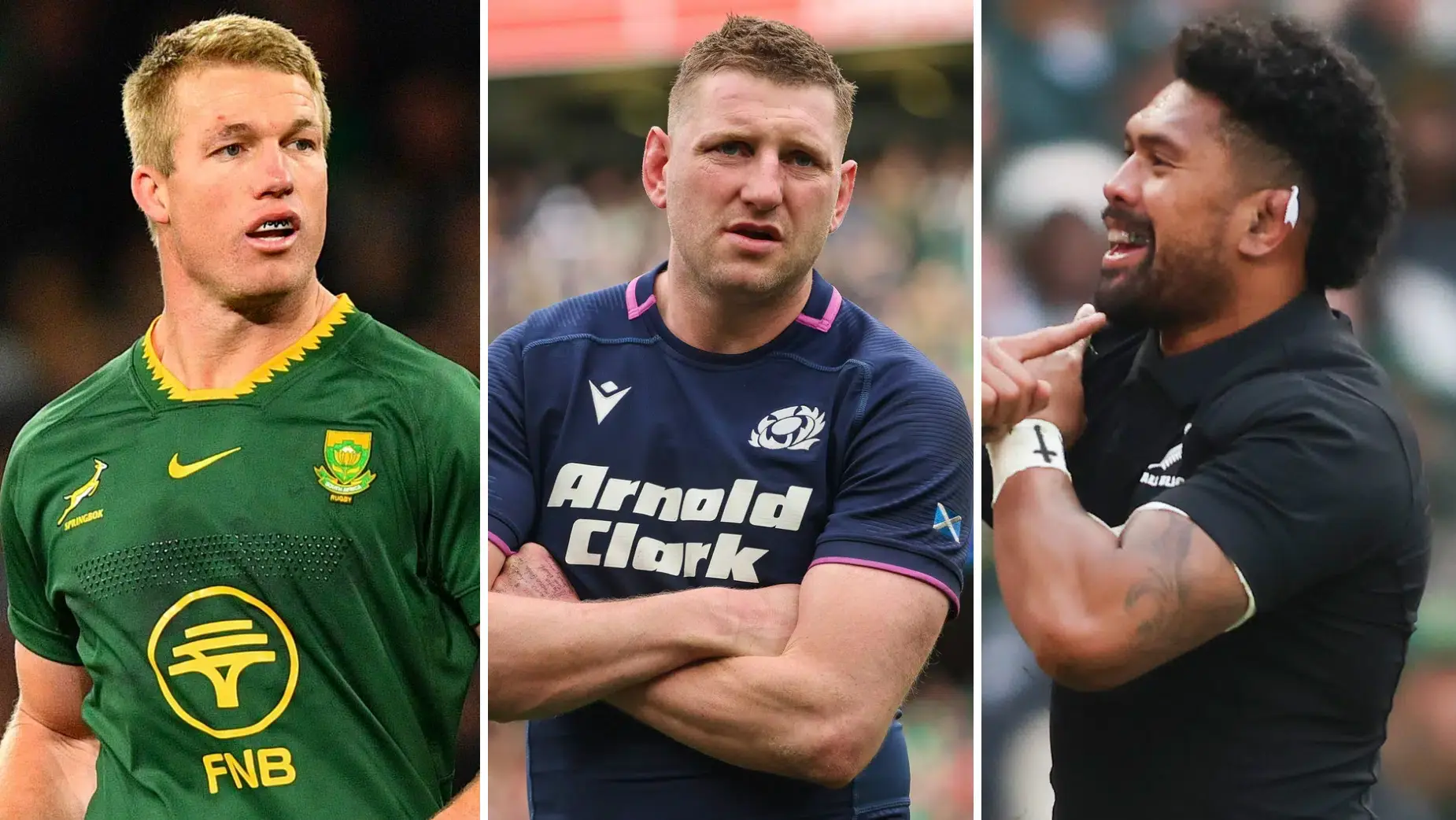
3. Finn Russell (Scotland) – Known for his flair and creativity, Russell is sometimes seen as overrated due to his high-risk, high-reward style of play. While he can produce magical moments, his inconsistency and decision-making under pressure are often questioned.

2. Faf de Klerk (South Africa) – Known for his high-energy style and defensive work, de Klerk is a polarising figure. While he’s a key player for South Africa, critics argue that his decision-making, particularly in attack, and reliance on kicking can make him overrated compared to the top scrum-halves in the world.
1. Romain Ntamack (France) – Despite his brilliant displays for France, Ntamack has faced criticism for not always living up to the high expectations, especially when compared to other top international fly-halves. Some feel his performances lack consistency in critical moments.

TRENDING

LATEST NEWS
LATEST COMMENTS
- Jordie Barrett over Damian de Allende is far from being correct. The hype around Dupont is also overreaching, he's probably 4th in the world and has been since the 2023 WC. He also avoids certain matchups which is strange. The rest of the list is pretty good apart from minor subjective biases.JasonMarlow16-09-2026
Loading
