
World Rugby has officially signed off on a series of significant law changes that will come into force from July 1, with player welfare at the centre of the governing body's latest push to make the game safer.
The headline change sees lower tackle heights become a permanent feature of community rugby around the world following extensive trials that showed a reduction in concussion rates. But that is far from the only alteration on the way.
Join RUCK’s Instagram broadcast channel and get the latest rugby news straight to your phone.
From new scrum regulations and restrictions on water carriers to the controversial 20-minute red card, rugby fans can expect several important changes to the way the game is played and officiated moving forward.
Here is a breakdown of the five major law changes that have now been approved.
1. Lower Tackle Height Becomes Permanent
World Rugby has officially approved lower tackle heights across the grassroots game worldwide from July 1.
- All unions must adopt the law.
- Unions can choose between the base of the sternum or waist height as the maximum legal tackle height.
- The law is designed to reduce head injuries and concussions.
- Analysis of approximately 150,000 tackles across 11 trial nations showed concussion rates fell following its introduction.
Coming To The Professional Game?
The law will also be trialled at this summer's World Under-20 Championship in Georgia.
Tackles above the sternum will be illegal, although an exemption will apply for close-range pick-and-go situations near the try-line.
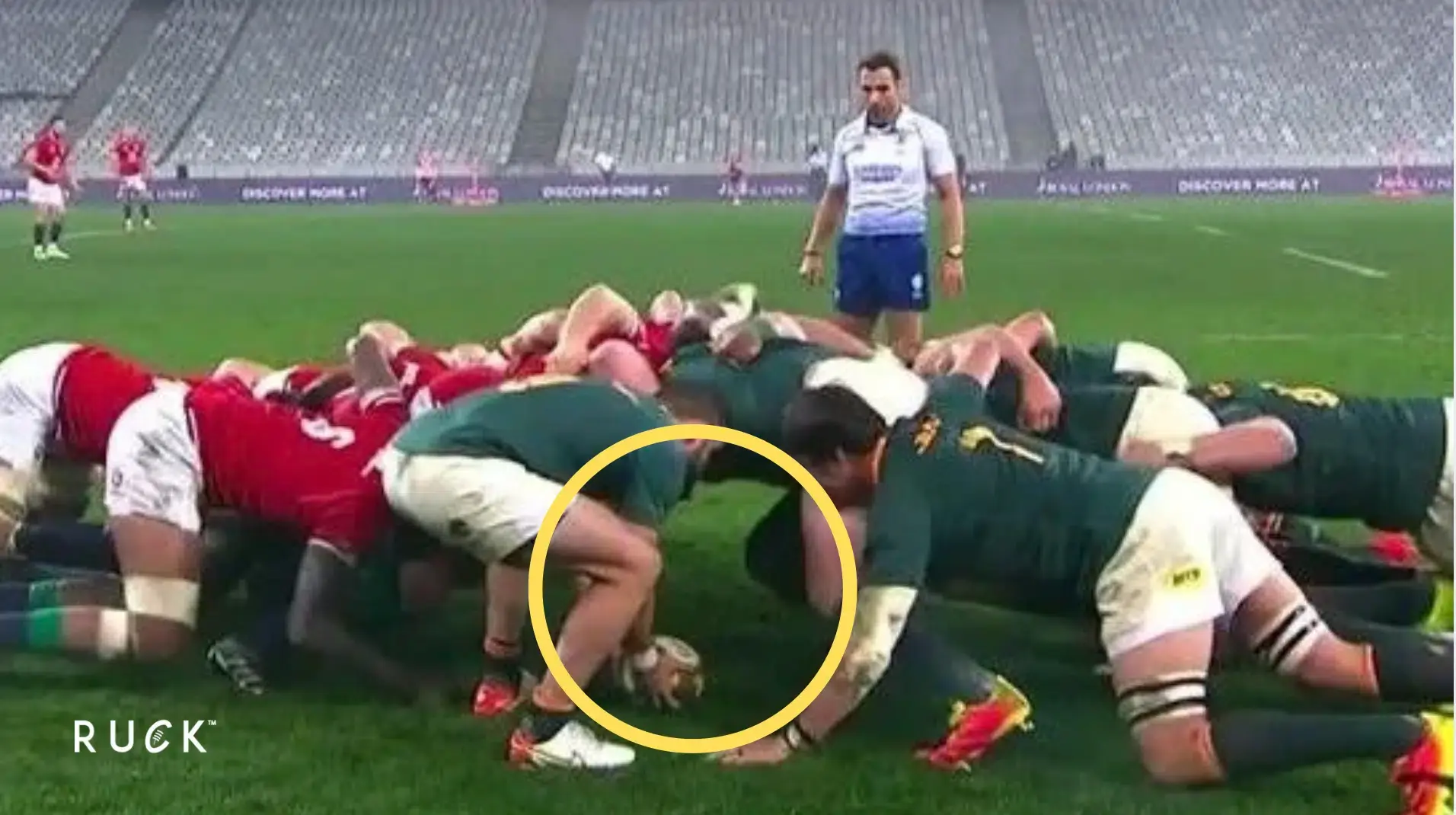
2. Scrum Brake Foot Law Approved
A successful scrum trial has now been written into law.
What Changes?
The "brake foot" must remain in position during the scrum to help reduce dangerous pressure through the neck and spine.
Why It Matters
The change is aimed at reducing the risk of serious front-row injuries while improving scrum stability.
3. Water Carrier Restrictions Become Permanent
World Rugby has formally approved restrictions on water carriers entering the field of play.
What Changes?
- Water carriers will have fewer opportunities to enter the pitch.
- Coaches will have less opportunity to relay tactical messages during play.
- The game should experience fewer stoppages.
Why It Matters
The law is designed to improve game flow and keep matches moving.
4. TMO Officially Added To Officiating Team
The Television Match Official is now formally recognised as part of rugby's officiating team.
What Changes?
The TMO's responsibilities are now officially embedded within rugby law rather than operating as an additional support role.
Why It Matters
World Rugby believes it will create greater consistency and clarity around decision-making.
5. 20-Minute Red Cards Given Green Light
One of rugby's most debated innovations has now been approved for elite competitions.
What Changes?
- A player shown a red card is permanently removed from the game.
- Their team can replace them after 20 minutes.
- Competitions can choose whether or not to adopt the system.
Why It Matters
Supporters believe it punishes dangerous play without ruining contests, while critics argue it weakens the deterrent effect of a red card.
With the lower tackle height now becoming permanent and several other trials moving into law, rugby's lawmakers believe the sport is entering a new era focused on safety, consistency and maintaining the flow of the game.
LATEST RUGBY NEWS
- Isa Nacewa: James Lowe’s Leinster exit will add ‘extra fire in the belly’ for URC Final
- Henry Pollock smashes Gallagher PREM record
- England team to face France: Benhard Janse van Rensburg debut confirmed
- Super Rugby Awards: Chiefs star Quinn Tupaea named Player of the Year
- Former All Blacks star captains side as Barbarians confirm squad to face Springboks
- Trophy unveiled for 2026 Nations Championship – It’s a thing of beauty
NAME EVERY ENGLAND CAPTAIN OF THE PROFESSIONAL ERA:
Since rugby turned professional in 1995, England have had a host of captains lead the team through World Cups, Grand Slams, Lions tours and some of the biggest moments in the sport's history.
From World Cup-winning legends to short-term stand-ins, how many England captains of the professional era can you name?
You have five minutes to name them all. Good luck!?
TRENDING





LATEST NEWS



LATEST COMMENTS
- Jordie Barrett over Damian de Allende is far from being correct. The hype around Dupont is also overreaching, he's probably 4th in the world and has been since the 2023 WC. He also avoids certain matchups which is strange. The rest of the list is pretty good apart from minor subjective biases.JasonMarlow16-09-2026
Loading