Sir Ian McGeechan picks all-time XV – includes England legend Martin Johnson
Rugby NewsTuesday, 04 February 2025 at 21:25
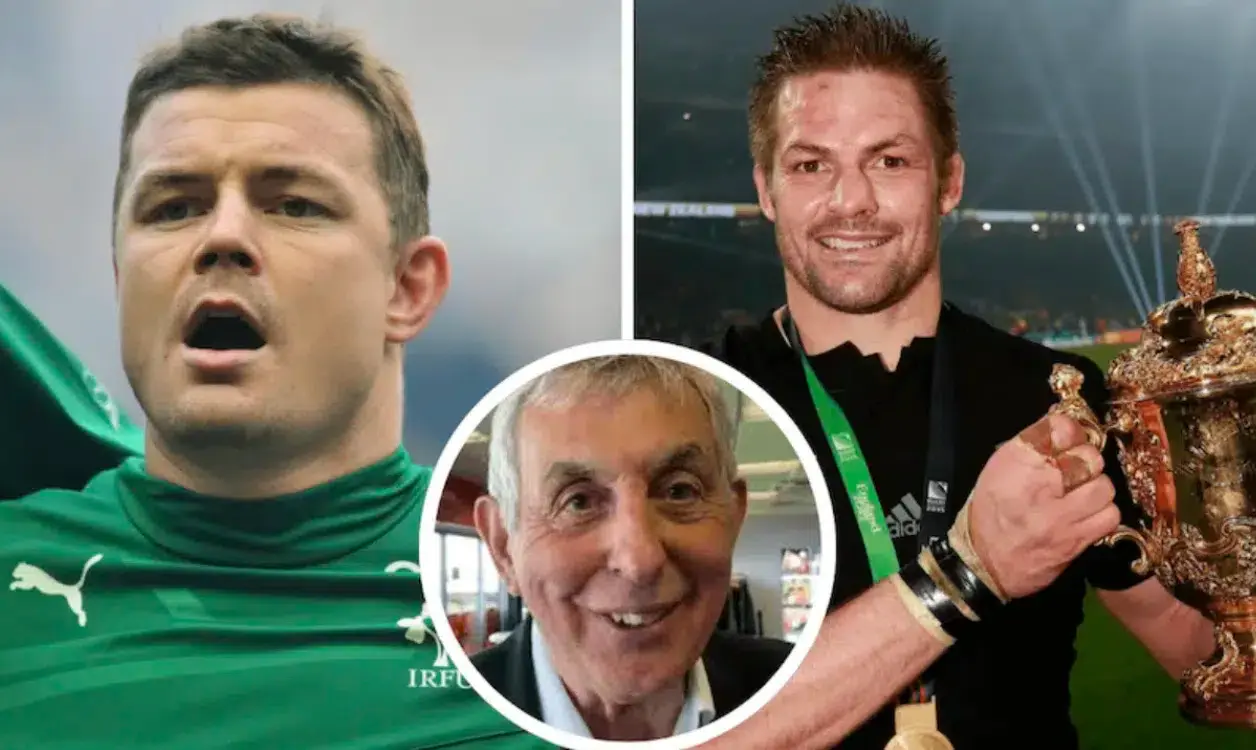

Sir Ian McGeechan has unveiled his ultimate rugby XV, but some huge names have been left out. There's no place for Paul O'Connell, David Campese, or even England's 2003 World Cup hero, Jonny Wilkinson.
Find your local Greene King and settle in for the 2025 Six Nations!
Writing for The Telegraph, the legendary British & Irish Lions coach has opted for a side stacked with power, precision, and some of the biggest legends the game has ever seen. Six All Blacks make the cut, alongside three Englishmen, two Welshmen, and one player each from France, Scotland, Ireland, and Australia.
Back-Three
Fullback: JPR Williams (Wales)
A true icon of Welsh rugby, Williams was the backbone of the dominant Welsh side of the 1970s. Renowned for his fearless tackling, counter-attacking brilliance, and signature sideburns, he won three Grand Slams and five Five Nations titles with Wales. McGeechan said, "Not a staggeringly original choice, I’ll admit. But to my mind the only one. If I’m going to be picking a dream XV over the next few days then I want JPR at the back. No question."
A true icon of Welsh rugby, Williams was the backbone of the dominant Welsh side of the 1970s. Renowned for his fearless tackling, counter-attacking brilliance, and signature sideburns, he won three Grand Slams and five Five Nations titles with Wales. McGeechan said, "Not a staggeringly original choice, I’ll admit. But to my mind the only one. If I’m going to be picking a dream XV over the next few days then I want JPR at the back. No question."
Left-wing: Jonah Lomu (New Zealand)
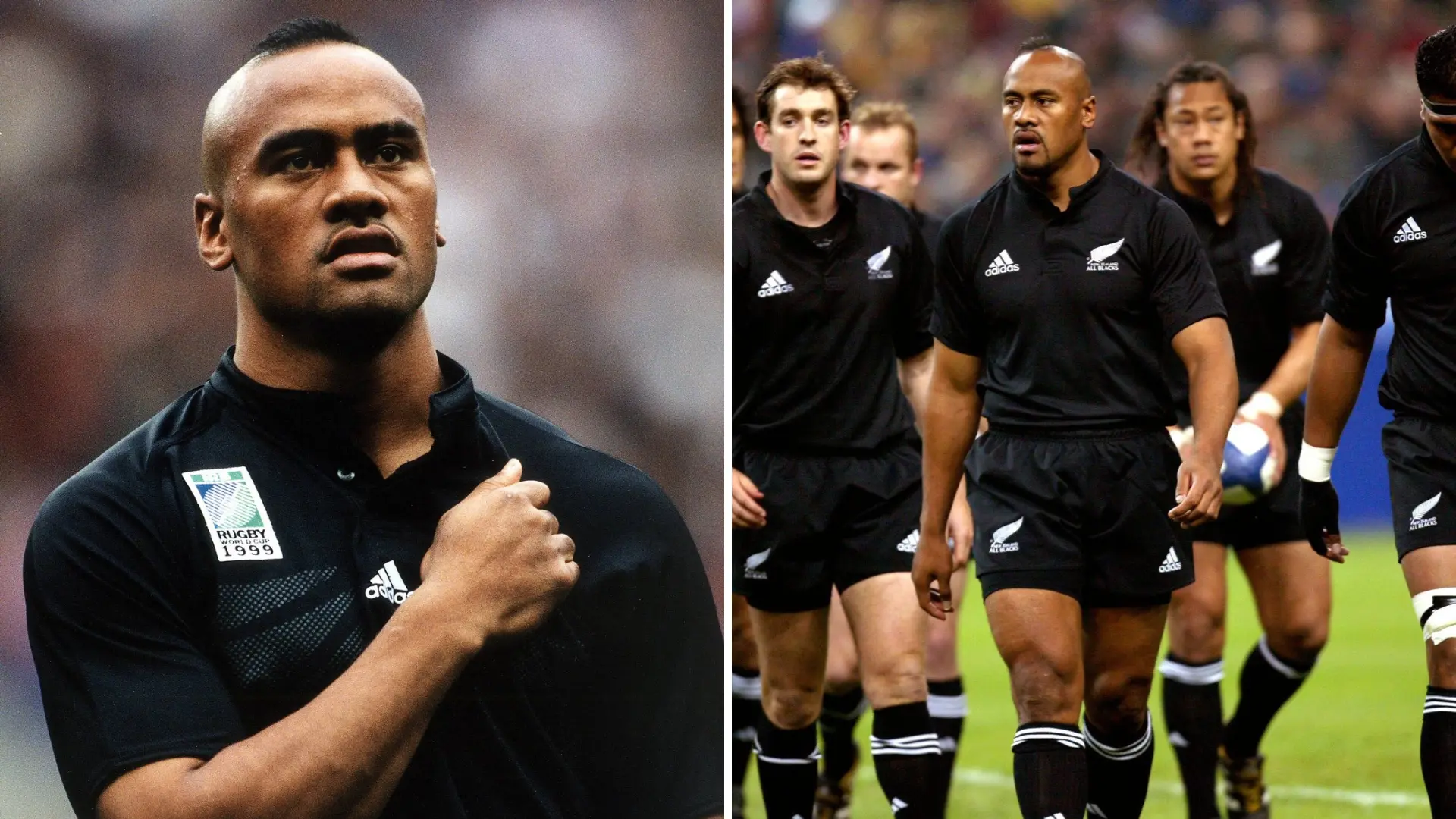
Rugby's first global superstar, Lomu was a human wrecking ball. His performances at the 1995 World Cup changed the sport forever, with his four-try demolition of England in the semi-finals still haunting defenders to this day. He scored 37 tries in 63 Tests before illness cut his career short. "The game needed a superstar, and it got one in Lomu. He was brilliant for rugby," McGeechan remarked.
Rugby's first global superstar, Lomu was a human wrecking ball. His performances at the 1995 World Cup changed the sport forever, with his four-try demolition of England in the semi-finals still haunting defenders to this day. He scored 37 tries in 63 Tests before illness cut his career short. "The game needed a superstar, and it got one in Lomu. He was brilliant for rugby," McGeechan remarked.
Right-wing: John Kirwan (New Zealand)
A key figure in New Zealand’s first-ever World Cup-winning squad in 1987, Kirwan combined brute force with blistering pace. His solo try against Italy in the tournament opener remains one of rugby’s greatest individual efforts. McGeechan said, "He had an all-round game; he could carry the ball through heavy traffic, he could offload, he was like an extra back-rower at times."
A key figure in New Zealand’s first-ever World Cup-winning squad in 1987, Kirwan combined brute force with blistering pace. His solo try against Italy in the tournament opener remains one of rugby’s greatest individual efforts. McGeechan said, "He had an all-round game; he could carry the ball through heavy traffic, he could offload, he was like an extra back-rower at times."
Centres
Outside-centre: Brian O'Driscoll (Ireland)
Arguably the greatest centre of all time, O’Driscoll was a magician with ball in hand and a defensive menace. With 141 caps for Ireland and eight for the Lions, he captained his country to Grand Slam glory in 2009 and remains their top try-scorer. "His ability to get back on his feet after tackling to compete for the ball was extraordinary," McGeechan noted.
Arguably the greatest centre of all time, O’Driscoll was a magician with ball in hand and a defensive menace. With 141 caps for Ireland and eight for the Lions, he captained his country to Grand Slam glory in 2009 and remains their top try-scorer. "His ability to get back on his feet after tackling to compete for the ball was extraordinary," McGeechan noted.
Inside-centre: Philippe Sella (France)
A midfield general, Sella was the first player to reach 100 Test caps. A pillar of French rugby, his blend of physicality and silky handling saw him dominate the international stage for over a decade. McGeechan commented, "Sella and O’Driscoll were powerful men. They could stop a forward in his tracks. I think as a pair they would dominate any midfield."
A midfield general, Sella was the first player to reach 100 Test caps. A pillar of French rugby, his blend of physicality and silky handling saw him dominate the international stage for over a decade. McGeechan commented, "Sella and O’Driscoll were powerful men. They could stop a forward in his tracks. I think as a pair they would dominate any midfield."
Halfbacks
Fly-half: Dan Carter (New Zealand)
The ultimate No.10, Carter was the complete package. With 1,598 international points and two World Cups to his name, his tactical kicking, game management, and coolness under pressure made him the greatest fly-half of the modern era. "He really was the complete 10," McGeechan wrote. "His defence was immaculate, he could break himself, he could bring others into play, his kicking from hand and from tee was incredibly accurate."
The ultimate No.10, Carter was the complete package. With 1,598 international points and two World Cups to his name, his tactical kicking, game management, and coolness under pressure made him the greatest fly-half of the modern era. "He really was the complete 10," McGeechan wrote. "His defence was immaculate, he could break himself, he could bring others into play, his kicking from hand and from tee was incredibly accurate."
Scrum-half: Gareth Edwards (Wales)
Regarded by many as the greatest rugby player of all time, Edwards was the heartbeat of the dominant Welsh side of the 1970s. His legendary try for the Barbarians against New Zealand in 1973 is still talked about today. "The Greatest. No question," McGeechan stated.
Regarded by many as the greatest rugby player of all time, Edwards was the heartbeat of the dominant Welsh side of the 1970s. His legendary try for the Barbarians against New Zealand in 1973 is still talked about today. "The Greatest. No question," McGeechan stated.
Front-Row
Loosehead-prop: Tom Smith (Scotland)
A warrior in the front row, Smith played every minute of the British & Irish Lions’ victorious 1997 series in South Africa. A crucial part of Scotland’s last Five Nations-winning team in 1999, he remains one of the best scrummagers of all time. "I just don’t think he gets anywhere near the credit he deserves," McGeechan said.
A warrior in the front row, Smith played every minute of the British & Irish Lions’ victorious 1997 series in South Africa. A crucial part of Scotland’s last Five Nations-winning team in 1999, he remains one of the best scrummagers of all time. "I just don’t think he gets anywhere near the credit he deserves," McGeechan said.
Hooker: Sean Fitzpatrick (New Zealand)
A colossus of the All Blacks, Fitzpatrick played 92 Tests and captained New Zealand 51 times. His leadership and durability made him one of the most respected forwards in the game’s history. "He was outstanding, not just as a player but as a captain, and as a man," McGeechan remarked.
A colossus of the All Blacks, Fitzpatrick played 92 Tests and captained New Zealand 51 times. His leadership and durability made him one of the most respected forwards in the game’s history. "He was outstanding, not just as a player but as a captain, and as a man," McGeechan remarked.
Tighthead-prop: Jason Leonard (England)
A true ironman of rugby, Leonard amassed 114 caps for England over a 14-year career, winning a World Cup in 2003. His ability to play on both sides of the scrum made him invaluable. "Completely unflappable, Jason was never in any trouble," McGeechan said.
A true ironman of rugby, Leonard amassed 114 caps for England over a 14-year career, winning a World Cup in 2003. His ability to play on both sides of the scrum made him invaluable. "Completely unflappable, Jason was never in any trouble," McGeechan said.
Second-Row
Lock: Martin Johnson (England)
A natural leader and one of the most intimidating forwards to ever play the game, Johnson captained England to World Cup glory in 2003 and led the Lions on two tours. His physicality and presence defined an era. "I think he defined an era, both for forward play and for the performances of the teams he represented," McGeechan explained.
A natural leader and one of the most intimidating forwards to ever play the game, Johnson captained England to World Cup glory in 2003 and led the Lions on two tours. His physicality and presence defined an era. "I think he defined an era, both for forward play and for the performances of the teams he represented," McGeechan explained.
Lock: John Eales (Australia)
Nicknamed 'Nobody' (because 'Nobody’s perfect'), Eales was a lock who could do it all. A two-time World Cup winner with the Wallabies, his leadership and ability to slot match-winning kicks made him unique. "A lot of the ‘number fives’ that have followed him play the way they do because of the type of game Eales set," McGeechan wrote.
Nicknamed 'Nobody' (because 'Nobody’s perfect'), Eales was a lock who could do it all. A two-time World Cup winner with the Wallabies, his leadership and ability to slot match-winning kicks made him unique. "A lot of the ‘number fives’ that have followed him play the way they do because of the type of game Eales set," McGeechan wrote.
Back-Row
Blindside-flanker: Richard Hill (England)
England’s silent assassin, Hill was the glue of the 2003 World Cup-winning pack. His ability to read the game and make crucial interventions in defence made him one of the best back-rowers of his generation. "One of the easier selections, if I’m honest," McGeechan admitted.
England’s silent assassin, Hill was the glue of the 2003 World Cup-winning pack. His ability to read the game and make crucial interventions in defence made him one of the best back-rowers of his generation. "One of the easier selections, if I’m honest," McGeechan admitted.
Openside-flanker: Richie McCaw (New Zealand)
A three-time World Rugby Player of the Year, McCaw captained the All Blacks to back-to-back World Cup wins in 2011 and 2015. A breakdown master and relentless competitor, he set the standard for openside flankers. "Can you imagine those two together? The opposition would not stand a chance," McGeechan said of McCaw and Hill.
A three-time World Rugby Player of the Year, McCaw captained the All Blacks to back-to-back World Cup wins in 2011 and 2015. A breakdown master and relentless competitor, he set the standard for openside flankers. "Can you imagine those two together? The opposition would not stand a chance," McGeechan said of McCaw and Hill.
Number 8: Zinzan Brooke (New Zealand)
One of rugby’s great innovators, Brooke revolutionised the No.8 role. A powerful ball carrier, he had the skillset of a fly-half, famously slotting a 47-metre drop goal against England at the 1995 World Cup. "Maybe the toughest choice of the lot. A true original," McGeechan admitted.
One of rugby’s great innovators, Brooke revolutionised the No.8 role. A powerful ball carrier, he had the skillset of a fly-half, famously slotting a 47-metre drop goal against England at the 1995 World Cup. "Maybe the toughest choice of the lot. A true original," McGeechan admitted.
Can you name every member of the 2017 British and Irish Lions?
The 2017 British & Irish Lions tour to New Zealand was unforgettable, packed with drama, passion, and unforgettable moments.
From thrilling tries to hard-fought battles against the All Blacks, this squad etched their names in rugby history by securing a memorable drawn series.
Think you know everything about this iconic group of players? Test your knowledge with our quiz and see if you're a true Lions fan! Whether you're a casual supporter or a rugby fanatic, it's time to roar with pride and prove your Lions IQ.
Get ready to dive into questions about the players, their clubs, and the unforgettable tour moments. Let’s kick off!
TRENDING

LATEST NEWS
LATEST COMMENTS
- Jordie Barrett over Damian de Allende is far from being correct. The hype around Dupont is also overreaching, he's probably 4th in the world and has been since the 2023 WC. He also avoids certain matchups which is strange. The rest of the list is pretty good apart from minor subjective biases.JasonMarlow16-09-2026
Loading