The 10 best rugby captains of the professional era (Ranked 10-1)
Rugby RankedThursday, 23 October 2025 at 19:25
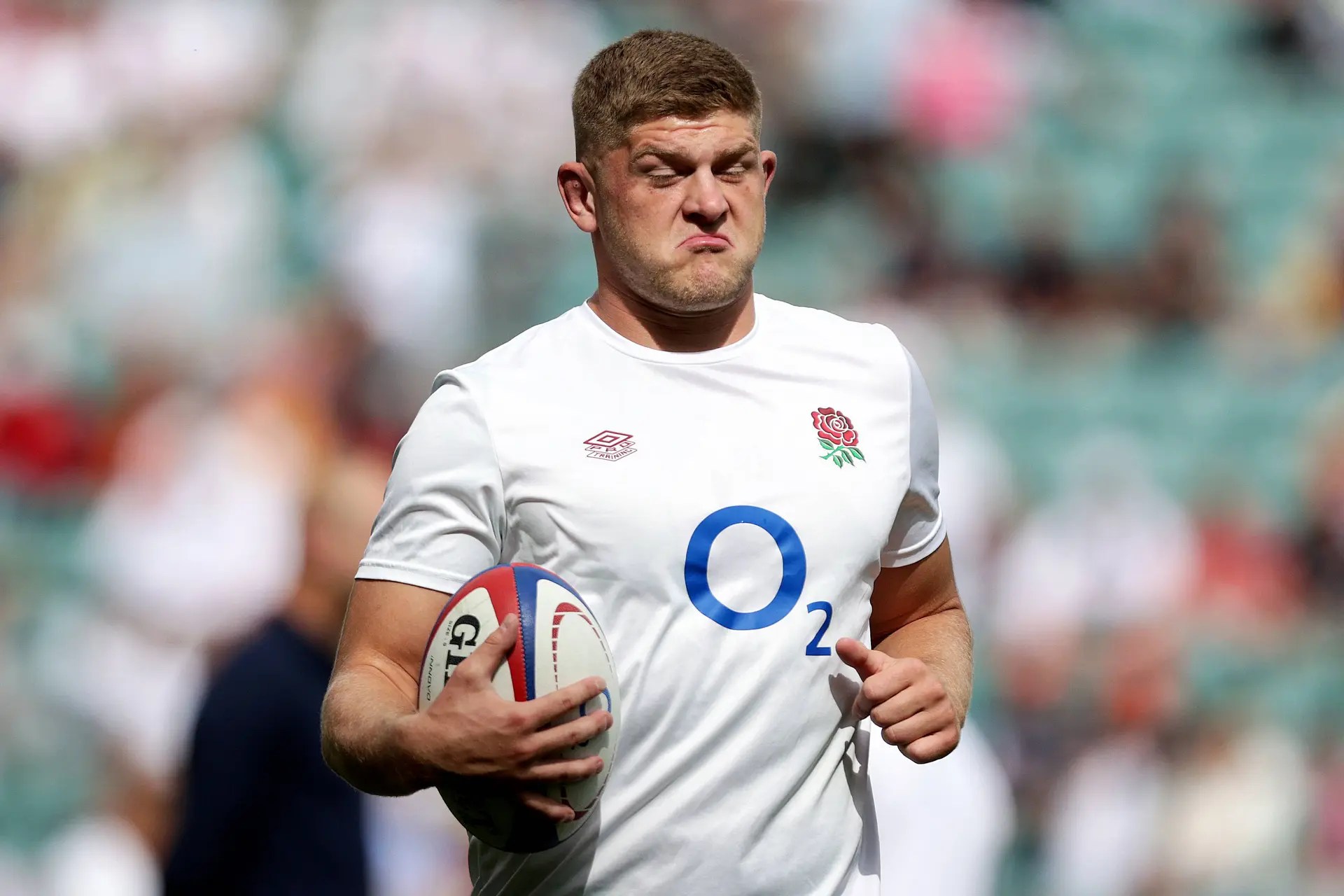
Rugby has seen many great leaders, but some stand above the rest for their ability to inspire, command, and deliver under pressure. Since professionalism began in the mid-1990s, captains have not just managed teams on the field—they’ve embodied national pride and resilience.
Join the RUCK’s WhatsApp community here and get the latest news sent straight to your messages.
Here’s a look at ten of the greatest rugby captains of the professional era, whose influence went far beyond the scoreboard.
10 Agustín Pichot (Argentina)
Few captains reshaped their nation’s rugby story like Agustín Pichot. The fiery scrum-half led Argentina into a new era, guiding the Pumas from underdogs to global contenders. After making his mark in the 1999 World Cup, Pichot became Argentina’s captain in 2000 and steered the team to famous wins over Ireland and France.
His crowning achievement came in 2007 when he led Argentina to third place at the Rugby World Cup—their best finish in history. Pichot’s leadership extended beyond the pitch too; as a player, he brought belief, and later as an administrator, he championed the inclusion of Argentina in The Rugby Championship. His impact on both the Pumas and the sport’s global growth is impossible to overlook.
9 John Smit (South Africa)
Calm under pressure and commanding in presence, John Smit was the heartbeat of South African rugby during its golden period. As the 50th Springbok captain, he guided his country to World Cup glory in 2007, leading with quiet authority rather than flamboyance. Smit’s adaptability—switching between hooker and prop—made him invaluable, as did his loyalty; he retired with a record 111 caps for South Africa.
Under his leadership, the Boks won not only the World Cup but also Tri-Nations titles and a British & Irish Lions series. His legacy was cemented when he was inducted into the IRB Hall of Fame in 2011, recognized as a captain who combined humility, discipline, and results in equal measure.
8 Sam Warburton (Wales & British & Irish Lions)
Appointed Wales captain at just 22, Sam Warburton brought maturity beyond his years to the role. His leadership was marked by integrity, toughness, and a sense of calm that anchored his team in turbulent moments. Warburton captained Wales a record 49 times and led them to two Six Nations titles, including a Grand Slam.
He also made history as captain of the British & Irish Lions in 2013 and 2017, earning respect from teammates and rivals alike. Injuries may have shortened his career, but his influence on Welsh rugby remains immense. Warburton’s leadership was never about theatrics—it was about setting standards, doing the hard work, and inspiring others to follow.
7 Brian O’Driscoll (Ireland & British & Irish Lions)
For nearly a decade, Brian O’Driscoll was the heart and soul of Irish rugby. As captain from 2003 to 2012, he redefined leadership with intelligence, grit, and moments of pure brilliance. O’Driscoll earned 141 caps—83 as captain—and remains Ireland’s all-time leading try scorer. Under his leadership, Ireland achieved their first Grand Slam in 61 years (2009), and his personal consistency inspired a generation.
He also captained the Lions in 2005, solidifying his reputation as a world-class competitor. A three-time Six Nations Player of the Tournament, O’Driscoll balanced brilliance with humility, earning universal respect. His influence extended off the field, where he became a symbol of professionalism and pride for Irish rugby.
6 Alun Wyn Jones (Wales & British & Irish Lions)
Alun Wyn Jones wasn’t just a captain—he was a cornerstone. With 170 Test caps, he’s the most-capped player in rugby history, and his leadership defined an era of Welsh success. Jones led by example, often in the most physically demanding moments, and guided Wales to multiple Six Nations titles, including three Grand Slams.
His consistency and toughness earned him the Lions captaincy in 2021. Known for his relentless work ethic and quiet charisma, Jones represented everything that makes a great captain—commitment, resilience, and integrity. Even as he aged, his performances never dipped, making him a figure both teammates and opponents admired deeply.
5 Thierry Dusautoir (France)
Nicknamed “The Dark Destroyer,” Thierry Dusautoir’s captaincy was defined by courage and composure. A tireless tackler and natural leader, he guided France to the 2011 Rugby World Cup final, where his heroic performance against New Zealand—38 tackles and a try—earned him Man of the Match honours.
France lost narrowly, but Dusautoir’s leadership became legendary. He was named World Rugby Player of the Year in 2011, only the second Frenchman to win the award. His quiet determination and professionalism set standards across the French game. Known for leading by example rather than words, Dusautoir’s calm under pressure and sheer work rate made him one of the most respected captains of the modern era.
4 John Eales (Australia)
Dubbed “Nobody” because “nobody’s perfect,” John Eales came close. The towering lock led Australia through one of its most successful periods, lifting the World Cup in 1999 and shaping a golden era for the Wallabies. Known for his sportsmanship and poise, Eales’ ability to slot match-winning goals as a forward was legendary. He captained Australia in 55 Tests and scored 173 points—a remarkable feat for a lock.
Eales embodied calm leadership and tactical intelligence, earning admiration even from opponents. His professionalism helped set the standard for the early professional era, and he remains a symbol of how skill and humility can coexist in rugby’s toughest arena.
3 Martin Johnson (England & British & Irish Lions)
Martin Johnson’s leadership was built on respect—earned, never demanded. The no-nonsense lock captained England to their only Rugby World Cup triumph in 2003, capping a career defined by discipline and dominance. Johnson also became the first man to captain two British & Irish Lions tours (1997 and 2001), reinforcing his reputation as one of rugby’s great commanders.
His physical presence was matched by an unshakeable focus, qualities that made him the natural choice to lead England through one of their most successful periods. Johnson’s intensity set the tone for his team—every inch fought for, every standard upheld. Few captains have embodied English rugby’s grit quite like him.
2 Richie McCaw (New Zealand)
When people talk about leadership in rugby, Richie McCaw’s name is the benchmark. The All Blacks flanker captained his country in 110 of his 148 Tests, leading them to back-to-back Rugby World Cup titles in 2011 and 2015. McCaw’s consistency, resilience, and humility defined an era of New Zealand dominance.
He set the tone with his work rate, playing through pain and never asking of others what he wouldn’t do himself. A three-time World Rugby Player of the Year, McCaw finished his career as one of the most decorated players in the sport’s history. Beyond the trophies, it was his example—steady, grounded, relentless—that made him arguably the greatest captain rugby has ever seen.
1 Siya Kolisi (South Africa)
Siya Kolisi’s story transcends rugby. As the first black captain of the Springboks, he redefined what leadership means—both on the field and for an entire nation. Appointed in 2018, Kolisi led South Africa to World Cup victories in 2019 and 2023, becoming only the second captain in history to win back-to-back titles.
His journey from humble beginnings to global icon inspired millions, and his calm, unifying presence made him the heartbeat of the modern Springboks. Kolisi leads with empathy and courage, proving that the best captains don’t just lift trophies—they lift people. His legacy is already assured, not just as a champion, but as a symbol of hope and progress.
EDITORS PICKS:
- Rassie Erasmus breaks silence on controversial Springbok selection debate
- England legend’s son tipped to be the next big thing — already a kicking wizard!
- Wales captain Jac Morgan on his way to the Gallagher Prem
- Springbok star ruled out of Autumn matches after HUGE ban
- Former England centre Manu Tuilagi confirms his club future – contract signed until 2027
- “Best team in the world” – Andy Goode on the benefits that South African clubs have in the URC
TRENDING

LATEST NEWS

LATEST COMMENTS
- Jordie Barrett over Damian de Allende is far from being correct. The hype around Dupont is also overreaching, he's probably 4th in the world and has been since the 2023 WC. He also avoids certain matchups which is strange. The rest of the list is pretty good apart from minor subjective biases.JasonMarlow16-09-2026
Loading