
They are the most formidable forces and immovable objects that rugby has ever seen.
To excel at the scrum is to lead a whole team forward, and rugby has witnessed some genuinely dominant specimens pack down for the 'crouch, bind, set'.
From the hulking heavyweights that threw unstoppable mass into every scrum, to the nuanced technicians of the dark arts, these 10 scrummagers never failed to win their personal head-to-heads when it mattered most.
Join RUCK’s Instagram broadcast channel and get the latest rugby news straight to your phone.
In this article, we are taking a look back at the top 10 scrummagers of all time, with some high-profile names just missing out on the short-list.
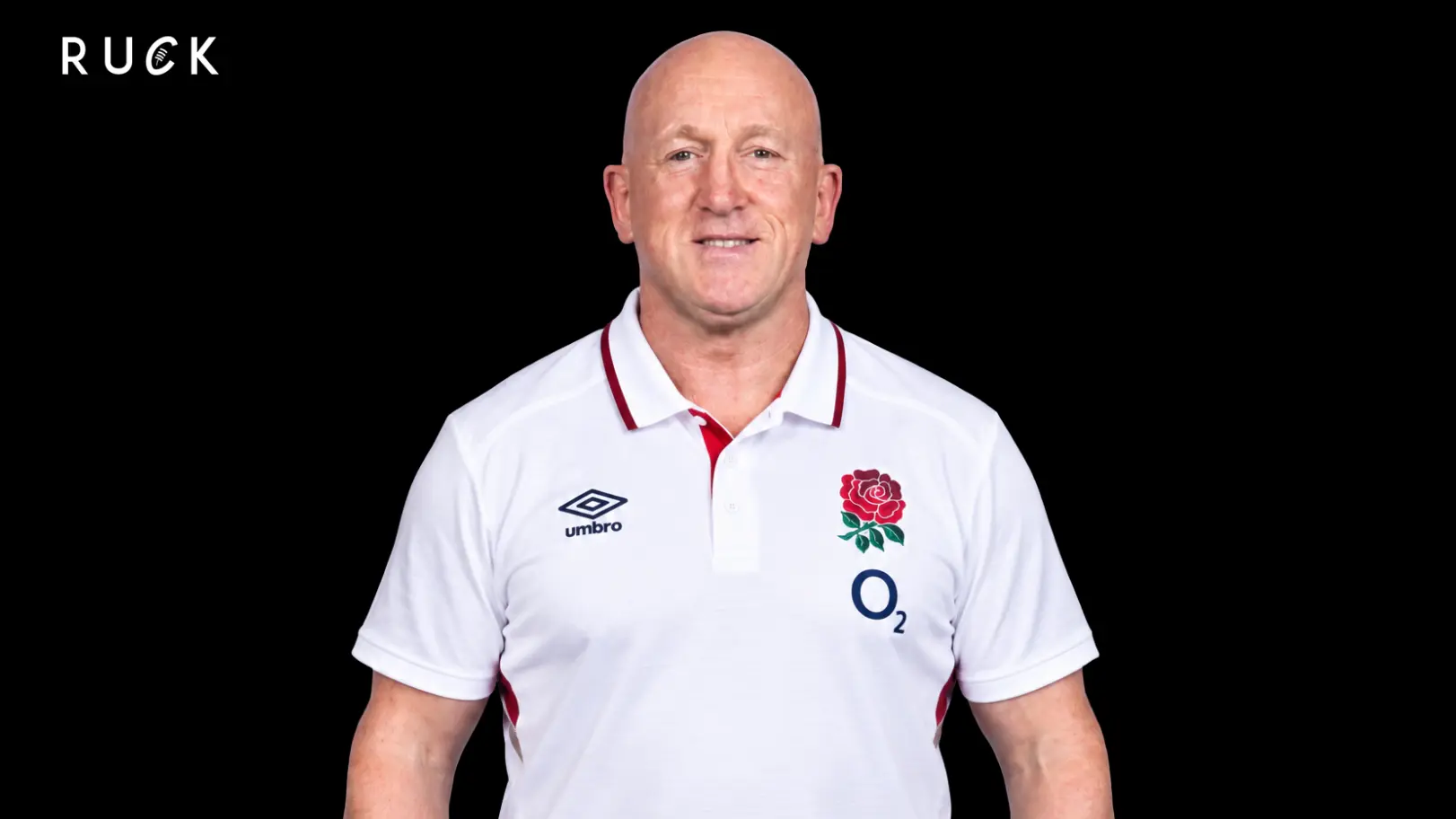
England legends Joe Marler, Dan Cole and Jason Leonard just miss the mark, such is the quality of the finalised decad.
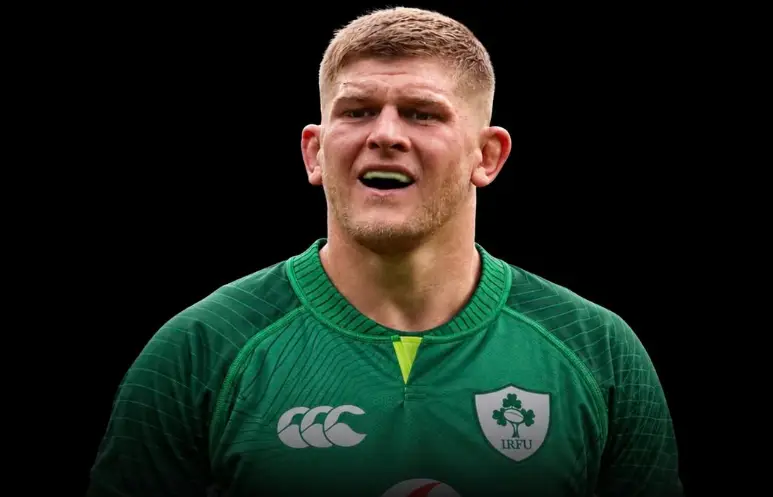
Other honourable mentions include Ireland's veteran tight-head Tadhg Furlong, Italian all-timer Martin Castrogiovanni, and legendary Argentina front row Marcos Ayerza.
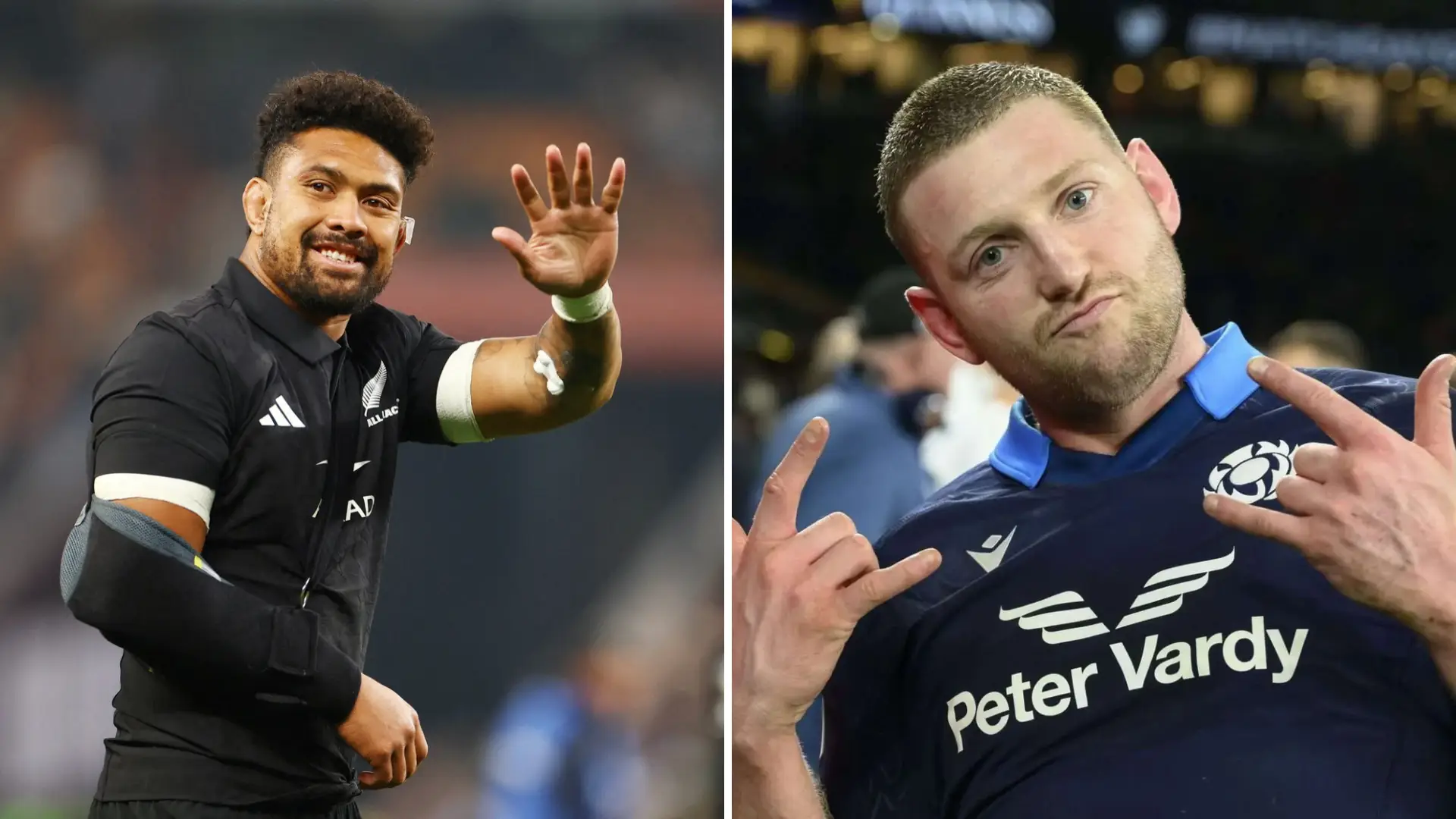
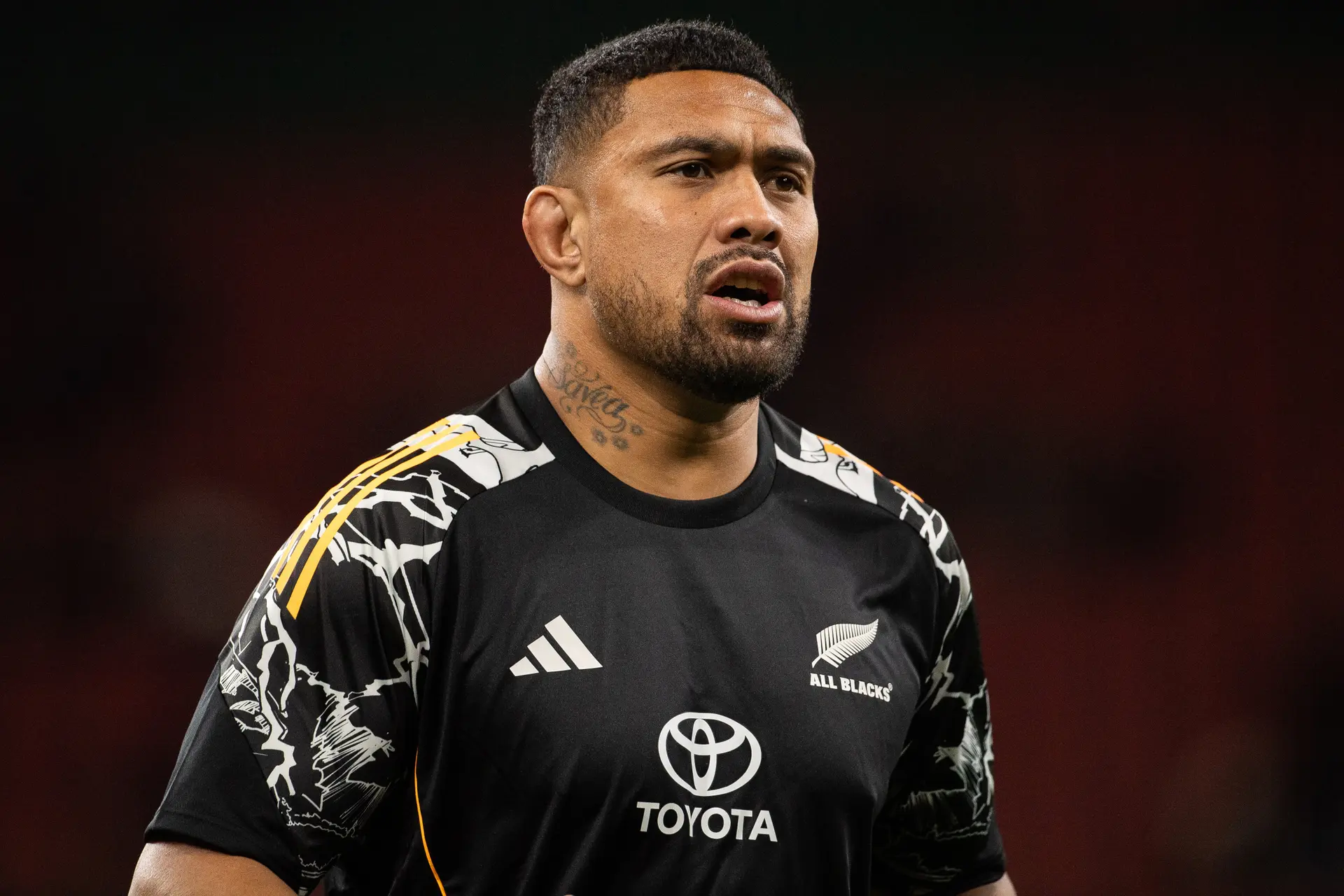
10. Owen Franks (New Zealand)
“The Hobbit” built his reputation on a low body position and an ability to absorb enormous pressure without surrendering an inch at the put-in.
The ultimate scrummaging workhorse, Franks combined impeccable technique, durability and ruthless consistency.
Across a remarkable All Blacks career, Franks became one of the most dependable tightheads of his generation. He anchored a New Zealand pack that dominated the international game in the 2010s.
Did you know? Franks started every match of New Zealand’s victorious 2011 World Cup campaign and then helped them become the first team to win back-to-back World Cups in 2015. His older brother Ben Franks was also apart of both squads.
9. Tom Smith (Scotland)
A master of the dark arts, Tom Smith led Scotland’s scrum with old-school intelligence and a knack for getting under the skin of his opponent.
His understated style belied the enormous influence he wielded at the set-piece, where he became renowned for making life miserable for opposing front rows.
Smith was equally effective in open play, but it was his scrummaging prowess that established him as Scotland’s finest loose-head of his era.
Did you know? Smith started all six British & Irish Lions Tests across the 1997 and 2001 tours. He is the only Scot ever to achieve that feat.
8. Andrew Sheridan (England)
Andrew Sheridan was a terrifying combination of size, power and technical precision, with a towering height rarely seen in professional front rowers anymore.
Standing 1.96m tall and weighing more than 115kg, the Sale Sharks loosehead possessed physicality to overwhelm opponents and dismantled them at the set-piece.
His scrummaging became one of England’s most imposing weapons during the 2000s. Despite not making his debut until 2004 following the Rugby World Cup win, his performances earned him selection for two British & Irish Lions tours.
Did you know? Sheridan toured New Zealand in 2005 and South Africa in 2009 with the Lions.
7. Phil Vickery (England)
The man who wore the nickname 'Raging Bull' like a badge of honour, the one and only Phil Vickery brought aggression and leadership to England’s golden age front row.
A rugged tighthead who thrived in the most brutal exchanges, Vickery was an integral part of England’s 2003 World Cup-winning side and later captained his country at the 2007 World Cup final.
His longevity speaks volumes, with Vickery heralded one of England’s most decorated props.
Did you know? Vickery also captained England in a pool match at the 2003 World Cup and toured with the British & Irish Lions in 2001 and 2009, making five Lions Test appearances.
6. Frans Malherbe (South Africa)
Frans Malherbe has made elite-level consistency an art form that very few can emulate.
The colossal, bruising tighthead is blessed with immense strength, yet his exceptional technique took hundreds of hours to hone against the scrum machines of South Africa.
He became a cornerstone of South Africa’s forward pack across arguably the most successful period in Springbok history, as he was integral to the 2019 and 2023 Rugby World Cup triumphs.
Malherbe’s ability to generate enormous pressure without sacrificing stability made him a nightmare for opposing looseheads. His calm, controlled approach allowed him to repeatedly deliver those clutch moments in green and gold when it mattered most.
Did you know? Malherbe started at tight-head for South Africa in the 2019 World Cup final and again in the 2023 quarter-final and semi-final campaigns.
5. Jean-Pierre Garuet (France)
This old-school French front-rower was scrum time menace personified. A technically superb tighthead with remarkable resilience, he developed a reputation for wreaking havoc amongst opposition packs.
Former adversaries repeatedly marvelled at his ability to influence an entire scrum single-handedly, making him one of the defining front-rowers of his generation.
Garuet’s uncompromising approach perfectly embodied the ferocious, confrontational spirit of French rugby during the 1980s.
Did you know? Garuet played 42 Tests for France and started the 1987 Rugby World Cup final against New Zealand.
4. Adam Jones (Wales)
Adam Jones was the cornerstone of Wales’ formidable front row, with his wild-man look coupled with an unfaltering - almost manic - love of the scrum.
At his peak, Jones' scrummaging could completely reshape a match. The Welsh battering ram forced penalties and putting opposition packs under relentless pressure throughout his decorated career.
Jones accrued a total of 95 caps in his beloved Welsh red, and was apart of three Six Nations Grand Slam campaigns, coming at the height of Wales' professional reign over the Northern Hemisphere.
Did you know? Jones also won five Lions caps, starting all three Tests on the victorious 2013 Lions tour of Australia.
3. Os du Randt (South Africa)
Known simply as “The Ox”, Os du Randt embodied the relentless work-rate and imposing stature of his animalistic namesake. He begins our trio of the all-time best scrummagers, who all (perhaps unsurprisingly) arrive from South Africa.
Strength, durability and destructive scrummaging made him a nightmare for anyone who dared 'lock horns' with the Ox.
His incredible career is stuff of legend, as he battled back from an injury enforced retirement at the age of just 27. Du Randt's career stretched across two distinct eras of South African rugby. However, his ability to dominate the set-piece remained undiminished.
Du Randt was a key figure in two World Cup triumphs some 12 years apart, and re-retired at the very summit of the sport, having cemented his place among rugby’s greatest-ever front-rowers.
Did you know? Du Randt is the only Springbok to have won the Rugby World Cup in 1995 and 2007.
2. Ox Nche (South Africa)
From the legend of Du Randt now comes the modern day maestro of the Springboks scrum.
Ox Nche has turned low-body-position scrummaging into an art form, with a beloved moto of 'salads don't win scrums' ringing true around every South African braai.
Compact, immensely powerful and technically brilliant, the Springbok loosehead possesses the rare ability to destabilise opponents while maintaining extraordinary control himself.
His impact with the 'Bomb Squad' bench has become an explosive weapon in its own right, with Nche repeatedly proving capable of changing the momentum of matches against tiring front rows.
Did you know? Nche helped South Africa win four scrum penalties after entering the 2023 World Cup semi-final against England from the bench.
1. Tendai Mtawarira (South Africa)
Tendai Mtawarira, better known as “The Beast”, was the ultimate immovable force, and he takes his rightful place in the history books of rugby's greatest scrummagers.
Extraordinary strength, technical precision and relentless work ethic made him a fixture of the Springbok pack for more than a decade.
Fittingly, Mtawarira’s international career ended with another World Cup triumph, completing an extraordinary journey as a two-time world champion.
Did you know? Mtawarira retired after the 2019 World Cup as South Africa’s most-capped prop, and the sixth most capped men's prop of all time, with an astonishing 117 Test appearances.