"Arrogant" - Each Six Nations team's most hated player
Top 10s/ListsWednesday, 14 January 2026 at 21:37

The Six Nations is built on passion, rivalry, and personalities that divide opinion as much as they inspire it. Every team has players who frustrate opponents, irritate supporters, and dominate headlines, whether through style, reputation, or controversy.
Join the RUCK’s WhatsApp community here and get the latest news sent straight to your messages.
From mouthy wingers to abrasive leaders and generational superstars, here is a look at each nation’s most disliked rugby player.
England – Owen Farrell
Farrell, like many players on this list, divides opinion more than most. Some fans point to clips of his poor tackles and conclude that he is a dirty player. In truth, those moments are not especially frequent, and if you made a similar highlight reel of almost any player, you would find comparable examples of bad technique.
He is often judged on a preconceived idea of his character based on his aggressive playing style, yet off the field he is widely respected. Farrell does extensive charity work and is a patron of Duchenne UK, a charity supporting those affected by Duchenne muscular dystrophy. He even celebrates every point he scores by forming a “JJ” with his fingers to represent Joining Jack, the charity he supports.
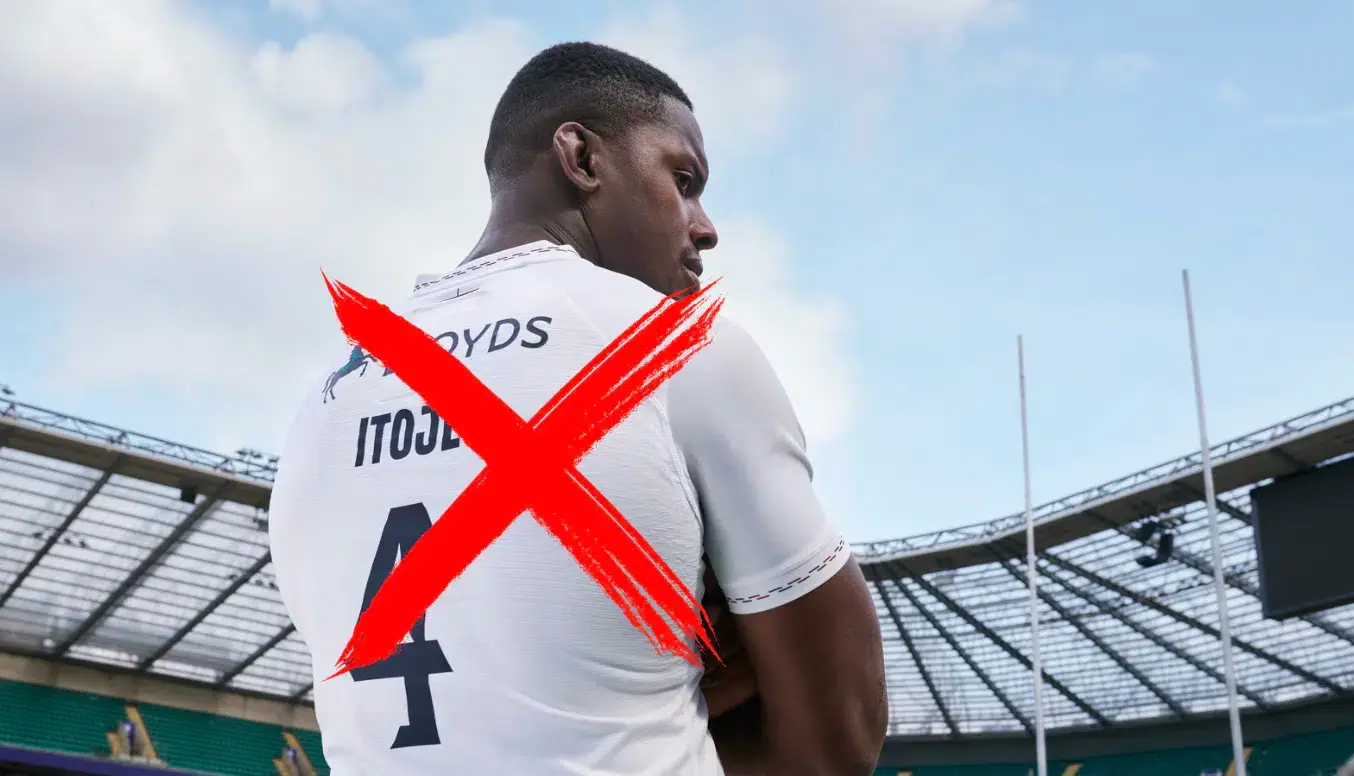
While he attracts a great deal of criticism, he also receives plenty of well-earned respect. Some of the early dislike may have stemmed from the “nepotism” label attached to him because of his father, Andy Farrell, but he has been around long enough for that to have long since lost relevance. Other possible contenders for England were Maro Itoje and Henry Pollock, the latter perhaps one of the most polarising figures in rugby today.
Ireland – James Lowe
Speaking on The Love of Rugby podcast, Dan Cole once remarked that twenty years ago, Lowe would have been “punched in the face in every game,” but that the modern sport is better for his kind of personality. He is outspoken, plays on the edge, and can come across as arrogant on the field, even though he is widely regarded as a good guy off it.
Lowe thrives on the theatre of rugby: he starts little scuffles, grins at the crowd, and often winds up opponents. From a neutral fan’s perspective, he does not always come across well. Adding to that frustration is how effective he is—despite not being the quickest winger, he uses his size and power superbly. He is the classic example of a player you would love on your own team but struggle to tolerate on anyone else’s.
Scotland – Finn Russell
If Stuart Hogg were still playing for Scotland, he would have been the easiest choice on this list. In comparison, Russell’s inclusion seems pretty futile. Still, he gets under people’s skin for a more trivial reason: he is undeniably brilliant, knows it, and sometimes leans too far into the flashy side of his game.
When it comes off, it is spectacular. When it does not, it can be costly—and that is what irritates some fans. A prime example came against Argentina in the autumn. With Scotland 24 points ahead and building pressure, Russell attempted an ambitious, no-look pass to the corner. It was intercepted, Argentina countered, and the momentum shifted. Scotland ultimately lost the match. Moments like that, more than anything else, fuel the criticism.
Wales – Louis Rees-Zammit
Rees-Zammit’s criticism largely stems from his brief and ultimately unsuccessful move to the NFL. Many fans viewed it as a waste of time or a sign of a lack of commitment to rugby, while others doubted his suitability for American football in terms of size and overall potential. His high-profile social media presence and the hype surrounding the move only added to the backlash.
Following his return, and with links to ventures such as R360, some supporters feel he is more focused on money than on rugby itself. While many would argue that it is simply a career choice, this perception has rubbed a section of the fanbase the wrong way and contributed to his polarising reputation.
Italy – Michele Lamaro
Italy do not currently have many genuinely disliked players. Lamaro’s inclusion here is largely based on a past controversy rather than ongoing sentiment. On one occasion, he publicly criticised the treatment Italy received during an away match in Wales.
According to Lamaro, the visiting side were shown little respect in pre and post-match conduct. The team were asked to stop warming up unusually early, players’ families were allocated seats with a poor view of the pitch, and they were not allowed to attend the traditional post-match “third half.” While some viewed his comments as unnecessary, he maintained that such treatment fell well below the standards normally expected of a host nation.
France – Antoine Dupont
Among many Southern Hemisphere fans, Dupont is a particularly divisive figure. Some consider him overhyped or are simply weary of the constant praise he receives. Much of the criticism comes from outside France—especially in countries such as South Africa—where his dominance and limited recent exposure to Southern Hemisphere competition have fuelled debate.
Others point to perceived arrogance, whether from Dupont himself, opposing players, or sections of the French fanbase. In many cases, however, the frustration seems less about his actual performance and more about the scale of the hype surrounding him. Even so, most critics still acknowledge his extraordinary ability and influence on the modern game.
EDITORS PICKS:
- Top most shocking moments in Six Nations history (Ranked 5-1)
- “It’s Bragging Rights” – Bath’s Finn Russell wants to one-up Scotland teammates in Edinburgh clash
- “I can’t wait” – Wallabies star Fraser McReight reacts to being named Reds captain for 2026
- Gloucester confirm signing of Rugby World Cup winning Springboks lock
- 5 Sale Sharks players in contention for 2026 Six Nations call-ups after Champions Cup delight
TRENDING



LATEST NEWS


LATEST COMMENTS
- Jordie Barrett over Damian de Allende is far from being correct. The hype around Dupont is also overreaching, he's probably 4th in the world and has been since the 2023 WC. He also avoids certain matchups which is strange. The rest of the list is pretty good apart from minor subjective biases.JasonMarlow16-09-2026
Loading