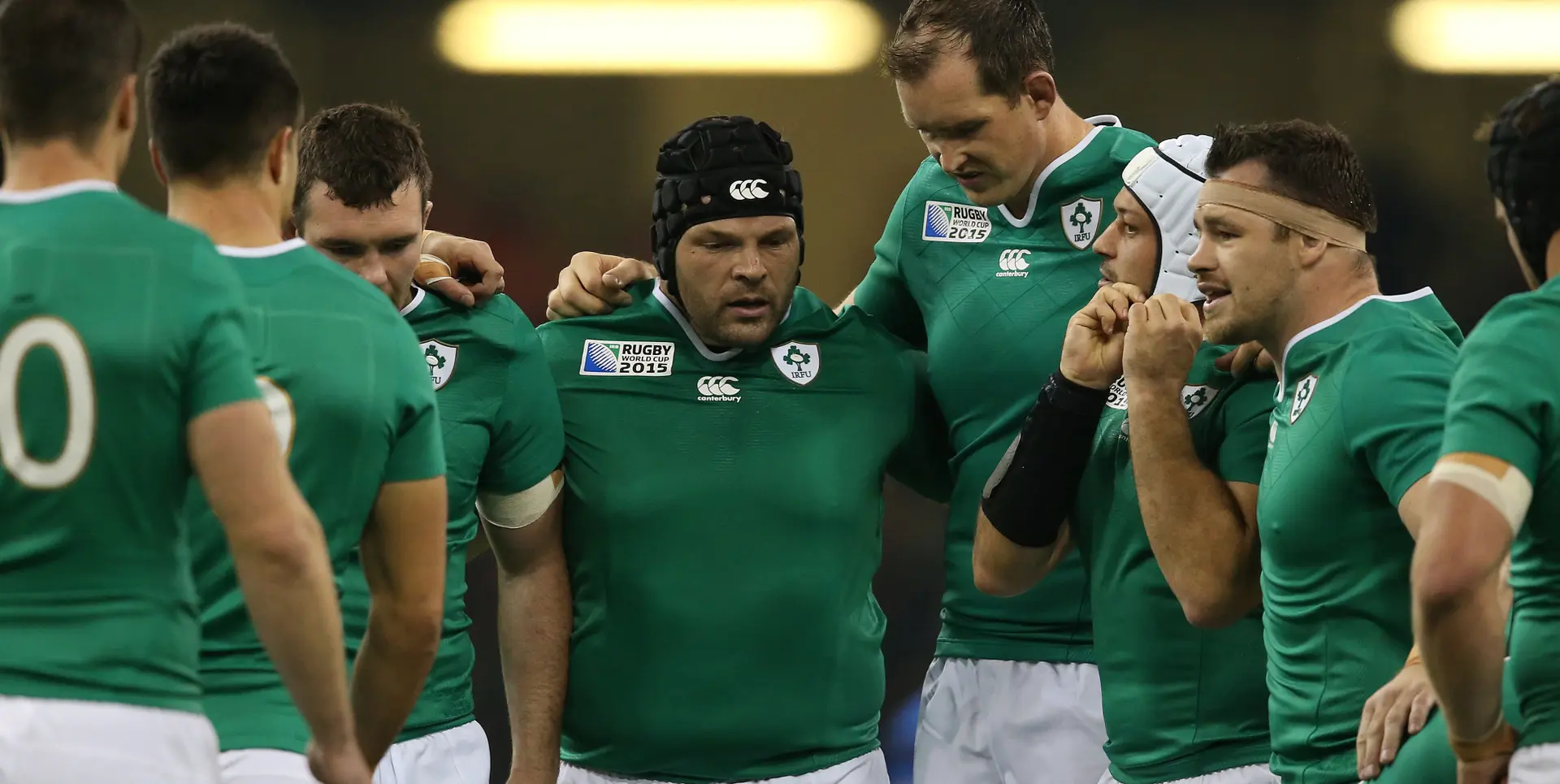

With little more than a year until the Rugby World Cup takes place in Australia, Ireland are at a familiar crossroads as being capable of contending for the trophy, while also living with the history of never winning a knockout game in the competition.
The action officially starts on October 1, 2027 in Perth and Ireland will be under the heavy weight of expectation once more. They’ve now made it to the quarter finals of this tournament on eight occasions and lost every single time. No side has managed to consistently rank so highly in the world rankings only to come up short on the big day.
The question around Andy Farrell’s squad won’t be answered until the World Cup. Fans hope that this will finally be the group that avoids the near misses that have plagued previous campaigns.
A Clear Path With the Draw
Supporters are already planning their trips to the World Cup. In their spare time, instead of playing online slots or betting on club rugby, they’re looking to see what games they might take in at the tournament and deciding on the best route.
The draw has already been made and it’s as good as the team could possibly have hoped for. Ireland are in Pool D, where they will face Scotland, Uruguay and Portugal. With two minnows and Ireland generally having the measure of Scotland when it matters, there’s a clear path to finishing top of the group.
One thing to consider is the changing format, as 24 teams are taking part in the competition for the first time across six pools of four teams. There will be 52 games in total across 7 Australian cities.
The top two from each pool emerge, as well as four of the third-placed teams, into a new Round of 16. Here’s where a team will need to play seven games and not six anymore to win the title.
Ireland should be well able to navigate Pool D and a Round of 16 contest. It’s what happens thereafter which will write the narrative, as they’ll be matched up against a heavyweight competition soon enough, as was seen with the clash against New Zealand at the 2023 World Cup in France after Ireland topped their group that contained South Africa and Scotland.
Fighting the Declining Narrative
Ireland are at a crossroads currently as there is speculation in some areas that their glory days have passed by, coming off the back of being ranked number one in the world and title Grand Slams. This was evident during the 2025 Six Nations when France took away Ireland’s title.
The 2026 renewal was a bit more promising, as Ireland responded to an opening loss to France to bring the title down to the final kick of the tournament, as France just managed to get by England in the final game.
Ireland secured a fourth Triple Crown in five years as Andy Farrell returned after a sabbatical during which he led the British & Irish Lions to a series win in summer 2025 in Australia.
His influence in the group is obvious, as he runs the attack, sets standards, and seems to have an extremely close relationship with the players.
Balancing Experience With Freshness
There’s an ongoing tension with this Irish team about whether it’s better to retain the major of the experienced core group that is ageing and giving a chance to younger, unproven talent. The spine of the team is still very strong. Caelan Doris, when fit, is one of the world’s best back rowers and has grown into the captaincy.
Tadhg Beirne continues to perform to an elite high standard being named the Lions Player of the Tour and showing little signs of slowing down despite a heavy game load with club and country. The departure of James Lowe to Japan was a blow, but Jamison Gibson-Park is still playing great rugby, with Josh van der Flier’s professionalism ensuring that he’s available most of the time.
The worry is the team’s average age, which is around the 30 mark usually. Tadhg Furlong is facing into his fourth World Cup and has persistently battled fitness issues. The scrum looks vulnerable when he’s not lined up. There are concerns about how Ireland stacks up with power and pace against top teams like South Africa.
The Irish squad’s makeup of having so many Leinster players is also seen as detrimental, as the club and country play significantly different styles of defence in particular, which causes some inconsistencies in performances.
An encouraging sign is the natural drip feeding of young talent into the experienced squad. Sam Prendergast has gone through most teething problems, but gives Ireland a quality alternative to Jack Crowley at outhalf.
Joe McCarthy is now a world-class second row and an enforcer, while the likes of Tommy O’Brien and Robbie Baloucoune have finally started delivering on their early promise after a few frustrating stop-start years due to injuries. The chances in 2027 depend on how many of the little unproven players can make the jump into the proven category over the next 12 months.
Overcoming the Mental Hurdle
Stripping away all of the selection and tactical questions, one of the biggest obstacles of Ireland is the psychological angle. The quarter-final hoodoo is now a massive part of the narrative. There have been several close calls, with the 2023 loss to New Zealand hurting the most as Ireland were ranked number one in the world and playing amazing rugby.
The history creates a strange dynamic, as Ireland are consistently good enough to be considered as contenders. However, the weight of expectation and the scar tissue of past failures can mean that players stiffen as the knockouts arrive.
They might take some inspiration from the Mayo Gaelic football team, which ended a 75-year wait for the All-Ireland Championship this year, having been involved in several agonising big days in recent years.
Farrell knows that talent isn’t Ireland’s problem, that what goes on upstairs is equally as important as what tactics he deploys. Until Ireland actually wins a quarter final, it’s hard to be too confident about any suggestion that they can actually compete for the Webb Ellis.
TRENDING


LATEST NEWS
LATEST COMMENTS
- Jordie Barrett over Damian de Allende is far from being correct. The hype around Dupont is also overreaching, he's probably 4th in the world and has been since the 2023 WC. He also avoids certain matchups which is strange. The rest of the list is pretty good apart from minor subjective biases.JasonMarlow16-09-2026
Loading