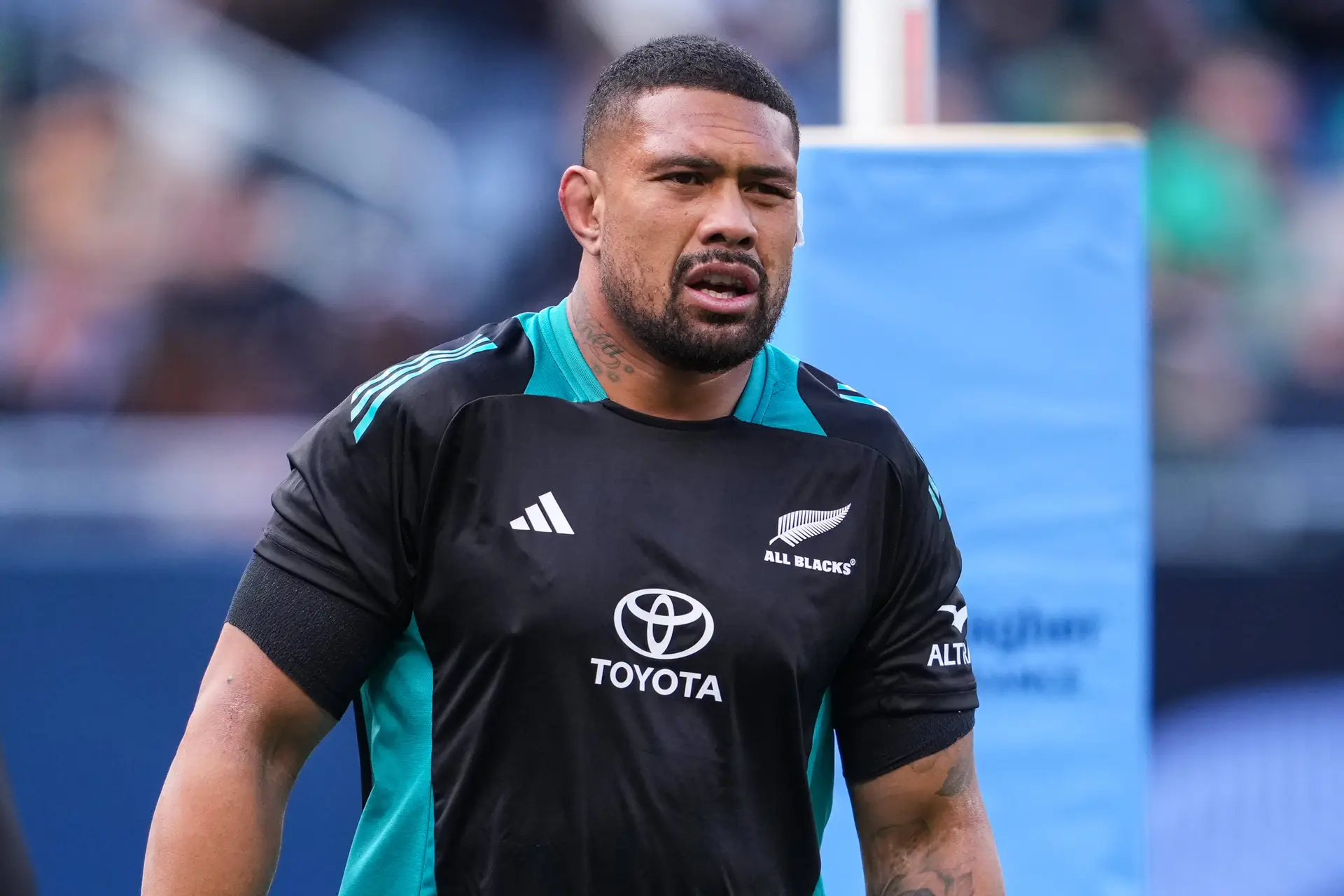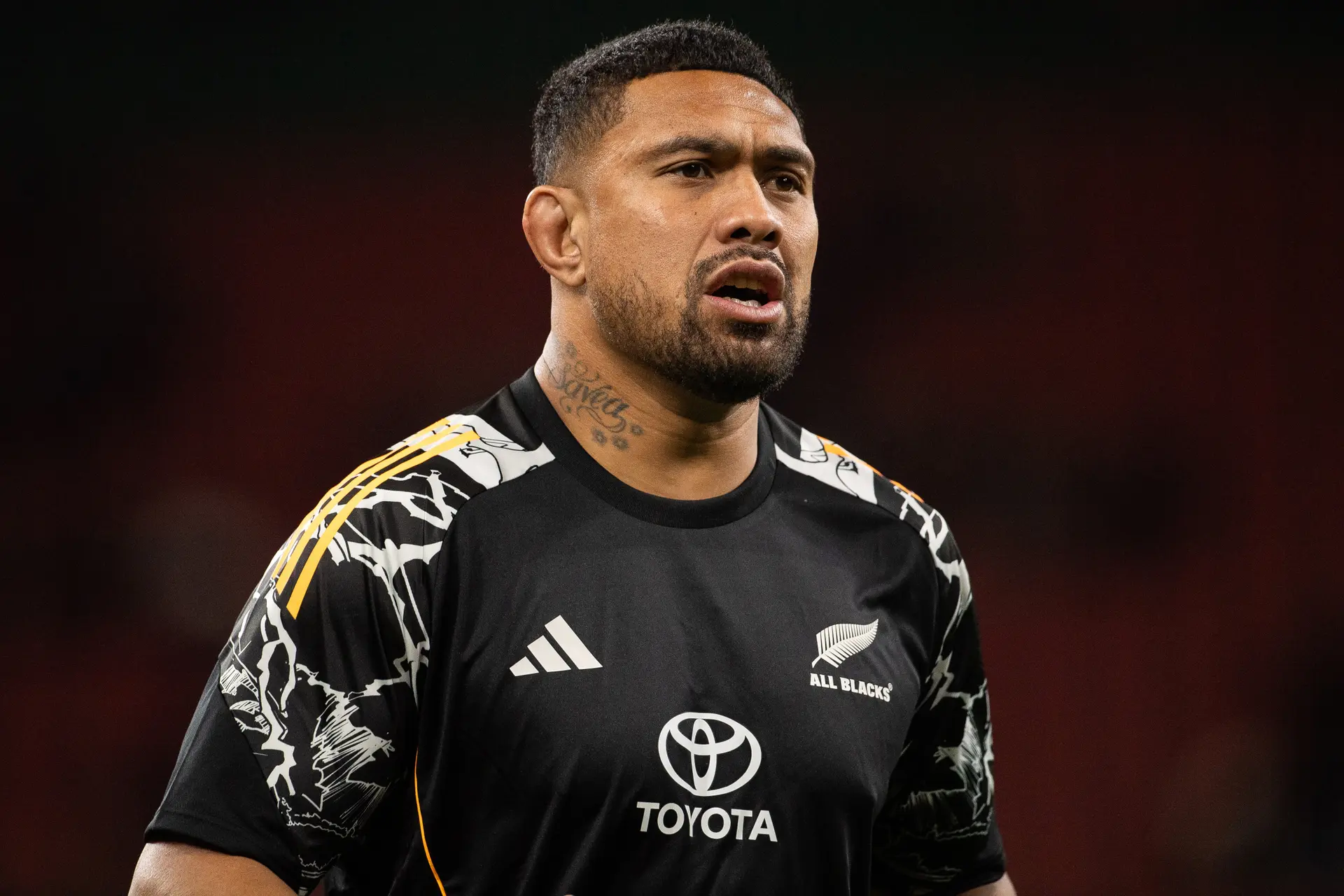
74 per cent win record, but his reign will be defined by historic setbacks: a 43–10 home thrashing by South Africa in Wellington, followed a week later by New Zealand’s first ever defeat to Argentina on Pumas soil.
In the wake of his exit, we look back at rugby’s most unsuccessful international head coaches and the failures that shaped their legacies.
⭐ Save us to your Google Favourites for nonstop RUCK content!
10 Peter de Villiers
South Africa’s results under De Villiers were respectable on paper, but deeply disappointing in context. He won 30 of 48 tests, including a series victory over the British & Irish Lions and a rare winning year against the All Blacks in 2009. Yet with a World Cup–winning squad at his disposal, many believed the Springboks consistently underperformed. Consecutive last-place finishes in the 2010 and 2011 Tri Nations exposed a side that lacked clarity and consistency, before a meek quarter-final exit at the 2011 World Cup ended his tenure.
His reputation deteriorated further during a short spell with Zimbabwe. Appointed to revive the program and target World Cup qualification, De Villiers instead oversaw decline, narrowly avoiding relegation from Africa’s top tier before being dismissed in 2019. Ultimately, his career is remembered less for results than for unfulfilled potential and controversy.
Join RUCK’s Instagram broadcast channel and get the latest rugby news straight to your phone.
9 Andy Robinson
England’s post-2003 World Cup era quickly lost direction under Robinson. In two years as head coach he won just nine of 22 matches, presiding over tactical drift, declining confidence and increasing supporter unrest. Despite being backed initially by the RFU, defeats continued to mount, and Robinson resigned in 2006, citing a lack of support from the governing body.
His later tenure with Scotland offered little redemption. Results stagnated, culminating in a humiliating home defeat to Tonga in 2012 that triggered his resignation. In both roles, Robinson inherited talented playing groups but failed to impose authority or a clear game plan. His international career became a cautionary tale: respected as a player and assistant, but unable to command the top job.
8 Kingsley Jones
Two struggling rugby nations came under Jones’ leadership, yet neither emerged stronger. His time with Russia produced moderate outcomes: mid-table finishes in Europe, occasional wins, and brief progress toward World Cup qualification before he stepped aside. With just 11 victories from 26 matches, the overall trajectory was one of stagnation rather than growth.
Canada’s decline under his tenure was far more severe. Appointed in 2017, Jones oversaw heavy defeats, failure to qualify directly for the 2019 World Cup, and historic regression. Although Canada later survived repechage, the program continued to slide, culminating in missing the 2023 World Cup entirely. With a test record of 14–34, his era is remembered as one of the darkest in Canadian rugby history.
7 Warren Gatland (second spell)
Few coaches returned with a stronger legacy than Gatland, yet his second spell in charge of Wales became a stark reversal. While a strong pool-stage showing at the 2023 World Cup briefly masked underlying problems, domestic results soon collapsed. A winless 2024 Six Nations delivered Wales’ first wooden spoon in 21 years and signalled a deeper decline.
What followed was unprecedented: a record-breaking losing streak that included historic home defeats to Fiji and Australia, mounting internal tensions with the WRU, and a visible loss of player confidence. By early 2025, Wales had dropped to 12th in the world rankings, prompting Gatland’s mid-tournament departure. A once-glorious legacy was left badly tarnished.
6 Mitsutake Hagimoto
Japan’s struggle at elite level in the early 2000s was brutally exposed during this period. Under Hagimoto’s leadership, the national side suffered some of the heaviest defeats in international rugby history, including a 100–8 loss to Scotland and a 98–0 demolition by Wales. Tactical naivety and flawed selection decisions left Japan hopelessly outmatched.
While the nation would later transform into a competitive Tier One contender, this tenure offered neither stability nor vision. Although Hagimoto later contributed at age-grade level, his time in charge of the senior side remains synonymous with capitulation rather than development, an era that highlighted how damaging poor leadership can be at international level.
5 Philippe Saint-André
Tasked with restoring order after the turbulent 2011 World Cup, France instead drifted further under Saint-André. His reign produced conservative tactics, inconsistent performances and growing player dissatisfaction. France collected their first-ever Six Nations wooden spoon in 2013 and were regularly overpowered by southern hemisphere heavyweights.
The low point arrived at the 2015 World Cup. Reports of a player “mutiny” preceded a record 62–13 quarter-final defeat to New Zealand, effectively ending his tenure. Despite occasional victories, Saint-André never rebuilt France’s identity or authority. His four years are remembered as a period of suffocation for one of rugby’s most creative nations.
4 Rudolf Straeuli
South Africa’s proud rugby identity was badly shaken during this era. After a promising start, Straeuli’s side suffered a series of heavy defeats against major nations, including record losses to England and New Zealand. Confidence drained rapidly as performances deteriorated.
The 2003 World Cup proved terminal. South Africa failed to reach the semi-finals for the first time, and revelations surrounding the infamous “Kamp Staaldraad” training camp soon followed. Allegations of extreme methods destroyed trust in leadership and forced his resignation. With a win rate barely above 50 percent, Straeuli’s legacy remains one of controversy, mismanagement and lasting embarrassment.
3 Matt Williams
Despite inheriting a talented generation, Scotland collapsed statistically under this regime. Williams oversaw just three wins in 17 matches, a success rate of 17.65 percent, the worst of any permanent Scotland coach in the professional era. Two victories came against Tier Two nations, leaving only one Six Nations win against Italy as his sole Tier One success.
Selection decisions further undermined confidence. Most notably, he discarded Gregor Townsend while acknowledging a lack of experienced centres, a move that baffled players and supporters alike. Sacked in 2005, Williams was quickly followed by improved results under Frank Hadden, reinforcing the sense that Scotland had been held back rather than rebuilt.
2 Gareth Jenkins
Appointed after a bitter and politicised selection process, Jenkins inherited a fragile Welsh setup and failed to steady it. Early tours to Argentina and Australia ended in defeat, while Six Nations campaigns brought little progress. Heavy losses, including a record defeat to England, intensified scrutiny.
The 2007 World Cup ended his tenure. Wales’ elimination after a shock loss to Fiji marked their first pool-stage exit, and Jenkins was dismissed immediately. His struggles in communication, tactical clarity and leadership became emblematic of the era. Though a proud and principled figure, his time in charge is remembered as damaging and directionless, and it proved the end of his international coaching career.
1 Allister Coetzee
Few coaching reigns have inflicted such sustained damage on a major rugby nation. Under Coetzee, South Africa endured a cascade of historic defeats: their first home loss to Ireland, a first-ever loss to Italy, record defeats to Wales, and the infamous 57–0 annihilation by New Zealand in 2017. Rankings plummeted, performances became disjointed, and confidence evaporated.
Brief improvements, such as a series win over France and competitive Rugby Championship matches, were quickly overshadowed by further humiliation on tour. Selection confusion, fractured systems and a lack of tactical identity defined the era. When Coetzee was dismissed in February 2018, few objected. His tenure stands as the bleakest chapter of modern Springbok rugby.