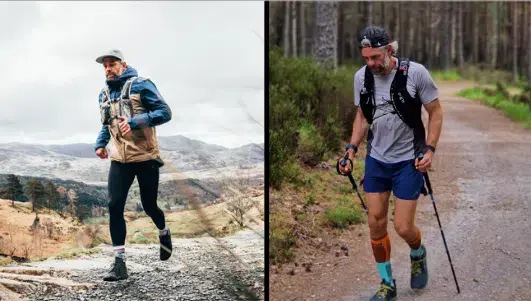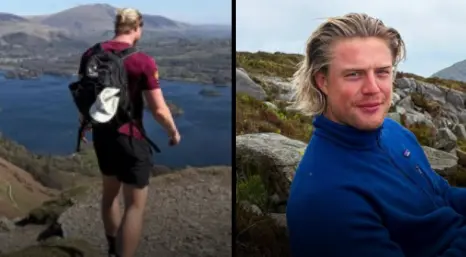

A former rugby player who experienced homelessness and survived more than 20 suicide attempts, is 53 days in a walk across Britain, from Land's End to John o' Groats.
Ross Kirtland is encouraging people across the UK to talk more openly about suicide and mental health.
Ross left Land's End in Cornwall on August 1st and reached Scotland this past Friday, after seven weeks and hundreds of miles on the road.
The Big Walk & Talk is raising money for Head for Change, Tackle Suicide and Inn Churches, with a £125,000 target representing the 125 lives lost to suicide in the UK every week.
But the challenge has always been about more than fundraising. Ross set out to get people talking and, for the past 53 days, that’s exactly what’s happened.
During his first week, a taxi driver refused to charge him for a £45 journey after hearing why he was walking, as the driver's daughter had been battling her own mental health problems.
Near Nottingham, construction workers stopped Ross to ask what he was doing. When he explained, they told him that someone they knew through work had recently taken his own life at just 27.
At Worcester Warriors, where Ross joined players for training before speaking about his experiences, members of the club told him about a friend and fellow rugby player who had died by suicide and thanked him for sharing his story.
Ross has also spoken at Dursley Rugby Club and been interviewed by BBC Radio Gloucestershire while walking. His challenge has received messages of support from Welsh cycling legend Geraint Thomas, 2003 Rugby World Cup winner Steve Thompson, former Wales and British & Irish Lions back row Colin Charvis and SKY Sports Presenter Hayley McQueen.
“I've learnt that you never really know what someone else is carrying,” Ross said.
“People have stopped me all over the country and, once they hear why I'm walking, they start telling me their own stories. Sometimes it's about their own mental health and sometimes it's about somebody they've lost.
“For three years straight, I didn’t want to be alive anymore. Now I’m walking the length of Great Britain to prove that recovery is possible.”
“If hearing my story gives one person the courage to ask for help or tell someone how they're feeling, every step will have been worth it.”
From rugby to recovery
Rugby was a huge part of Ross's life growing up, earning him a bursary to Bradford Grammar School and a scholarship to Newcastle University. But behind the scenes, he had experienced anxiety, depression and suicidal thoughts since his teens.
After returning from Australia in 2022, Ross's mental health deteriorated severely. He became homeless and was eventually admitted to psychiatric hospital. Over almost three years, he lived with suicidal thoughts every day and survived more than 20 suicide attempts.
Exactly one year after leaving hospital, he set off from Land's End.
The milestone gives the Big Walk & Talk a deeply personal significance for Ross. What began as a journey marking one year since his discharge from hospital has become a nationwide conversation about mental health, suicide, homelessness and the experiences that can sit behind them.
Ross is also exploring whether head injuries sustained during his rugby career could have contributed to his mental health crisis. He hopes his challenge will encourage greater awareness of the potential long-term effects of repeated head impacts in contact sport.
“Rugby has given me so much and I'll always love the game,” Ross said. “I don't want to stop people playing it. I just want to understand what happened to me and help make the game safer for future generations.”
Supporting former players and their families
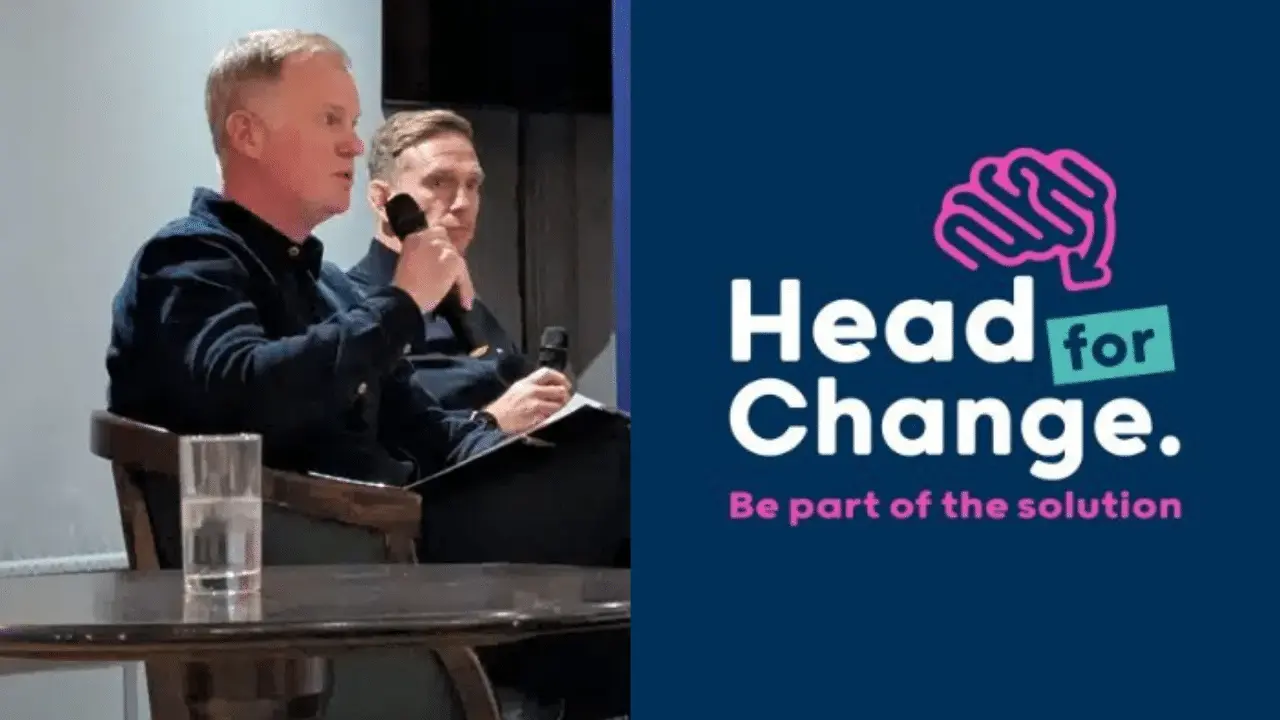
The Big Walk & Talk is supporting Head for Change, a leading UK charity supporting former sports players affected by brain injuries and their families.
Head for Change's vision is to pioneer positive change in sport by prioritising brain health and creating a world where sport is as good for your brain as it is for your body.
The charity provides care and support to people living with neurodegenerative diseases caused by their sporting careers, raises public awareness of the risks of head injuries in sport, and supports independent research aimed at making sport safer.
For Ross, supporting this work is a natural extension of his own experience as a former rugby player and his desire to understand more about the potential relationship between repeated head impacts and his mental health.
Alix Popham, former Wales international and co-founder of Head for Change, said:
“I've had the privilege of getting to know Ross over the last year and seeing just how committed he is to using what he's been through to help other people.
“The conversations he's having along the way show just how many people are affected by suicide and mental ill health. Every person who stops to talk, shares their own experience or walks alongside him is exactly why The Big Walk & Talk matters.”
A conversation across Britain
From taxi drivers and construction workers to rugby players, clubs and broadcasters, Ross's journey has repeatedly shown how a conversation can open the door to stories that might otherwise remain unspoken.
The Big Walk & Talk is therefore not simply a physical challenge. It is an invitation to stop, listen and talk — whether that means sharing a personal experience, remembering someone who has been lost, or simply asking someone how they are.
Ross will continue north through Scotland towards John o' Groats, inviting people to join him along the way.
After 53 days on the road, hundreds of miles walked and countless conversations, the message behind the challenge remains simple: talking can matter, and recovery is possible.
Follow Ross’s journey on Instagram @rosskirtland @HeadforChange
Fundraising page: https://www.justgiving.com/campaign/the-big-walk-and-talk