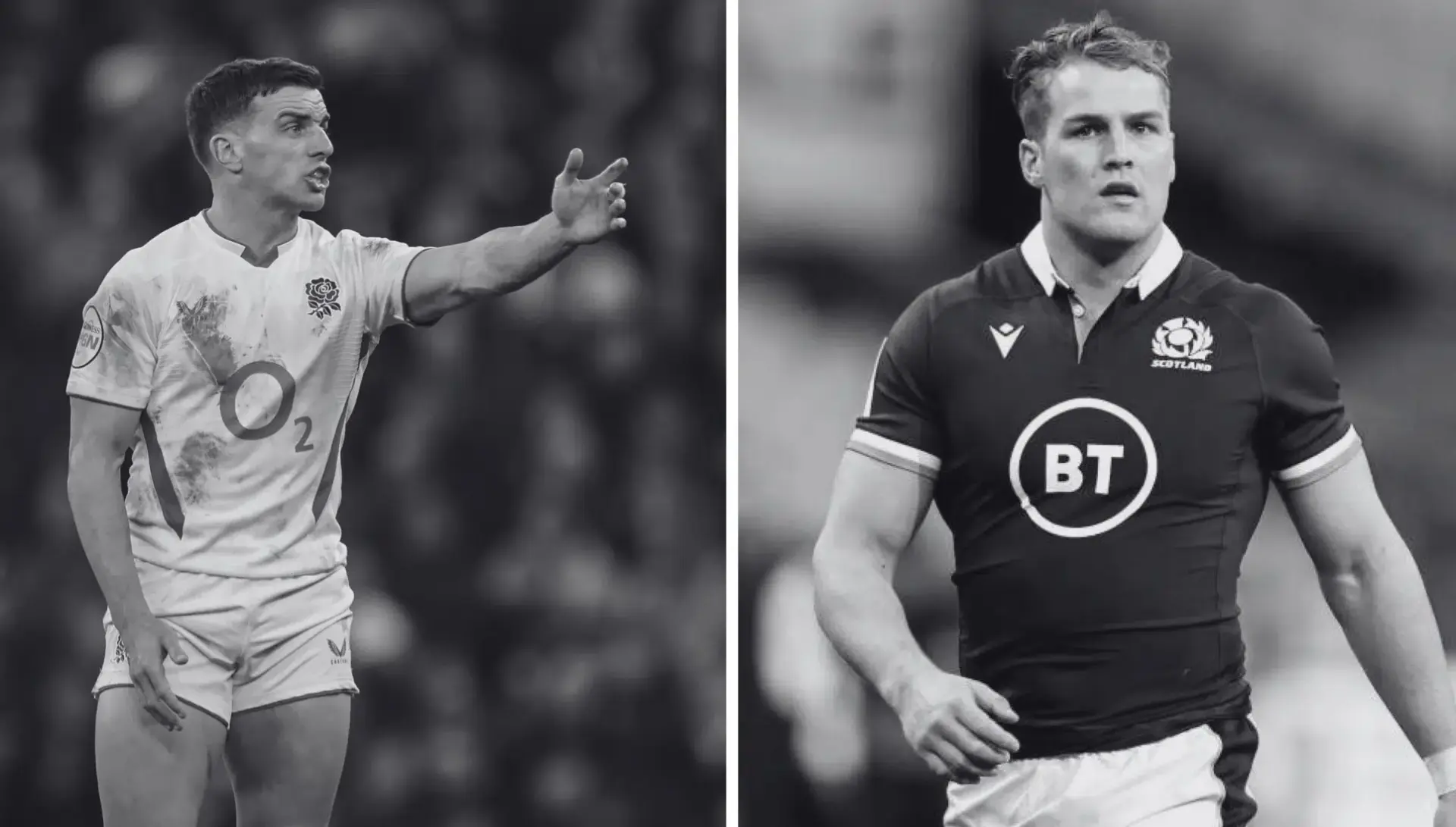

The 2026 Guinness Six Nations produced its usual share of thrilling matches and standout performers, with France ultimately lifting the title after a dramatic final round.
Ireland pushed them close throughout the championship, while Scotland impressed with several strong performances.
However, not every player enjoyed a successful campaign. A number of high-profile names struggled for form, failed to meet expectations, or simply could not influence games in the way their teams needed during the five rounds.
With the tournament now complete, here are six players whose performances fell short of expectations, ranked from six down to one.
6. Luke Cowan-Dickie (England)
Luke Cowan-Dickie endured a particularly difficult Six Nations, with his struggles most visible during England’s defeat to Ireland. After a modest showing the previous week against Scotland, the experienced hooker was unable to steady England when given his opportunity.
He was substituted after just 29 minutes following a spell that featured inaccurate lineout throwing and limited impact around the park. Defensive lapses also compounded the issues, making it a tough outing overall. Whenever he replaced Jamie George later in the tournament, the difference in reliability felt noticeable, and his performances fell well short of the standard England expect from such an experienced player.
5. Louis Rees-Zammit (Wales)
Louis Rees-Zammit’s return to the international stage has yet to deliver the attacking spark Wales had hoped for. Despite his electric pace and finishing ability, he failed to cross the try line throughout the championship.
Part of the problem has been Wales experimenting with him at fullback rather than on the wing, where he built his reputation. The positional change has limited his influence in attacking situations and occasionally exposed him defensively. While his raw speed remains a huge asset, the experiment has not paid off so far and Wales may need to return him to his natural role to get the best out of him.
4. Duhan van der Merwe (Scotland)
Duhan van der Merwe has been one of Scotland’s most dangerous attacking weapons in recent years, but the 2026 Six Nations proved unusually quiet for the powerful winger.
Gregor Townsend opted to leave him out of several matches, which limited his opportunity to make an impact.
When he did feature against Wales, it was a performance well below the standard he has previously set. Van der Merwe struggled to impose himself physically and rarely threatened in attack. For a player known for producing game-breaking moments, it was a campaign that failed to live up to expectations.
3. Henry Arundell (England)
Henry Arundell’s Six Nations campaign never quite matched the hype surrounding his immense talent. Against both Scotland and Ireland he struggled under the high ball, which proved especially problematic given England’s heavy reliance on tactical kicking.
Although he found himself in several promising attacking positions, he failed to turn them into meaningful contributions.
His two yellow cards at Murrayfield were particularly costly and left England under pressure at key moments. Arundell’s pace and athleticism remain obvious strengths, but based on this tournament it feels like others may deserve an opportunity.
2. George Ford (England)
George Ford began the tournament with a steady showing against Wales but quickly found himself struggling to impose control over England’s attack. His performances against Scotland and Ireland were particularly difficult.
At Murrayfield he was largely anonymous, while the following match saw him miss touch twice with kicks that would normally be routine for a player of his experience.
The crowd’s reaction whenever he kicked highlighted how far below his usual standards he had fallen. With England’s attack lacking direction during this period, Ford eventually dropped out of the matchday squad in the final rounds.
1. Sam Prendergast (Ireland)
Sam Prendergast tops the list after a Six Nations campaign that ultimately proved a difficult learning curve. The young Irish fly-half arrived with significant expectations but struggled to impose himself consistently at this level.
A tough outing in Paris saw him singled out for criticism, while a lacklustre display in Italy prompted Ireland to remove him from the squad in order to protect his development. The decision underlined how challenging the tournament had become for the young playmaker. Prendergast still has clear potential and a future role with Ireland, but his 2026 Six Nations campaign was one he will be keen to leave behind.
EDITORS PICKS:
- All Blacks star will be eligible to play for England this summer
- Grading every nation after the 2026 Six Nations
- 2027 Six Nations Fixtures Confirmed – England Handed Nightmare Start
- RFU Make Key Steve Borthwick Decision After Brutal Six Nations Campaign
- “Finished” – Ranking All 35 Ireland Six Nations Players (Best to Worst)
TRENDING


LATEST NEWS
LATEST COMMENTS
- Jordie Barrett over Damian de Allende is far from being correct. The hype around Dupont is also overreaching, he's probably 4th in the world and has been since the 2023 WC. He also avoids certain matchups which is strange. The rest of the list is pretty good apart from minor subjective biases.JasonMarlow16-09-2026
Loading