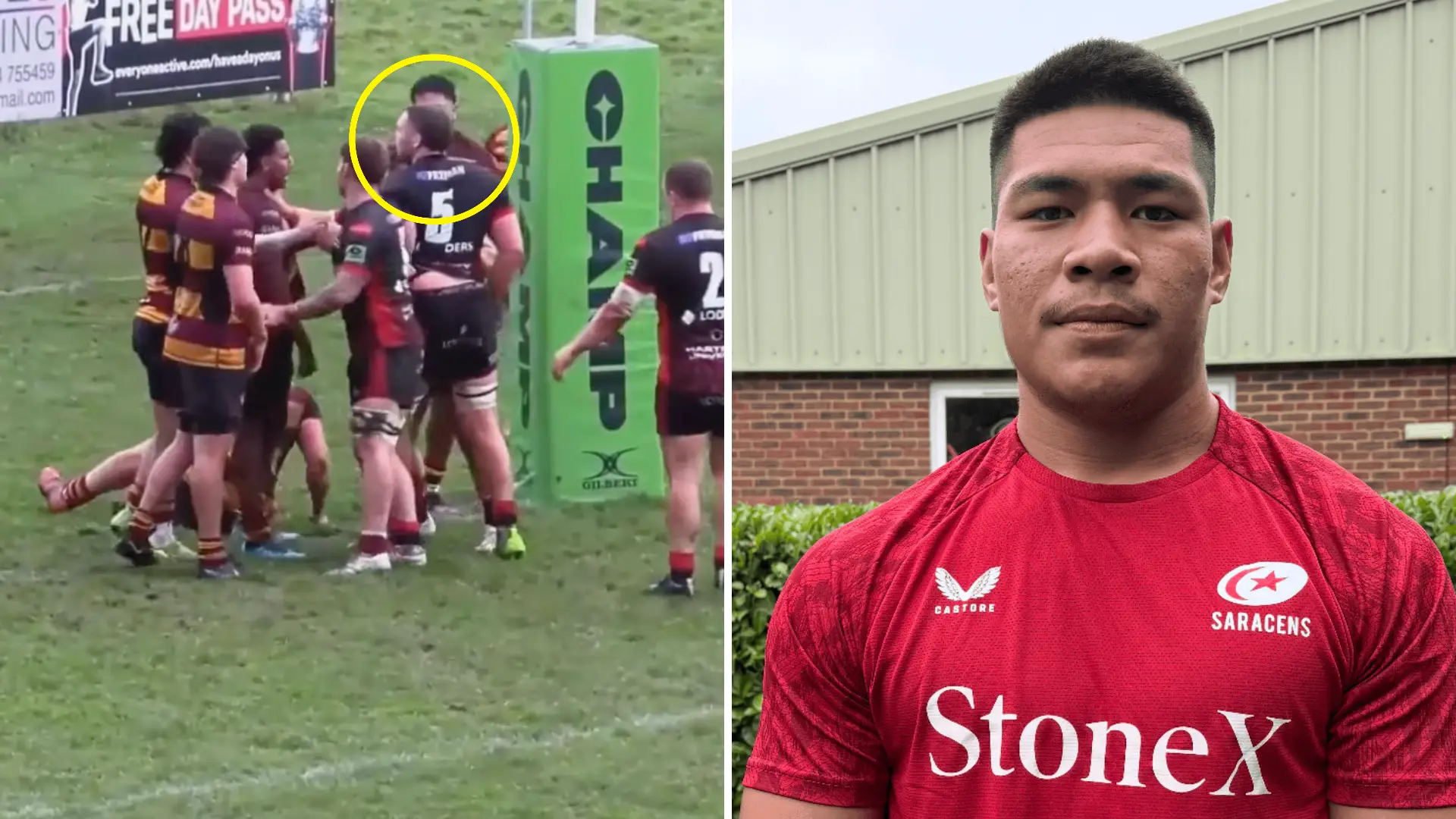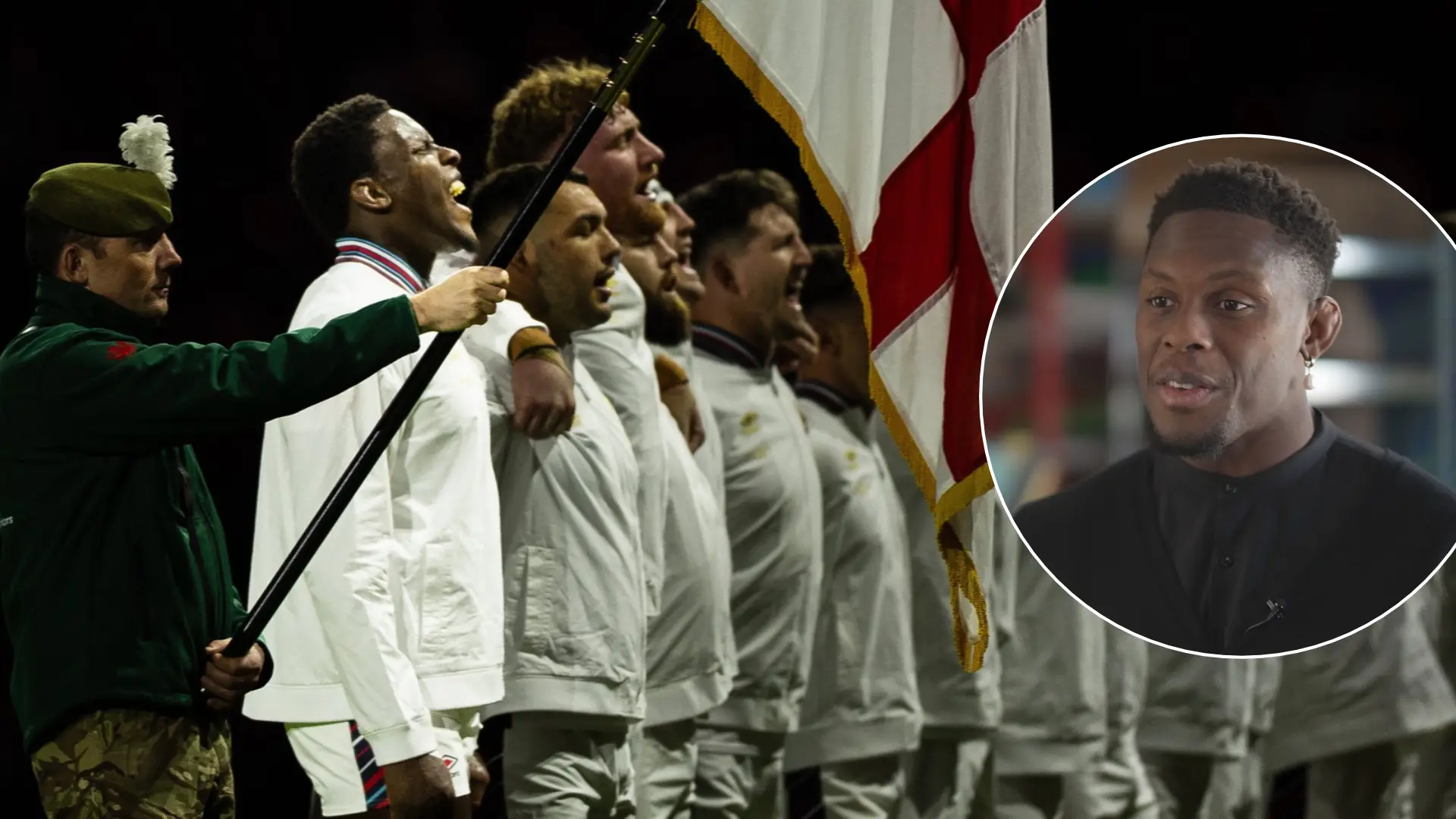

England captain Maro Itoje has made his feelings crystal clear about Swing Low, Sweet Chariot – and he isn't the only rugby legend to have weighed in on the controversial anthem.
The famous song has echoed around Twickenham for decades. For many England supporters, it's as much a part of matchday as a pint before kick-off.
But not everyone is singing from the same hymn sheet.
The anthem's links to slavery have sparked a fierce debate, with several England greats taking very different positions.
Some want it gone. Others believe it should remain part of English rugby tradition.
And despite calls for change, the Rugby Football Union decided against banning the song following a review in 2020.
Here's where Itoje stands – and what some other familiar faces have had to say.
Maro Itoje explains why he won't sing Swing Low
Itoje has never been one to shy away from speaking his mind.
The England forward first raised concerns about the anthem in 2020, admitting its history made him uncomfortable.
Two years later, he went a step further.
Speaking to French newspaper L'Équipe in May 2022, Itoje declared:
"I'm not going to tell people what they should or shouldn't do but, personally, I won't sing this song again."
It was a firm statement from one of English rugby's biggest names.
Itoje admitted he had previously joined in without knowing the full story behind the song.
Once he learned more about its origins, however, his opinion changed.
Crucially, the England star stopped short of demanding a ban.
His message was simple: supporters should understand what they're singing and make their own minds up.
RFU refuses to ban England anthem
The RFU found itself facing a difficult decision in 2020.
With the song's history under the spotlight, there were growing questions about whether it still belonged at Twickenham.
Swing Low, Sweet Chariot was written by Wallace Willis, a formerly enslaved African American, during the 19th century.
Its association with England rugby came much later.
Following a review, the RFU decided against an outright ban.
Instead, the governing body made several changes:
- Stadium lyrics: Stopped displaying the words around Twickenham.
- Merchandise: Removed products featuring the anthem.
- Education: Introduced information explaining the song's origins.
- Supporters: Allowed fans to decide whether they wanted to continue singing.
In other words, the song wasn't getting the red card.
But the RFU made it clear that its history should not be ignored.
The decision split opinion, including among some of England's most recognisable rugby figures.
What other England rugby legends have said
Brian Moore – Wants the song gone
Never one to sit on the fence, Brian Moore made his position pretty clear.
The former England hooker has long questioned why the song became associated with English rugby in the first place.
And when the debate resurfaced in June 2020, Moore didn't mince his words.
"It can go for me; I hate it."
That's about as subtle as a front-row collision.
Moore believes the song's historical background deserves greater respect and has questioned its place at England matches.
Maggie Alphonsi – Won't sing it, but opposes a ban
England World Cup winner Maggie Alphonsi found herself in a similar position to Itoje.
The former flanker revealed she had stopped singing the anthem after learning more about its origins.
However, she wasn't calling for the RFU to pull the plug.
Speaking to Sky Sports in 2020, Alphonsi said:
"I don't agree with it being banned."
Instead, she backed education over enforcement.
Her view was that supporters should understand the history before deciding whether to join in.
Martin Offiah – Happy to keep singing
Here's where things get particularly interesting.
Rugby league legend Martin Offiah offered a very different take.
The former Great Britain international has a unique connection to the anthem.
His performances at the 1987 Middlesex Sevens are often linked to the song becoming popular at Twickenham.
And unlike Itoje, Offiah had no plans to stop singing.
Speaking in October 2020, he said:
"I for one will be singing the song with them."
A striking contrast between two of the sport's most recognisable Black players.
Offiah acknowledged the song's history but defended the right of supporters to continue the tradition.
Lewis Ludlam – Defends England tradition
Former England flanker Lewis Ludlam was another player who wasn't convinced a ban was the answer.
For Ludlam, the song had been part of the England matchday experience for as long as he could remember.
And he wasn't keen on seeing it disappear.
Speaking in 2020, he said:
"I don't agree with banning Swing Low."
Ludlam believed the anthem had developed its own meaning among rugby supporters.
While recognising the debate surrounding its origins, he felt fans should be allowed to continue singing.
Andy Farrell – Part of England's identity
Ireland head coach Andy Farrell also had his say on the famous anthem.
The former England international, who represented the Red Rose after switching from rugby league, spoke about the song's place in English rugby.
"It was part of our identity, this is part of English rugby."
For Farrell, the anthem was closely tied to his experiences within the England setup.
His comments offered another contrast to Itoje's position.
As RUCK previously reported, Farrell's views highlighted just how divided the rugby community had become.
Will Swing Low ever disappear from Twickenham?
For now, there's no sign of the famous anthem being officially banned.
The RFU's 2020 decision remains its last major publicly reported ruling on the issue.
England supporters have continued to sing it, although the debate surrounding its history has never entirely disappeared.
Itoje has made his personal choice. Moore would happily see it go. Offiah and Ludlam have defended the tradition.
It's a debate where even some of English rugby's biggest names cannot agree.
One thing is certain: not everyone at Twickenham is singing from the same hymn sheet.