World Rugby has banned three countries from the Rugby World Cup due to 'political issues'
Rugby NewsThursday, 14 August 2025 at 06:51
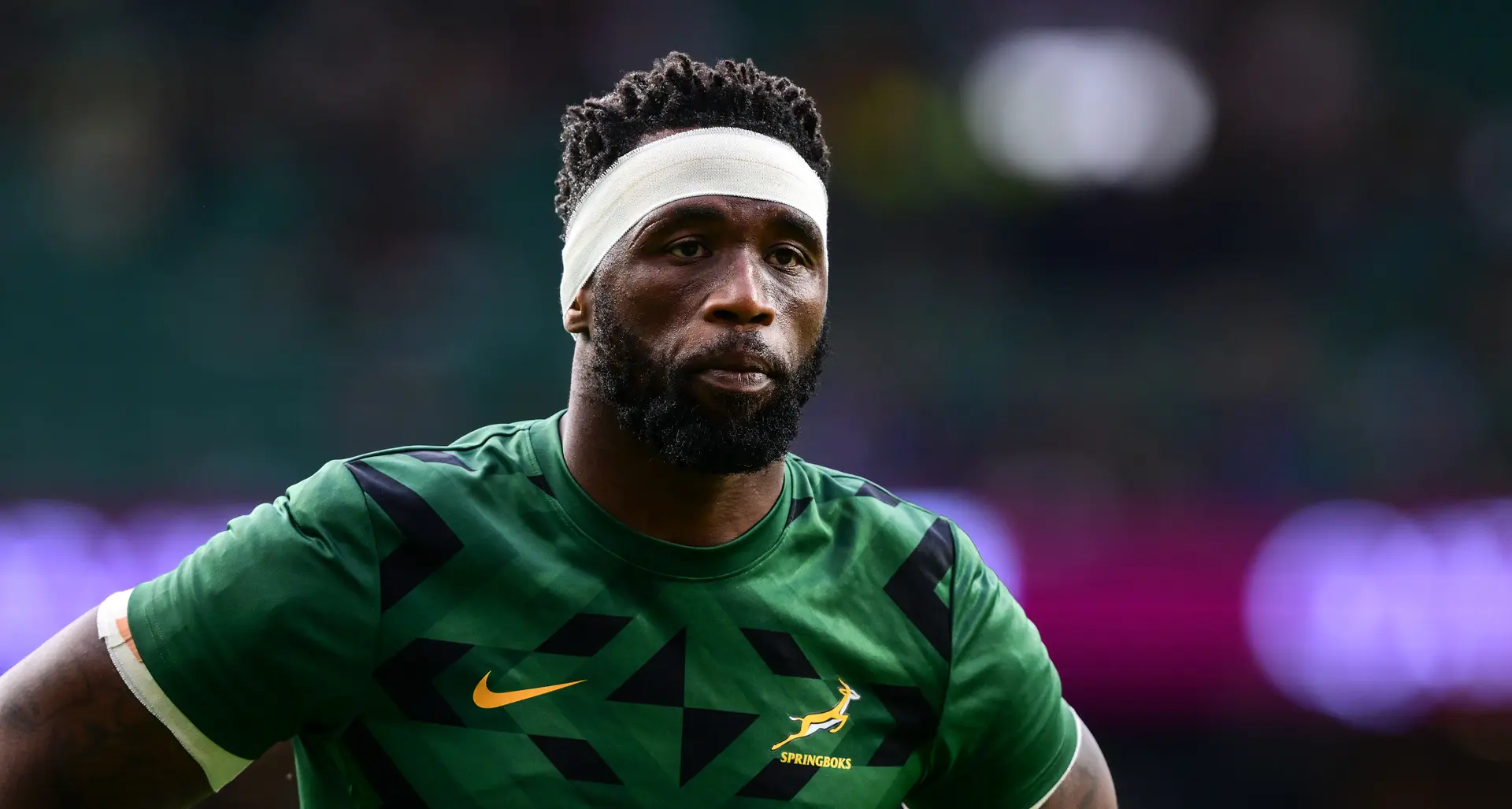

Every rugby nation dreams of holding the Webb Ellis Cup aloft. But for some, that dream never even makes it to kick-off.
From political fallouts to passport shenanigans, here are three nations that found themselves booted from the Rugby World Cup — and the reasons why.
Join the RUCK’s WhatsApp community here and get the latest news sent straight to your messages.
?? #1. South Africa — Banned from 1987 & 1991 Rugby World Cups
At the height of apartheid, South Africa was a global pariah — and rugby was no exception.
Due to its institutionalised system of racial segregation, the Springboks were barred from all international competition by the International Rugby Board (now World Rugby). As a result, they missed both the inaugural 1987 Rugby World Cup and the 1991 edition.
However, following the dismantling of apartheid laws and democratic reforms in the early 1990s, South Africa was readmitted to international rugby in 1992. Just three years later, the nation famously hosted and won the 1995 Rugby World Cup, led by captain François Pienaar and inspired by a unifying handshake from then-president Nelson Mandela.
? That victory remains one of the most iconic moments in sports history — a symbol of reconciliation in post-apartheid South Africa.
?? #2. Spain — Disqualified from 2019 & 2023 Rugby World Cups
Spain’s road to the Rugby World Cup has been plagued by eligibility controversies.
First, in 2019, Spain, Belgium and Romania were all sanctioned for fielding ineligible players during the qualification campaign — a debacle that ended up handing Russia an unexpected ticket to Japan.
Then in 2022, Spain qualified for the 2023 Rugby World Cup in France for what would’ve been their first appearance in 24 years — only for the dream to be shattered again. This time, it was discovered that Spain had allegedly used a player with a forged passport during qualifying.
As a result, they were docked 10 points, booted out of the tournament, and replaced by Romania, who had finished just behind them.
❌ Despite appeals, World Rugby upheld the ban, marking the second time Spain had been removed from World Cup contention due to player eligibility issues.
?? #3. Russia — Banned from 2023 Rugby World Cup
Russia’s exclusion from the 2023 Rugby World Cup came not from player conduct but from geopolitics.
In February 2022, Russia invaded Ukraine, triggering widespread international condemnation. As part of a wider sporting backlash, World Rugby suspended both Russia and Belarus from all international and cross-border rugby competitions.
Despite an appeal from the Russian Rugby Federation, the suspension remained in place, effectively ending any hope of qualification for the 2023 tournament in France.
Belarus were also banned for their part in the conflict. World Rugby said: "The decision has been taken with the interests of rugby’s values of solidarity, integrity and respect at heart. World Rugby also remains in contact with colleagues at the Ukraine Rugby Federation and has pledged its full support to the rugby community in the country."
? The ban also brought an end to speculation that Russia could one day host a Rugby World Cup — an idea that had been floated after their 2019 appearance in Japan.
EDITORS PICKS:
- Siya Kolisi set to lose HALF his fortune as shock divorce from wife confirmed
- Manu Tuilagi set to swap nations for the 2027 Rugby World Cup
- Louis Rees-Zammit’s new club revealed: He’s back in the Prem
- England Legend Mike Tindall Addresses Rumours About Him and Wife Zara
- England legend signs up for Strictly Come Dancing
Updated 2027 Rugby World Cup Draw: England to Face Tournament Debutants
In a historic shift for the global game, Rugby World Cup 2027 in Australia will feature 24 teams, a bold move by World Rugby aimed at making the sport more inclusive, competitive, and truly global.
The tournament’s structure and timing now better reflect current global rankings, thanks to a late pool draw in December this year made possible by reforms in 2022.
Here’s a breakdown of the predicted groups and team bios for the RWC 2027:
? Group A
South Africa ??
The reigning world champions and four-time RWC winners, the Springboks bring a powerhouse blend of physicality, tactical brilliance, and iconic leadership.
The reigning world champions and four-time RWC winners, the Springboks bring a powerhouse blend of physicality, tactical brilliance, and iconic leadership.
Argentina ??
Los Pumas continue to rise as a Tier 1 nation, combining flair and fearlessness. Semifinalists in 2007 and 2015, they’re known for big-game upsets.
Los Pumas continue to rise as a Tier 1 nation, combining flair and fearlessness. Semifinalists in 2007 and 2015, they’re known for big-game upsets.
Samoa ??
With deep roots in rugby tradition, Samoa’s raw physicality and natural flair make them one of the most dangerous Tier 2 teams in the game.
With deep roots in rugby tradition, Samoa’s raw physicality and natural flair make them one of the most dangerous Tier 2 teams in the game.
Tonga ??
The ‘Ikale Tahi’ bring bone-crunching tackles and island pride. With several stars playing abroad, Tonga is always capable of springing a surprise.
The ‘Ikale Tahi’ bring bone-crunching tackles and island pride. With several stars playing abroad, Tonga is always capable of springing a surprise.
? Group B
New Zealand ??
The legendary All Blacks need no introduction—three-time world champions with a relentless pursuit of perfection and a legacy of innovation.
The legendary All Blacks need no introduction—three-time world champions with a relentless pursuit of perfection and a legacy of innovation.
Scotland ?
A Six Nations stalwart, Scotland blends tactical kicking and dynamic playmakers, looking to go beyond the quarterfinals for the first time since 1991.
A Six Nations stalwart, Scotland blends tactical kicking and dynamic playmakers, looking to go beyond the quarterfinals for the first time since 1991.
Japan ??
The Brave Blossoms became global darlings in 2019 with a stunning quarterfinal run. Expect lightning-quick rucks and passionate homegrown talent.
The Brave Blossoms became global darlings in 2019 with a stunning quarterfinal run. Expect lightning-quick rucks and passionate homegrown talent.
Chile ??
One of the emerging forces from South America, Chile made its first RWC appearance in 2023. Physical, proud, and improving fast.
One of the emerging forces from South America, Chile made its first RWC appearance in 2023. Physical, proud, and improving fast.
☘️ Group C
Ireland ??
The current Six Nations champions and long-time world number one, Ireland seek to finally break their quarterfinal curse with a golden generation.
The current Six Nations champions and long-time world number one, Ireland seek to finally break their quarterfinal curse with a golden generation.
Fiji ??
Masters of running rugby, Fiji’s offloading game and growing discipline under top-tier coaching make them a serious threat to any opponent.
Masters of running rugby, Fiji’s offloading game and growing discipline under top-tier coaching make them a serious threat to any opponent.
Spain ??
Los Leones are rapidly growing in the European rugby scene, blending speed and flair. Their qualification signals a new frontier for Spanish sport.
Los Leones are rapidly growing in the European rugby scene, blending speed and flair. Their qualification signals a new frontier for Spanish sport.
Romania ??
One of Europe’s oldest rugby nations, the Oaks are known for forward dominance and proud World Cup heritage dating back to the tournament's inception.
One of Europe’s oldest rugby nations, the Oaks are known for forward dominance and proud World Cup heritage dating back to the tournament's inception.
?? Group D
France ??
With dazzling backs and a rock-solid forward pack, Les Bleus are perennial contenders. Hosting in 2023 has reinvigorated their World Cup ambitions.
With dazzling backs and a rock-solid forward pack, Les Bleus are perennial contenders. Hosting in 2023 has reinvigorated their World Cup ambitions.
Italy ??
Improving steadily in the Six Nations, Italy combines young talent with seasoned veterans, eager to progress past the pool stage for the first time.
Improving steadily in the Six Nations, Italy combines young talent with seasoned veterans, eager to progress past the pool stage for the first time.
USA ??
The Eagles are building toward hosting the 2031 RWC, and 2027 will be a crucial stepping stone. Athleticism is abundant—structure is the next step.
The Eagles are building toward hosting the 2031 RWC, and 2027 will be a crucial stepping stone. Athleticism is abundant—structure is the next step.
Belgium ??
A surprise qualifier, Belgium’s Black Devils have risen thanks to domestic development and strategic coaching. This is their chance to make history.
A surprise qualifier, Belgium’s Black Devils have risen thanks to domestic development and strategic coaching. This is their chance to make history.
?☠️ Group E
England ?
The 2003 world champions remain a major force. With a powerful set piece and tactical nous, they always make deep runs in World Cups.
The 2003 world champions remain a major force. With a powerful set piece and tactical nous, they always make deep runs in World Cups.
Georgia ??
Kings of the scrum, Georgia has long pushed for inclusion in the Six Nations. 2027 could be their breakout year on the global stage.
Kings of the scrum, Georgia has long pushed for inclusion in the Six Nations. 2027 could be their breakout year on the global stage.
Uruguay ??
Los Teros have become a staple at RWCs and continue to punch above their weight, fueled by tenacity and growing domestic structures.
Los Teros have become a staple at RWCs and continue to punch above their weight, fueled by tenacity and growing domestic structures.
Hong Kong China ??
A fast-developing rugby nation, Hong Kong brings agility and speed. Their appearance in 2027 is a testament to Asia’s growing rugby footprint.
A fast-developing rugby nation, Hong Kong brings agility and speed. Their appearance in 2027 is a testament to Asia’s growing rugby footprint.
? Group F
Australia ?? (Host)
Two-time champions and hosts of RWC 2027, the Wallabies are looking to bounce back from recent struggles with the home crowd behind them.
Two-time champions and hosts of RWC 2027, the Wallabies are looking to bounce back from recent struggles with the home crowd behind them.
Wales ?
A proud rugby nation with three semifinal appearances, Wales combines tradition with explosive talent in the backline.
A proud rugby nation with three semifinal appearances, Wales combines tradition with explosive talent in the backline.
Portugal ??
The "Lobos" won hearts in 2023 with their fearless play. Technically sharp and fast-improving, they are no longer underdogs.
The "Lobos" won hearts in 2023 with their fearless play. Technically sharp and fast-improving, they are no longer underdogs.
Zimbabwe ??
Returning to the RWC stage for the first time in decades, Zimbabwe’s qualification marks a historic comeback for African rugby.
Returning to the RWC stage for the first time in decades, Zimbabwe’s qualification marks a historic comeback for African rugby.
?️ A Tournament of Opportunity
The expanded format ensures more nations, more stories, and more reasons to believe in rugby’s global mission. For some teams, it’s about lifting the Webb Ellis Cup. For others, it’s about making history, inspiring a new generation, and proving that rugby is for everyone, everywhere.
With Australia as the host—rugby-mad and world-class—the stage is set for the most inclusive Rugby World Cup ever.
TRENDING






LATEST NEWS





LATEST COMMENTS
- Jordie Barrett over Damian de Allende is far from being correct. The hype around Dupont is also overreaching, he's probably 4th in the world and has been since the 2023 WC. He also avoids certain matchups which is strange. The rest of the list is pretty good apart from minor subjective biases.JasonMarlow16-09-2026
Loading