Creatine and contact play in rugby: strength in the scrum, and stability in set-piece phases
TrendingTuesday, 03 March 2026 at 21:52
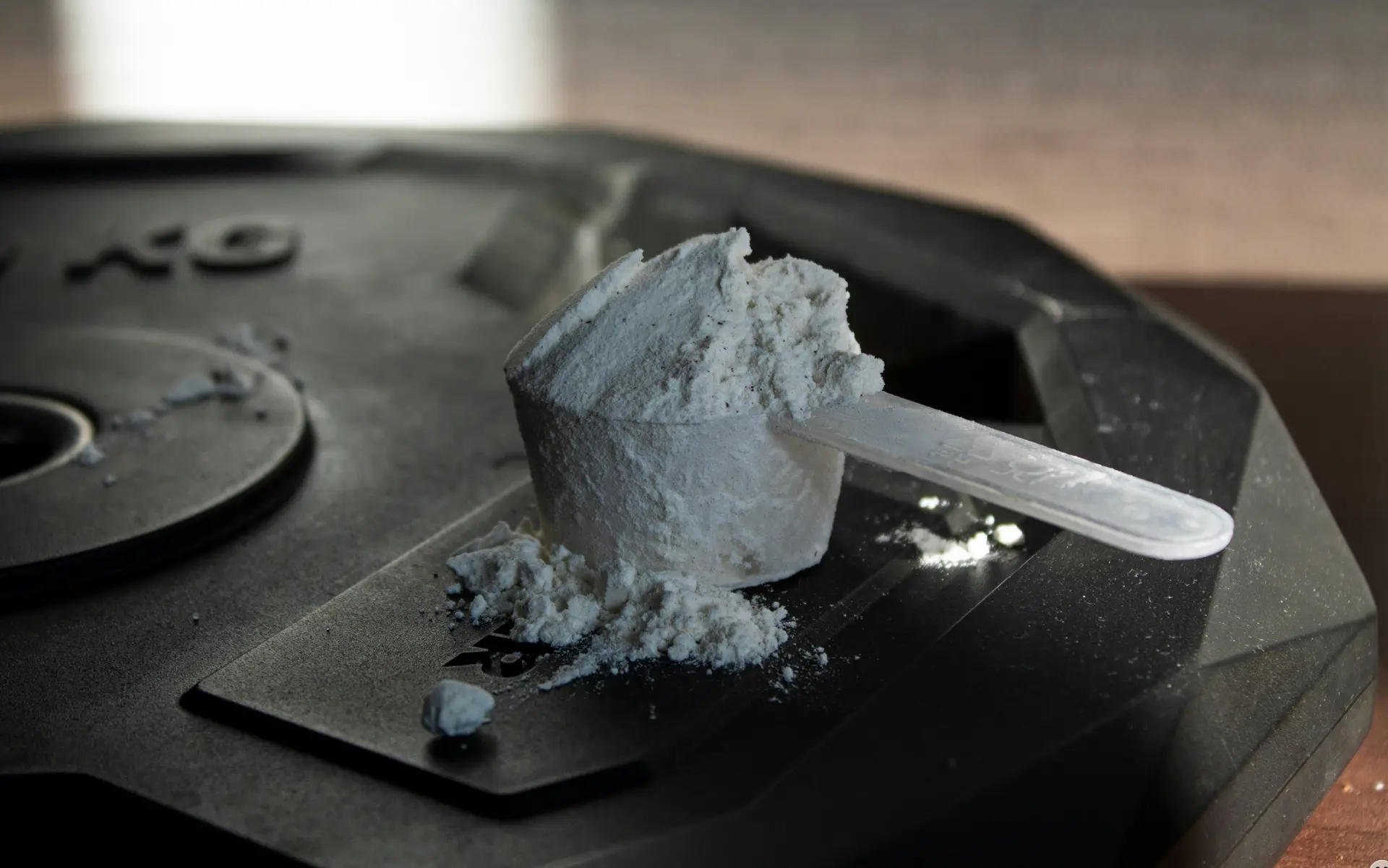

Rugby is a contact sport where an advantage is built through scrummaging, driving contests, and fighting for field position. It is therefore unsurprising that players ask whether creatine in rugby has a place within a strength and conditioning plan. The sensible approach is to rely on practical application, not promises.
Strength in close-contact contests: the scrum, the maul, and winning position
In rugby, strength in pushing contests is not simply about “pushing harder”. In the scrum, positioning, trunk stability, leg drive, and the ability to hold shape under increasing load are decisive. In the maul and other contact exchanges, what matters is control of centre of mass and effective force transfer through the hips and shoulders. These are short, high-intensity efforts repeated many times across a match.
Creatine in rugby is sometimes considered as support within physical preparation, because the phosphocreatine system contributes to rapid energy resynthesis during very short, maximal efforts. In practice, this primarily relates to the potential to maintain training quality in strength and power work (for example, high-intensity sets), which can make it easier to deliver the planned training stimulus across successive weeks. This does not replace scrum technique or contact preparation, but it may be one component within a coherent programme.
If you are considering product choice and serving format, it can be useful to compare ingredient lists and specifications. More information is available at Creatine supplements | NutrafitUK.
Stability in set-piece phases: contact, grip, and repeatable high-intensity work
Stability in rugby set-piece and contact phases includes maintaining position in contact, a secure grip in the tackle, conditioning of the neck and shoulder girdle, and trunk control during changes of direction. At the breakdown and on contact entries, the key is whole-body tension in the right alignment, as well as the ability to return to play quickly after going to ground and execute another high-intensity action without a meaningful drop in movement quality.
If creatine in rugby is being considered in this context, it makes sense to judge it through the lens of training delivery: the quality of successive sets, tolerance of load, and consistency during match weeks. From a supplementation perspective, the most important factor is regular, consistent intake aligned with your daily routine, so doses are not missed during the competitive period. If gastrointestinal discomfort occurs, a practical option is to take the dose with food or to split it, and decisions should be guided by tolerance and observed individual response. A supplement should be treated as an addition to nutrition, training, and recovery, not a substitute for the fundamentals.
This article is for informational purposes only and does not constitute medical advice. It is not intended to diagnose or treat any condition, and the information provided does not replace an individual consultation with a doctor. Any questions about supplementation should be discussed with a healthcare professional, particularly in the case of chronic conditions (including kidney disease), use of medications, pregnancy, or breastfeeding. In such situations, changes should be agreed with a doctor before implementation.
TRENDING






LATEST NEWS






LATEST COMMENTS
- Jordie Barrett over Damian de Allende is far from being correct. The hype around Dupont is also overreaching, he's probably 4th in the world and has been since the 2023 WC. He also avoids certain matchups which is strange. The rest of the list is pretty good apart from minor subjective biases.JasonMarlow16-09-2026
Loading