Does the 20-Minute Red Card Protect Rugby or Undermine Player Safety?
TrendingMonday, 02 March 2026 at 16:06
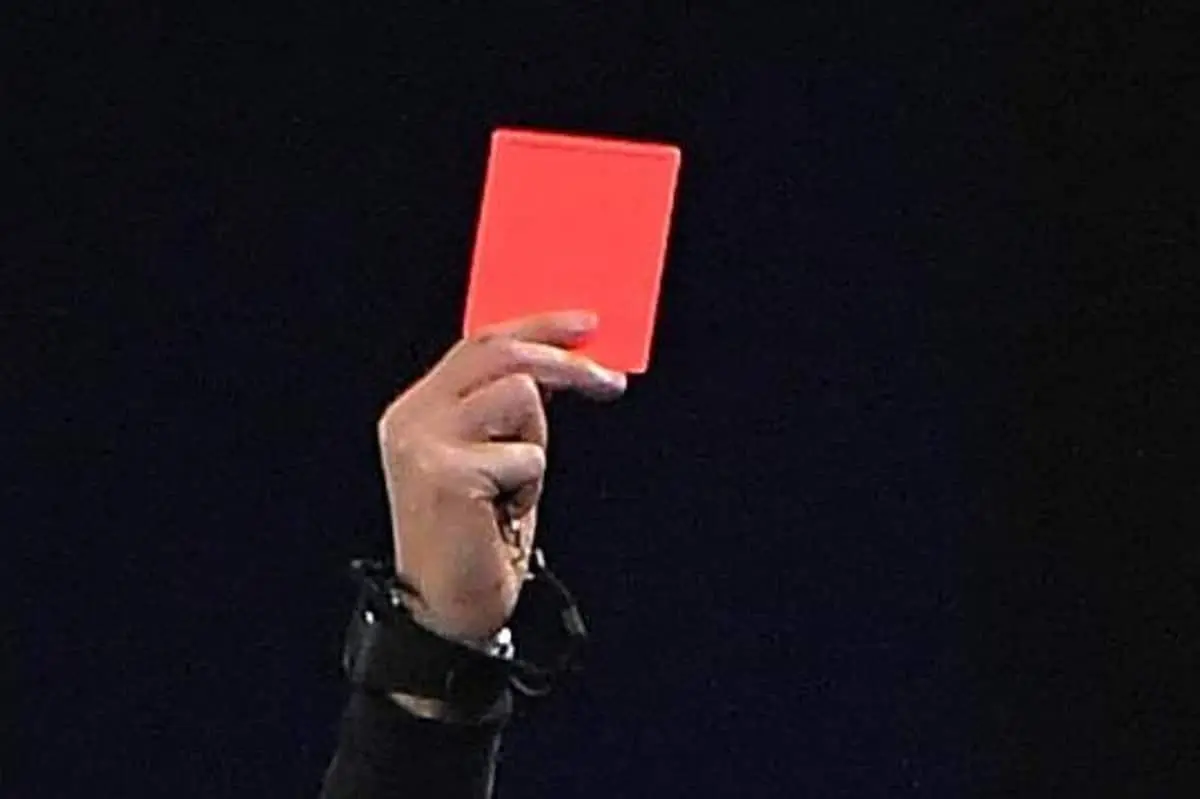

Few things split a rugby crowd faster than a red card.
The 20-minute version has only sharpened that divide. Some people think it brings a bit of balance back into the game. Others reckon it chips away at a line meant to remain firm. Either way, it has stirred proper debate in clubhouses, studios, and group chats alike.
This is not just a tweak buried in the law book. It changes how a big moment feels when it happens.
What Is the 20-Minute Red Card?
Traditionally, a red card meant the long walk and no return. The player was gone, and the team stayed a man down to the end. One moment could define the rest of the afternoon.
Now, if a player sees red:
- They take no further part in the match.
- Their team drops to 14 players for 20 minutes of match time.
- After that spell, a replacement can come on at the next stoppage.
The player still faces a hearing later in the week, but after 20 minutes, the team regains numbers, a shift that has sparked debate across rugby circles and sites like BonusFinder, where rule changes rarely go unnoticed.
Why Was the Rule Introduced?
The sport has been tightening up around contact for years. Tackles that once passed unnoticed now face slow-motion replays and scrutiny. Head contact, especially, is treated seriously, and long-term health is no longer dismissed as part of the job.
At the same time, people in the game started asking whether one misjudged collision should swing a heavyweight clash so early. One card. Fourteen men for a long stretch. The contest is slipping away.
The 20-minute idea came from that tension, keep the personal punishment, but ease the shadow hanging over the rest of the match.
Not everyone is convinced that balance works.
Where Has It Been Used?
The concept first surfaced in competitions in the southern hemisphere, including Super Rugby. From there, it found its way into selected international fixtures.
Since then, those running the game have been watching closely. Are red cards becoming more common? Do games still swing wildly after a dismissal? Are players adjusting how they tackle? What are the injury figures saying?
The trial period has not passed quietly. Conversations about it are ongoing, and strong views have not softened much.
How Does It Work in Practice?
Referees have not been told to lower the bar.
They still step through the same questions in real time. How dangerous was the contact? Was the tackler upright? Did anything reduce the severity? If it crosses the line, out comes the red.
From that moment, the team plays with 14 for 20 minutes of match time, stoppages included. When that window closes, a replacement jog on at the next break. The original offender does not return.
So the flashpoint feels the same. What follows feels different.
Key Differences from a Yellow Card

Some critics say the gap between yellow and red has narrowed. But there are still clear contrasts.
- A yellow card sends a player off for 10 minutes, and that same player comes back.
- A 20-minute red ends that player’s match completely.
- A red card usually brings a heavier suspension risk and leaves a mark on the player’s record.
The team recovers its numbers. The individual does not.
Arguments in Favour
Those who back the change often talk about proportion. They argue that not every red-card incident comes from wild or cynical intent. Under modern interpretations, even a split-second miscalculation can bring the harshest sanction.
In that light, removing the player but eventually restoring the team feels fairer to them. The wrongdoing is addressed. The match is not effectively sealed with an hour still to play.
They see it as protecting the contest without letting foul play slide.
Arguments Against
Others are uneasy. For years, a red card carried a high collective cost. That weight sent a message. If the team only suffers for 20 minutes, does that message lose some of its force? Does the fear factor drop a notch?
There is also the broader backdrop. Rugby has worked hard to show it takes head injuries seriously. Any adjustment to punishment invites questions about whether that stance is shifting, even slightly.
For critics, this is less about spectacle and more about the standard the sport wants to set.
Has It Changed Player Behaviour?
It is still early to draw sweeping conclusions.
Competitions that trialled the law have not seen discipline spiral out of control. Nor have they seen an obvious drop in intensity. But habits in a contact sport evolve slowly.
What is noticeable is the attention to tackle technique. Coaches drill players on body height and positioning more than ever. Defenders are urged to get lower, to remove doubt, to stay out of trouble.
Whether the 20-minute red card shapes that trend in the long term remains an open question.
Will It Become Permanent?
The future of the law is still being weighed up. Voices from different corners of the game have strong opinions, and they are not shy about sharing them.
If the change is to stick everywhere, it would have to be accepted across the major competitions that shape the global calendar. That is not a small step, and it will not happen without serious discussion.
For now, it sits in that in-between space. Not a fleeting experiment, not fully locked in either.
Final Thoughts
(Image: Rugby Union | Shutterstock)
The 20-minute red card forces rugby to look at itself.
Is the red card mainly a warning sign meant to carry maximum weight? Or is it a tool that can be adjusted as the game changes?
There is no neat answer. That is why the debate keeps rumbling on.
What is clear is this: a small shift in the law book can change the feel of an entire match. And in a sport built on fine margins, feel matters just as much as the final score.
TRENDING






LATEST NEWS





LATEST COMMENTS
- Jordie Barrett over Damian de Allende is far from being correct. The hype around Dupont is also overreaching, he's probably 4th in the world and has been since the 2023 WC. He also avoids certain matchups which is strange. The rest of the list is pretty good apart from minor subjective biases.JasonMarlow16-09-2026
Loading