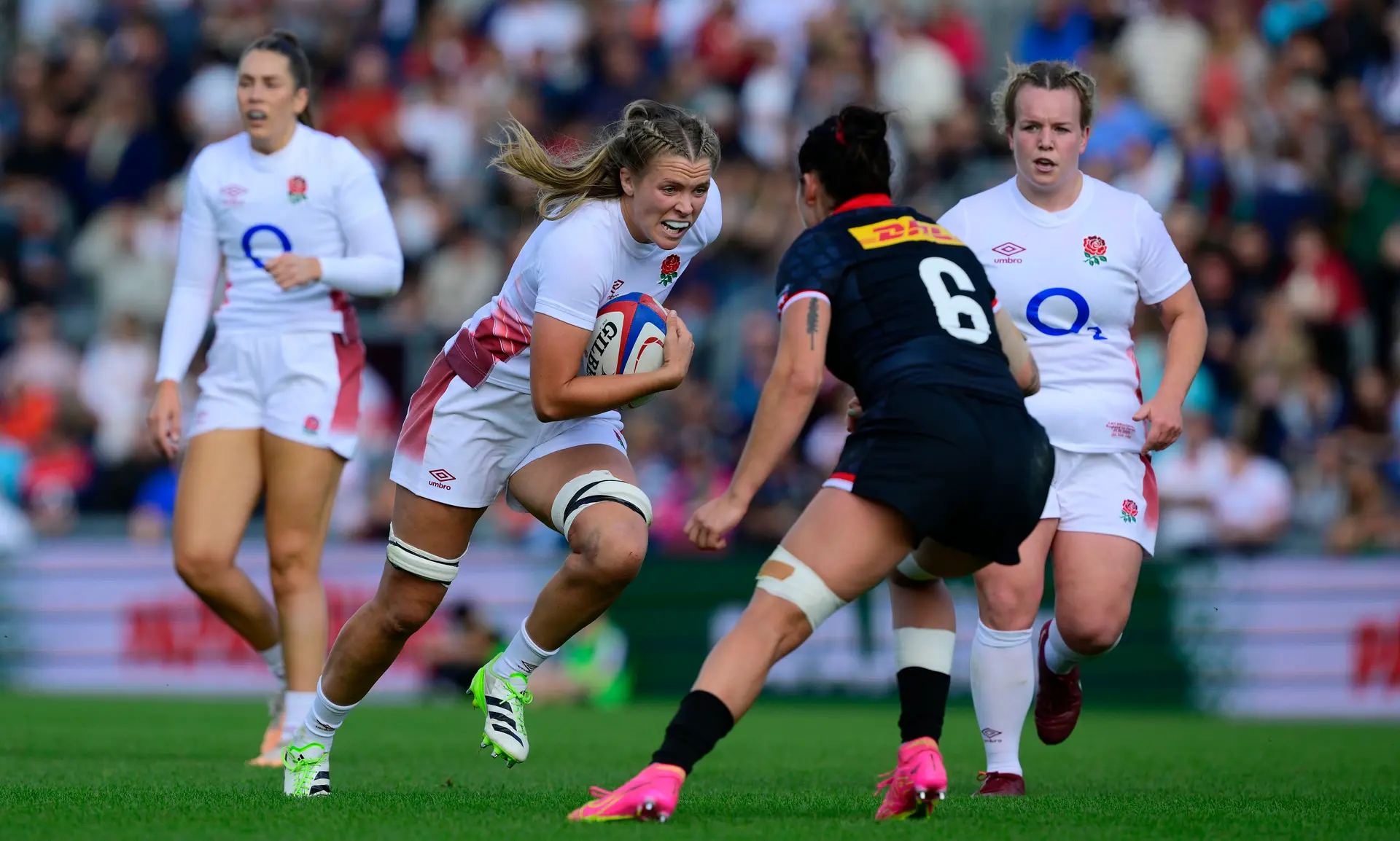

The Women’s Rugby World Cup 2025 is shaping up to be more than just a tournament. England hosting the event brings with it a spotlight, and this time that light’s also being shone on the environment. With eight host cities and a national plan in place, there’s a clear shift happening, not just for the players and fans, but for how major events are being run.
British Teams and the Odds of Winning
In terms of who’s likely to lift the trophy, England are still the favourites. Their odds currently sit around 2/1 at various bookmakers that offer a wide range of sports picks, generous bonuses, and fast payouts, with New Zealand close behind at 5/2. France comes in at about 9/2, and Wales are looking at longer odds, hovering between 14/1 and 16/1 depending on the oddsmaker. Scotland and Ireland are outside bets for now.
Still, all the British teams are in a position to turn heads if they can build momentum early. Form matters, but in a tournament setting, so does pressure, and with home turf in play, England will have to deal with both.
What’s Changing at Each Host Venue
The tournament’s focus on sustainability has already led to some noticeable changes. Each venue has its own green initiative in place. Brighton has focused on boosting biodiversity by planting trees and putting up bird boxes. Northampton now has EV charging points in place to help shift transport habits. Exeter and Sunderland have upgraded their lighting systems to efficient LED setups, which will cut down long-term energy use.
It’s been more than just box-ticking; these are practical changes with lasting effects. At York, for example, smart systems are now in place to manage heating and concessions, and that kind of automation helps reduce waste without adding complexity.
Twickenham has taken a different route by swapping out gas heaters for electric alternatives. Salford and Bristol have gone after the plastic problem by installing water refill stations. It’s local details like this that make the plan more than just a general pledge. There’s funding behind it, and a push to make the changes stick after the tournament ends. World Rugby has made it clear that this isn’t a one-off; there’s a post-event carbon report already being planned, which will show exactly how far these measures went.
More Than Just Surface-Level Efforts
They’ve also trialled air-cleaning tech in Exeter. Over 2,600 square metres of printed material and branding have been treated with a surface application that breaks down pollutants in the air. It’s not everywhere yet, but it’s being looked at as a test case for future use. That kind of approach, trying something new without overpromising, is what’s giving this year’s event a different feel. There’s less talk and more showing.
Behind the scenes, the sustainability shift hasn’t stopped at the stadium doors. World Rugby has folded these principles into over 15 parts of the tournament’s operation, including catering, logistics, broadcast, transport, and workforce planning. The goal is to make sure that emissions are cut not just on the pitch or in the stands, but across the full delivery of the event. They’re using local suppliers more often, designing materials with reuse in mind, and tracking the lifecycle of goods from start to finish. The target is for 70% of procured items to have a clearly defined end-of-life plan.
Sustainability With Local Flexibility
The setup hasn’t been random either. A governance framework is being used to measure progress and flag problems early. Venue assessments were carried out ahead of time, so each city knew what it was working with before funding decisions were made. The result is a tailored strategy rather than a one-size-fits-all list. That matters, especially for cities like Sunderland and Brighton, which are working on very different timelines and infrastructure challenges.
This tournament is also doubling as a learning tool. Knowledge-sharing between venues is part of the rollout, so if something works well in York, it can be flagged early and brought into place elsewhere. That kind of practical collaboration has often been missing in the past, especially with fast-moving international events.
TRENDING






LATEST NEWS






LATEST COMMENTS
- Jordie Barrett over Damian de Allende is far from being correct. The hype around Dupont is also overreaching, he's probably 4th in the world and has been since the 2023 WC. He also avoids certain matchups which is strange. The rest of the list is pretty good apart from minor subjective biases.JasonMarlow16-09-2026
Loading