Men’s Rugby Must Learn the Art of Fan Connection: Lessons from Women’s World Cup Stars
TrendingSaturday, 27 September 2025 at 09:49
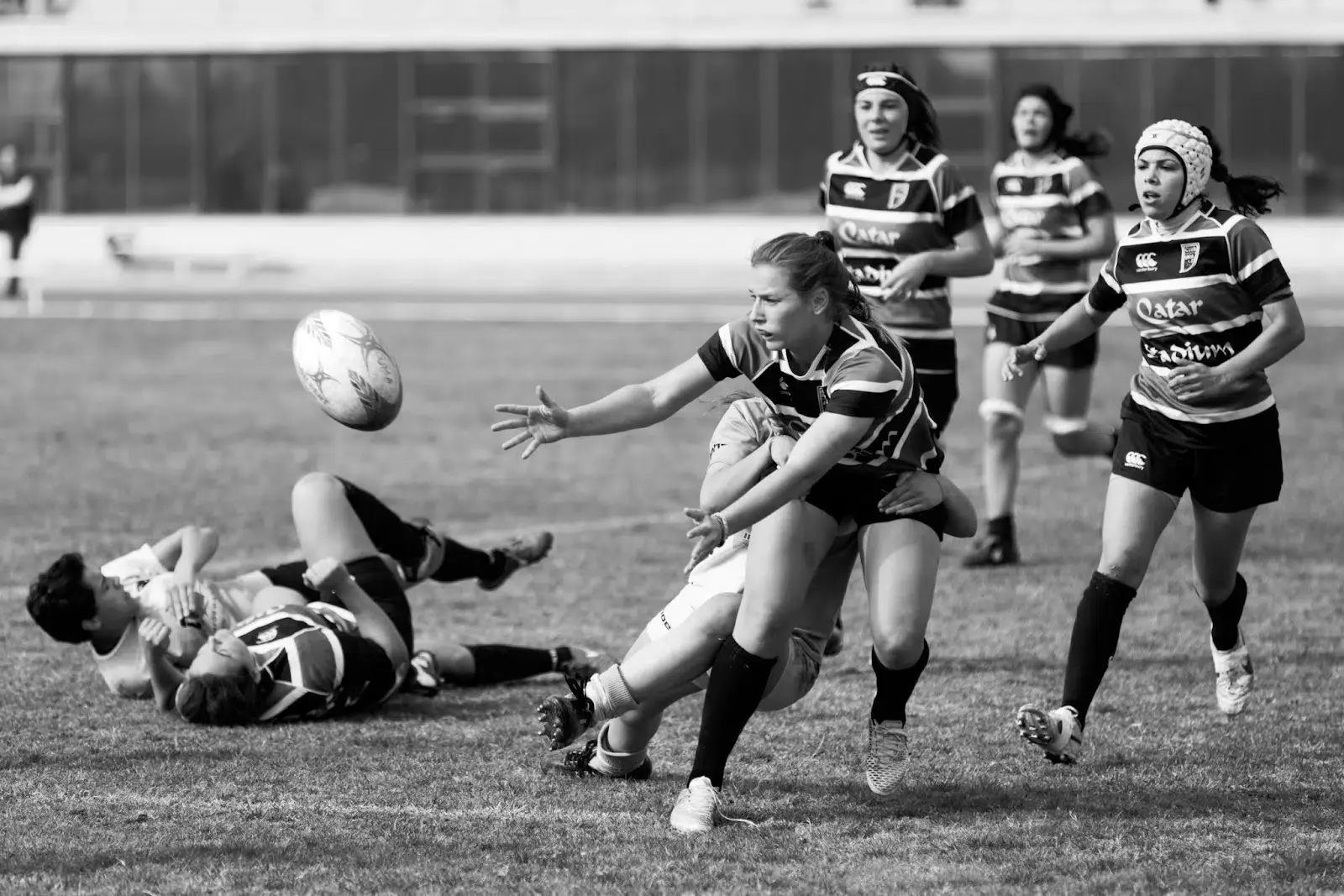


The Women’s Rugby World Cup has been about more than dazzling tries and fierce tackles. It has been a masterclass in connection. From selfies with fans in the stands to heartfelt moments shared after the whistle, female players have redefined what it means to grow a sport through authentic engagement. World Rugby chief Alan Gilpin now wants the men’s game to follow suit, urging players and unions to make emotional bonds with fans as much a priority as winning matches.
What Women Players Did Differently and Why It Worked
Fans at this year’s Women’s Rugby World Cup have been treated to something special: an atmosphere that goes beyond competition. Players linger after games, signing autographs, posing for selfies, and even sharing laughs with rivals. These actions are small but powerful, with surveys showing that 90% of spectators (most of them new to rugby) plan to return.
This kind of energy also connects with broader trends in how people consume sport. Alongside live streaming, stats trackers, and the best crypto betting sites, fans want instant interaction and a sense of belonging. These platforms are popular because they offer quick access, varied markets, and the ability to engage with matches as they unfold. These are all qualities that enhance the viewing experience. Rugby’s women have embraced this instinctively, proving that openness and accessibility are central to building loyalty.
The Business Case: Emotion + Data = Growth
Alan Gilpin has stressed that World Rugby is compiling a “dossier of great facts and stats” to show unions and coaches that engagement is not a distraction. Rather, it’s an investment. By making time for fans, players build long-term connections that translate into ticket sales, higher broadcast demand, and new revenue streams. For a sport looking to expand its global footprint, the business case is as compelling as the emotional one.
Early indicators from the Women’s World Cup support this. Surveys revealed that most first-time spectators not only wanted to return but also planned to bring others along next time. That kind of loyalty and growth through word of mouth is exactly what men’s rugby must harness if it is to strengthen its commercial base ahead of future global tournaments.
Sticking the Landing: Managing Backlash and Staying Authentic
Of course, not all responses to player openness have been positive. Some female athletes, including Wales forward Georgia Evans, have experienced abuse online simply for showing personality or sharing their views. To protect them, World Rugby is trialing AI-driven systems to detect harmful content and support players in real time. The goal is clear: foster authenticity, but shield individuals from the worst aspects of online culture.
A Playbook for Men’s Rugby: What Could Change by 2027?
So what happens if the men’s game truly embraces this shift? Fans could see more players leaving the pitch to greet supporters, social media becoming a platform for personality as much as performance, and clubs actively encouraging players to tell their stories. By the time the next men’s Rugby World Cup arrives, such gestures could feel not like novelties but like the standard of how rugby interacts with its community.
Final Thoughts
The women’s game has given rugby a blueprint: connection drives growth. If the men’s side takes these lessons to heart, the sport can move into a new era defined by openness, shared emotion, and cultural resonance. Wins and losses may still define careers, but the memories forged in the stands and online could shape rugby’s future more than anything else.
For fans, this is a reminder that rugby is more than results. It’s about community. For players, it’s an invitation to be themselves, to embrace the joy of the game, and to share that joy with those who fill the stadiums and tune in across the world. That shift could be as influential to rugby’s legacy as any trophy ever lifted.
TRENDING




LATEST NEWS



LATEST COMMENTS
- Jordie Barrett over Damian de Allende is far from being correct. The hype around Dupont is also overreaching, he's probably 4th in the world and has been since the 2023 WC. He also avoids certain matchups which is strange. The rest of the list is pretty good apart from minor subjective biases.JasonMarlow16-09-2026
Loading